Terry Labonte did not conquer NASCAR by breathing fire, throwing helmets, or auditioning for a reality show every Sunday. He did it by playing the long game, lap after lap, season after season, until the sport had no choice but to call him a Hall of Famer. His patient, almost stubbornly calm approach turned “Texas” Terry into “The Iceman,” and it worked so well that his career now reads like a master class in how to win big by refusing to panic.
When I look at Labonte’s body of work, what jumps out is not a single dramatic moment but a pattern: conserve the car, manage the risk, and let everyone else burn their stuff up. That philosophy, backed by a streak of durability that bordered on absurd, explains why his legacy still feels so solid. He did not just survive NASCAR’s chaos. He quietly bent it to his pace.
The calm at 190 mph
Labonte’s secret weapon was not raw aggression, it was composure so steady it practically needed a pulse check. Being laid back suited “Texas” Terry, who earned the nickname “The Iceman” because he could sit in the middle of a storm of sheet metal and egos and look like he was waiting for his table at a quiet diner. Accounts of his career describe him as cool and methodical late in races, the driver who would still be thinking clearly while others were busy settling grudges with their bumpers, a pattern that helped define his Hall of Fame arc from early wins to his later years at Darlington and beyond.
That temperament was not just a branding exercise, it showed up in how he raced people. Even his own family has noted that they had never seen him get angry enough with another driver to cause a scene after a race, emphasizing that he competed because he loved it and always tried to consider safety before pride. In a garage where tempers can flare faster than tire pressures, that kind of restraint is not just charming, it is strategic. It meant fewer feuds, fewer self-inflicted disasters, and more nights where “The Iceman” quietly drove the car back onto the hauler in one piece.
Texas tough, patience tougher
Labonte’s second Cup championship is the perfect case study in why his long-view approach worked. The path toward that title started in frustrating fashion, with early setbacks that could have rattled a more volatile driver. At one point he was Leading 44 laps in a race only to see the result slip away, a scenario that has launched many a radio tirade. Instead of melting down, he treated those disappointments as part of the grind, resetting for the rest of 1996 and focusing on the full season picture rather than the sting of a single afternoon.
That patience paid off as the year unfolded. Rather than chasing revenge or overdriving to “get one back,” Labonte leaned into consistency, stacking solid finishes until the math finally tilted his way. The story of that championship is not a single heroic charge but a series of disciplined decisions, each one rooted in the belief that the title is won over months, not moments. When people talk about his “Texas tough” reputation, I hear less about bravado and more about the mental toughness it takes to keep your cool when the points sheet looks ugly and everyone around you is losing theirs.
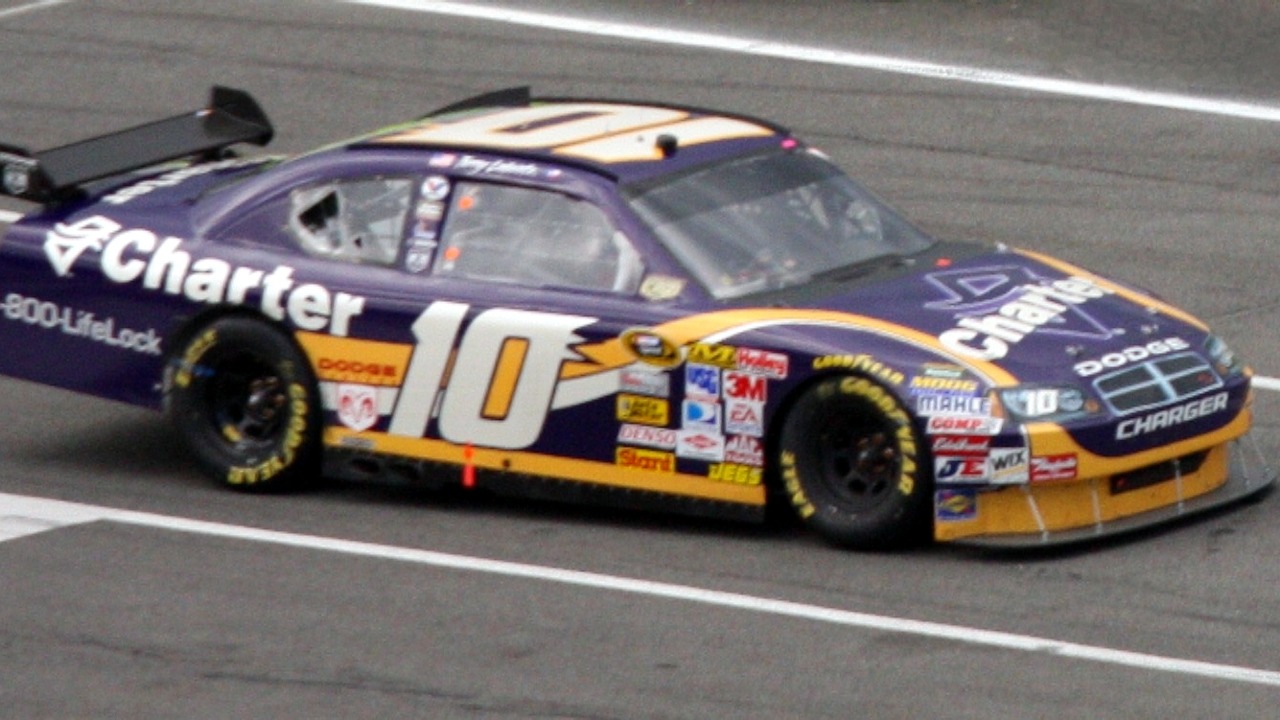
The art of finishing what you start
If Labonte had a racing religion, it was this: first you finish, then you worry about where. He built his reputation as someone who took care of the equipment, always got to the front, and wanted to finish races, a philosophy that sounds boring until you realize how many trophies it produced. Rivals and observers alike pointed out that he had always run good and that by far, the most impressive thing about him was how rarely he beat himself, a trait that turned long green-flag stretches into his personal playground.
The numbers back up that reputation. In one standout season, Labonte scored 21 Top 5s, including two wins, and even raced with a broken hand in the last two events, refusing to break his rhythm or his commitment to seeing the year through. That kind of durability is not glamorous, but it is devastatingly effective. It meant that when others were limping through the schedule, he was still stacking Top finishes and quietly climbing the standings. The fact that he kept answering the bell, even hurt, shows how deeply that “finish first” mindset was wired into him.
Iron Ma, streaks, and the long-game mindset
Labonte’s long-game approach did not just show up in isolated seasons, it became his brand. The Kellogg-backed Racing Web presence around his career highlighted his vast accomplishments, especially his Iron Ma style streak of consecutive starts that turned him into one of the sport’s true iron men. That run was not an accident. It was the logical outcome of a driver who avoided unnecessary wrecks, respected the limits of his equipment, and treated every start like another brick in a very long wall.
He understood the competitive edge that came from that reliability. Labonte has said that because drivers are so competitive, a record-breaking streak becomes even more meaningful, a point that underlines how much pride he took in simply showing up, week after week, so steely behind the wheel. When you string that many races together without imploding, you are not just lucky. You are disciplined. You are the personification of the long game, trusting that if you keep answering the green flag, the results will eventually stack in your favor.
Road courses, reinvention, and the Iceman’s legacy
What impresses me most about Labonte’s career is how his patient style translated across different kinds of tracks. Terry Labonte built an accomplished road racing résumé, including a first road course win during his first championship season in 1984, proof that his methodical approach worked just as well in the twisty stuff as it did on the big ovals. Road courses reward drivers who can manage brakes, tires, and rhythm over long runs, and that played directly into his strengths as a thinker behind the wheel rather than a highlight-chaser.
Even late in his career, the core of his identity never changed. In the words of Ken Squier, Terry Labonte was often “waiting, waiting as ‘The Iceman’ always does” when it came time to pounce, a description that captures the essence of his strategy. He would linger just off the chaos, let the race come back to him, then strike when others had burned off their tires and their patience. That is the long game in its purest form: trust your preparation, trust your temperament, and let everyone else exhaust themselves trying to win the race in the first 50 laps.
Looking back, I see Labonte’s career as a quiet rebuke to the idea that you have to be the loudest, angriest person in the room to dominate a sport built on speed. Being laid back suited “Texas” Terry, and the persona of The Iceman was not a marketing gimmick, it was a competitive advantage that turned composure into championships, Top 5s, and an Iron Ma legacy that still stands out. In a world that loves instant gratification, his story is a reminder that sometimes the smartest move is to take a deep breath, save your tires, and trust that the long game will pay off by the time the checkered flag finally falls.
More from Fast Lane Only: