Bobby Labonte’s name comes up any time people rattle off NASCAR champions, but his week‑to‑week excellence rarely gets the same love as the flashier stars around him. His career looks even better when you zoom out from the highlight reel and pay attention to how often he quietly did the right thing over long seasons, different cars, and changing teams.
When I look at Labonte, I see a driver whose consistency was so steady that it almost disappeared into the background noise of the era. The trophies are there, but the real story is how often he put himself in position to win, how rarely he beat himself, and how long he kept grinding at a high level while the sport shifted under his feet.
From short‑track grinder to Cup mainstay
Before Bobby Labonte ever became a Cup Series champion, he built his reputation the hard way, running late models and learning how to be good every single weekend instead of just occasionally spectacular. His main success in those early years came in late‑model stock cars, where he piled up wins at places like Caraway Speedway, grabbing twelve victories there in one season and locking down the track championship. That kind of dominance on a bullring is not just about raw speed, it is about repeating the same level of execution over and over, night after night, until the rest of the field breaks before you do.
That short‑track schooling shaped the version of Labonte who eventually showed up in the NASCAR Cup Series. He did not arrive as a marketing project or a one‑track specialist, he arrived as someone who had already proven he could carry a season on his back. When he finally got his full‑time break at the top level, he brought that late‑model rhythm with him, the mindset that a championship is built on dozens of solid days more than a handful of heroic ones.
The Joe Gibbs years and a quiet peak
The turning point in Labonte’s career came when he landed in the right seat with the right organization at the right time. In 1995 he signed with Joe Gibbs Racing to drive the No. 18 Interstate Batteries Chevrolet, a pairing that would define his prime. That move did not instantly turn him into a superstar, but it gave him the infrastructure to turn his grinder mentality into points, wins, and eventually a title. With Gibbs, Labonte became the guy you expected to see somewhere near the front at the end of long races, even on days when the car was not perfect.
One of the early snapshots of that era came at Atlanta, where Labonte won the season‑ending race while his brother Terry clinched the championship. That day captured how Bobby operated in his prime: he was not always the headline, but he was right there, taking advantage of the moment when the car and the conditions lined up. Even before his own title run, he was stacking wins and solid points finishes that signaled a driver building toward something bigger rather than spiking and fading.
The 2000 title: dominance disguised as normalcy
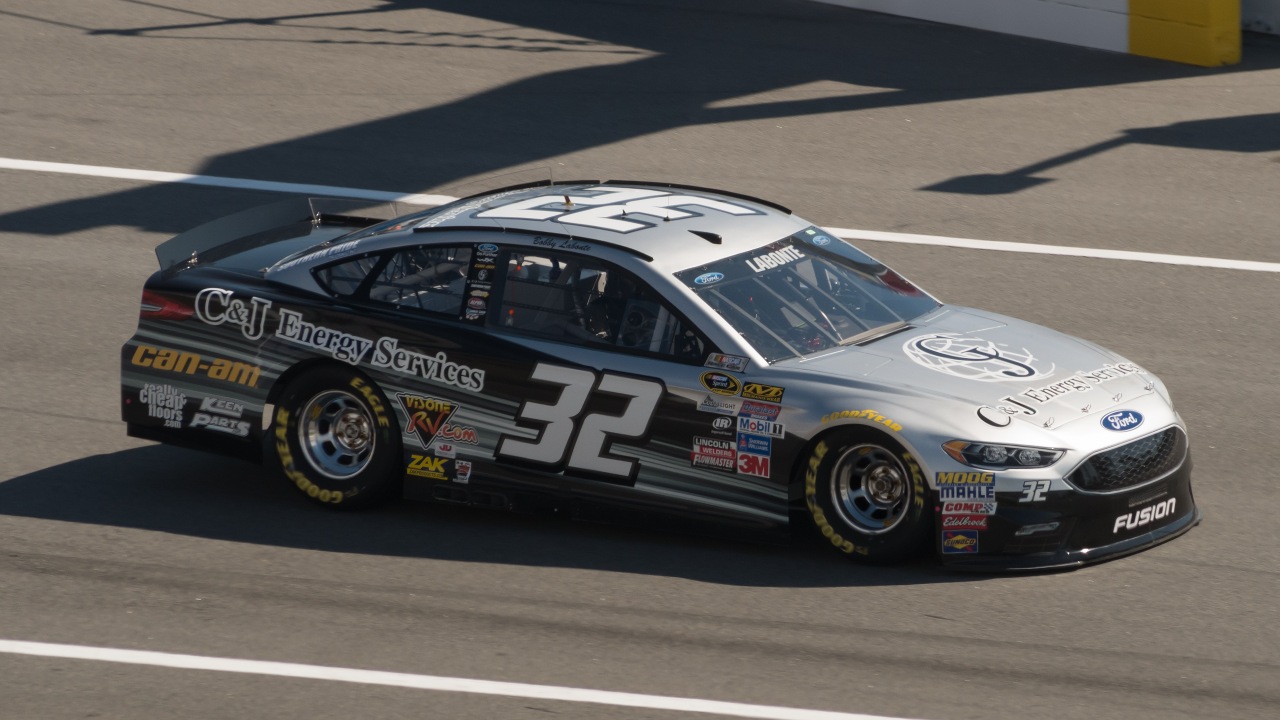
Labonte’s 2000 season is the clearest example of how a driver can be historically good without getting treated like a historic figure. He has admitted that he never experienced anything like that year at any other point in his career, describing it as a season where everything finally clicked in a way it never quite did again. The results back that up, but the way he got there was not through wild swings, it was through a relentless refusal to have bad days.
Fans who have gone back through the numbers point out that during that championship run his worst finish was 26th and he ended up outside the top 20 only three times, a level of week‑to‑week steadiness that jumps off the page in hindsight. In a discussion of that season, one Comments Section breakdown framed it bluntly: if your floor is that high, you are going to crush a full schedule even if you are not winning every Sunday. Labonte did win, of course, but the real weapon was that he almost never handed points away, which is exactly the kind of excellence that tends to get forgotten once the confetti is swept up.
Fuel mileage, Dover, and the art of not beating yourself
Labonte’s consistency was not just about finishing races, it was about mastering the little edges that turn decent runs into great ones. At Dover, for example, he developed a reputation for being “good to the last drop,” a driver who could stretch a tank of fuel and a set of tires just a bit farther than most. He has admitted he could not fully explain why that track suited him so well, but he credited a driving style that meshed with what his crew was trying to do on strategy and setup, especially in races where fuel mileage became the deciding factor.
That kind of synergy showed up in more than one Dover race and it fit perfectly with the broader picture of Labonte as a driver who rarely overreached. Instead of forcing moves that might win a battle and lose a war, he leaned into the long game, trusting his team and his own patience to pay off when others ran out of gas, literally and figuratively. The accounts of his Dover success underline how often he turned strategy races into quiet statements about discipline, which is exactly the sort of skill that does not show up in a highlight reel but wins championships.
Why his arc feels “forgotten” to a new generation
When people on modern fan forums ask for someone to explain Bobby Labonte’s career arc, the answers usually circle around the same idea: he was really good for a long time, then the sport moved on and his peak got buried under louder storylines. In one Jul thread, fans debated whether his decline was about age, equipment, or just the natural cycle of teams rising and falling, but there was broad agreement that his best years required him to be “near perfect almost every week” to keep up. That kind of perfection is hard to sustain and even harder for younger fans to appreciate if they did not live through it in real time.
Another discussion about underrated runner‑up seasons pointed out that Bobby lost his crew chief Jimmy Makar and never quite found the same level of week‑to‑week sharpness afterward, even though his seasons in 2001, 2002, and 2003 were far from bad. That kind of subtle drop, from elite to merely very good, can make a career look flatter than it really was when you glance at the stats years later. In reality, it underscores how much of his prime was built on a delicate balance of driver, crew chief, and team that had to be nearly flawless to keep delivering those steady top‑tier results.
The Hall of Fame verdict and the case for consistency
If there is any official stamp on Labonte’s legacy, it is his place in the Vitals as a Class of 2020 NASCAR Hall of Fame inductee. The Hall describes him as “the ultimate grinder,” a driver who raced any car he could get behind the wheel of before he finally landed a full‑time shot in the premier series and turned it into a championship. That description is not just a compliment, it is a recognition that his career was defined less by single moments and more by the sheer volume of quality laps he logged across different eras and disciplines.
His Cup Series record backs that up in a way that is easy to overlook if you only focus on the title year. According to his Cup Series statistics, his best points finish was 1st in 2000, with a first race in the 1991 Budweiser 500 and a last race in the 2016 Hellman event, which means he spent a quarter century at the top level. That kind of longevity, stretching from the early 1990s through the mid‑2010s, is not possible without a deep reservoir of consistency, even in the later years when the results sheet did not scream “champion” anymore.
Why his steadiness still matters
When I stack Bobby Labonte’s career against the modern Cup landscape, what jumps out is how much value there still is in the traits he quietly mastered. In an era that now rewards aggression, restarts, and short playoff bursts, his approach of building seasons on a foundation of solid days feels almost old‑school, but it is exactly what teams still preach behind closed doors. The sport may have changed formats, but the math of not throwing away points has not changed at all.
Labonte’s path from late‑model dominance at Caraway Speedway to a Hall of Fame plaque shows how far a driver can go by being relentlessly good instead of occasionally great. His 2000 title, his fuel‑mileage savvy at Dover, his long run with Joe Gibbs Racing, and his ability to adapt across decades all point to the same conclusion: the sport has never fully credited just how rarely he beat himself. For anyone who cares about the craft of stock car racing, that is exactly why his consistency deserves a louder place in the conversation.
More from Fast Lane Only: