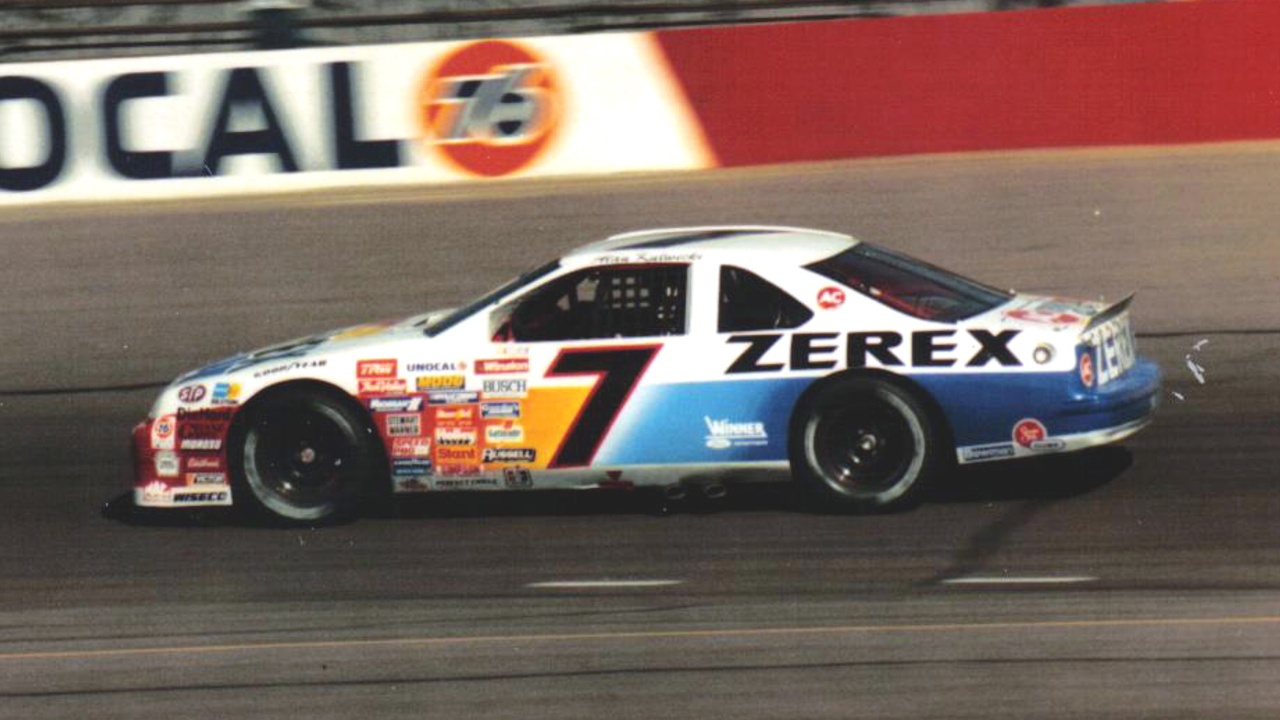
Alan Kulwicki did not look like the future of stock car racing’s power structure. He looked like the guy who would fix your suspension, explain the physics behind it, then beat you with the same car on Saturday night. His underdog championship run did more than steal a trophy from the giants of the garage, it rewired what a “small team” could dare to believe long after the champagne dried.
His story starts in a Wisconsin shop and ends with a title that still makes engineers, dreamers and budget racers sit up a little straighter. The legacy of that improbable climb, from local short tracks to the top of the Winston Cup heap, still shapes how drivers are developed, how teams think about data, and how fans define a true long shot.
The engineer from Greenfield who brought a slide rule to a knife fight
I like to think of Alan Kulwicki as the kid in class who not only did the homework, he corrected the textbook. Born in Greenfield, Wisconsin, he came up through local short track racing, learning to win the hard way, one setup change and one late-night repair at a time, before working his way into the national stock car scene as both a driver and a meticulous student of the craft. According to the HISTORY account of his career, he did not just show up with a helmet, he arrived as his own manager, strategist and driver, the racing equivalent of bringing your own toolbox to a corporate boardroom.
That obsessive streak was not just personality, it was competitive advantage. Reporting on his legacy notes that, according to Salowitz, Kulwicki’s intimate understanding of mechanical design and physics gave him an edge in how he tuned his cars and how he communicated with his crew, using engineering insight to help them perform better. In a sport where some drivers still treated the car as a mysterious beast, he treated it like a thesis project, and that mindset would become the backbone of his improbable title run and the template for the development programs that later carried his name.
Building a one-man empire in a land of superteams
When I look at the modern NASCAR landscape of multi-car empires, it is almost comical to remember that Kulwicki went to war with what amounted to a racing startup. He ran his own team, handled his own strategy and operated with a payroll that would not have covered the coffee budget at a powerhouse operation. One account of his career recalls that his organization had maybe 15 paid employees, a number that sounds more like a decent-sized pit crew than a full Cup-level enterprise.
That lean structure forced him to be ruthless about efficiency and brutally honest about risk. There was no safety net, no sister car to test setups, no corporate army to smooth over mistakes. Yet that is exactly what made his eventual championship so seismic. By proving that a fiercely independent outfit could outthink and outwork the giants, he turned his shop into a case study in how brains, preparation and a slightly unhealthy relationship with the rulebook margins could close a massive resource gap.
The “Underbird” and the art of the comeback
Every underdog story needs a symbol, and Kulwicki’s came with a beak. After a crash at Dover, his team rallied over the next few races, and the car that carried their hopes rolled out with “Underbird” emblazoned on the front bumper, a playful tweak of the Thunderbird name that captured exactly how they saw themselves. The Underbird label was not just a joke, it was a mission statement, a reminder that they were not supposed to be in the same conversation as the heavyweights they were busy harassing on the track.
That stretch after Dover showed how stubbornly this group refused to accept the script. Instead of folding, they sharpened their preparation and leaned even harder on Kulwicki’s methodical approach, turning a setback into a rallying point. The Underbird became shorthand for a team that knew it was outgunned on paper but trusted its math, its work ethic and its slightly warped sense of humor more than any budget sheet.
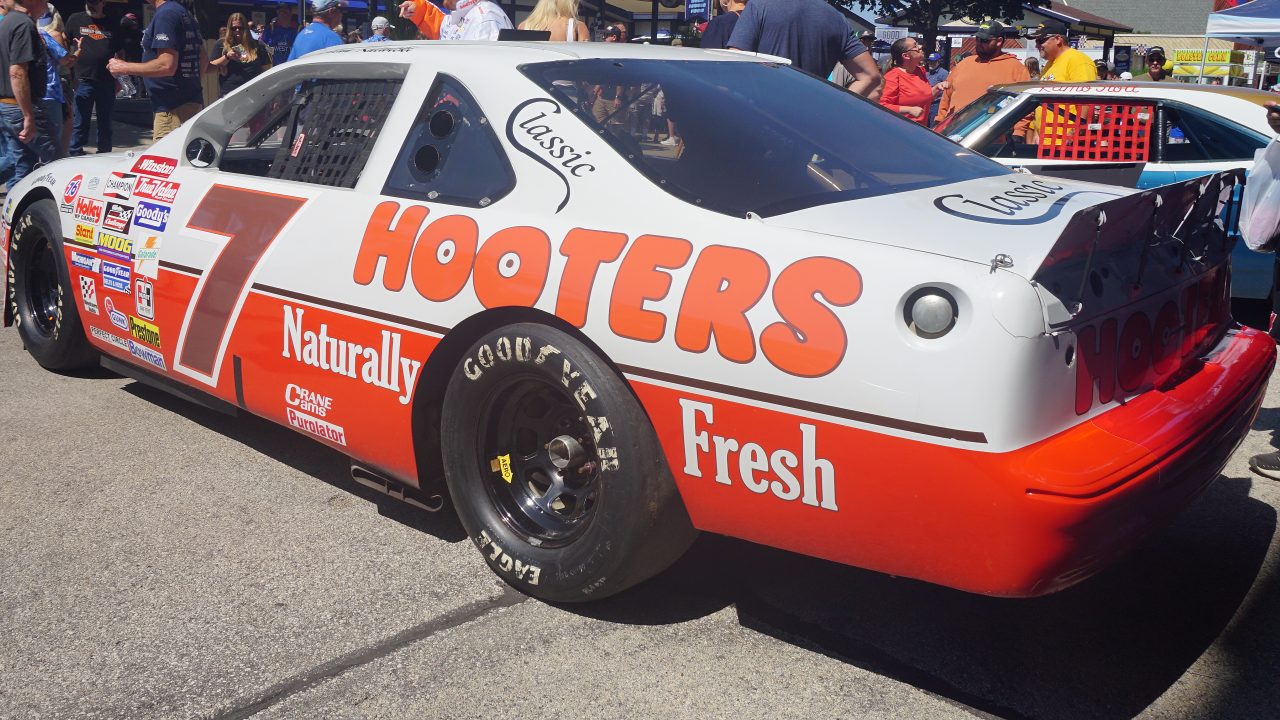
Atlanta, 103 laps, and a 278-point mountain
For all the mythology, the championship itself came down to something beautifully simple: lead the right laps at the right time. In mid-November 1992, at the Hooter 500 at Atlanta Motor Speedway, Alan Kulwicki secured the Winston Cup title by leading 103 laps, a number that mattered as much as any daring pass or pit call. Those laps gave him the margin he needed in the points, turning a season-long grind into a razor-thin triumph that still makes statisticians smile.
The scale of the comeback is what really cements his legend. His signature season was that 1992 campaign, where he overcame a 278-point deficit to claw his way into contention and then snatch the championship from far better funded rivals. That swing was not a fluke, it was the logical conclusion of a year spent squeezing every possible point out of every race, treating stage after stage like a math problem that could be solved with enough discipline and nerve. When the checkered flag fell in Atlanta, the independent engineer from Greenfield had out-calculated the giants, and the sport suddenly had to expand its imagination about what was possible.
The Polish Prince and the legacy that refused to retire
Even before that title, Kulwicki carried nicknames that sounded more like wrestling personas than racing monikers. Alan Dennis Kulwicki was known as “Special K” and “the Polish Prince,” labels that hinted at both his heritage and the quiet swagger that came with beating people who underestimated him. His Hall of Fame profile leans into that identity, describing how his defining season turned “the Polish Prince” into the face of a new kind of champion, one who could be owner, driver and chief strategist without losing his mind or his sense of humor.
The impact did not stop with the final trophy or the tragic end of his life. The HISTORY of the Kulwicki Driver Development Program traces how his approach inspired a formal effort to help young racers who, like him, might have more brains and grit than sponsorship dollars. That program carries forward his belief that a driver should understand the car as deeply as the crew chief, blending engineering literacy with on-track aggression. When modern observers celebrate his legacy, they point to how, according to Salowitz, his tactics and technical understanding still serve as a playbook for those trying to punch above their financial weight.
Why the underdog still matters in a data-driven era
Looking at today’s hyper-polished, simulation-heavy racing world, I find Kulwicki’s story oddly current. He was doing data-driven racing before it became a buzzword, using his knowledge of physics and mechanical design to squeeze performance out of every component long before laptops colonized pit road. The difference is that he did it while also signing the checks, calling the strategy and occasionally inventing new ways to stress out his gasman, Peter Jellen, who once recalled the tension of those tight points battles with a wry “Now what?” as the team stared down the title fight.
That blend of brains, stubborn independence and slightly chaotic charm is why his championship still resonates. The Underbird, the 103 laps at Atlanta Motor Speedway, the 278-point deficit, the tiny payroll of maybe 15 paid employees, the nicknames like “Special K” and “the Polish Prince,” all of it adds up to more than a nostalgic highlight reel. It is a reminder that even in a sport dominated by superteams and wind-tunnel budgets, there is still room for the outlier who insists on doing things his own way, slide rule in one hand and steering wheel in the other.
More from Fast Lane Only: