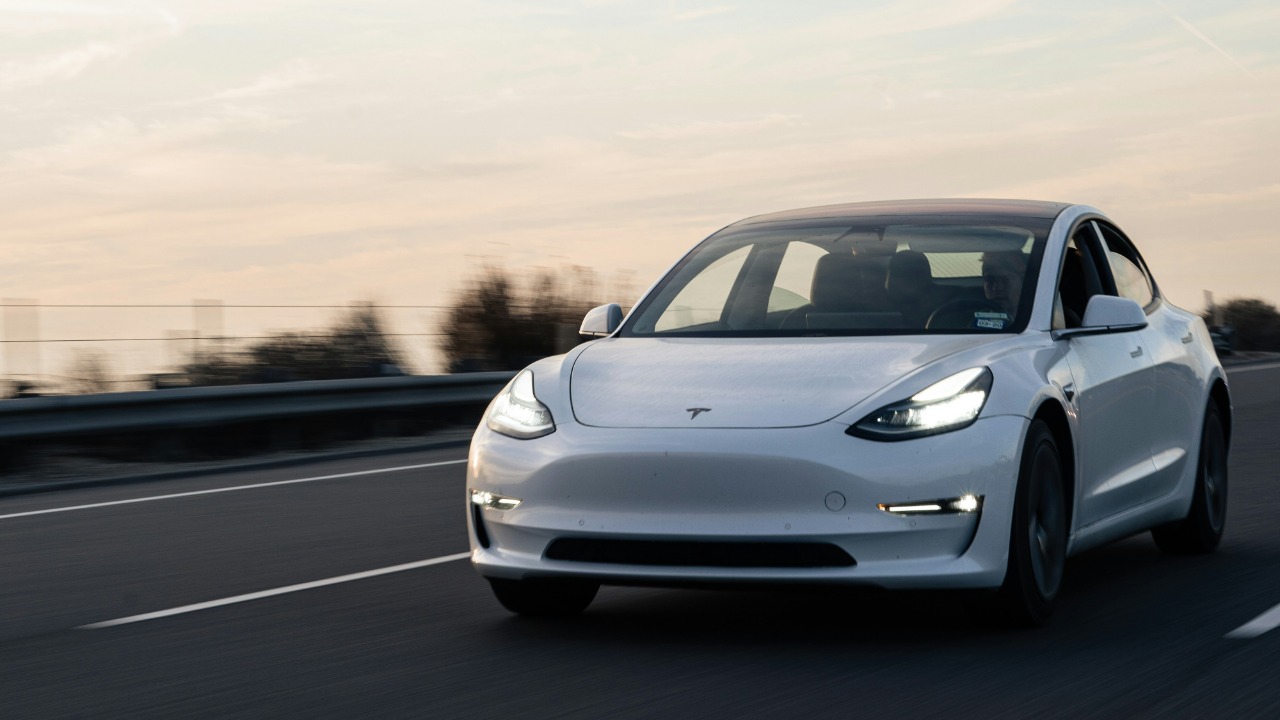
The Tesla Model 3 has rapidly earned its spot as a favorite among electric vehicle enthusiasts, celebrated for its impressive performance, sleek design, and cutting-edge technology. Yet, as more drivers become seasoned Model 3 owners, they’ve stumbled upon a less-talked-about challenge. Let’s delve into this often-overlooked aspect that has been emerging among Tesla Model 3 owners.
Ownership Experience: The Initial Attraction
When I first got my hands on a Tesla Model 3, it felt like stepping into the future. The allure of its cutting-edge technology and sleek design was undeniable. The minimalist interior, dominated by a single central touchscreen, was a refreshing departure from the button-heavy dashboards of traditional cars. It’s not just about looking cool, though; the Model 3 offers impressive performance, with the dual-motor version zipping from 0 to 60 mph in just over 3 seconds. It’s no wonder many of us are drawn to it.
But beyond the tech and speed, there’s a deeper motivation driving many to choose the Model 3: the environmental benefits. Switching to an electric vehicle means significantly reducing your carbon footprint, which is a big deal for eco-conscious consumers. Plus, the promise of saving on fuel costs is a compelling reason to make the leap. I remember calculating how much I’d save on gas alone, and it was a major selling point. With Tesla’s Supercharger network expanding, the convenience of charging on the go makes the Model 3 a practical choice for many.
Unveiling the Hidden Downside
However, not everything is smooth sailing. One of the quirks of owning a Tesla is the frequent software updates. These updates are meant to improve the driving experience, adding new features and fixing bugs. While this sounds great, the reality can be a bit different. There have been instances where updates caused unforeseen inconveniences. For example, some owners reported that an update temporarily disabled their Bluetooth connectivity, which was a headache when trying to take hands-free calls.
Another point of frustration is Tesla’s service and repair process. As much as I appreciate Tesla’s innovation, the complexity of its service system can be daunting. Unlike traditional cars, where you can pop into any mechanic, Tesla requires you to schedule service through their app, and sometimes it feels like you’re at the mercy of their availability. Plus, the wait times for parts or appointments can be long, leaving some owners without their vehicle for extended periods. This process has been a source of stress for many, myself included.
Battery and Charging Concerns
Now, let’s talk about the elephant in the room: battery degradation. It’s a reality that we all have to face. Over time, the battery in any electric vehicle will degrade, meaning it holds less charge and, therefore, reduces the range. While Tesla has been at the forefront of battery technology, and their batteries are more robust than most, the degradation is still something that impacts long-term ownership costs. For instance, some early Model 3 owners have noticed a significant drop in range after a few years.
Another challenge is the charging infrastructure, especially if you live in a rural or less-populated area. While Tesla has an extensive network of Superchargers, they’re primarily located along major highway routes and in urban centers. If you’re in a remote location, finding a convenient charging point can be tricky. I’ve spoken to fellow owners who have had to plan long journeys meticulously to ensure they have enough charge, which can be stressful and time-consuming.
Resale Value and Market Perceptions
Resale value is another consideration that’s been on my mind. The market for electric vehicles is still evolving, and Tesla’s resale values have been fluctuating. While the Model 3 has generally held its value well, there are times when resale prices dip. This fluctuation can be unsettling, especially if you’re someone who likes to upgrade often or is concerned about investment value.
Moreover, the way electric vehicles are perceived in the market can also affect the Model 3’s long-term value. As more automakers enter the EV space, competition is heating up. New models with potentially better range or features are being introduced, which might impact how the Model 3 is perceived by potential buyers. It’s something that anyone thinking about the long-term ownership of a Model 3 should keep in mind.
Community and Support Systems
On a brighter note, the Tesla community is incredibly supportive. There are numerous online forums and local clubs where owners share tips, troubleshoot common issues, and offer advice. When I first encountered a problem with my Model 3, it was a relief to find a community of fellow owners who had experienced the same issues and could offer solutions. It’s heartening to know that you’re not alone in navigating the quirks of Tesla ownership.
As for Tesla’s customer service, it’s a mixed bag. While some owners have had positive experiences, others have found it lacking. Tesla is still a relatively young company, and its customer service infrastructure is growing. They are aware of the concerns and are working to improve, but it’s worth noting that experiences can vary. The good news is that Tesla seems committed to listening to its customers and making continuous improvements, which offers hope for a more seamless ownership experience in the future.
More from Fast Lane Only