

Tesla may lead the charge into the electric future, but it’s no stranger to recalls. Whether it’s software glitches or mechanical missteps, Tesla has had to roll out more than a few do-overs in recent years. With high-tech systems and bold design choices, some problems are bound to sneak through. Here are 10 Tesla recalls that grabbed headlines — including the latest Cybertruck recall that dropped today.
1. Tesla Cybertruck Recalled for Loose Exterior Panels (2025)

Amid protests and acts of vandalism, Tesla issued a new recall for the Cybertruck over a problem with exterior trim panels. According to documents filed with the NHTSA, the panels may not be properly secured, potentially detaching while driving and posing a hazard to both occupants and other vehicles on the road.
Tesla service centers will inspect and refasten the panels free of charge. This comes shortly after the recent accelerator pedal recall and adds another bump in the Cybertruck’s already rocky rollout.
2. Tesla Cybertruck Accelerator Pedal Recall (April 2024)

Tesla also recalled nearly 4,000 Cybertrucks after reports surfaced of accelerator pedals getting stuck. A loose trim piece could trap the pedal in a pressed position, raising serious safety concerns. Tesla responded quickly by redesigning the pedal and rolling out repairs at service centers. For a vehicle meant to be Tesla’s next big thing, the early stumbles are hard to overlook.
In 2023, Tesla had to issue a recall for over 362,000 vehicles equipped with Full Self-Driving Beta. Federal regulators flagged concerns about the software’s behavior in traffic, including risky intersection decisions and inconsistent speed adjustments. Tesla pushed out a software update to address the issues, but it fueled more debate about the safety and readiness of self-driving tech.
4. Rearview Camera Wiring Failure (2021)
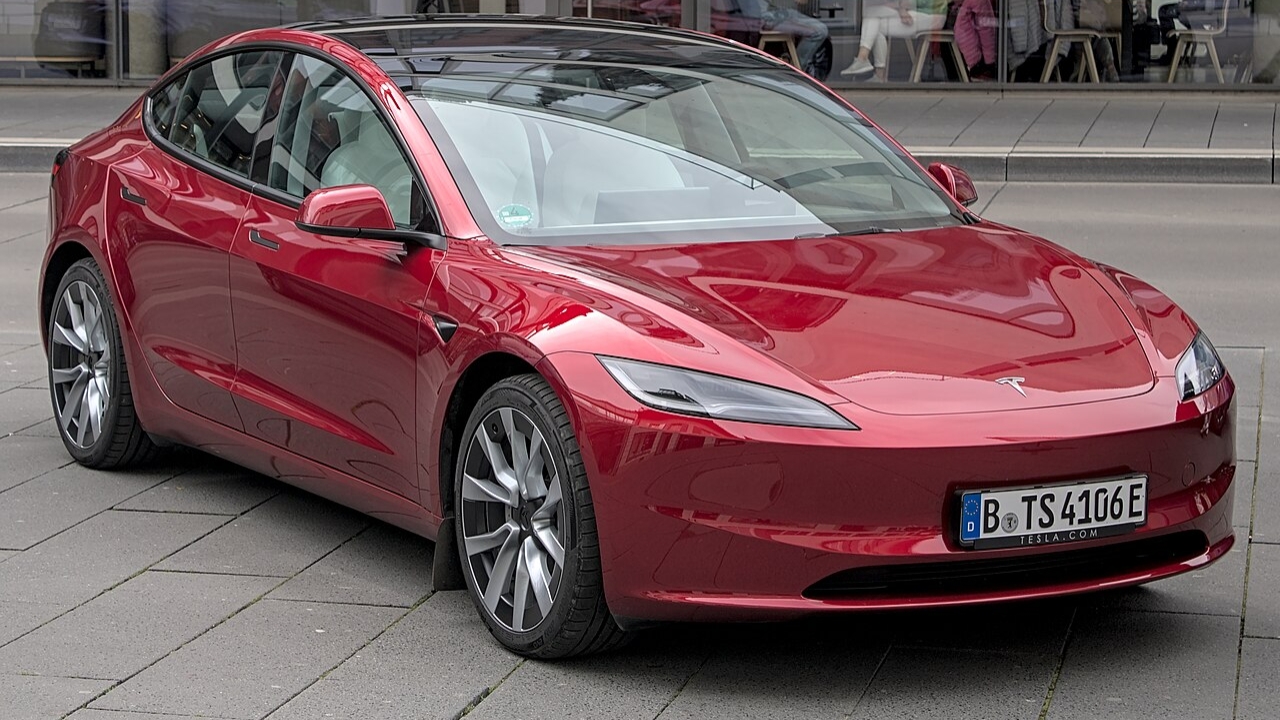
In late 2021, Tesla recalled nearly 475,000 vehicles, including Model 3 and Model S, due to wiring issues affecting the rearview camera. Repeated trunk lid use could damage the wiring harness, cutting off the camera feed entirely.
It wasn’t a glamorous recall, but it was a reminder that even small oversights can compromise safety features we take for granted.
5. Touchscreen Failures in Older Models (2021)

Another 2021 recall affected around 135,000 older Model S and Model X vehicles. The issue? Touchscreens that failed prematurely due to worn-out memory chips.
When the screen dies in a Tesla, you’re not just losing infotainment—you’re losing access to essential controls like climate settings, speed display, and rearview cameras.
6. Seatbelt Chime Glitch (2022)

In early 2022, over 800,000 Teslas were recalled due to a seatbelt chime malfunction. A software bug meant the seatbelt warning didn’t always sound when drivers weren’t buckled in.
Tesla issued an over-the-air update to fix the issue, but it still raised eyebrows about quality assurance in basic safety functions.
7. Power Steering Bolt Corrosion (2022)

Tesla recalled Model S units built from 2017 to 2021 after discovering that power steering bolts could corrode in certain climates. The result? Sudden loss of power steering assist during low-speed turns.
The fix involved bolt replacements and additional corrosion protection. Not a catastrophic flaw, but one that reminded owners that even EVs aren’t immune to old-school wear and tear.
8. Window Pinch Detection Fault (2022)

In September 2022, over 1 million Teslas were recalled for a flaw in window pinch detection systems. The windows didn’t always reverse when something was in the way — like your hand.
Tesla fixed it with a software update, but again, the situation highlighted just how software-dependent these vehicles are.
9. Brake Light Delay With Regenerative Braking (2022)
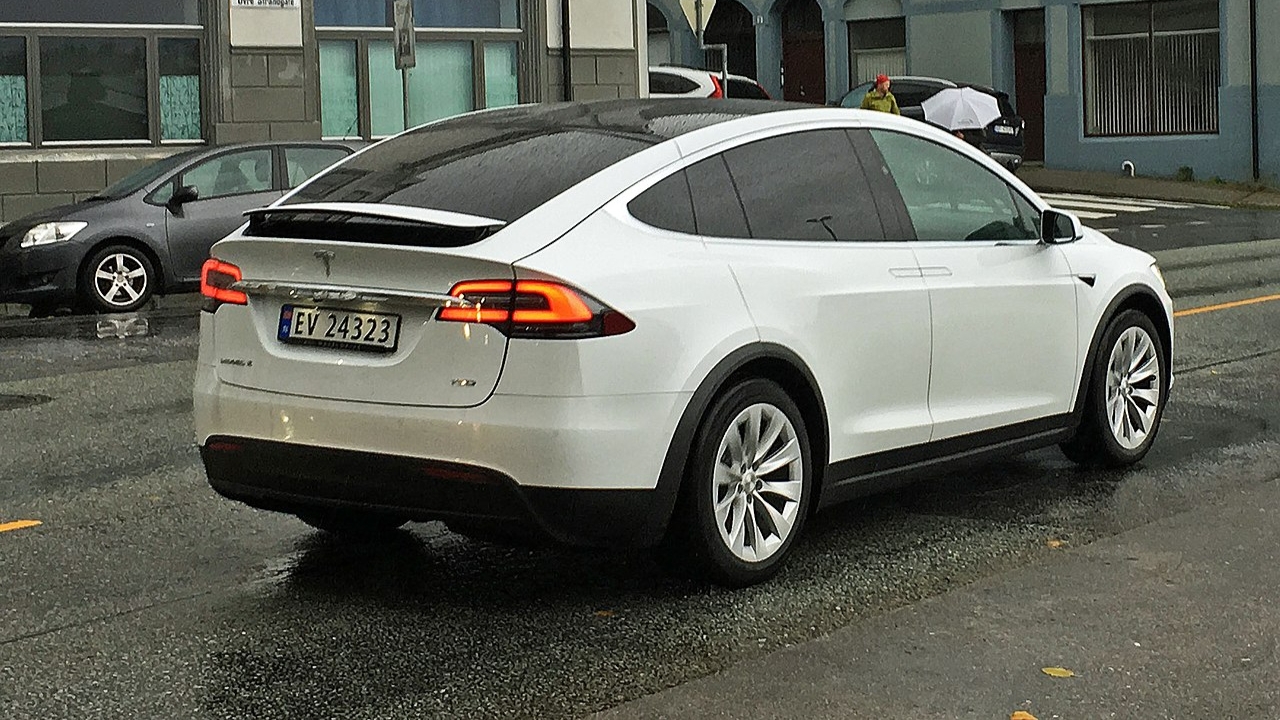
Some drivers noticed their brake lights weren’t triggering immediately during regenerative braking, which could confuse drivers behind them. Tesla addressed the issue with a software tweak, but it called attention to how unique EV behavior can pose safety challenges.
10. Suspension Component Loosening (2020)

Back in 2020, Model S and Model X vehicles were recalled for front upper control arm fasteners that could loosen over time. Tesla initially pushed back, blaming rough driving, but eventually agreed to replace and retorque affected components.
Final Thoughts

Tesla continues to push boundaries, but even cutting-edge machines need adjustments now and then. From finicky software to panel fitment issues, these recalls show that speed and tech can sometimes come at the cost of quality control. The Cybertruck’s latest recall is just the newest chapter in Tesla’s ongoing balancing act between innovation and reliability.
*This article was developed with AI-powered tools and has been car-fully, I mean carefully, reviewed by our editors.



Leave a Reply