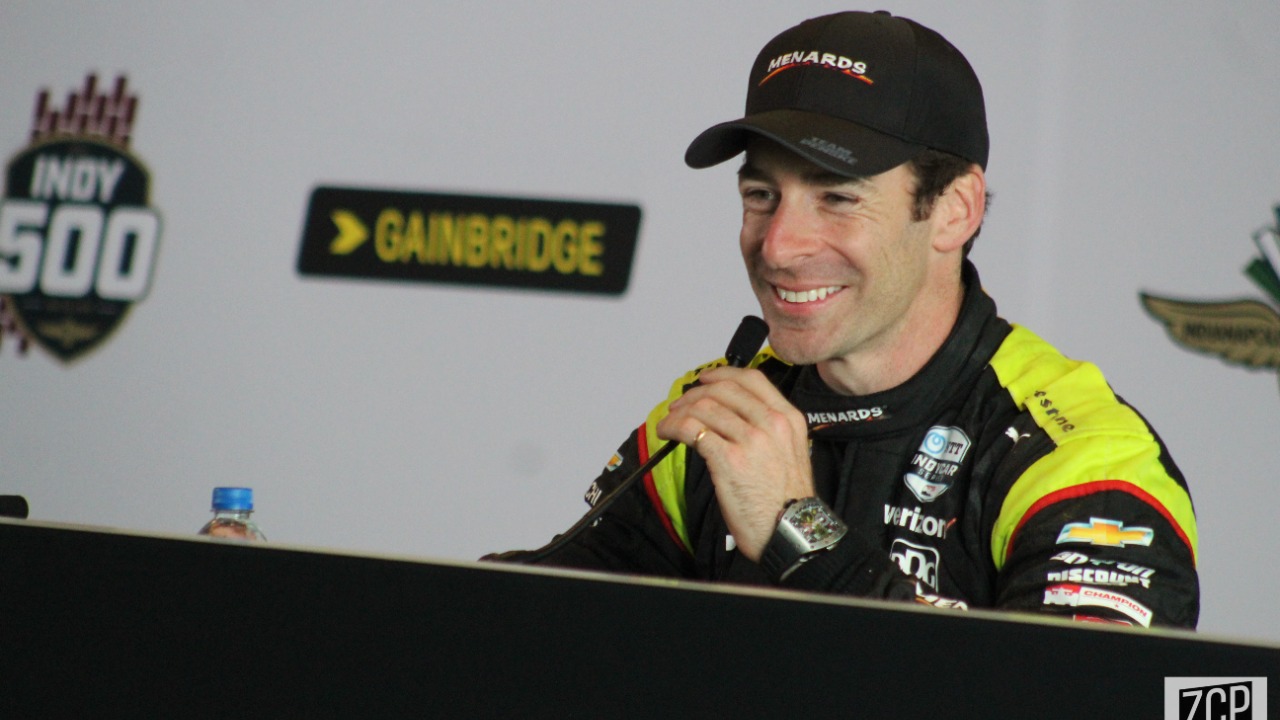
Simon Pagenaud never looked like he was wrestling an Indy car so much as persuading it, politely, to go faster. At Team Penske, that unhurried elegance in the cockpit became a secret weapon, the smooth counterpoint to a stable full of drivers who seemed to attack the steering wheel like it owed them money. His years there showed how a calm, methodical style could thrive inside one of racing’s most ruthlessly efficient operations and, at times, define it.
I want to unpack why that silky approach fit Penske so perfectly, how it helped Pagenaud shine on everything from the IMS road course to the 500, and why even his struggles reveal just how finely tuned his driving philosophy really is.
Why Penske wanted a driver like Pagenaud in the first place
Before Simon Pagenaud ever rolled into the Team Penske shop, the organization already had a reputation for treating excellence like a minimum requirement rather than a compliment. Through the decades, the group has been described as the epitome of class, doing things the right way and serving as a model for other teams that dream of matching what it has been able to accomplish at Indianapolis, a standard that would intimidate most mortals but felt tailor‑made for a driver obsessed with detail. That culture of precision and polish made Pagenaud’s measured, almost surgical style less a personality quirk and more a job requirement, the human equivalent of a torque wrench set to “exactly right” every lap.
When Team Penske added him to its roster, Roger Penske did not exactly undersell the hire, calling Simon Pagenaud a very talented, focused and determined driver and grouping him with teammates who were legitimate championship contenders, a public endorsement that sounded less like a welcome note and more like a performance review delivered in advance. For a driver whose whole identity is built on methodical preparation and calm execution, that kind of expectation is not a burden, it is a blueprint, and it explains why his time in the fourth car never felt like a spare‑parts experiment but a deliberate attempt to add a different, smoother flavor of speed to the lineup.
The smooth operator: how Pagenaud drives differently
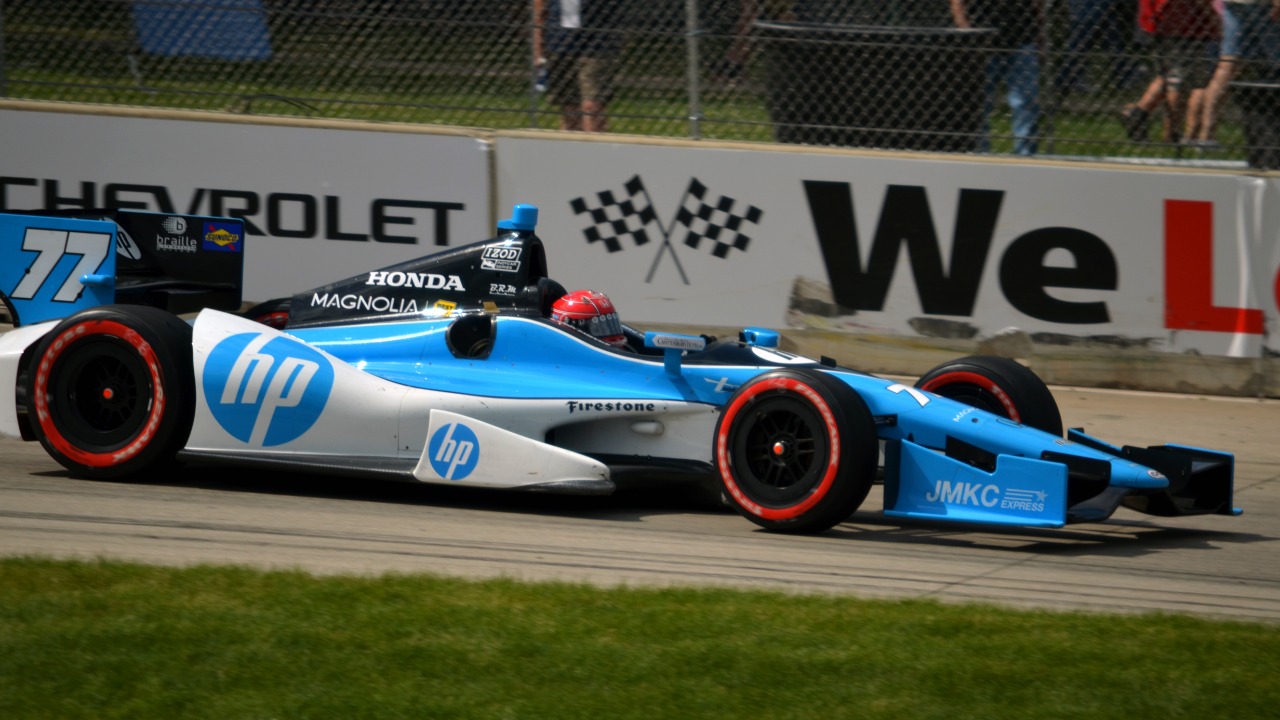
Pagenaud’s style is not just “smooth” in the way commentators use the word when they have run out of adjectives; it is a conscious philosophy that shapes how he attacks a lap. In a conversation that contrasted his approach with Juan Pablo Montoya, he described Montoya as very aggressive in his approach to balance, very aggressive, while casting himself as more of a long‑game strategist who prefers to build a car that comes alive over a stint rather than one that lights up the timing screen for three laps and then eats its own tires. Listening to him talk about that difference, I hear a driver who treats the steering wheel like a fountain pen instead of a hammer, always looking for the cleanest line, the least drama, the most repeatable solution.
That mindset is not just aesthetic, it is practical, especially in a series where tiny setup changes can turn a contender into a midfield mystery. Pagenaud’s background in high‑downforce prototype cars, highlighted by fans dissecting his career in a Reddit Comments Section that notes Simon has a big background in those machines, helps explain why he is so comfortable leaning on aero grip and flow rather than brute‑force rotation. In prototypes, you learn to trust the platform, to keep inputs tidy and let the car’s design do the heavy lifting, and that same discipline shows up in his IndyCar work, where he often looks like he is gliding while others are sawing at the wheel and praying.
Why his style clicked so well at IMS
If you want a case study in Pagenaud’s brand of serenity, you go straight to the IMS road course, where his relationship with the place borders on suspiciously friendly. He has openly attributed a lot of his success on the IMS layout to Team Penske, praising how the organization shines on smooth, flowing circuits and crediting the group’s preparation for the fact that so many of his best results there have come from the pole or from similarly strong starting spots. The way he talks about IMS, it sounds less like a racetrack and more like a well‑worn test track where his style and the team’s engineering notebook meet in perfect harmony.
That harmony turned into hardware when Pagenaud went on to win the inaugural NTT INDYCAR SERIES race on the IMS road course after starting fourth and leading a decisive chunk of the distance, a performance that looked almost suspiciously straightforward from the outside. While others bounced over curbs and flirted with disaster, he simply kept hitting his marks, lap after lap, as if the circuit had been designed specifically to reward his brand of unflustered precision. For a driver whose calling card is making speed look boringly efficient, IMS has been the ultimate stage, a place where his calm approach does not just work, it dominates.
How that smoothness translated to the 500 cauldron
Of course, nothing tests a driver’s temperament like the 500, where the pressure is thick enough to cut with a front wing and the temptation to overdrive lurks in every mirror. Pagenaud’s run to victory in the 500 showed that his smooth style is not code for “passive,” it is a way of storing aggression for when it actually matters. In the closing laps he found himself in a late duel with 2016 winner Alexander Rossi, and instead of panicking or throwing desperate blocks, he produced a final push that proved just how badly he wanted that win, matching Rossi’s intensity while still looking like the calmer of the two in the cockpit.
What stood out to me in that fight was how Pagenaud’s composure under fire mirrored the way he talks about learning in traffic at Indy. He has said that You learn so much when you are in traffic at the back, a line that sounds almost suspiciously zen for someone slicing through dirty air at 220 mph, and it captures how he treats even bad days as data‑gathering missions. That mindset, honed over years of working with Team Penske’s engineers and absorbing every lesson the 500 can offer, turned him into the kind of driver who can bide his time, understand how the car behaves in the pack, then unleash that knowledge when the race finally comes to him.
When the car stopped suiting the driver
For all the poetry of Pagenaud’s style, there came a point when the machinery stopped singing the same tune, and the aeroscreen era exposed just how specific his comfort window really is. He has been candid about the fact that the new safety device created an aeroscreen‑induced weakness in his package, explaining that it is not private and that he has been working to understand why the car’s balance with the added weight and altered airflow kept him from reaching its full potential. In other words, the same sensitivity that made him a master of fine margins also meant that a big structural change could throw his whole rhythm off.
Fans trying to reverse‑engineer his dip in form have pointed back to that prototype background and the way he prefers a stable, predictable platform, arguing that the aeroscreen’s impact on weight distribution and feel made it harder for him to get to grips with the changes. One detailed breakdown noted that Simon has a big background in high‑downforce prototype cars and suggested that the new era demanded a different kind of aggression that did not always play to his strengths. I see that not as an indictment of his style but as proof of how tightly it is wired to the car’s behavior, a reminder that even the smoothest operator needs the right instrument if he is going to play his best notes.
Why Pagenaud still feels like the quintessential Penske fit
Even with those later challenges, Pagenaud’s time at Team Penske still reads like a case study in how a driver and organization can amplify each other’s best traits. The team’s long‑standing reputation for doing things the right way, summed up in the idea that Through the decades, the team has been the epitome of class and a model for others, meshes perfectly with a driver who treats every lap like a craft project and every debrief like a graduate seminar. In a paddock full of big personalities and bigger egos, he brought a kind of quiet intensity that fit the Penske brand as neatly as the white gloves in the victory‑lane photos.
That is why I keep coming back to the way he talks about his own approach, calmly dissecting balance, traffic and race craft in interviews that sound more like engineering roundtables than highlight reels. In one sit‑down, the Frenchman contrasted his methodical style with Montoya’s very aggressive approach, a reminder that even inside the same team, there is room for very different ways of going fast, and that Penske deliberately chose to stock its roster with complementary philosophies rather than carbon copies. When I look at Pagenaud’s tenure there, from IMS road course dominance to 500 glory and even through the aeroscreen headaches, I see a driver whose smoothness was never just a visual flourish; it was the organizing principle that made him stand out in one of the sharpest operations in motorsport, a quiet force in a team built on relentless, polished speed.
In the end, that is what makes his Penske chapter so compelling to me: not just the trophies, but the way his calm, almost understated style became a mirror for the organization itself. The team that prides itself on immaculate preparation found a driver who races the same way, and for a while, the result was as close to frictionless as top‑level motorsport ever gets.