Luxury car tax sounds like a punishment for people with taste, but in reality it is a targeted way for governments to raise revenue from high‑end purchases without touching everyday essentials. When a vehicle’s price crosses a set threshold, the tax rate can jump sharply, turning a prestige upgrade into a much more expensive decision. Understanding how that trigger works, and why lawmakers single out costly cars, is essential if you are shopping at the top end of the market or simply trying to make sense of the policy debate around it.
What a luxury tax actually is
At its core, a luxury tax is a surcharge on goods that are considered non‑essential and high value, layered on top of standard sales or excise taxes. Instead of taxing income directly, governments use this tool to focus on discretionary purchases, from jewelry and yachts to expensive cars, on the logic that people who can afford these items can also afford to contribute more in tax. One widely used definition describes a luxury tax as a sales or surcharge tax applied to non‑essential, high‑value items, a category that explicitly includes high‑priced vehicles alongside other status goods such as watches, boats and private jet planes.
The political appeal of this approach is straightforward. By targeting high‑end consumption, lawmakers can claim they are raising money from “luxury” spending rather than from basic needs, which can be more palatable to voters. Analysts note that this kind of tax is often framed as a way to increase revenue without taxing the general populace, since only buyers of non‑essential, high‑value items face the extra charge. That framing runs through technical discussions of what a luxury tax is, which stress both its narrow base and the political sensitivity of deciding what counts as “luxury” in the first place.
Why cars are a prime target
Cars sit in a grey zone between necessity and indulgence, which makes them a natural focus for luxury tax debates. A basic sedan that gets someone to work is hard to classify as a luxury, but a six‑figure sports car or a heavily optioned SUV looks very different to policymakers. Historically, when governments have drawn up lists of taxable luxury goods, they have put expensive cars in the same basket as jewelry, yachts and private aircraft, as shown in historical accounts of luxury tax measures that covered “material goods such as watches, expensive furs, boats, yachts, private jet planes, jewelry and expensive cars.”
There is also a practical reason cars keep ending up in the crosshairs. High‑end vehicles are big‑ticket, visible purchases that are relatively easy to track through registration and dealer records, which makes enforcement more straightforward than on some other luxury items. When analysts describe how a luxury tax works in practice, they often point to cars as a textbook example of a non‑essential, high‑value good that can be singled out without affecting basic transportation for most households. That visibility, combined with the symbolism of a high‑priced car in a driveway, helps explain why expensive vehicles are so frequently chosen as the trigger point for these policies.
How luxury car tax thresholds and rates work
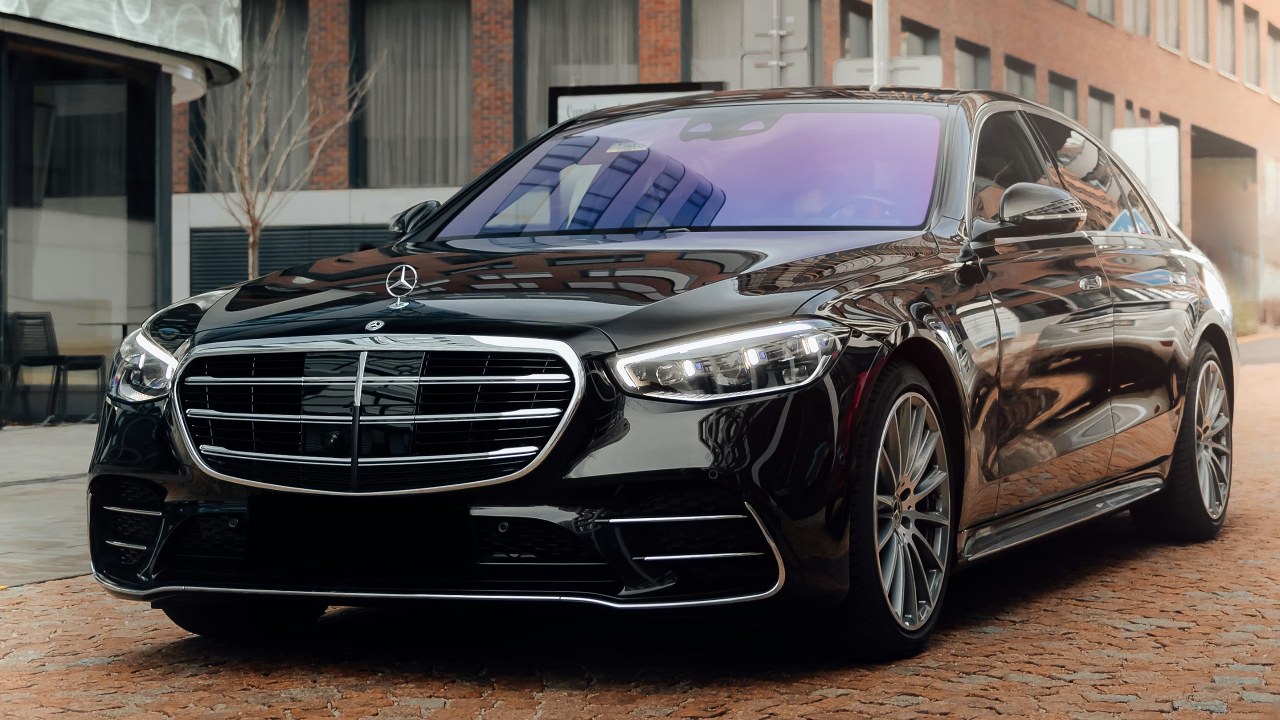
Luxury car taxes rarely apply to every vehicle on the road. Instead, lawmakers set a price threshold and then apply an extra rate only to the portion of the selling price above that line, or in some cases to the full price once the threshold is crossed. The design can vary, but the principle is the same: a base level of car spending is treated as ordinary consumption, while anything beyond that is treated as a luxury. In technical descriptions of luxury tax mechanics, this threshold structure is highlighted as a way to focus the burden on wealthier consumers while sparing buyers of more modest goods.
Real‑world rules show how sharp that line can be. One example is the “luxury motor vehicle tax” used in Washington state, which is defined as an 8 percent tax on the amount of the selling price or fair market value of a vehicle above a set threshold, on top of the normal motor vehicle sales or use tax. The state’s guidance on the luxury motor vehicle tax makes clear that the extra 8 percent applies only to the portion of the price above the threshold, which means a buyer of a car just under the line pays nothing extra, while a buyer of a car just over it can see thousands of dollars added to the bill. That cliff effect is exactly why the threshold level, and how it is adjusted over time, becomes such a contentious part of the policy.
Lessons from past luxury car tax experiments
Luxury car taxes are not a theoretical exercise, they have been tried before with mixed results. In the United States, federal lawmakers once imposed a luxury excise tax on passenger vehicles, alongside similar levies on other high‑end goods, with the goal of raising revenue from affluent consumers. A detailed review of the federal luxury excise tax on passenger vehicles notes that the policy was justified as a way to increase tax revenues, but it quickly ran into criticism from automakers and dealers who argued that it depressed sales of higher‑priced models and threatened jobs in segments that relied on those margins.
Those critics raised several specific arguments. They warned that taxing expensive cars would not only hit wealthy buyers but also the workers who build and sell those vehicles, and they questioned whether the revenue gains justified the economic disruption. The same report on the luxury excise tax recounts how these concerns, combined with evidence that buyers were delaying or downgrading purchases to avoid the tax, eventually helped persuade Congress to phase the levy out. That history is a reminder that while luxury car taxes can look clean on paper, their real‑world impact on behavior and industry can be far more complicated.
Why expensive cars keep triggering new proposals
Despite those past setbacks, expensive cars continue to feature in new luxury tax proposals because they sit at the intersection of revenue needs, fairness arguments and environmental concerns. Policymakers who favor these taxes often argue that high‑end vehicles are a visible marker of discretionary wealth, so adding a surcharge on them is a way to ask more from those with greater ability to pay without touching basic transportation. That logic echoes the broader rationale for luxury tax policy, which is framed as a way to raise money from non‑essential, high‑value purchases rather than from everyday necessities.
At the same time, the definition of “luxury” in the car market keeps shifting, which complicates the politics. Features that were once reserved for top‑tier models, such as advanced driver assistance or large touchscreens, have filtered down to mid‑range vehicles, while some of the most expensive cars now justify their price with cutting‑edge electric powertrains or safety technology. Analysts who map out the complexity of defining luxury items point out that this moving target makes it harder to draw a clean line between necessary and indulgent spending. That is why any luxury car tax, whether at the state level like Washington’s luxury motor vehicle tax or in broader national debates, tends to spark intense arguments over where the threshold should sit and which models truly deserve to trigger it.
More from Fast Lane Only: