The 1950s did not just introduce new products, they introduced new archetypes, from the gleaming family car to the picture-perfect bride and the impeccably groomed suburban mother. Almost overnight, these models of how to live, love, dress, and even pose for the camera hardened into expectations that still echo through advertising and social media. As I trace those shifts, I keep coming back to how quickly a few powerful images rewired what people believed a “normal” life should look like.
The showroom car that redefined success
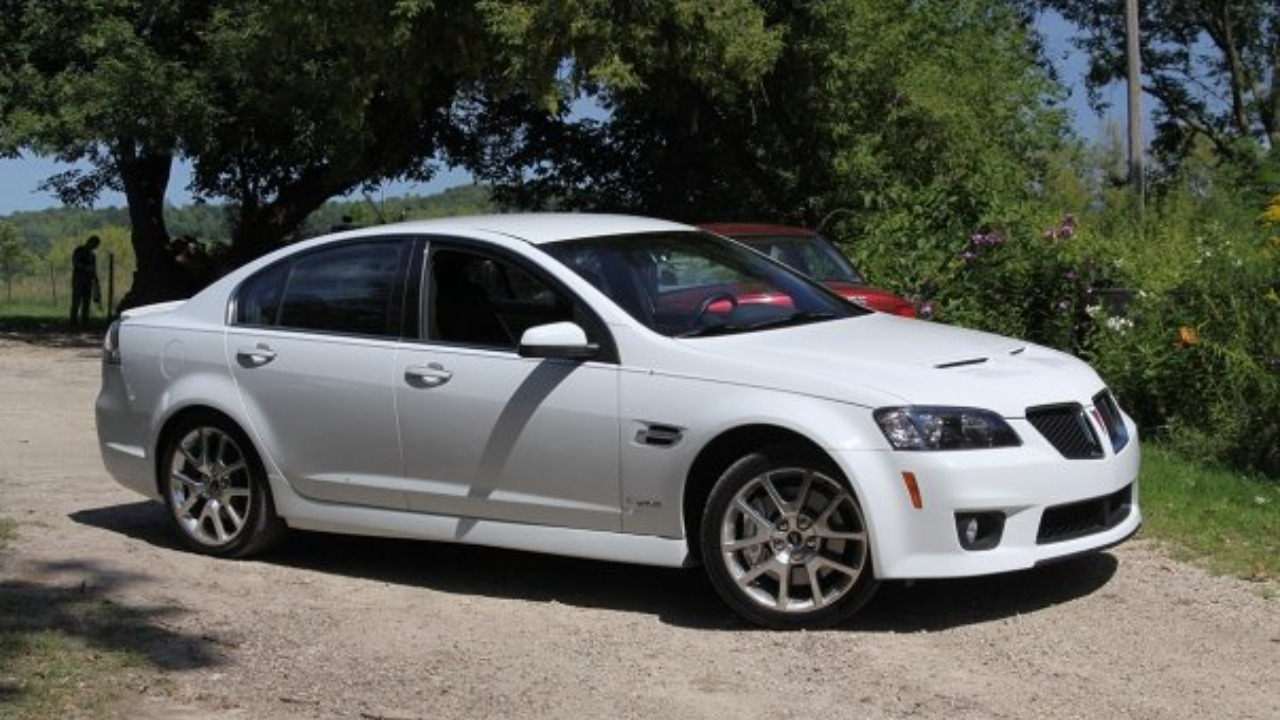
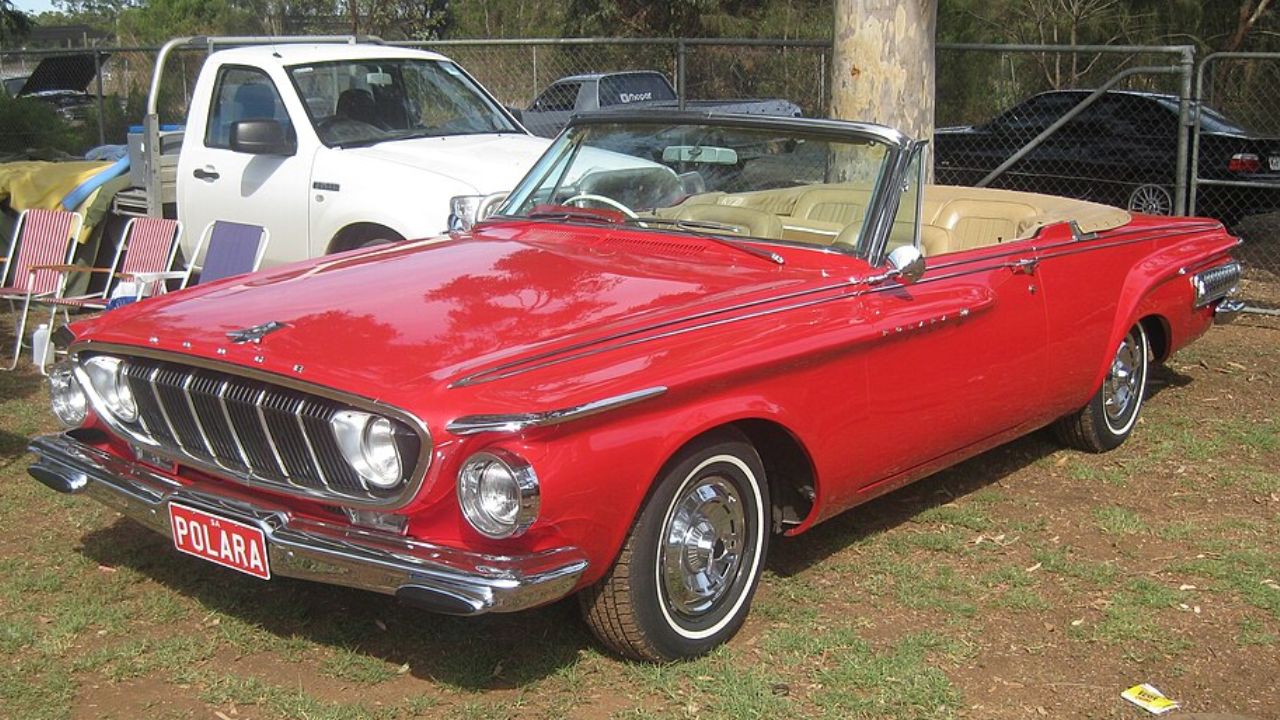
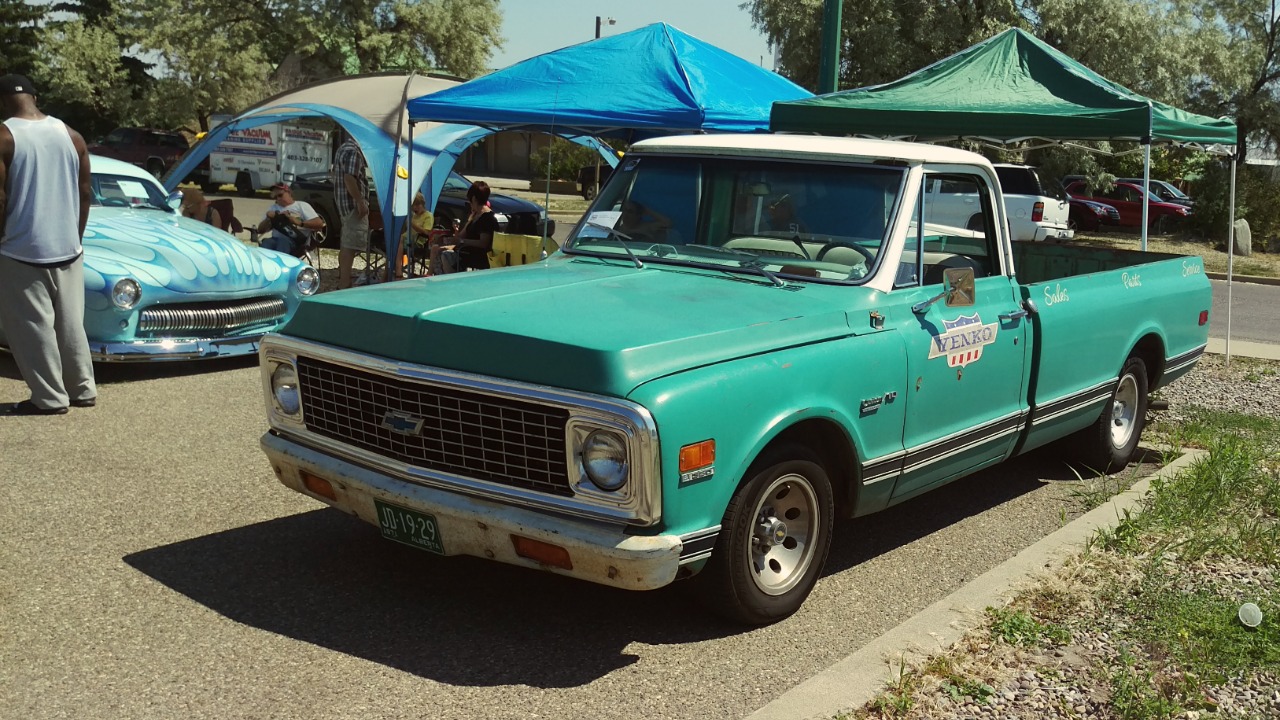
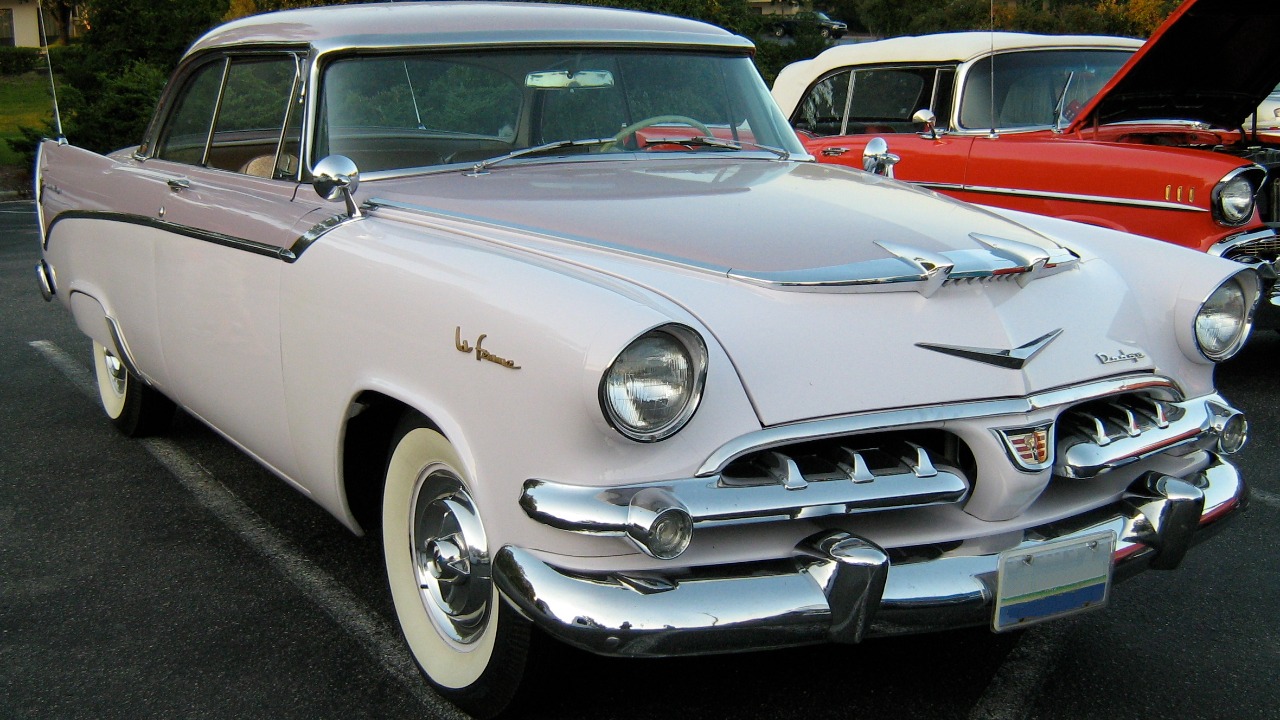
When I look at the 1950s, I see the family car as one of the clearest examples of a model that reset expectations in a single decade. By the middle of that era, automobiles had overtaken packaged goods and cigarettes as the most heavily advertised products, a pivot that signaled how central the car had become to the American dream of prosperity and mobility. Advertising did not just sell transportation, it sold the idea that a driveway with a shiny new model in it was proof that a household had arrived, and that expectation seeped into everything from neighborhood status games to where suburbs were built.
That shift was not accidental, it was engineered by marketers who framed car ownership as a personal extension of identity. By the time those campaigns hit their stride, people were encouraged to see vehicles as extensions of themselves, with tailfins, chrome, and color palettes mapped to personality types. A separate overview of the decade notes how this period became a hinge point in marketing history, as brands learned to sell lifestyle as much as product and turned the car into a rolling billboard for middle class aspiration, a pattern that still shapes how SUVs and electric vehicles are pitched today through status, not just specs, in sources like history of the 1950s.
The “model” 1950s mother and the suburban script
If the car was the hardware of the new postwar ideal, the suburban mother was its operating system. The image of American women in the 1950s was heavily shaped by popular culture, which promoted the ideal suburban housewife who cared for the home and family and appeared in magazines, the movies, and on television as a smiling constant. That ideal was not neutral, it told women that fulfillment meant spotless kitchens, well behaved children, and a husband whose career took center stage, and it told men that this support system would be waiting at home as they drove those newly advertised cars to work.
When I read period advice on how to be a “model” parent, the expectations feel both precise and relentless. One guide insists that You do not let your newly added duties prevent you from careful grooming and dressing, folding self care into the same category as hygiene so that looking polished becomes a non negotiable part of motherhood. Archival material from the period underscores how the image of the American housewife was curated, with American women depicted as content in domestic roles even as many had worked outside the home during World War II. That contrast between lived experience and promoted ideal set up a tension that later feminist movements would challenge, but in the 1950s it functioned as a powerful template for what a “good” life should look like.
The ad campaigns that turned style into a standard
Advertising in the 1950s did more than mirror these social roles, it stylized them into something glossy and irresistible. The decade is often described as a golden age of marketing, when agencies in New York became the epicenter of creative experimentation and big brands poured money into campaigns that fused art, psychology, and salesmanship. Those campaigns helped cement the idea that a single image, whether of a mother at a gleaming stove or a couple in a convertible, could define an entire lifestyle that consumers were expected to chase.
Visually, the period’s print work set a template that still feels familiar. Playful illustrations and clean typography were staples of 1950s ads, as seen in campaigns for brands like Dixie Cups and Motorola, which used cheerful characters and crisp layouts to make consumption look lighthearted and modern. A broader look at 1950s ads shows how that mix of whimsy and order became a design language for the era, one that made even mundane products feel like tickets into a brighter, more organized life. Marketing analysts later described the 1950s and 1960s as a transformative time in marketing history, with Jan highlighting how agencies in that period turned Madison Avenue into the epicenter of marketing brilliance, a shift that helped lock in the idea that brands could define social norms as much as respond to them.
The wedding as a lifelong benchmark
Few 1950s models have proved as durable as the modern white wedding. Earlier in the twentieth century, ceremonies varied widely by class and region, but by the middle of the century weddings began to look like the ones many people imagine today, with engagement rings, white dresses, tiered cakes, and a reception as standard features. That package of rituals did not just describe a party, it set a benchmark for romance and adulthood, suggesting that a “real” commitment came wrapped in tulle, diamonds, and a carefully staged photo of the first dance.
What strikes me is how quickly that template hardened into an expectation that couples still feel pressure to meet. Reporting on how Weddings evolved notes that once those elements became common, they were treated less as options and more as requirements, even for people who could not easily afford them. The 1950s also coincided with a boom in consumer photography and fashion imagery, and as bridal magazines circulated idealized images of veils and bouquets, they turned a single day into a lifelong reference point for what love should look like. In that sense, the wedding became another 1950s model that set expectations overnight, one that still shapes how couples plan, spend, and even judge their own relationships.
The fashion image, from postwar glamour to today’s backlash
Behind all these models sat another powerful 1950s invention, the fashion photograph that treated clothes, bodies, and poses as a unified fantasy. After World War II, dramatic fashion changes came about as rationing ended and designers embraced fuller skirts, structured tailoring, and luxurious fabrics, and that shift also meant that fashion photography drastically changed. Photographers began staging elaborate sets and using lighting to sculpt silhouettes, turning models into almost sculptural figures that embodied a narrow ideal of beauty and elegance.
Those images did not exist in a vacuum, they were part of a longer history of performance and spectacle that stretches back to theatrical forms like masques, which eventually declined in the late seventeenth century as audience expectations shifted towards more relatable narratives. A detailed account of masques shows how earlier eras also wrestled with the tension between idealized spectacle and everyday life, a tension that resurfaced when glossy magazines filled with postwar couture hit newsstands. In the decades since, the fashion industry has been known as having certain expectations when it comes to models and their look, but Today figures like model Winnie Harlow are changing the game and shattering these expectations by insisting that confidence and individuality matter more than fitting a single mold. That pushback echoes the way audiences once moved away from rigid theatrical forms, and it suggests that even the most entrenched 1950s models are not immune to revision.
Looking back, I see the 1950s as a decade that compressed social change into a handful of instantly recognizable images, from the driveway car and the suburban kitchen to the bridal aisle and the fashion spread. Each of those models promised stability and happiness, but they also narrowed the range of lives that felt acceptable, a trade off that later generations have been unpacking ever since. As new technologies and platforms create their own overnight expectations, from filtered selfies to curated feeds, the lessons of that era feel less like nostalgia and more like a reminder to ask who benefits when a single way of living is sold as the only way to be.
Unverified based on available sources.
Fashion After the Second World War Dramatic shifts in style and imagery, shaped by World War II and the Second World War, still frame how I read those mid century photographs, because they show how quickly a new visual language can reset what audiences think beauty should be.