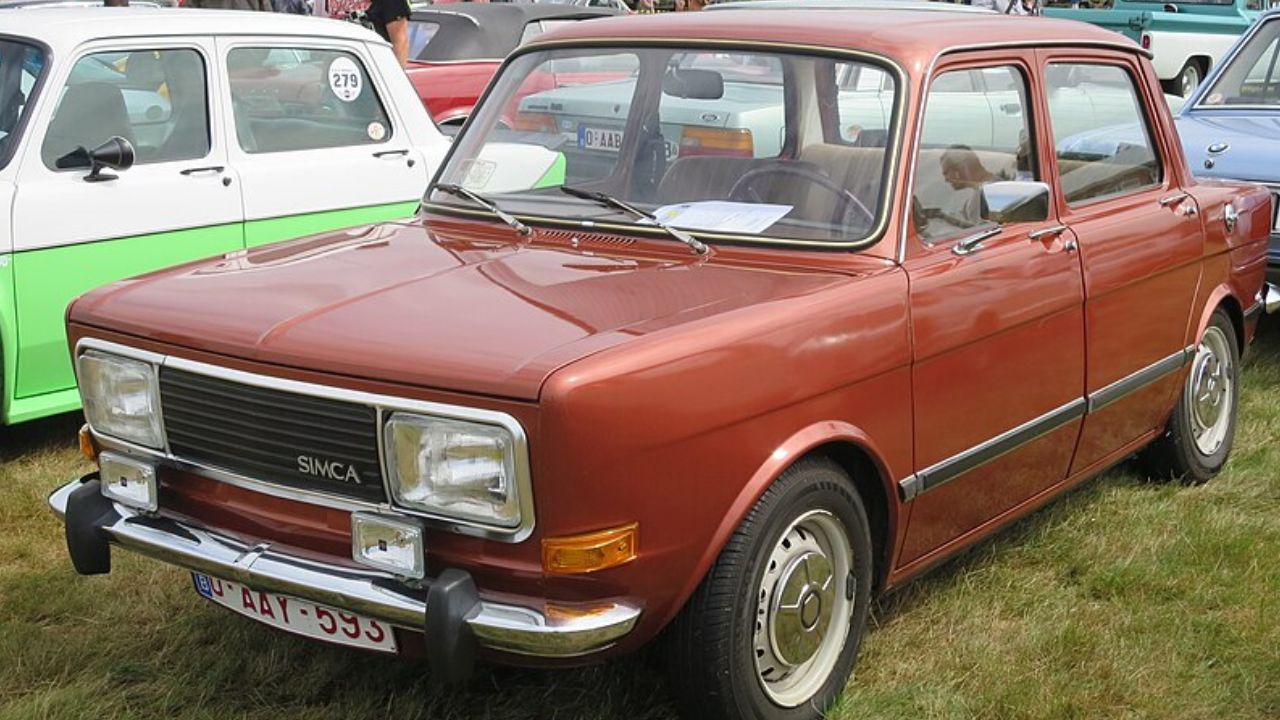
In an era dominated by heavyweight sedans and lumbering family cars, the 1962 Simca 1000 Rallye emerged from France as a surprising underdog with real bite. Compact, rear-engined, and unexpectedly lively, this scrappy little sedan carved out a reputation far bigger than its footprint. Built on humble origins but tuned for spirited driving, the Rallye became a favorite among young European drivers looking for an affordable way to have serious fun behind the wheel. In this article, we dive into how Simca took a modest economy car and turned it into a motorsport-flavored marvel that left a lasting impression on European roads—and racing circuits alike.
The Simca 1000 Rallye: A European Icon
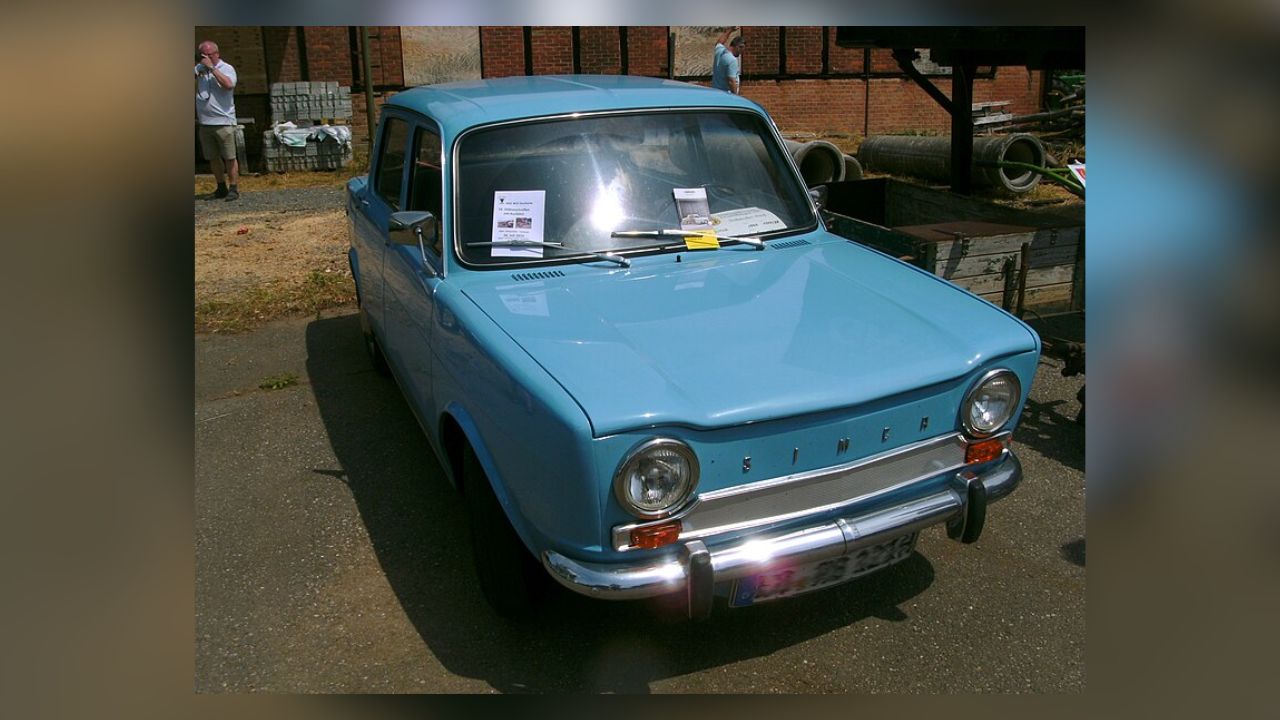
The Simca 1000 Rallye, introduced in 1962, quickly became an iconic presence on European roads and racetracks. Known for its unique design and impressive performance, this compact car left a lasting impression, earning a special place in automotive history.
The Birth of the Simca 1000 Rallye in 1962
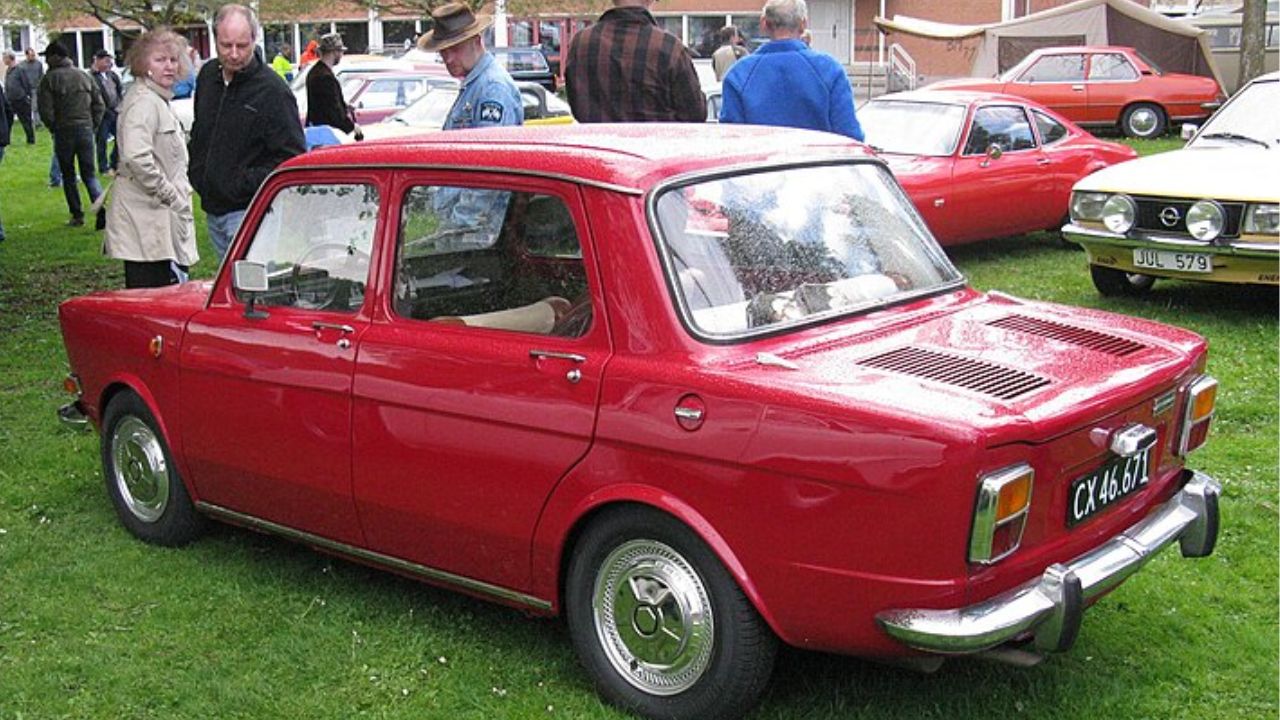
The Simca 1000 was launched in 1962 as a response to the growing demand for compact, affordable cars in Europe. Designed by Fiat’s Dante Giacosa, this model was a collaboration between French automaker Simca and Fiat. The car quickly gained popularity due to its affordability and practicality, making it a favorite among young drivers and small families.
As the model evolved, the Rallye version emerged, designed specifically for performance enthusiasts. The Simca 1000 Rallye combined the original’s compact design with enhanced engineering, making it a formidable contender in the growing world of rally sports.
Design Features that Set the Simca 1000 Apart
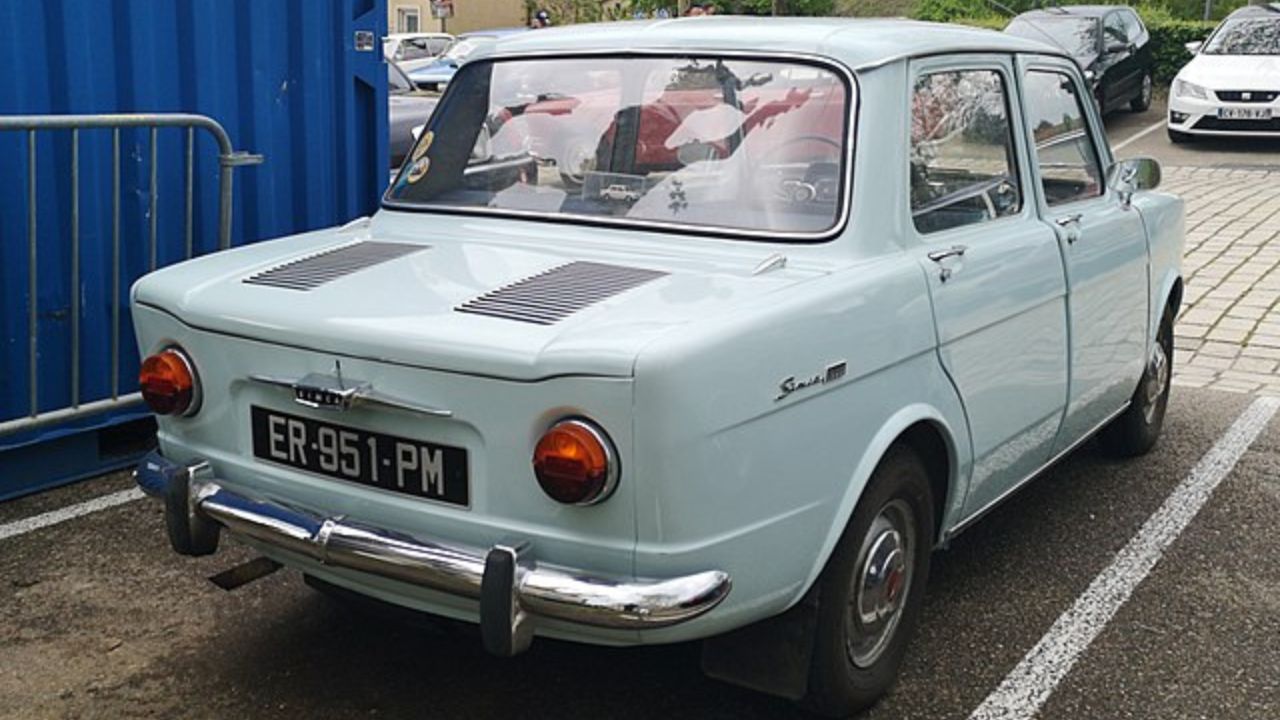
The Simca 1000 Rallye boasted a distinctive design that set it apart from other vehicles of its time. Its compact body featured clean lines and a straightforward aesthetic that was both functional and attractive. The inclusion of round headlights and a unique rear-engine configuration made it stand out in the crowd.
Inside, the Simca 1000 offered a minimalist yet functional cabin. With an emphasis on driver comfort and visibility, it provided a surprisingly spacious interior for its size. These design features helped cement its status as a popular choice for those seeking both style and substance in a compact car.
The Engine: Performance and Specifications
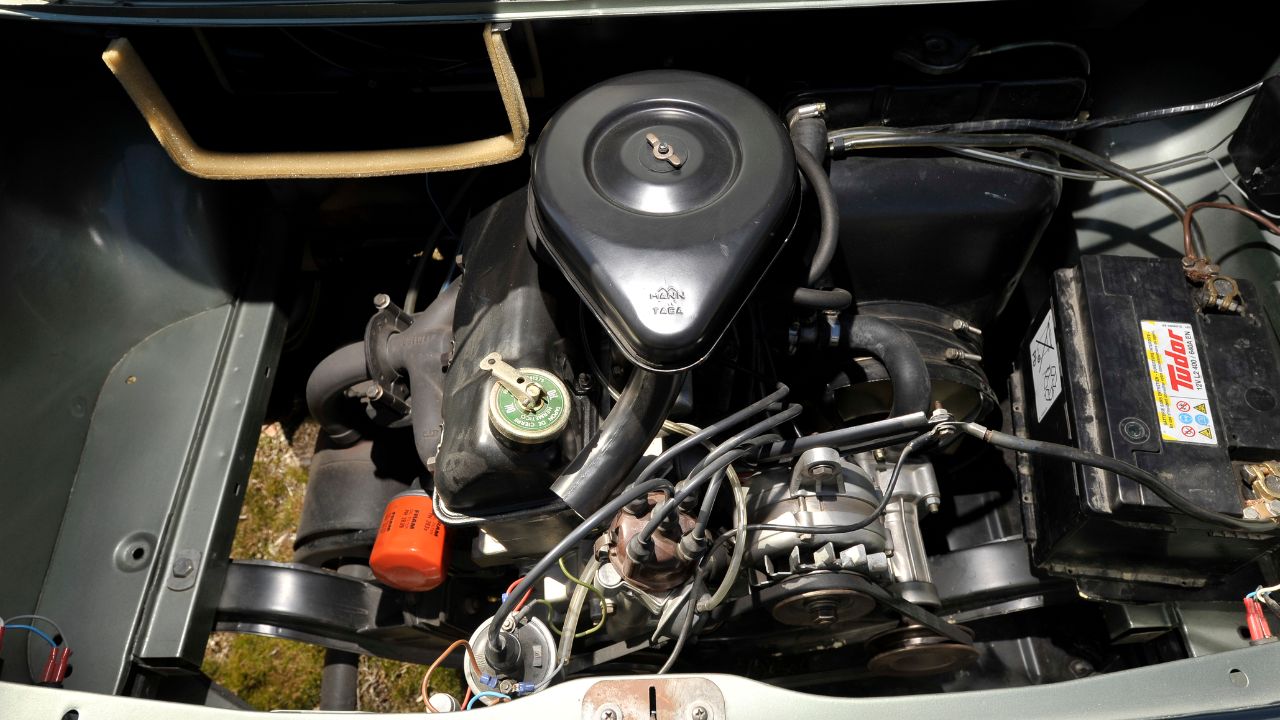
At the heart of the Simca 1000 Rallye was a potent engine that delivered impressive performance. The 1000cc engine was capable of producing up to 60 horsepower, a significant figure for a car of its size. This power, combined with the lightweight body, allowed the Rallye to achieve remarkable speeds and agility on the road.
The performance specs made it an ideal candidate for racing and rallying, and its engineering prowess can be explored further in various automotive publications. The car’s engine and performance capabilities were key factors that contributed to its success on the rally circuit.
The Rallye’s Impact on European Motorsports
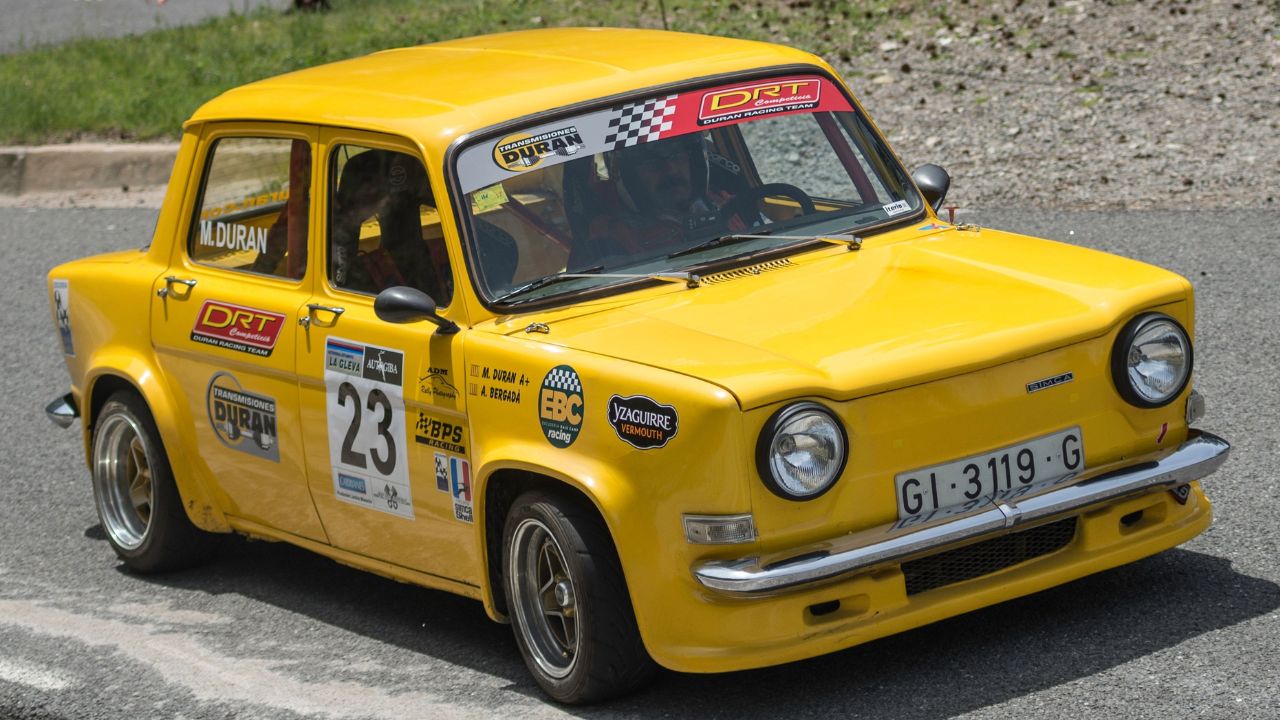
The Simca 1000 Rallye’s introduction had a significant impact on European motorsports. It became a popular choice in rally competitions due to its nimble handling and robust performance. The car’s success in these events helped solidify its reputation as a serious contender in the automotive world.
Its presence in motorsports attracted a dedicated following and inspired many young drivers to participate in rally events. The Simca 1000 Rallye’s influence extended beyond the racetrack, as it contributed to the development of future rally cars and inspired a generation of automotive enthusiasts.
Popularity and Cultural Influence Across Europe
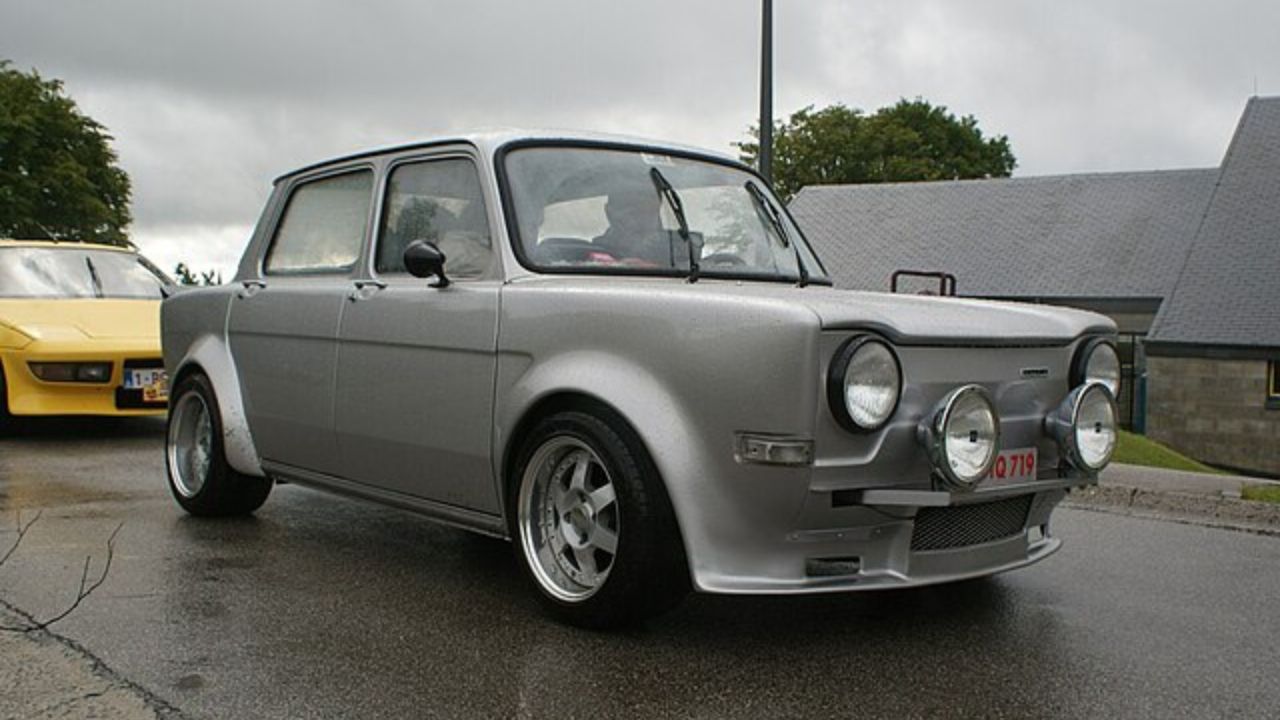
Beyond the racetrack, the Simca 1000 Rallye became a cultural icon across Europe. Its affordability and performance made it a popular choice for drivers from all walks of life. The car’s cultural impact was significant, as it represented a shift towards accessible performance vehicles for the masses.
The Simca 1000 even found its way into popular media and everyday life, where its distinctive design and performance capabilities were celebrated. For more insights into its cultural influence, the Simca enthusiast communities provide a wealth of information and personal stories.
The Legacy of the Simca 1000 Rallye Today
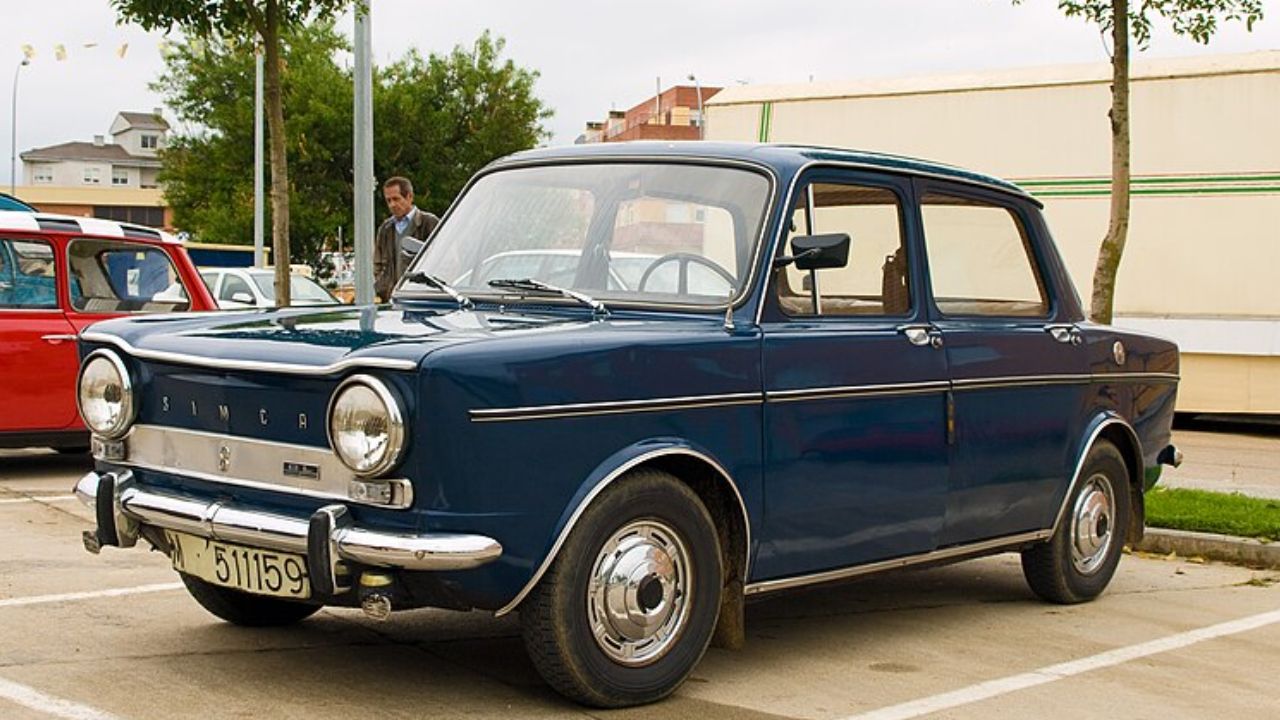
Today, the Simca 1000 Rallye remains a beloved classic among car enthusiasts and collectors. Its legacy continues to be celebrated at vintage car shows and rallies, where it draws admiration from new generations of automotive fans. The car’s enduring appeal is a testament to its timeless design and engineering excellence.
Collectors and restorers often seek out the Simca 1000 Rallye for its historical significance and unique characteristics. Its legacy is further explored in publications like Classic & Sports Car, which highlight its lasting impact and continued relevance in the world of classic cars.
Conclusion: The Lasting Appeal of a 1960s Classic
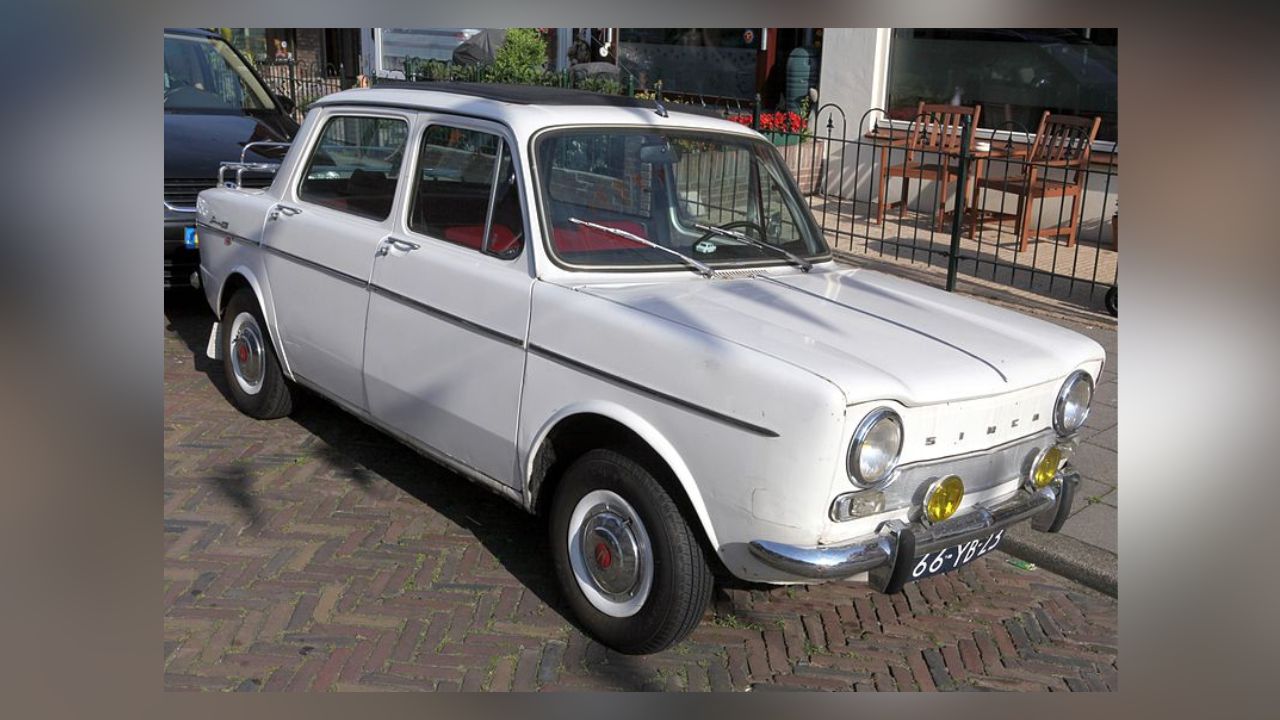
The Simca 1000 Rallye’s combination of design, performance, and cultural impact has ensured its place as a cherished classic in automotive history. Its story, from a compact car to a motorsport icon, is a testament to the innovative spirit of the 1960s. As a symbol of a bygone era, the Simca 1000 Rallye continues to captivate enthusiasts and collectors, preserving its legacy for future generations.
Like Fast Lane Only’s content? Be sure to follow us.
Here’s more from us:
*Created with AI assistance and editor review.