Collectible cars often evoke nostalgia and a sense of history, but not all classic models maintain their value over time. Whether due to changing tastes, mechanical issues, or market saturation, some vehicles are seeing a decline in their collectible status. Here’s a closer look at nine cars that, despite their past appeal, are losing value quickly.
1980s Porsche 944
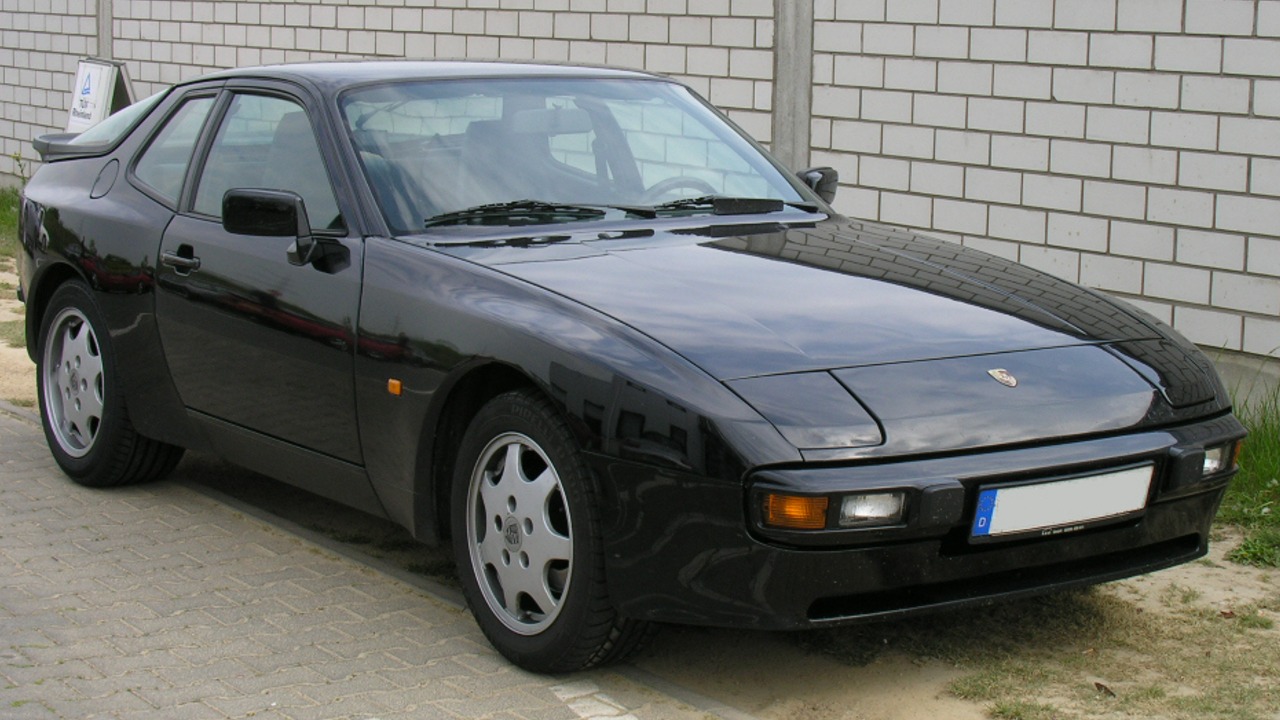
The Porsche 944 was once hailed as a quintessential sports car, offering a balanced front-engine, rear-wheel-drive layout. Despite its initial popularity, the 944 has been overshadowed by other models in Porsche’s lineup. The high cost of maintenance and parts, such as timing belts and water pumps, can deter potential buyers. Additionally, with the rise of newer, more technologically advanced sports cars, the 944 struggles to retain its former allure.
While some enthusiasts still appreciate the 944 for its driving dynamics, the market demand has shifted. Models from the late 1980s, like the 1987 Porsche 944 Turbo, often require significant restorations, which can outweigh their eventual resale value. As a result, their market prices continue to decline.
1990s Ford Mustang GT
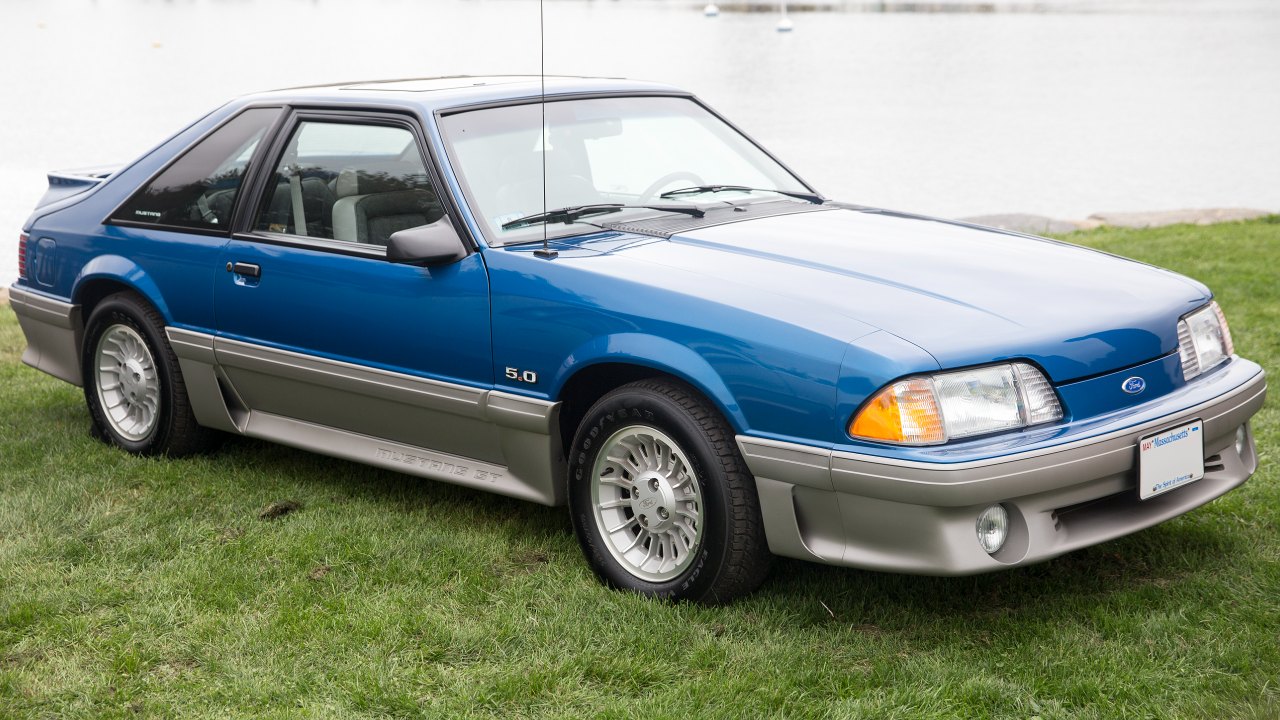
The 1990s Ford Mustang GT, particularly the SN95 generation, was a favorite among muscle car enthusiasts. However, its boxy design and moderate power output have not aged as gracefully as other Mustangs. The 5.0-liter V8 engine, while iconic, does not stand out in today’s performance landscape. With newer Mustangs offering better technology and performance, the 90s GT finds itself in a less favorable position.
Additionally, many Mustangs from this era have been modified extensively, which can detract from their original appeal. Collectors often seek well-preserved, original examples, which can be difficult to find. This lack of demand has contributed to a decrease in value for these once-popular models.
2000s Chrysler PT Cruiser
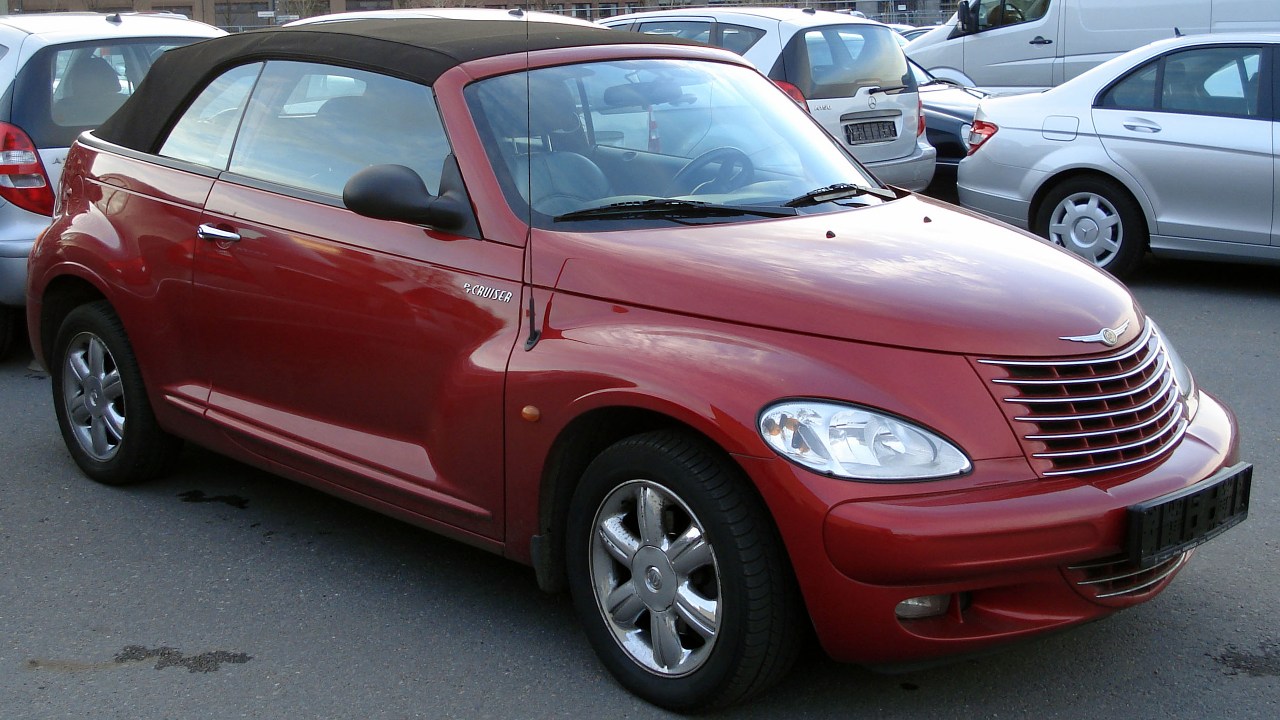
The Chrysler PT Cruiser was a bold departure from traditional car designs when it debuted, with its retro styling catching the public’s eye. Despite its initial success, the PT Cruiser’s appeal has faded over the years. The car’s practicality is often overshadowed by its lackluster performance and build quality issues.
Models from the mid-2000s, such as the 2006 PT Cruiser, often suffer from mechanical problems that can be costly to repair. The oversaturation of PT Cruisers on the used car market further diminishes their value, as supply often outweighs demand.
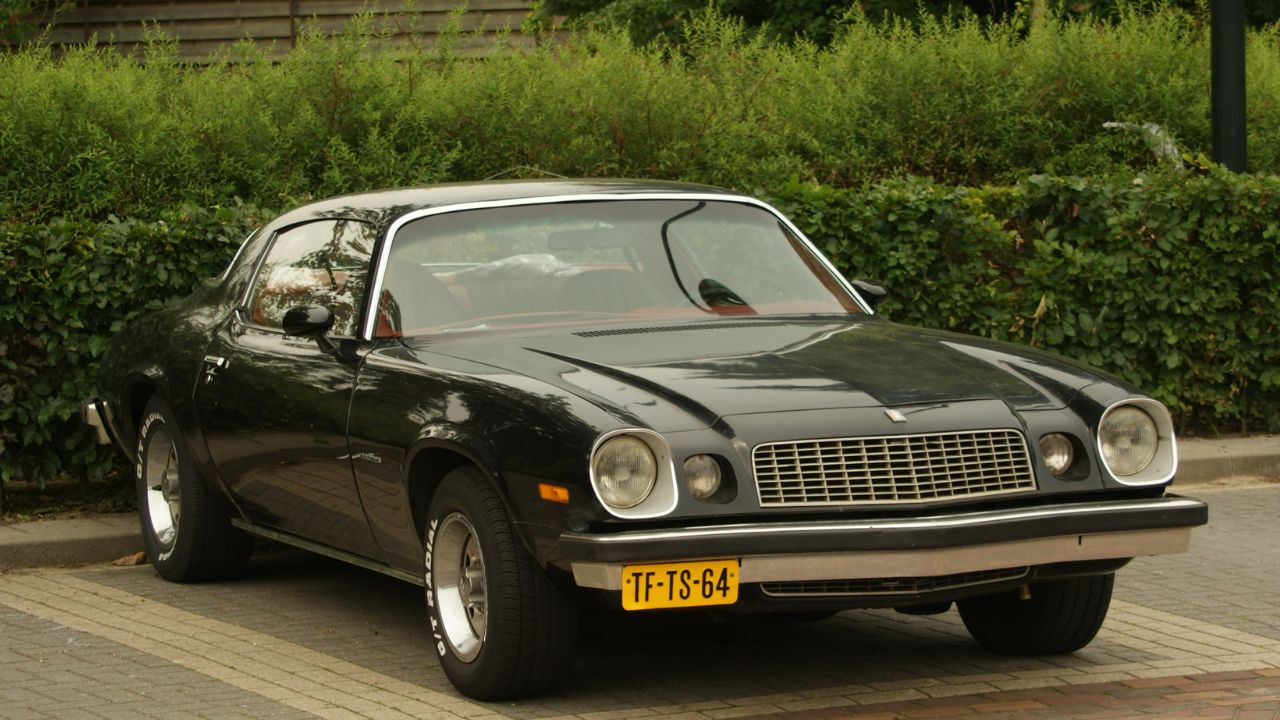
1970s Chevrolet Camaro
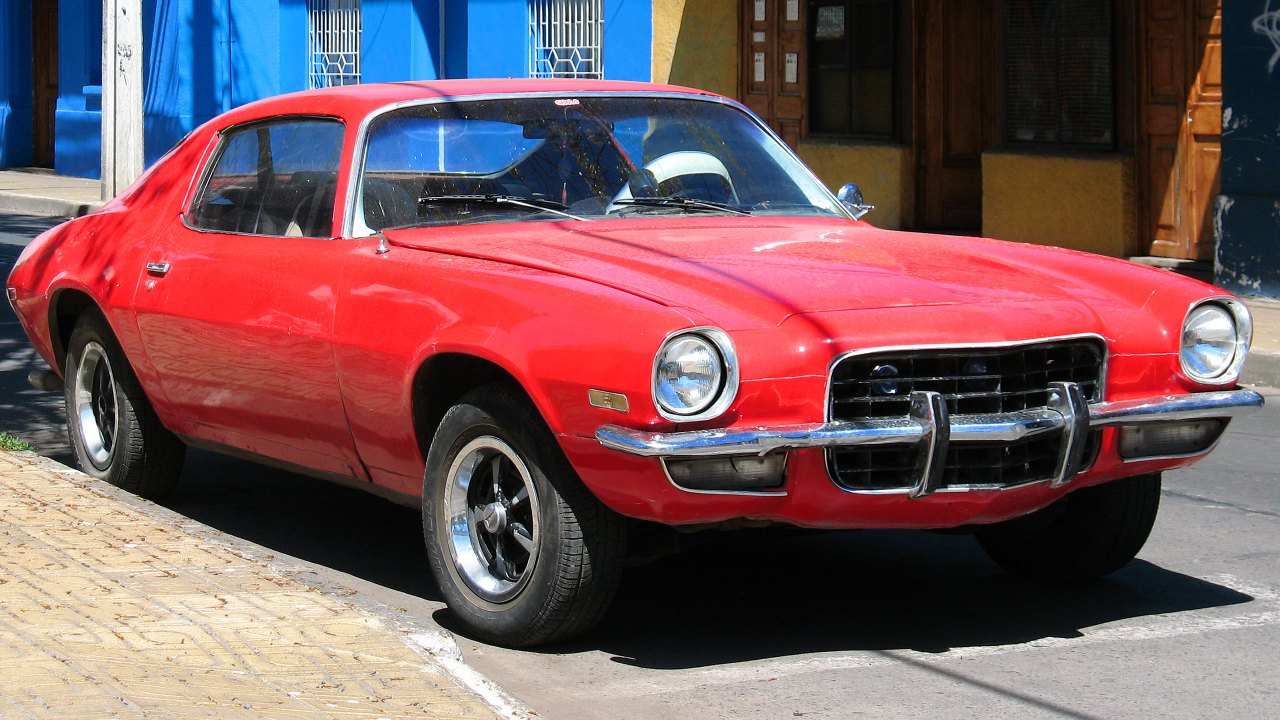
The 1970s Chevrolet Camaro is a classic American muscle car that has seen fluctuating market values. Models from the early 70s, like the 1973 Camaro, face challenges due to emissions regulations and the oil crisis that affected performance and desirability. As a result, these models don’t hold the same cachet as their predecessors or successors.
While some collectors still seek out these Camaros, the appeal of more powerful and refined versions of the Camaro from other eras has overshadowed the 70s models. Restoration costs can be significant, further impacting their market value.
1990s Mazda RX-7
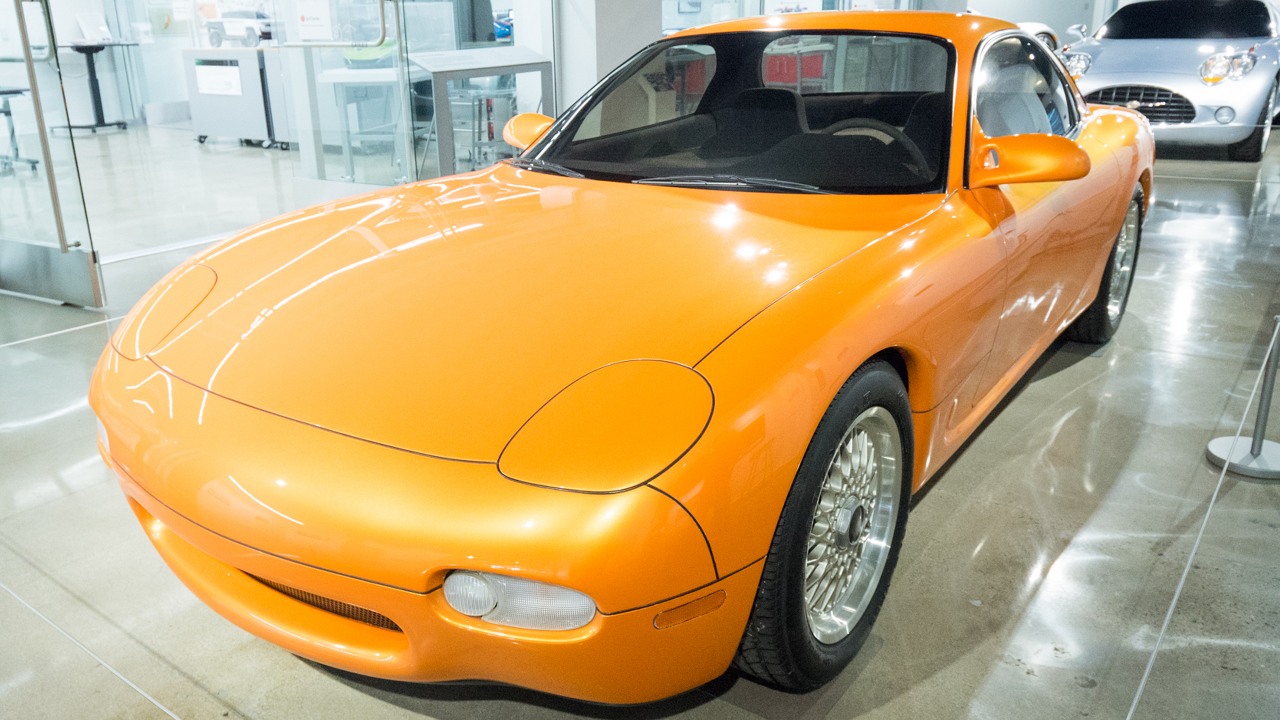
The Mazda RX-7, particularly the FD generation from the 1990s, remains a beloved sports car among enthusiasts due to its rotary engine and sleek design. However, the rotary engine’s complexity and maintenance costs can deter potential buyers. Finding an RX-7 in good condition is becoming increasingly difficult, as many have been modified or poorly maintained.
Despite its cult following, the RX-7’s market is niche, and the high cost of ownership limits its appeal to a broader audience. As newer sports cars enter the market, the RX-7’s value continues to wane.
1980s DeLorean DMC-12

Immortalized by its role in the “Back to the Future” films, the DeLorean DMC-12 gained a cult status that has been difficult to maintain. Despite the stainless steel body and gull-wing doors, the car’s underpowered engine and handling issues make it less appealing as a driver’s car.
Collectors once flocked to the DeLorean for its movie fame, but the novelty has worn off. With the market saturated with examples, and high restoration costs, the DMC-12 has seen a decline in value over recent years.
2000s Pontiac Solstice
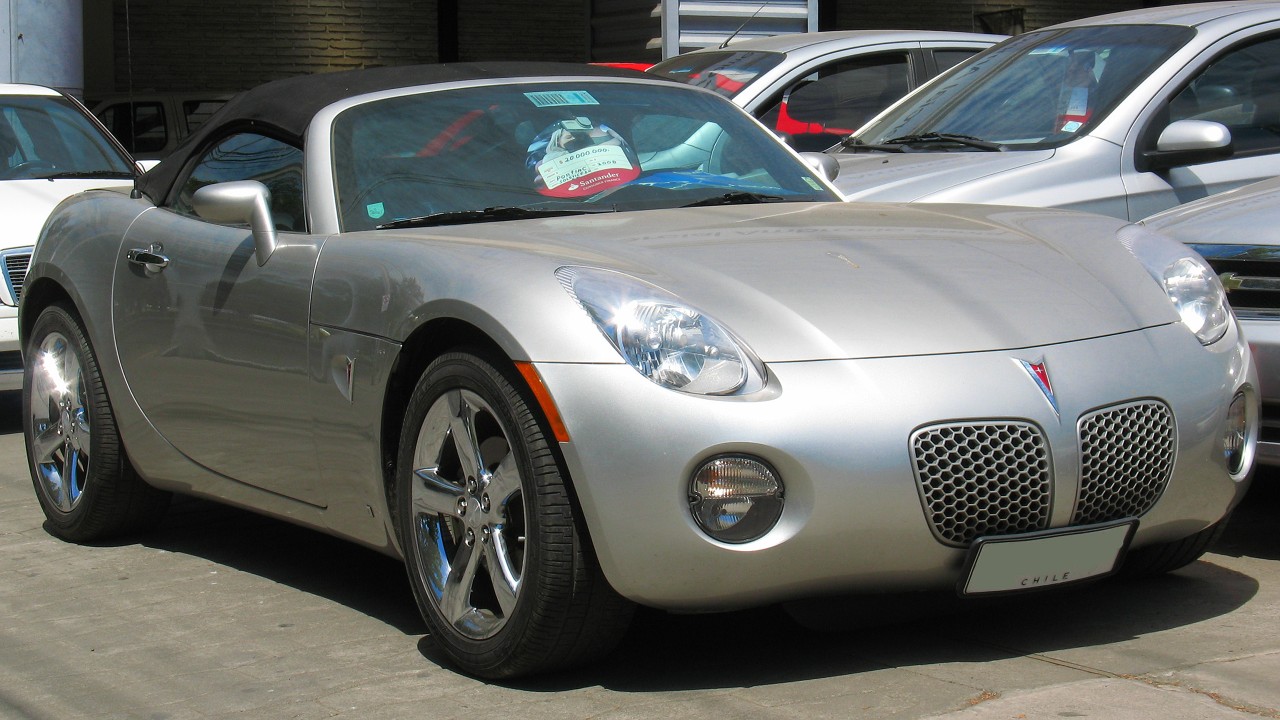
The Pontiac Solstice was introduced as an affordable roadster with a sporty design, drawing initial interest. However, its lack of performance compared to competitors and the discontinuation of the Pontiac brand have negatively impacted its value. The Solstice’s limited production run initially sparked collector interest, but market saturation and mechanical issues have caused values to drop.
Models from the late 2000s, like the 2009 Solstice, are often available at bargain prices, reflecting their diminished status. As a result, the Solstice is struggling to maintain its footing in the collectible market.
1990s BMW Z3
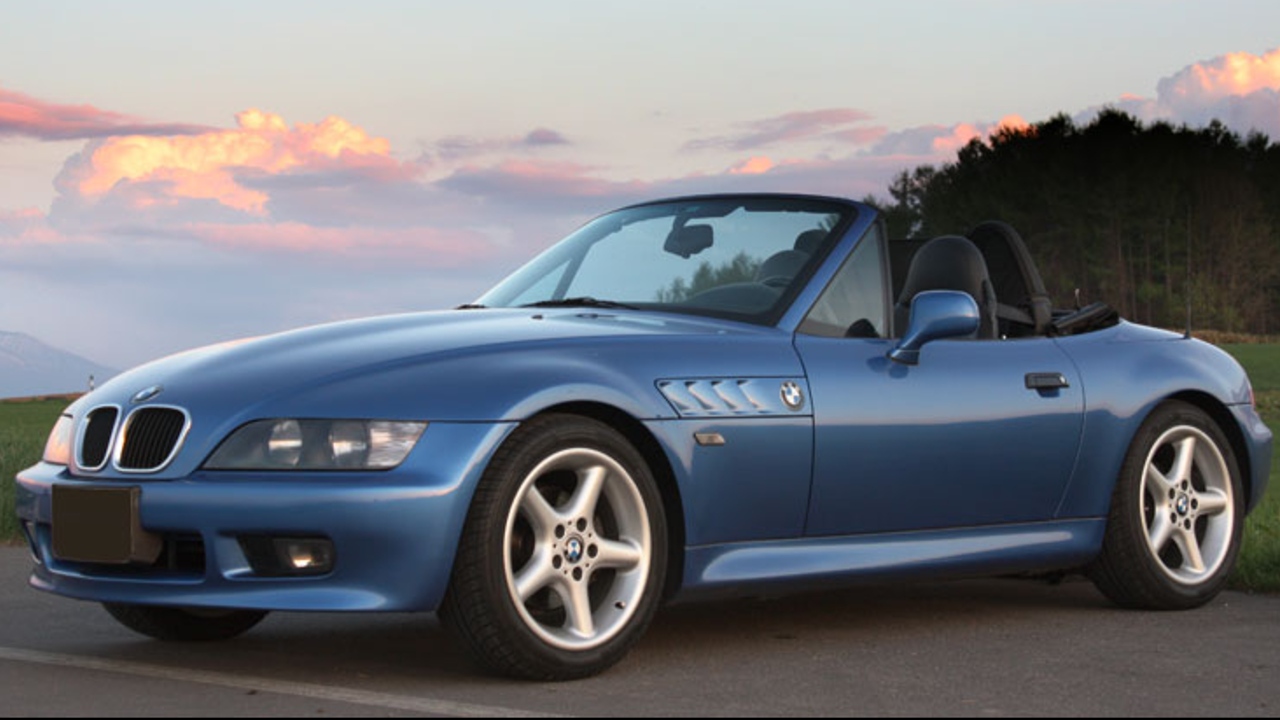
The BMW Z3, produced in the 1990s, was BMW’s first mass-market roadster, gaining fame from its appearance in James Bond films. However, the Z3’s reputation has been hampered by its modest power output and sometimes finicky build quality. While still appreciated for its design, the Z3 faces stiff competition from other roadsters offering better performance and reliability.
As a result, models like the 1998 Z3 have seen their values decline. Enthusiasts who once cherished these cars are shifting their focus toward newer models or more powerful alternatives within the BMW lineup.
2000s Volkswagen New Beetle
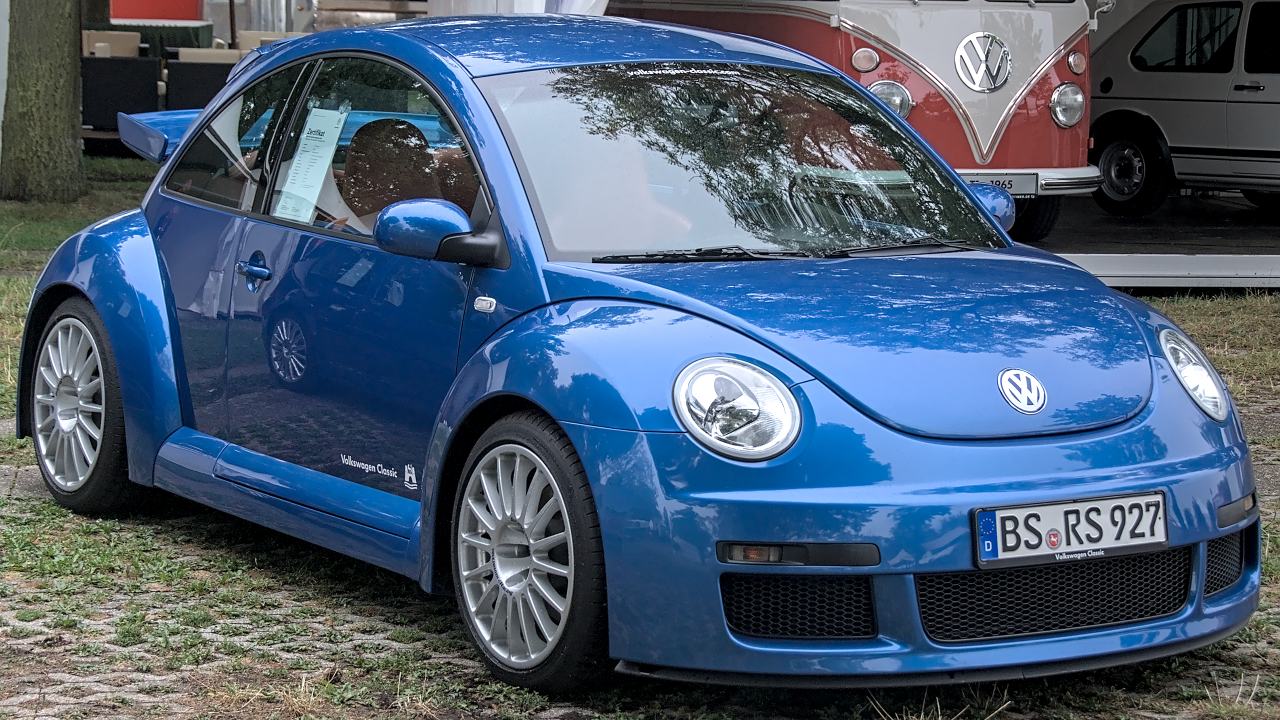
The Volkswagen New Beetle, introduced in the late 1990s and gaining popularity in the 2000s, was a nostalgic nod to the classic VW Beetle. However, the New Beetle’s novelty has faded, and its limited practicality and performance have failed to sustain long-term interest. Mechanical issues and a lack of modern features make it less desirable in today’s market.
Despite its iconic shape, the New Beetle’s value has steadily declined, with models like the 2005 version often sold at low prices. As the automotive landscape evolves, the New Beetle struggles to maintain its place as a sought-after collectible.
Like Fast Lane Only’s content? Be sure to follow us.
Here’s more from us:
*Created with AI assistance and editor review.