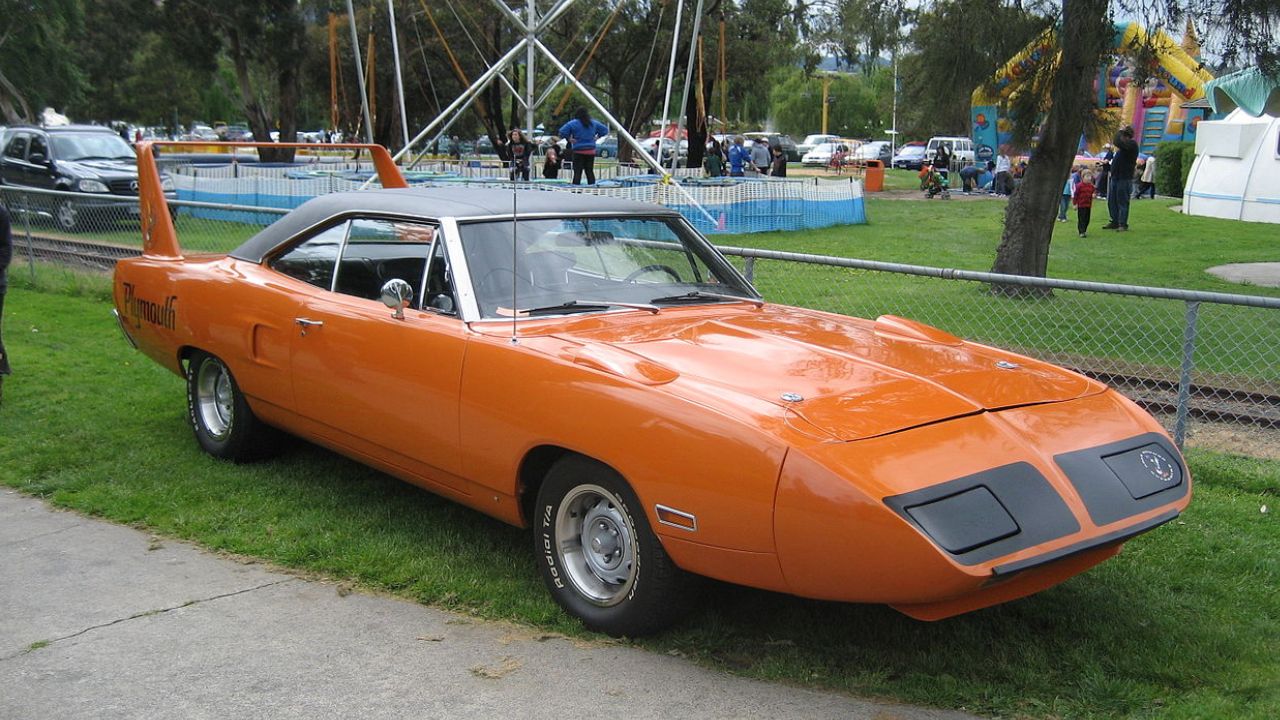
The 1970 Plymouth Superbird represents a groundbreaking achievement in automotive aerodynamics, pushing the limits of design and performance during its era. With its unique features and aggressive styling, the Superbird not only dominated the NASCAR circuit but also showcased the potential of aerodynamics in everyday vehicles.
Historical Context of the Superbird
The late 1960s and early 1970s marked a transformative period in the automotive industry, characterized by fierce competition among American muscle cars. Manufacturers were not only trying to outdo each other in terms of horsepower and acceleration but were also beginning to realize the importance of aerodynamics in enhancing vehicle performance. As the popularity of NASCAR soared, the demand for high-performance vehicles that could withstand the rigors of professional racing became paramount. The introduction of the Superbird was a direct response to this evolving landscape.
Plymouth, a division of Chrysler Corporation, recognized the need to innovate to remain competitive in the muscle car market. With established players like Ford and Chevrolet capturing significant market share, Plymouth aimed to create a vehicle that not only appealed to the racing community but also resonated with everyday drivers. The Superbird was part of a strategic push to reclaim a leading position in both the performance car segment and the NASCAR circuit, paving the way for modern aerodynamic design principles.
Design Features of the Superbird
The Plymouth Superbird’s design was a radical departure from conventional automotive aesthetics of its time. One of its most distinguishing features was the iconic nose cone, which played a crucial role in enhancing airflow around the vehicle. This elongated front helped to minimize drag, allowing the Superbird to cut through the air more efficiently than many of its contemporaries. The design was not merely cosmetic; it was a functional component that set the Superbird apart from other muscle cars.
Equally significant was the Superbird’s high rear wing, designed to generate downforce at high speeds. This feature provided enhanced stability during races, allowing drivers to handle corners with greater precision. Unlike the subtle spoilers found on other cars, the Superbird’s wing was a bold statement, embodying the car’s aggressive performance ethos. Coupled with vibrant color options like “Banana Yellow” and “Mopar Plum,” the Superbird’s styling choices were designed to attract attention, both on the street and the racetrack.
Aerodynamics and Performance
The Superbird’s aerodynamic design was groundbreaking for its time, achieving a drag coefficient of just 0.28. This figure was significantly lower than many of its contemporaries, which often struggled to break the 0.35 mark. By optimizing the shape of the car, Plymouth was able to enhance both top speed and fuel efficiency, two critical factors in performance racing. The aerodynamic enhancements allowed the Superbird to reach speeds over 200 mph, making it one of the fastest production cars of the era.
Real-world testing further validated the Superbird’s performance metrics. In various races throughout the 1970 season, the Superbird consistently outperformed its rivals, demonstrating superior handling and acceleration. The combination of advanced aerodynamics and a powerful 426 HEMI or 440 cubic inch engine allowed this vehicle to dominate both on the track and in the hearts of car enthusiasts. The Superbird not only set records during its time but also laid the groundwork for future innovations in automotive design.
Technology Behind the Superbird
The engineering innovations that contributed to the Superbird’s aerodynamic prowess were nothing short of revolutionary. One of the key aspects of its development was extensive wind tunnel testing, which allowed engineers to refine the car’s shape and features. By simulating airflow around the vehicle, Plymouth was able to make informed decisions about design elements that would enhance performance. This approach was relatively novel at the time; while some manufacturers were beginning to explore aerodynamics, few dedicated the resources necessary for comprehensive testing.
In addition to wind tunnel testing, the Superbird incorporated cutting-edge materials and construction techniques. Lightweight components were prioritized without sacrificing structural integrity, which was crucial for maintaining performance under extreme conditions. Compared to other American performance cars of the same era, such as the Chevrolet Camaro and Ford Mustang, the Superbird stood out not just for its speed but for its forward-thinking engineering. This technological edge played a significant role in its success both on the track and in the marketplace.
The Superbird in NASCAR
The Superbird made its debut in NASCAR in 1970, and it was met with a mix of excitement and skepticism. While its design was undeniably impressive, many traditionalists questioned whether such an unconventional vehicle could succeed in a sport that had historically favored more conventional designs. However, the Superbird quickly silenced its critics by achieving remarkable success on the racetrack. Its most notable victory came at the 1970 Daytona 500, where the Superbird’s superior aerodynamics and powerful engine allowed it to dominate the competition.
Throughout the 1970 season, the Superbird secured several key victories, further solidifying its reputation in NASCAR history. Its impact was so significant that it prompted changes in racing regulations, as other manufacturers scrambled to keep up with Plymouth’s innovative design. The success of the Superbird helped to usher in a new era of racing vehicles, one where aerodynamics would become a critical component of design and performance. As NASCAR evolved, the principles showcased by the Superbird continued to influence car design in the years to come.
Cultural Impact and Legacy
The Plymouth Superbird transcended its role as a mere vehicle; it became a symbol of 1970s automotive culture. Its flamboyant design, coupled with its racing success, captured the imagination of car enthusiasts and the general public alike. The Superbird was not just a car; it was a statement of power, performance, and style. Its presence in popular media, including films and television shows, further cemented its status as an icon of the era, influencing countless car enthusiasts and collectors.
Even decades after its production, the Superbird continues to inspire admiration among car collectors and automotive historians. Its legacy is evident in the ongoing interest in classic muscle cars and the continued appreciation for engineering that prioritizes aerodynamic efficiency. The Superbird’s influence can be seen in modern sports cars, which often incorporate similar aerodynamic principles in their designs. From its initial launch to its status as a collectible, the Superbird has left an indelible mark on the automotive landscape.
Collectibility and Restoration
The Plymouth Superbird has established itself as a highly sought-after collector’s item, with factors contributing to its desirability including rarity, performance, and historical significance. Only about 1,900 units were produced, making it a rare find for collectors today. Original models in good condition can command impressive prices at auction, often reaching six figures. As interest in classic American muscle cars has grown, the market for Superbirds has remained strong, making it a valuable asset for collectors.
For potential owners and restorers, maintaining authenticity is key to preserving the Superbird’s value. This includes sourcing original parts and ensuring that any restoration work adheres to the vehicle’s original specifications. Engaging with communities and forums dedicated to the Superbird can provide valuable insights and resources for those looking to restore these iconic vehicles. The ongoing trend of increasing market value for the Superbird indicates that its legacy will continue to thrive in the collector’s market.
Comparative Analysis with Other Aerodynamic Vehicles
When comparing the Plymouth Superbird to contemporary aerodynamic vehicles from other manufacturers, it’s important to recognize its unique position in the automotive landscape. Cars like the Ford Torino and Chevrolet Monte Carlo were also pushing the boundaries of design and performance during this era, but few managed to achieve the same level of aerodynamic efficiency as the Superbird. The Superbird’s combination of aggressive styling and functional design set a benchmark that influenced not only American muscle cars but also sports cars worldwide.
The principles of aerodynamics that the Superbird pioneered can be seen in the design of modern vehicles, such as the Chevrolet Corvette and Ford GT. These cars incorporate advanced aerodynamic features that enhance performance and fuel efficiency, echoing the innovations introduced by the Superbird. The legacy of aerodynamic optimization continues to shape the future of automotive design, proving that the lessons learned from the Superbird remain relevant even in today’s high-performance vehicles.
More from Fast Lane Only