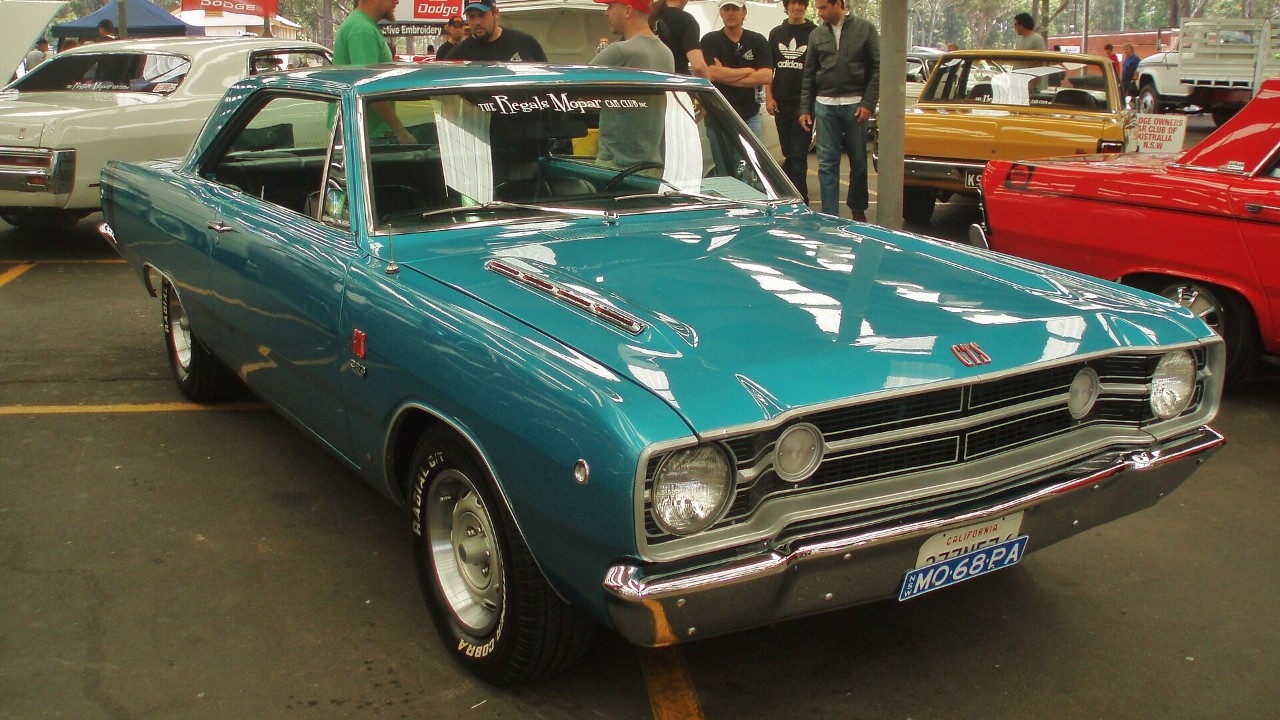
The 1970 Chevrolet Chevelle LS6 arrived at the absolute peak of the American muscle car wars, bringing so much factory horsepower that some dealerships reportedly hesitated to hand over the keys for casual test drives. In an era already filled with big-block monsters, the LS6 stood apart as one of the most aggressive street machines Detroit had ever produced.
Chevrolet unleashed the LS6 during the peak of the horsepower wars
When Chevrolet introduced the Chevrolet Chevelle SS 454 LS6, the company was determined to dominate the rapidly escalating muscle car market. Manufacturers across Detroit were competing fiercely to deliver the biggest engines and the most intimidating performance figures possible.
Under General Motors, the LS6 package transformed the Chevelle into a brutal high-performance machine powered by a massive 454 cubic-inch big-block V8. Officially rated at 450 horsepower, the engine was widely believed to produce even more in real-world conditions, giving the car a reputation for explosive acceleration and overwhelming torque.
The LS6 quickly gained a reputation for being difficult to control
The Chevrolet Chevelle SS 454 LS6 earned instant respect because of how violently it delivered power. Unlike smaller performance cars that built speed progressively, the LS6 unleashed massive torque almost immediately, especially when paired with aggressive gearing and manual transmissions.
Inside the Chevrolet dealer network, stories circulated about inexperienced drivers struggling to manage the car’s performance during demonstrations and test drives. Some dealerships reportedly became cautious about allowing unsupervised drives because the car’s sheer power could easily overwhelm drivers unfamiliar with high-horsepower muscle cars.
Chevrolet built the LS6 with racing-level performance intentions
At the center of the Chevrolet Chevelle SS 454 LS6 was one of the most serious big-block engines Chevrolet had ever installed in a production vehicle. The LS6 package included upgraded internal components, a high-performance camshaft, improved breathing capability, and aggressive tuning designed for maximum output.
Under General Motors engineering strategy, the LS6 represented a factory-backed attempt to push street performance close to race-car territory. The combination of huge displacement and relatively lightweight intermediate-body proportions made the Chevelle feel brutally fast even by muscle car standards.
Insurance companies and regulations soon targeted cars like the LS6
The timing of the Chevrolet Chevelle SS 454 LS6 placed it directly at the peak of an era that was already beginning to face pressure from insurance companies, regulators, and safety concerns. High-performance models were becoming increasingly expensive to insure as accident rates and horsepower figures continued climbing.
Within just a few years, manufacturers like General Motors began moving away from the extreme compression ratios and raw horsepower that defined cars like the LS6. The Chevelle quickly became a symbol of the brief period when Detroit built street cars with almost no restraint.
The LS6 became one of the most feared street machines of its era
Enthusiasts still remember the Chevrolet Chevelle SS 454 LS6 as one of the most intimidating production muscle cars ever built. Its combination of giant torque, aggressive styling, and reputation for brutal acceleration made it a legend both on the street and at drag strips across America.
For fans of Chevrolet performance history, the LS6 represents the absolute peak of factory muscle car excess. The stories about dealers refusing test drives only reinforced the car’s mythology, helping turn the 1970 LS6 Chevelle into one of the defining icons of the muscle car era.
More from Fast Lane Only