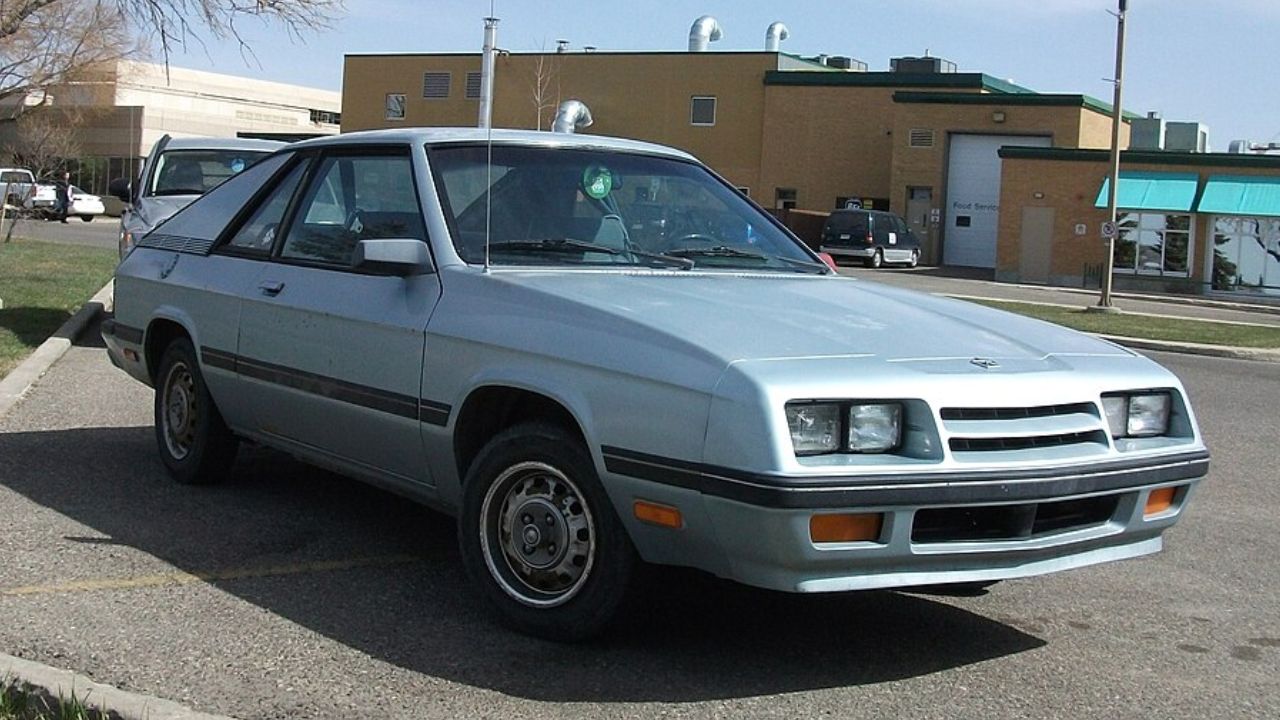
The 1984 Plymouth Turismo is a quintessential example of how compact cars emerged as powerful contenders in the performance sector during the 1980s. With its sporty design and spirited engine options, the Turismo helped carve a niche in the automotive landscape that is often overlooked today.
Historical Context of the 1980s Automotive Market
The 1980s marked a significant shift in the automotive industry, driven largely by economic factors such as rising fuel prices and changing consumer preferences. Following the oil crises of the 1970s, manufacturers began to pivot away from larger, less fuel-efficient vehicles toward smaller, more economical options. This shift was not merely about fuel economy; consumers were also seeking vehicles that offered a dynamic driving experience without sacrificing practicality.
In this context, compact cars gained popularity, with manufacturers scrambling to develop models that were not only efficient but also fun to drive. The 1984 Plymouth Turismo emerged as a response to this demand, standing alongside competitors like the Ford Escort and Honda Civic. These vehicles not only prioritized fuel efficiency but also embraced performance, setting the stage for a new era in automotive design.
The Plymouth Brand and Its Evolution
Plymouth, a division of Chrysler, has a storied history that dates back to the early 1920s. Initially aimed at providing affordable vehicles to the masses, Plymouth carved out a reputation for innovation and value over the decades. By the early 1980s, the brand was keenly focused on appealing to younger buyers interested in performance and style, which led to the development of the Turismo.
The Turismo exemplified Plymouth’s strategy to combine affordability with a sporty edge, making it particularly attractive to a demographic that was beginning to prioritize performance in compact cars. This model was not just another entry in Plymouth’s lineup; it represented a commitment to delivering a spirited driving experience without the premium price tag often associated with performance vehicles.
The Design and Features of the 1984 Plymouth Turismo
The exterior styling of the 1984 Plymouth Turismo captured the essence of sporty compact cars of the era. With its sleek lines, distinctive front grille, and aggressive stance, the Turismo set itself apart from more mundane competitors. Its design was not just aesthetic; it also contributed to improved aerodynamics, enhancing performance and fuel efficiency.
Inside, the Turismo offered a surprisingly spacious cabin for a compact car, featuring comfortable seating and a driver-centric dashboard layout. Technological advancements for the time included options such as digital instrumentation and an upgraded sound system. Compared to contemporaneous models like the Chevrolet Chevette and Ford Escort, the Turismo’s interior was a breath of fresh air, showcasing Plymouth’s dedication to innovation and driver comfort.
Performance Specs and Engine Options
The performance of the 1984 Plymouth Turismo was one of its standout features. The model came equipped with a range of engine options, including a base 2.2-liter four-cylinder engine that produced 84 horsepower. For those seeking more excitement, the turbocharged variant of the same engine offered a robust 146 horsepower, delivering a thrilling driving experience. These figures, particularly the turbocharged option, positioned the Turismo as a legitimate contender in the compact performance segment.
Handling characteristics were also a highlight, with the Turismo boasting a well-tuned suspension that provided a balanced ride. Enthusiasts praised its responsiveness and agility, making it a popular choice for those looking to enjoy spirited drives. Reviews from automotive critics highlighted the Turismo’s ability to deliver performance typically associated with larger vehicles, which helped solidify its standing within the compact performance market.
Impact on Compact Car Culture
The impact of the Plymouth Turismo on compact car culture was significant. It played a crucial role in popularizing the idea of performance-oriented small cars, thereby influencing a generation of drivers. The introduction of turbocharged engines in compact vehicles was a game-changer, leading to a broader acceptance of smaller cars that could deliver exhilarating performance without the bulk.
Moreover, the Turismo inspired a wave of enthusiasm among car lovers and modified communities. It became a canvas for personalization, with many owners opting to enhance its performance and appearance through aftermarket modifications. This culture of modification further ingrained the Turismo in the psyche of automotive enthusiasts, making it a symbol of the burgeoning compact performance scene of the 1980s.
Marketing Strategies and Brand Positioning
The marketing strategies employed for the 1984 Plymouth Turismo were instrumental in shaping its image. Advertising campaigns emphasized its sporty design and performance capabilities, targeting a younger demographic eager for excitement and style. These campaigns often showcased the Turismo in action, highlighting its performance credentials and appealing to a sense of adventure.
Plymouth’s sponsorship of motorsports events added another layer to its marketing strategy, associating the Turismo with high-performance environments. Such sponsorships not only elevated the brand’s image but also resonated with consumers who admired the racing heritage. This clever positioning helped the Turismo carve out a distinct identity in a competitive market.
Consumer Reception and Community Engagement
The consumer reception of the Plymouth Turismo was generally positive during its production run. Sales figures reflected a growing interest in compact performance vehicles, with many buyers appreciating the blend of affordability and spirited driving. Enthusiast forums and fan clubs began to emerge, allowing owners to share their experiences and modifications, further solidifying the Turismo’s community presence.
Anecdotes from former owners often highlight memorable experiences with the Turismo, from spirited weekend drives to participation in local car shows. Many fondly remember the feeling of driving a car that was not only economical but also thrilling. These personal stories continue to contribute to the Turismo’s legacy, ensuring its place in automotive history.
Legacy and Collectibility of the Plymouth Turismo
Today, the Plymouth Turismo is increasingly recognized as a collectible vehicle, with a growing market of enthusiasts seeking to own a piece of compact performance history. Its current market value reflects this interest, with well-maintained examples fetching respectable prices among collectors. The unique characteristics that defined the Turismo during its heyday have made it a desirable addition to many classic car collections.
Automotive historians often view the Turismo as an important model that helped pave the way for future compact performance vehicles. Its legacy is preserved through online communities and social media, where enthusiasts share restoration projects, parts sourcing, and tips for maintaining these classic cars. As interest in retro and classic vehicles continues to rise, the Turismo is likely to remain a focal point for those passionate about automotive history.
Modern Influence and Comparisons
The influence of the Plymouth Turismo can be seen in the design and performance characteristics of modern compact vehicles. Today’s offerings, such as the Honda Civic Si and Volkswagen GTI, owe a debt to the pioneering spirit of cars like the Turismo, which demonstrated that compact cars could deliver excitement alongside practicality.
When comparing the Turismo to contemporary models, it’s evident that advancements in technology and performance have evolved dramatically. However, the core principles of combining efficiency with spirited driving remain relevant. The resurgence of interest in retro and classic compact performance cars demonstrates that the Turismo’s legacy lives on, ensuring its place in the annals of automotive history. For those seeking a deeper understanding of the era, resources such as this detailed analysis offer valuable insights into the automotive landscape of the 1980s.
More from Fast Lane Only