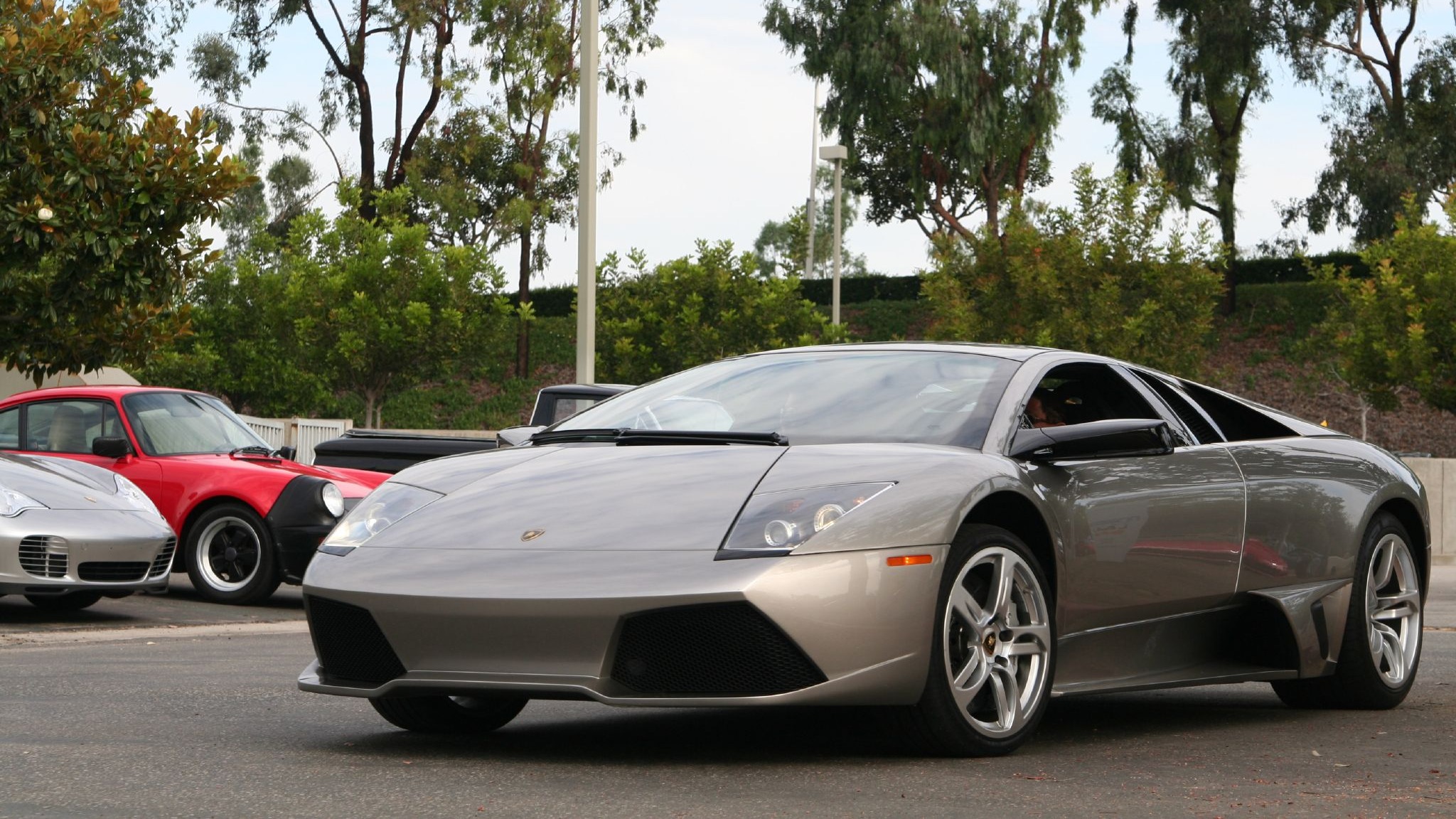
The 2008 Lamborghini Murciélago LP640 arrived at the twilight of the analog supercar era, a low, scissor‑doored statement that prioritized a naturally aspirated V12 and theatrical presence over comfort or digital polish. It distilled Lamborghini’s wild reputation into one of the last flagships that demanded commitment from its driver rather than insulating them from the experience. In a market already pivoting toward dual‑clutch gearboxes and electronic driver aids, the LP640 stood apart as a loud, uncompromising celebration of speed.
A brutal evolution of the Murciélago formula
When the LP640 version joined the Murciélago range, it marked a significant step beyond the original 6.2‑liter car that had launched the nameplate earlier in the decade. Power climbed to roughly 640 horsepower from a 6.5‑liter V12, a figure that pushed the coupe into territory normally reserved for limited‑production exotics. The model retained the familiar mid‑engine layout, carbon fiber and steel chassis structure, and all‑wheel drive system that defined the earlier Murciélago, but the LP640 treatment turned the car into a more focused and visually aggressive machine.
Externally, the LP640 sharpened the Murciélago’s already angular styling. The front bumper gained larger air intakes, the side sills were reprofiled, and the rear fascia adopted a new diffuser and a single, centrally mounted exhaust outlet. These changes were not just cosmetic; the revised openings and underbody work improved cooling and stability at speed, while the exhaust layout helped the V12 breathe more freely. The scissor doors and low, cab‑forward stance remained, preserving a silhouette that was instantly recognizable even among other supercars.
Underneath, the LP640 continued to use a combination of a steel tube frame and carbon fiber sections. This hybrid construction gave the Murciélago a stiff platform without the weight penalty of a full steel monocoque. The use of all‑wheel drive, with a viscous coupling to apportion torque between the axles, meant the car could deploy its power more effectively than many rear‑drive rivals. Period figures for the LP640 placed its top speed above 200 miles per hour, with brutal in‑gear acceleration that matched its outlandish looks.
The broader Murciélago lineage, which included early 6.2‑liter cars, the LP640, and later special variants, has been cataloged in detail by enthusiast resources that track Lamborghini Murciélago specifications and production changes. Those references highlight how the LP640 sits near the peak of the model’s development curve, short of the most extreme track‑oriented editions.
Inside a cockpit built around the engine
The interior of the 2008 LP640 reflected the car’s priorities. The driver sat low, with a wide transmission tunnel and the V12 just behind the bulkhead. Visibility was compromised, especially over the shoulder, which made reversing an exercise in patience and trust. For many owners and testers, that sense of being buried deep in the chassis, surrounded by leather and exposed carbon, was part of the appeal.
Controls were heavy by modern standards. The steering carried significant weight at low speeds, the clutch in manual‑gearbox cars required deliberate effort, and the gated shifter demanded precision. Even the e‑gear automated manual, available as an option, delivered firm, sometimes abrupt shifts that reinforced the mechanical nature of the powertrain. Noise insulation was minimal. At idle, the V12’s thrum filled the cabin, and at full throttle the intake roar and exhaust note made conversation difficult.
Comfort features existed but did not define the car. Air conditioning, power windows, and an audio system were present, yet the ergonomics felt secondary to packaging the drivetrain and suspension. The seats were supportive and reasonably adjustable, but taller drivers often found legroom tight. The Murciélago’s interior quality improved over earlier Lamborghinis, with better fit and finish, yet it still conveyed a handcrafted character rather than the clinical precision of some German rivals.
Raw V12 performance in an increasingly digital era
By 2008, the supercar world was already shifting toward dual‑clutch transmissions, turbocharging, and extensive electronic driver aids. In that context, the LP640’s naturally aspirated V12 and single‑clutch gearbox felt like a deliberate throwback. The engine’s character defined the entire experience. Throttle response was immediate, with a linear surge of power that encouraged drivers to chase the upper reaches of the rev range rather than rely on low‑end torque.
Acceleration figures placed the LP640 among the quickest cars of its time, yet the way it delivered that performance mattered as much as the numbers. The power build was progressive rather than explosive, and the soundtrack evolved from a metallic snarl at mid‑range to a full‑throated wail near redline. There was little sense of electronic filtering. Traction control and all‑wheel drive provided a safety net, but the driver still had to manage weight transfer, throttle inputs, and steering with care, especially on imperfect roads.
Compared with contemporary offerings that prioritized ease of use, the LP640 demanded more attention. The clutch could be unforgiving in traffic, the turning circle was wide, and the car’s width made tight city streets a challenge. Those compromises reinforced its identity as a focused performance machine rather than a grand tourer. Owners accepted the quirks because the reward on an open road or track session was so intense.
Design as theater and brand statement
The Murciélago LP640’s styling did more than turn heads. It signaled Lamborghini’s refusal to soften its image even as the brand moved under corporate ownership and adopted more rigorous engineering processes. The wedge profile, sharp creases, and scissor doors connected the LP640 to icons like the Countach and Diablo, maintaining continuity with decades of poster‑car heritage.
Functional elements doubled as visual drama. The rear wing, which deployed at speed, added both downforce and a sense of occasion. The side air intakes, which could open wider to feed the V12, created a dynamic look that changed depending on how hard the car was driven. Even the centrally mounted exhaust, framed by the rear diffuser, became a focal point that emphasized the engine’s dominance over the design.
Color choices often amplified this theatrical presence. Bright yellows, oranges, and greens were common, turning the LP640 into a rolling spectacle. More subdued shades existed, but the car’s proportions and surfaces almost encouraged bold paint. In an era when some competitors leaned toward understated elegance, the Murciélago embraced visual excess without apology.
How the LP640 fit into Lamborghini’s strategy
The LP640 arrived at a time when Lamborghini was refining its lineup around two core nameplates: the V10‑powered Gallardo and the V12‑powered Murciélago. The smaller Gallardo brought volume and relative usability, while the Murciélago served as the halo car that showcased the brand’s most extreme engineering. The LP640 variant strengthened that role by pushing performance and visual aggression further.
From a strategic perspective, the car helped Lamborghini compete directly with high‑end Ferraris and limited‑run exotics from other manufacturers. The LP640’s combination of all‑wheel drive traction, a large‑displacement V12, and distinctive styling gave it a clear identity in a crowded field. It also provided a platform for special editions and roadster variants that kept the Murciélago name in the spotlight.
The model’s relatively low production numbers, compared with mass‑market sports cars, added an aura of exclusivity. Each LP640 represented a significant investment for its buyer, both financially and in terms of the commitment required to drive and maintain such a car. That exclusivity helped cement its status as a collectible, especially as the industry moved away from naturally aspirated V12 engines.
Living with an uncompromising flagship
Owning a 2008 Murciélago LP640 was not a casual decision. Running costs reflected the car’s complexity and performance. Routine maintenance required specialized technicians familiar with the V12, the all‑wheel drive system, and the carbon‑steel chassis. Consumables such as tires and brakes wore quickly if the car was driven as intended. Insurance premiums matched the car’s value and performance potential.
Practicality was limited. Luggage space was minimal, access over high curbs or steep driveways required care, and the car’s ground clearance made speed bumps a constant concern. Many owners treated the LP640 as a weekend or event car rather than a daily driver, preserving mileage and condition for long‑term value. Some examples spent much of their lives in collections, emerging only for special drives or shows.
For those willing to accept these constraints, the rewards were substantial. The sense of occasion each time the scissor doors lifted, the ritual of starting the V12, and the physical involvement of driving at speed created memories that few other cars could match. The LP640 did not try to be everything to everyone. It focused on delivering an intense, analog supercar experience and left comfort and convenience to other models.
Why the 2008 LP640 still resonates
More than a decade after its debut, the 2008 Murciélago LP640 occupies a special place in supercar history. It represents one of the last flagships from a major manufacturer to combine a large, naturally aspirated V12 with relatively limited electronic intervention and a single‑clutch gearbox. Later models from Lamborghini and its competitors adopted more advanced transmissions, turbocharging, hybrid assistance, and increasingly sophisticated driver aids.
For enthusiasts, that shift has increased appreciation for cars like the LP640. The model captures a transitional moment when performance figures were climbing rapidly but before digital systems fully reshaped the driving experience. Its appeal lies not only in speed but in the way it communicates with the driver through steering feel, pedal weight, and engine response.
Collectors have responded accordingly. Well‑kept LP640s, especially those with manual transmissions, have become sought after. Their values reflect both scarcity and the growing recognition that the combination of a naturally aspirated V12 and an analog driving environment is unlikely to return at scale. The 2008 model year sits near the center of this narrative, offering the mature form of the LP640 package without the extreme rarity of later limited editions.
What to watch as the V12 era winds down
Shifting technology and regulations
As emissions rules tighten and manufacturers invest heavily in electrification, the kind of powertrain that defines the Murciélago LP640 faces increasing pressure. Future performance flagships are expected to rely on hybrid systems or full electrification to achieve both speed and regulatory compliance. That trajectory will further distinguish analog V12 cars from modern offerings, potentially heightening their status among enthusiasts who value mechanical purity.
Regulators in key markets continue to push for lower fleet emissions and stricter testing cycles. Supercar makers have responded with turbocharged engines, hybrid assistance, and lighter materials. The LP640, with its large‑displacement naturally aspirated engine, belongs to an earlier regulatory environment. How brands balance heritage with compliance will shape how cars inspired by the Murciélago’s spirit can exist in the future.
Collector interest and market dynamics
The market for high‑end analog supercars is sensitive to broader economic conditions, yet certain models maintain strong demand due to their historical significance and driving experience. The 2008 LP640, as a mature iteration of the Murciélago platform, is positioned to benefit from this trend. Its combination of recognizable design, limited production, and uncompromised performance gives it attributes that collectors often seek.
More from Fast Lane Only
- Unboxing the WWII Jeep in a Crate
- 15 rare Chevys collectors are quietly buying
- 10 underrated V8s still worth hunting down
- Police notice this before you even roll window down
*Research for this article included AI assistance, with all final content reviewed by human editors.