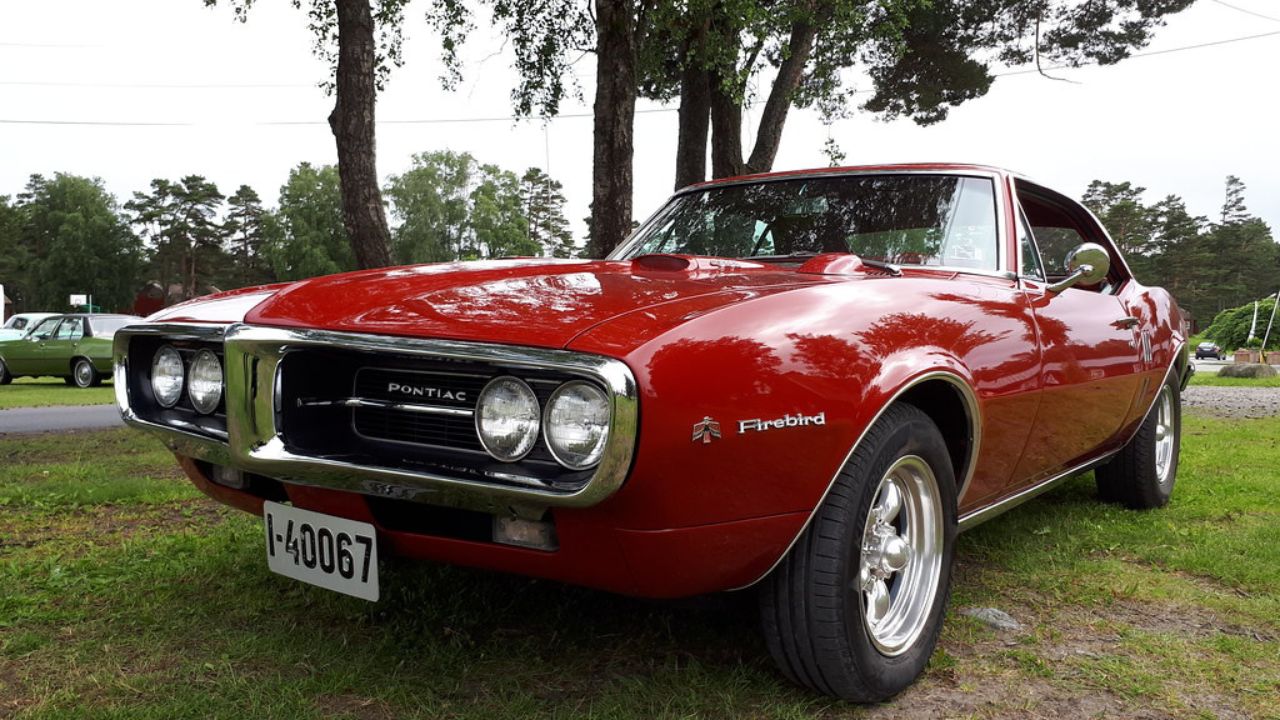
The 1967 Pontiac Firebird 400 had every reason to live in the shadow of the Camaro—same F-body platform, same GM family tree, and it arrived a few months later. But Pontiac didn’t build it to play backup. With real big-block muscle under the hood and a unique approach to performance, it quickly proved it could hold its own.
This wasn’t a case of badge engineering with different trim. The Firebird 400 had its own engine, styling, and attitude. If anything, it made the Camaro look a little tame. Here’s why it deserves a closer look.
A Real 400 Under the Hood
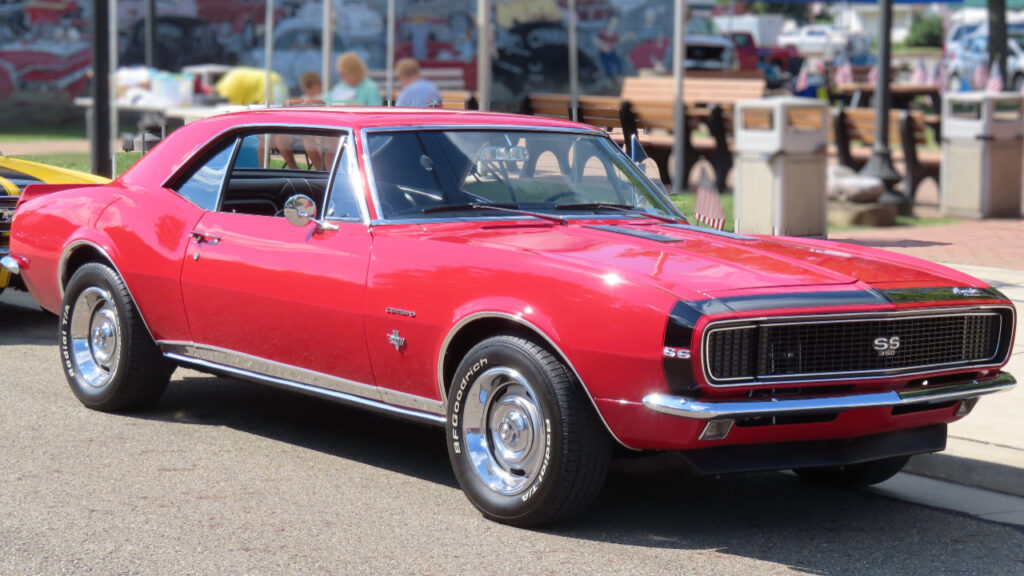
While the Camaro SS 350 topped out at, well, 350 cubic inches, the 1967 Firebird 400 came straight from the factory with a legit 400-cubic-inch V8. Rated at 325 hp and 410 lb-ft of torque, it borrowed the same block from the GTO. It wasn’t just marketing—it actually packed the displacement.
That meant strong off-the-line torque and real muscle car credibility. It could do the quarter mile in the high 14s with the right gearing. No need to order a special COPO version to get big-block power here—it came standard on the Firebird 400 trim.
Functional Ram Air Was an Option
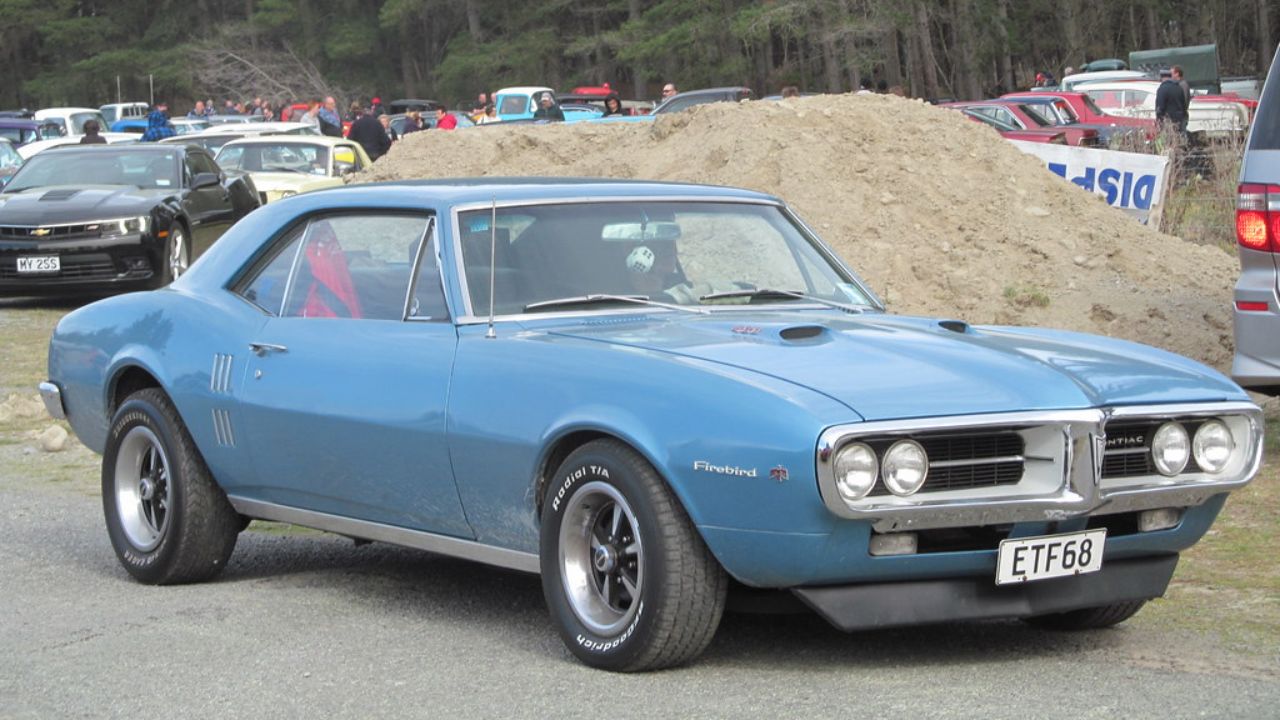
Pontiac didn’t just badge the Firebird 400 as performance—it backed it up with real hardware. Ram Air I was available in ’67, including a special cam, stronger valve springs, and open scoops on the hood tied directly to the air cleaner.
While GM famously downplayed horsepower ratings, insiders believe the Ram Air version was closer to 360 hp. That gave the Firebird 400 extra credibility among street racers. And unlike most pony cars of the day, it had a performance pedigree that linked it to the GTO’s success.
Better Weight Balance Than You’d Think

The 400-cube engine wasn’t small, but the Firebird still managed decent weight distribution compared to some nose-heavy muscle cars. Thanks to Pontiac’s attention to balance and tuning, the 1967 Firebird 400 didn’t feel like a straight-line-only machine.
Paired with the optional Ride and Handling Package, it offered firmer springs, stiffer shocks, and wider tires. For a late-’60s muscle car, it handled corners with more confidence than most buyers expected—especially compared to other GM intermediates.
Unique Styling Cues Set It Apart
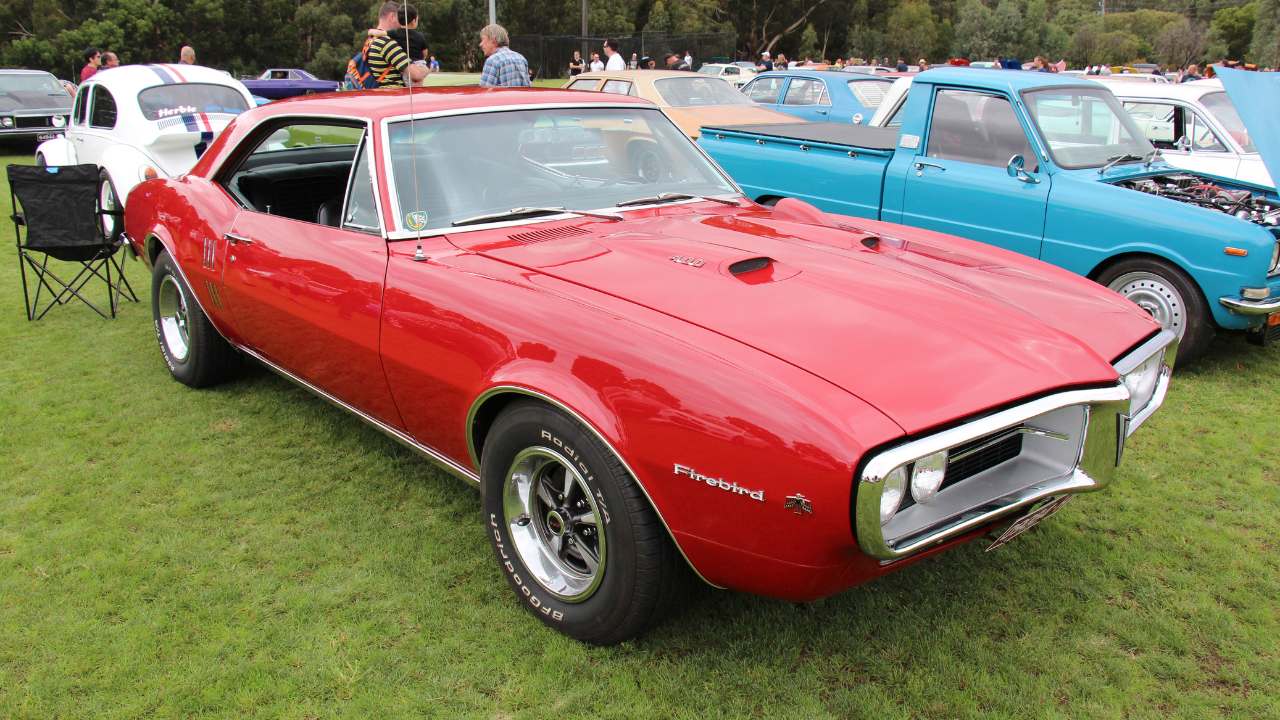
While the Camaro and Firebird shared the F-body platform, Pontiac gave the Firebird 400 its own identity. The split grille, hood-mounted tach, and louvered tail lights made it look sharper and a bit more aggressive than its Chevy cousin.
You also got chrome bumper accents and specific badging. On top of that, Pontiac kept the interior upscale—with available deluxe trim, real wood veneer, and options like the fold-down rear seat. It wasn’t a stripped-out muscle car—it aimed higher.
A Hood Tach That Actually Worked
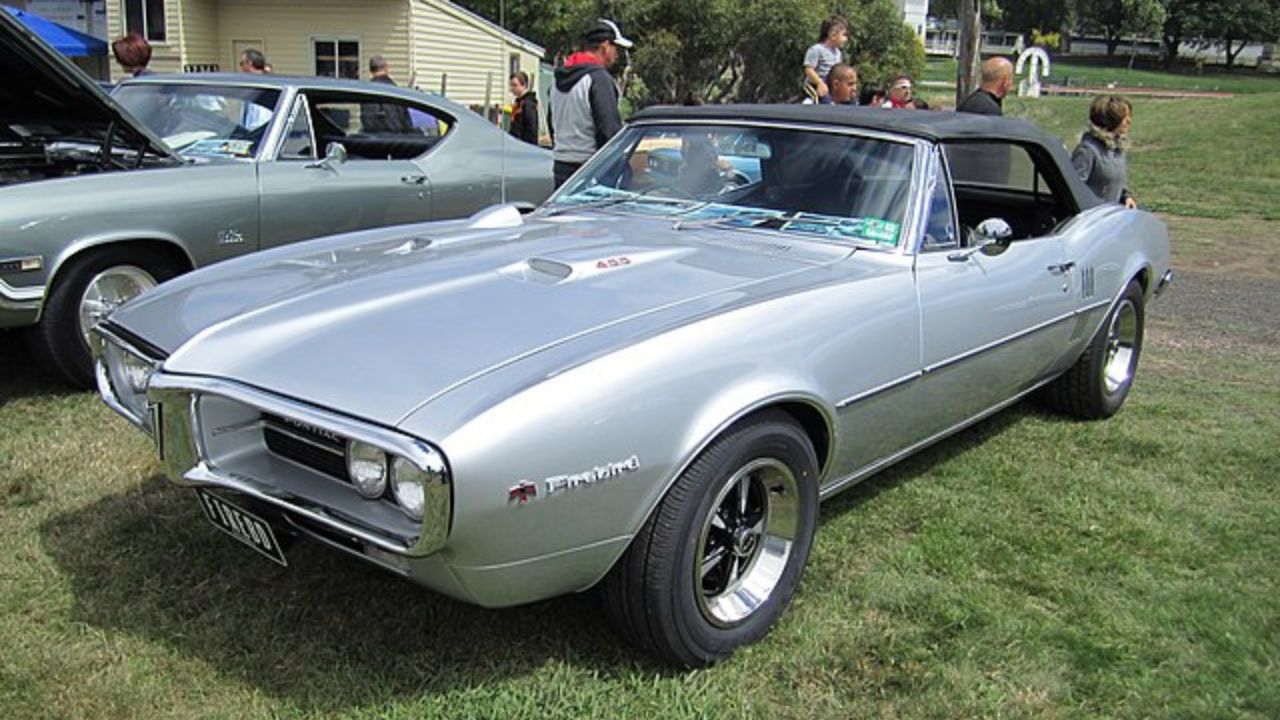
Pontiac mounted the tachometer on the hood so you could keep your eyes on the road, and it wasn’t just for show. The optional hood tach on the 1967 Firebird 400 was functional, accurate, and visible even in bright sunlight thanks to a tinted lens.
It became a signature Pontiac touch that others soon copied. It may not seem like much now, but in the ’60s, seeing your revs without looking down was a big deal—especially when launching hard from a stoplight.
A Wide-Ratio 4-Speed Made It Lively
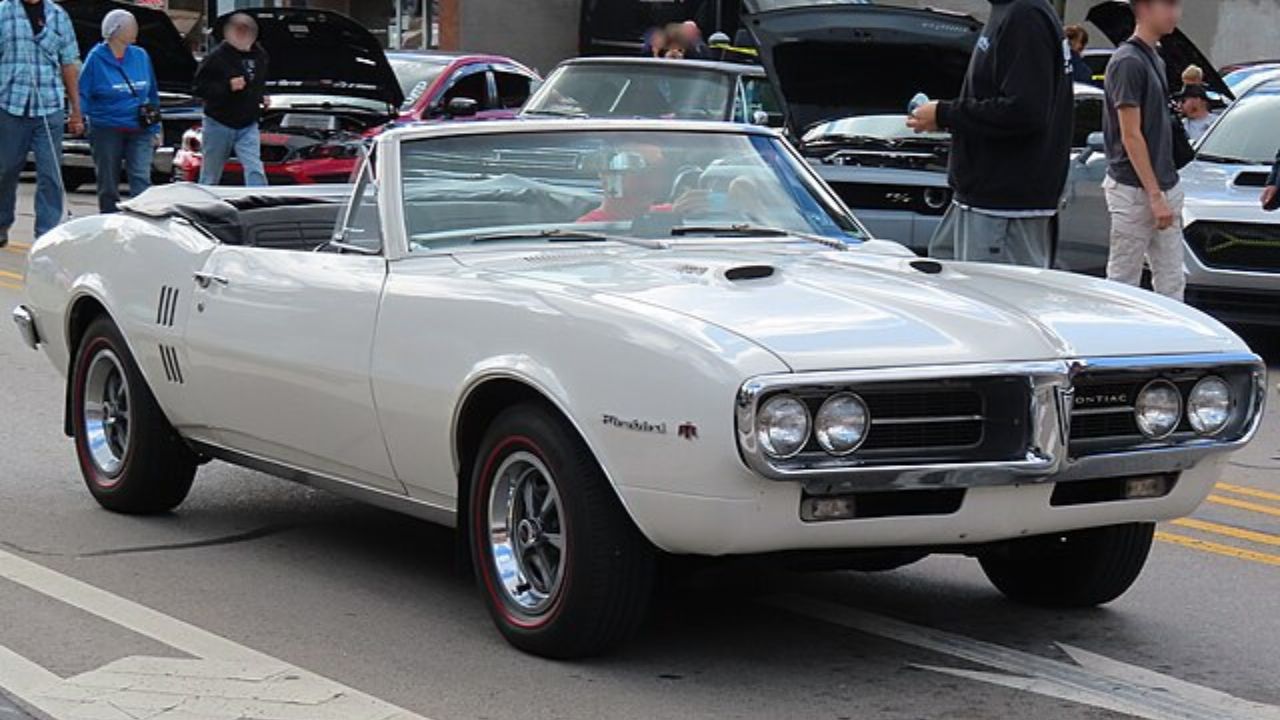
You could pair the Firebird 400 with a wide-ratio Muncie M20 4-speed manual, which gave it serious flexibility around town and at higher speeds. First gear helped get the heavy-hitter moving without bogging down, while fourth kept highway revs tolerable.
Combined with a 3.55 or optional 3.90 rear axle, the gearing made full use of the torque-rich 400. It wasn’t just quick—it felt responsive in real-world driving, where midrange pull mattered more than top-end numbers.
No COPO Games Needed
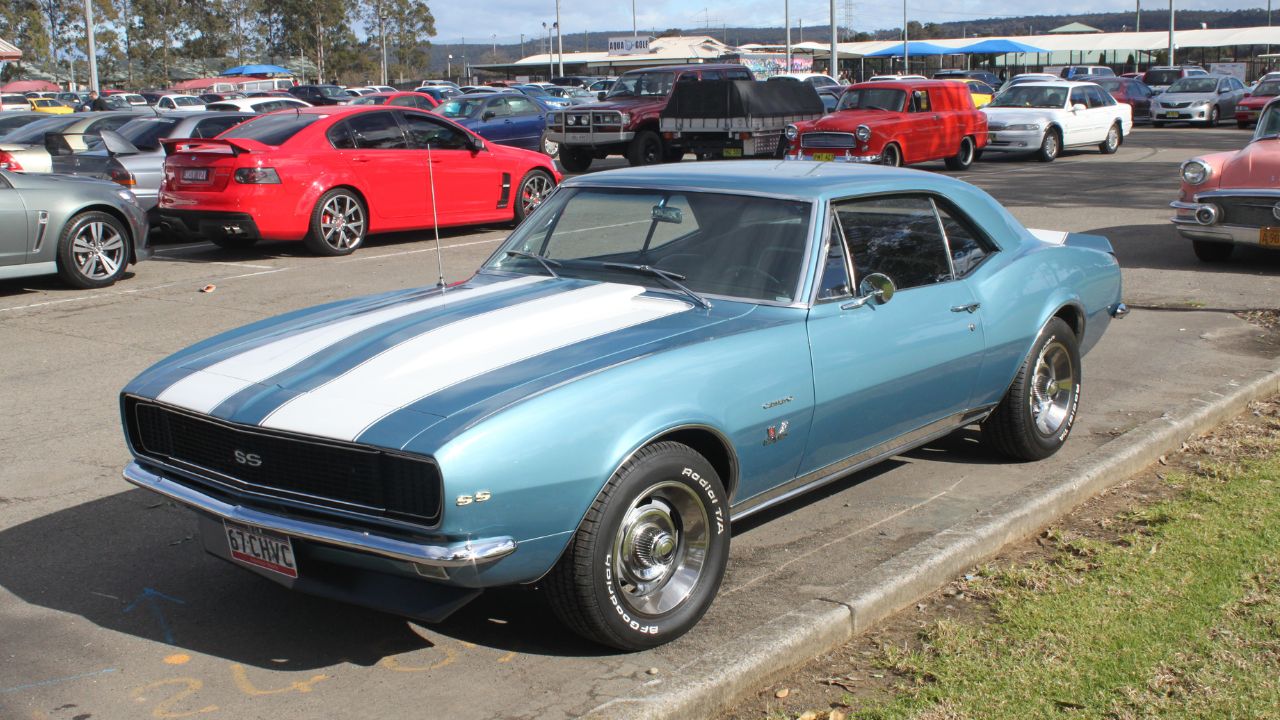
One of the major perks of the Firebird 400? You didn’t need to pull strings or know a dealer who knew a guy. Unlike the 396 Camaro SS or COPO versions with 427s, Pontiac made big power easily accessible to the average buyer.
The 400 package was factory-approved, fully warrantied, and available right off the lot. No backdoor orders, no hush-hush options. Just walk in, check the 400 box, and drive out with one of the quickest pony cars of the year.
It Stood on Its Own
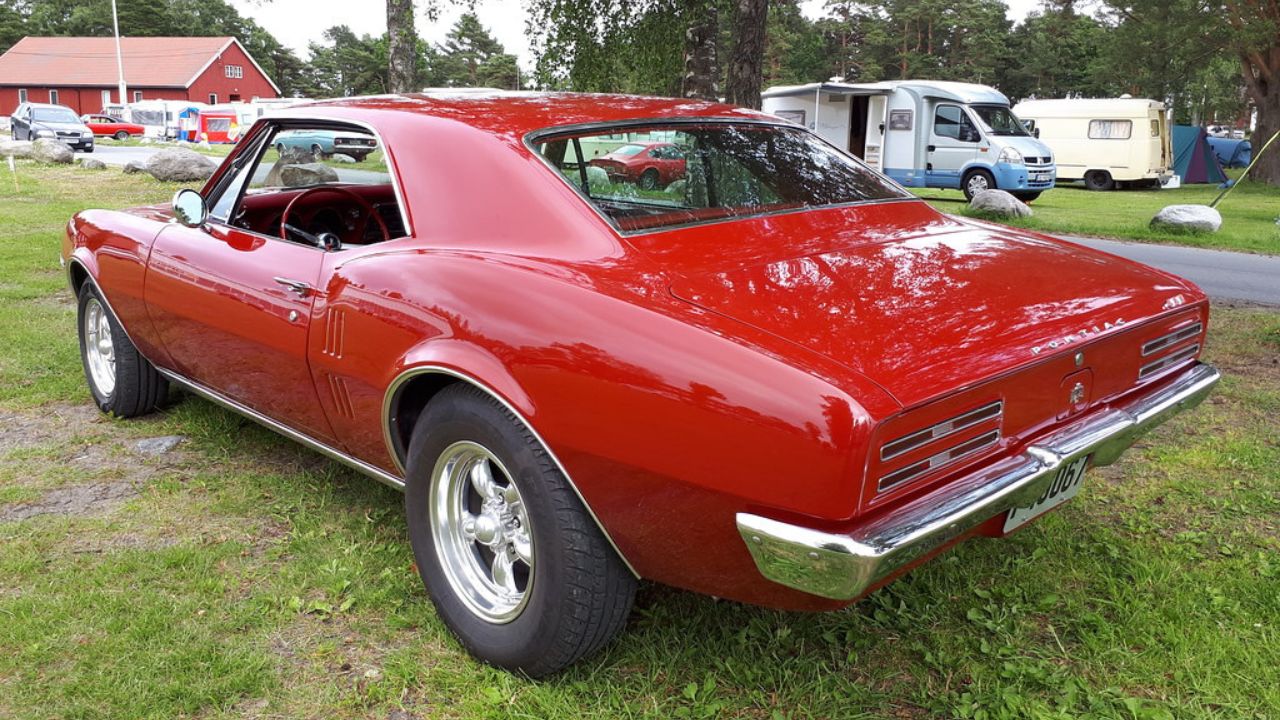
The 1967 Firebird 400 wasn’t trying to be a Camaro. It was built for a different buyer—someone who wanted performance with a touch more refinement. It carved out its own space in the GM lineup, mixing muscle with maturity.
By 1968, sales confirmed that the Firebird had a loyal following. And while it never sold in Camaro numbers, the Firebird 400 earned respect by offering real performance, sharp design, and no excuses. It might’ve shared some DNA, but it never played second fiddle.
Like Fast Lane Only’s content? Be sure to follow us.
Here’s more from us:
*Created with AI assistance and editor review.