Each decade reshapes which drivers and machines define performance, yet the 1980s keep roaring back into the fast lane. Each new auction record, restomod build, and track revival shows that the era’s wildest icons finally gain the respect they deserve.
Each turbo legends rewrite what performance means today
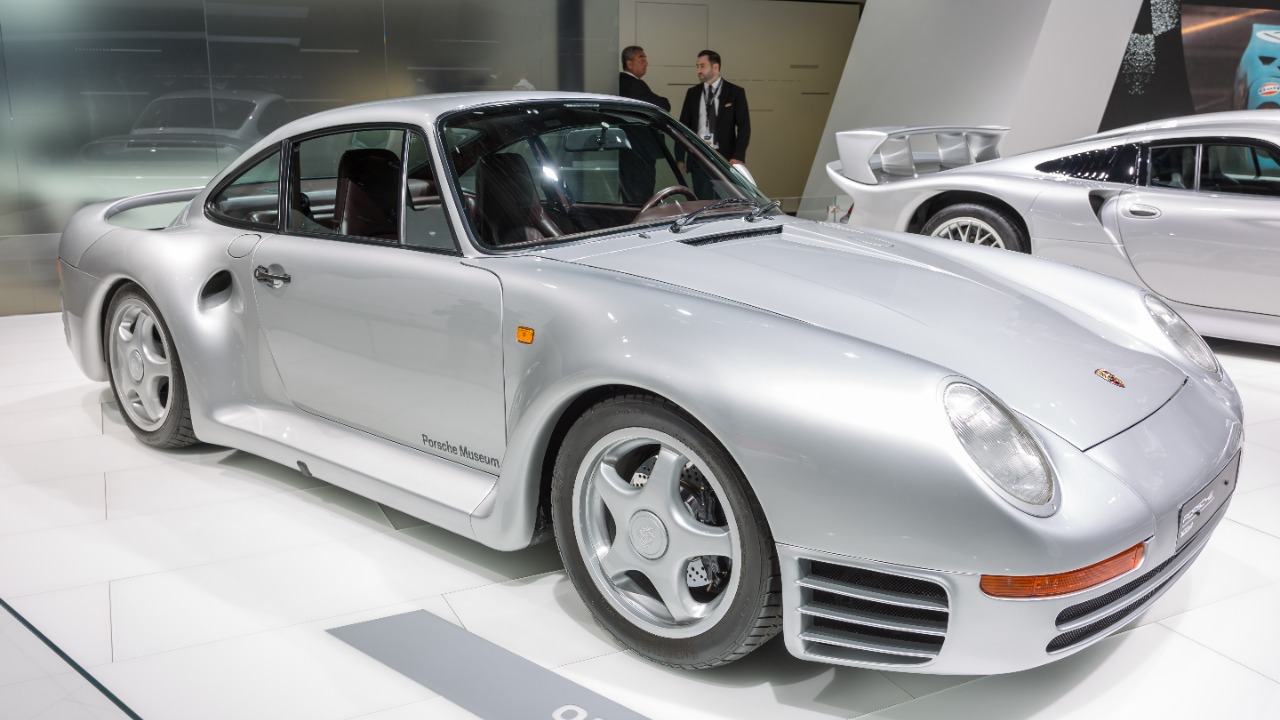
Each enthusiast now recognizes that 1980s turbocharged homologation specials laid groundwork for modern performance benchmarks across both road and track. Each car like the Ferrari F40, Porsche 959, and Buick GNX proved forced induction could deliver brutal acceleration with everyday drivability, a template that modern turbocharged sports cars still follow. Each collector market signal, from rising valuations to limited production continuation parts, confirms that these machines now sit alongside 1960s muscle as blue-chip performance references, not quirky experiments.
Each modern tuner scene also circles back to these turbo pioneers, borrowing their mix of laggy drama and high-boost payoff. Each build that recreates Group B–style power levels in streetable form echoes the engineering daring of those original homologation cars. Each auction listing that highlights original turbo hardware, factory boost controllers, and period-correct intercooler setups underlines how the 1980s finally receive credit as the decade that normalized serious turbo performance for everyday drivers.
Each analog supercar reminds drivers why feel still matters
Each time drivers climb from a modern dual-clutch monster into an analog 1980s supercar, the contrast feels almost shocking. Each gated shifter, unassisted steering rack, and high-revving naturally aspirated engine reminds enthusiasts that raw feedback once mattered more than lap-time optimization. Each car like the Lamborghini Countach, Ferrari Testarossa, and Porsche 911 Carrera 3.2 now benefits from a nostalgia wave that values involvement over outright numbers, especially among younger collectors discovering these machines through video platforms and driving events.
Each modern review that revisits these icons tends to highlight the same traits, including heavy clutches, tricky visibility, and demanding handling. Each of those so-called flaws now reads like a feature, proof that the driver must bring real skill to unlock the car’s potential. Each track day where an older supercar runs alongside modern machinery shows that engagement, sound, and character still matter as much as stopwatch results.
Each Group B refugee finally earns road respect
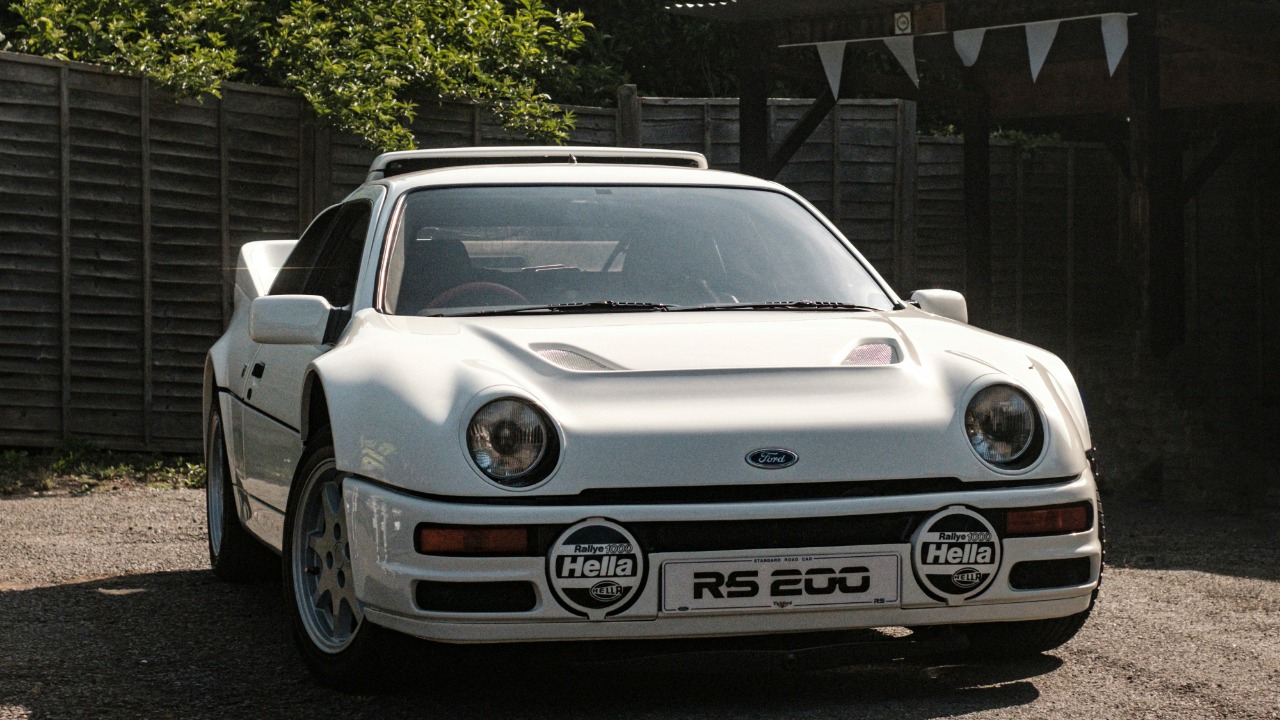
Each 1980s rally homologation special spent years overshadowed by its own motorsport mythology, treated more like trivia than serious hardware. Each road-going Audi Sport Quattro, Lancia Delta Integrale, and Ford RS200 carried engineering born from Group B’s extreme regulations, yet mainstream performance culture long focused instead on later Japanese all-wheel-drive heroes. Each recent surge in values and specialist restoration shops signals that enthusiasts now recognize these cars as foundational to modern rally-inspired performance sedans and hot hatches.
Each modern all-wheel-drive performance car, from Subaru WRX to Mercedes-AMG A45, traces part of its DNA to those 1980s experiments. Each innovation like sophisticated center differentials, turbocharged four-cylinder torque, and gravel-ready suspension tuning first appeared in those homologation specials built for road legality. Each time collectors chase low-mileage examples or commission sympathetic upgrades, they help cement Group B refugees as legitimate road legends rather than mere footnotes in rally history.
Each Japanese performance pioneer steps from cult to canon
Each 1980s Japanese performance car once lived in the shadow of European exotics, yet today many command equal respect and attention. Each model like the Toyota AE86, Nissan 300ZX Turbo, Mazda RX-7 FC, and Honda CRX Si introduced a new formula that prioritized balance, reliability, and tuning potential. Each of those traits now defines modern performance culture, especially among younger drivers who grew up with these cars in racing games and anime rather than glossy European brochures.
Each drift event, time-attack series, and grassroots track day still leans heavily on 1980s Japanese chassis that refuse to fade away. Each lightweight coupe with a rev-happy engine and simple rear-wheel-drive layout offers an affordable entry point into serious driving skill development. Each restomod build that adds modern coilovers, standalone engine management, and big-brake kits to an AE86 or RX-7 shows how these platforms finally receive the long-term investment once reserved only for European classics.
Each American muscle reboot proves the V8 never left
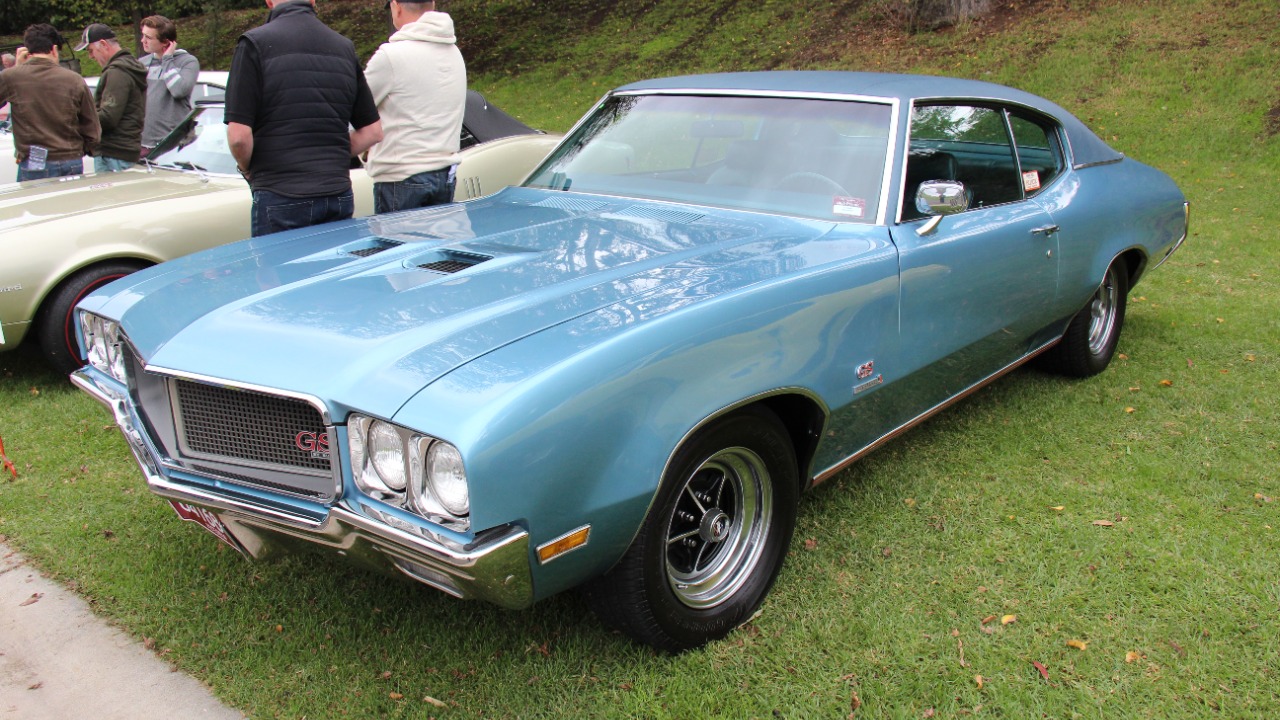
Each 1980s American performance car had to fight through emissions constraints and fuel-economy pressure, yet several models still delivered serious thrills. Each third-generation Chevrolet Camaro IROC-Z, Ford Mustang SVO, and Buick Regal Grand National showed that Detroit could adapt, mixing lighter platforms with either turbocharged fours or torquey V8s. Each of those cars now benefits from a reassessment that sees them not as compromised stopgaps but as the bridge between 1960s muscle and today’s sophisticated pony cars.
Each modern Camaro SS, Mustang GT, and Challenger R/T owes a debt to the engineering lessons learned during that transitional decade. Each focus on chassis stiffness, aerodynamics, and fuel-injected powertrains started gaining traction in the 1980s, even when headline horsepower figures lagged earlier glory days. Each collector who hunts for clean IROC-Zs or low-mileage Grand Nationals helps rewrite the narrative, proving that the V8 and its turbocharged alternatives never truly left American performance culture.
Each tuner shop and aftermarket hero shapes today’s builds
Each 1980s performance icon also owes part of its modern reputation to the tuner culture that grew around these cars in period. Each shop that experimented with bigger turbos, standalone ECUs, and custom suspension packages turned relatively accessible coupes into giant killers on street and strip. Each of those early experiments laid the groundwork for today’s thriving aftermarket, where bolt-on kits and plug-and-play electronics make serious power more attainable than ever.
Each modern restomod that blends 1980s styling with contemporary hardware reflects lessons learned from those pioneering tuner builds. Each decision to retain original body lines while upgrading brakes, cooling, and safety equipment shows respect for the base car’s character. Each time a builder chooses an 1980s chassis for a high-profile project, it reinforces the idea that these platforms now sit firmly in the performance hall of fame rather than the bargain bin.
Each digital childhood memory now fuels real-world demand
Each new generation of buyers brings its own nostalgia, and for many current enthusiasts, the 1980s exist first as pixels and polygons. Each childhood spent racing polygonal Countachs, Testarossas, and Group B monsters in early console games now translates into adult purchasing power. Each collector who finally acquires the car once driven virtually helps push demand, raising values and encouraging restorations that might otherwise never happen.
Each streaming channel, driving simulator, and social media feed keeps these 1980s icons in constant circulation for audiences who never saw them new. Each detailed virtual model, complete with period-correct interiors and turbo lag simulations, educates future owners about what makes these cars special. Each crossover between digital fandom and real-world ownership tightens the feedback loop, ensuring that 1980s performance legends remain aspirational rather than fading into obscurity.