Traffic stops occupy a strange place in a driver’s life. Most end with a warning or a ticket and a slightly elevated heart rate, yet officers treat every stop as a potential fight for survival. The shift from routine to risky can happen in seconds, and it often has less to do with the original violation than with how you and the officer interpret each other’s behavior.
By understanding which actions raise concern and which help everyone stay calm, you give yourself the best chance of a brief, uneventful encounter. You also make the stop easier for the officer, who may already be on edge from previous incidents that did not end well.
Why a “simple” stop never feels simple to an officer
From the moment you see blue lights in the mirror, the officer is already running through a mental checklist. Traffic stops are unpredictable, and the person behind the wheel might be a distracted commuter or someone fleeing a violent crime. Training materials describe every contact as a potential fatality for the officer, the public, or the occupants, which is why there is such emphasis on HIGH RISK STOP procedures.
You may feel singled out for a minor issue like a rolling stop or a dead taillight. The officer, meanwhile, is thinking about where to position the patrol car, how to approach your door, and whether anything about your driving suggests impairment or an attempt to flee. That mindset does not mean the officer assumes you are dangerous. It reflects the reality that some of the most serious incidents have started with something that looked minor.
The first big test: how you pull over
The way you respond in the first few seconds after the lights come on sets the tone. Officers describe several early red flags when a driver does not pull over promptly. If, after the stop begins, your vehicle keeps rolling at a slow pace or drifts along the shoulder, it can look as if you are buying time to hide contraband or coordinate a plan. Training guides list this kind of delay among the top red flags for.
Your safest move is straightforward. As soon as you realize you are being stopped, signal, slow in a controlled way, and choose a safe, visible place to pull over. Officers are trained to control the location of the stop, so if they direct you over a PA system or with hand signals to move to another spot, follow those instructions calmly.
After you stop, put the vehicle in park, set the parking brake if needed, and stay inside unless told otherwise. Turning off loud music and rolling down your window signals that you are ready to listen and cooperate.
What your hands and body language are saying
Officers repeatedly describe hands as their biggest concern. They cannot ignore the possibility that you might reach for a weapon, which is why training materials emphasize that hands pose the during a stop. If your hands suddenly disappear between the seats, under your thigh, or into a bag, the officer has to assume the worst until they can verify otherwise.
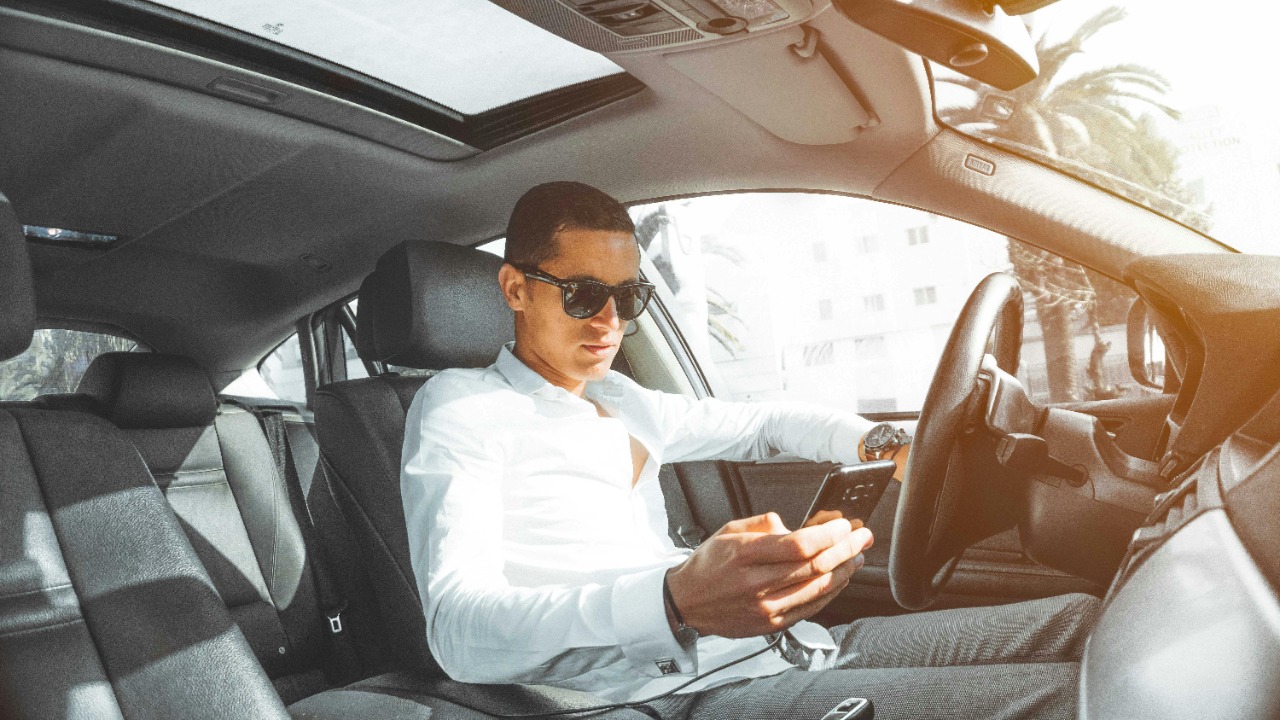
You can reduce tension immediately by placing both hands on the steering wheel where they are easy to see. If it is dark, turning on your interior dome light helps too. When you need to reach for your license, registration, or insurance, say what you are about to do before you move. A simple line like, “My wallet is in my back pocket; I am going to reach for it now,” gives the officer a chance to process your movement as non-threatening.
Body language matters as well. Officers look for lots of frantic movement inside the car, which can signal that someone is hiding drugs, a weapon, or open alcohol. Guidance on behavioral signs notes that even innocent rummaging can be misread. You help yourself by sitting relatively still, waiting for instructions, and moving slowly and deliberately when asked.
Words that turn up the temperature
Your tone can do as much as your hands to keep a stop from escalating. In one survey on Non Compliance During, officers reported that their main safety concerns center on drivers who refuse basic instructions, argue over every step, or try to control the encounter.
Staying calm does not mean giving up your rights. You can disagree with the reason for the stop, ask for clarification, or decline consent to a search without raising your voice or stepping outside the officer’s instructions. Phrases like “I do not consent to a search” or “I would like to speak to a lawyer” are clear and assertive without being inflammatory.
By contrast, threats, insults, or sudden outbursts often trigger a shift in the officer’s posture and tactics. Once the officer believes the situation is becoming volatile, they are more likely to call for backup, reposition you or your passengers, or move toward a higher level of control.
Behavior that flips a stop into “high risk”
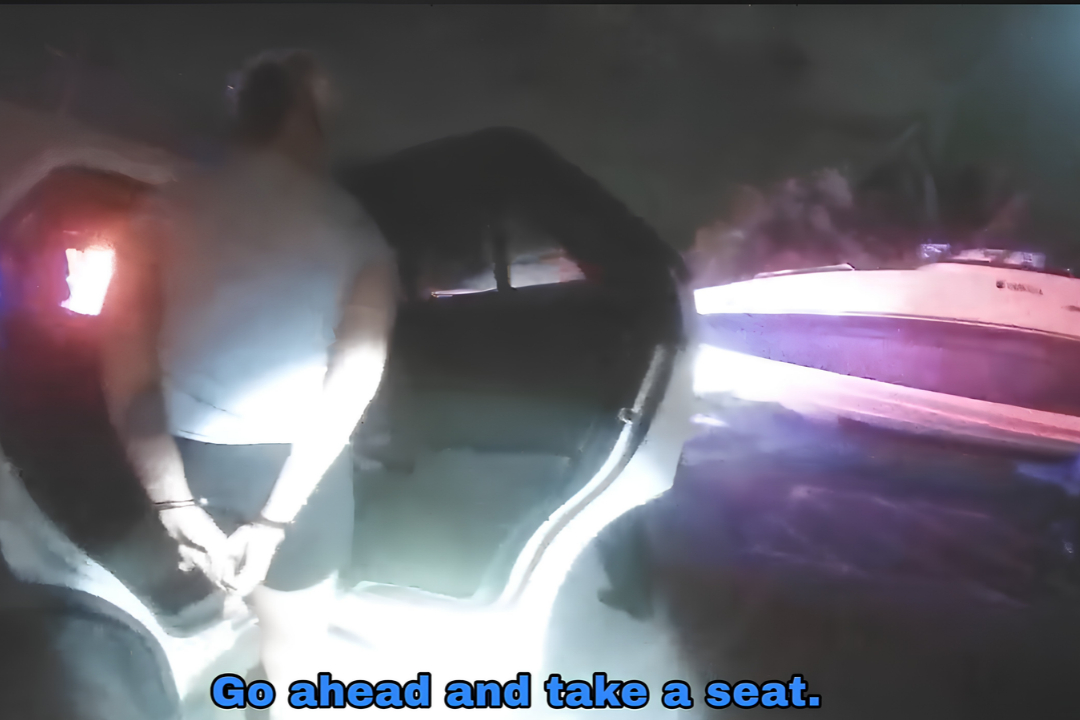
Most traffic stops remain in a low-risk category, even if there is some tension. Certain behaviors, however, can push an officer to treat the encounter as a potential felony situation. Training materials describe a high risk stop as one where it is known or reasonably believed that the vehicle or its occupants are linked to a serious crime, are armed, or have fled from police. In that scenario, officers may stay behind cover, issue commands by loudspeaker, and order you to walk backward toward them.
Some of the triggers are out of your control, such as information from dispatch that the license plate belongs to a stolen car or a wanted suspect. Others stem from your own choices. If you attempt to move the vehicle after stopping, especially if you lurch forward or try to change lanes again, officers treat that as a major warning sign. Training on driver attempts to behavior notes that this can signal a plan to flee or ram a patrol car.
Other red flags include scanning the area as if you are looking for escape routes, repeatedly checking mirrors instead of engaging with the officer, or opening your door without being asked. Even if you are just nervous, those actions can look like preparation for a fight or a run.
Impairment, hidden risks, and why officers assume more than you see
Officers know that some of the highest levels of non-compliance come from drivers suspected of being under the influence of drugs or alcohol, or those believed to be involved in another crime. Survey responses on highest levels of describe how impairment often shows up as delayed responses, inconsistent stories, or exaggerated attempts to act “totally normal.”
Even if you are sober, you might display some of the same signs simply because you are anxious. Fumbling with documents, avoiding eye contact, or overexplaining your trip can look like deception. Officers are also trained to notice subtler indicators of intoxication during a stop, such as the smell of alcohol, slurred speech, or open containers in the vehicle, as described in guidance on what police look in suspected DUI cases.
You cannot control every impression, but you can slow yourself down. Take a breath before you answer questions, focus on what is being asked instead of volunteering a long narrative, and avoid sudden changes in your story. If you genuinely do not know an answer, saying “I am not sure” is safer than guessing and then contradicting yourself.