The Chevrolet big-block V8 that came to symbolize the classic muscle era did more than win stoplight races. It reset expectations for what a family-brand coupe or sedan could do, forced rivals into an escalating horsepower contest, and left a sound and image that still shape how enthusiasts define American performance.
Even as electric platforms and turbocharged four-cylinders move into the spotlight, the legend of that Chevrolet big-block keeps growing. Its story links the glory days of the Chevelle SS and Camaro to the modern collector market and to the way manufacturers still sell power, drama, and nostalgia.
How Chevrolet’s big-block 454 rewrote the rules
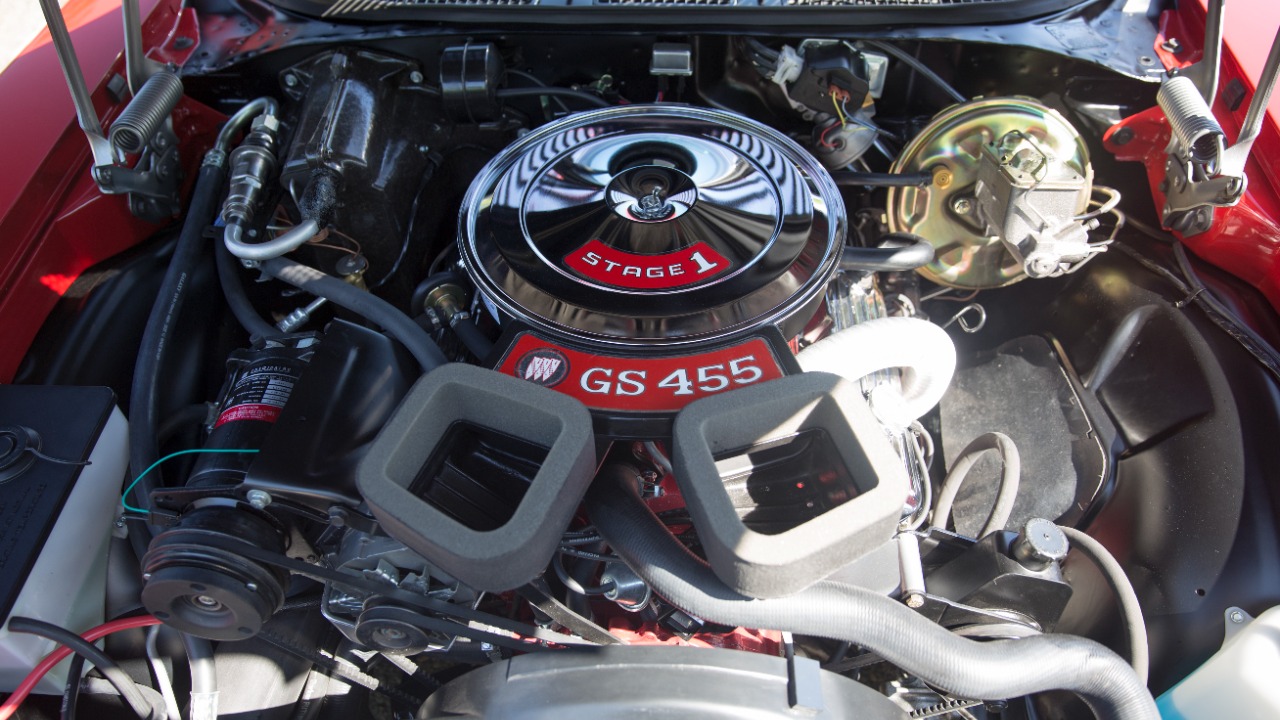
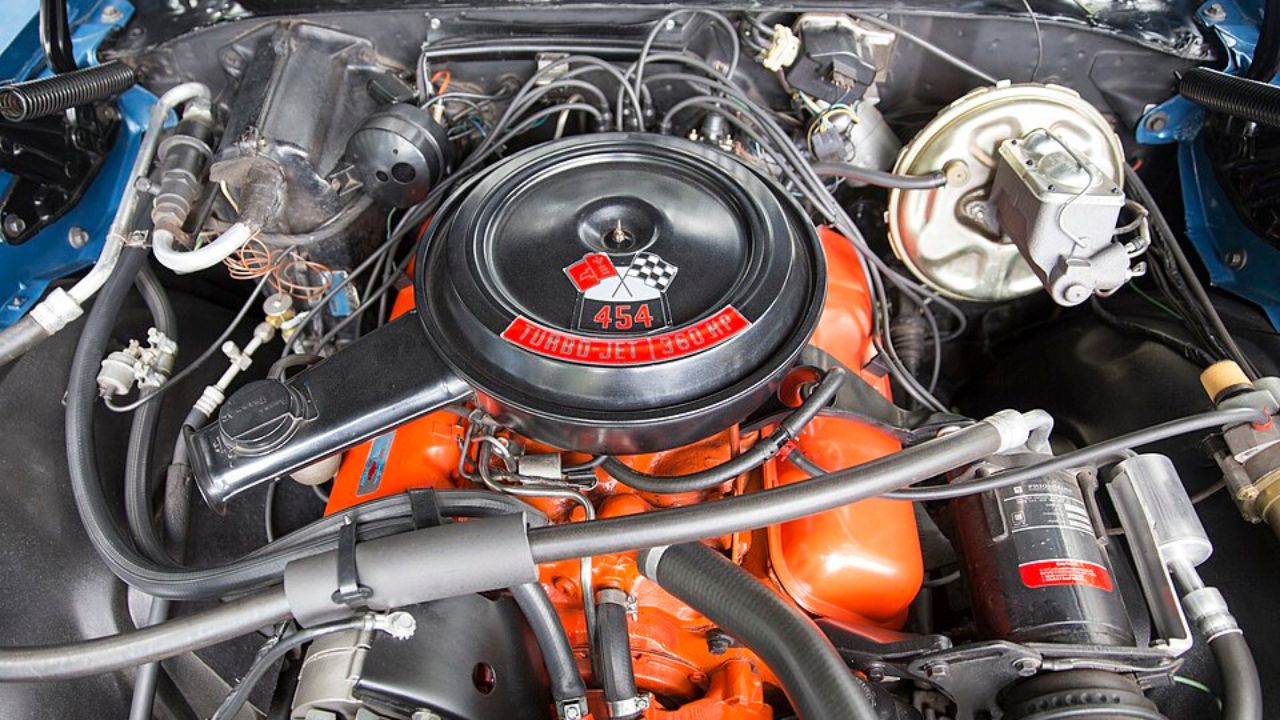
Among Chevrolet V8s, the 454 cubic inch big-block stands out as the engine most closely associated with the peak of the muscle era. It arrived as Detroit was chasing ever larger displacement and higher advertised horsepower, and it quickly became the centerpiece of Chevrolet’s most aggressive street machines. In Chevelle SS trim, the 454 turned a mid-size family car into a straight-line weapon that still anchors lists of the top American muscle.
Building on earlier big-block designs, the 454 pushed them into more extreme territory. Period performance versions used high compression, large-port cylinder heads, and aggressive camshaft profiles to produce towering torque at low rpm. Contemporary coverage of the Chevy 454 engine highlights how this combination delivered brutal acceleration in relatively simple, carbureted packages that owners could tune with basic tools.
That brute-force character defined the feel of Chevrolet’s late 1960s and early 1970s muscle lineup. In Chevelles, Camaros, Novas, and full-size models, the 454 gave buyers a factory path to quarter-mile performance that had previously belonged to race shops. Enthusiast retrospectives describe the big-block as the powerplant that defined an entire of American performance, in part because it appeared in such a wide range of cars and trucks.
The 454 also entered a period of fierce competition. Ford’s 428 and 429, Chrysler’s 426 Hemi, and Pontiac’s 400 and 455 were all chasing similar buyers. Ford’s halo models, including the 1967 Mustang GT500 that many regard as a definitive muscle car, helped set the stage. Chevrolet responded by making sure its big-block not only matched rivals in output but also felt accessible and modifiable for weekend racers.
What set the 454 apart from smaller Chevrolet V8s was not only displacement but also attitude. The engine was physically larger and heavier, which affected handling, yet buyers accepted that compromise in exchange for the tidal wave of torque. The sound of a big-block at full throttle, with its deeper, slower beat compared with high-revving small-blocks, became part of Chevrolet’s identity in advertising and motorsport.
Why that big-block legacy still matters
More than half a century later, the engine that powered those Chevelles and Camaros still shapes how enthusiasts and automakers talk about performance. Modern lists of standout American coupes and sedans continue to celebrate 1960s and early 1970s Chevrolets among the muscle cars showing, and the presence of the 454 in those models is a major reason.
Collector values reflect that influence. Chevelle SS 454s and early 1970s Camaros with big-block power routinely command premiums over similar cars with small-block engines. The engine code on a build sheet can add significant value because it ties a particular car back to the height of the horsepower wars. Auction catalogs often spotlight original 454-equipped cars as centerpiece lots, emphasizing matching numbers and factory-correct components.
The 454 also matters because of what it represents about a specific moment in regulation and technology. It arrived just as emissions rules and insurance concerns were starting to clamp down on output. Within a few model years, compression ratios dropped and advertised horsepower figures fell sharply. That brief window when Chevrolet sold some of its strongest big-blocks in showroom cars has taken on near-mythic status in enthusiast memory.
In cultural terms, the Chevrolet big-block helped define the visual and sonic language of American muscle. Movies and television leaned on Chevelles, Camaros, and other GM products to signal rebellious characters or high-stakes chases. The image of a cowl-induction hood, fat rear tires, and a lumpy idle became shorthand for raw, mechanical performance, and the 454 sat at the center of that picture.
Modern performance cars still trade on that heritage. Even when they use smaller, more efficient engines, manufacturers reference classic big-block badges and styling cues. Chevrolet has repeatedly revived SS branding and retro design elements that recall the era when the 454 was new. The emotional connection to that time helps sell contemporary cars that are objectively quicker but less visceral in sound and feel.
The engine’s legacy also shows up in the aftermarket. Builders continue to base high-horsepower street and strip projects on big-block Chevrolet architecture, often using modern internals and fuel injection. The basic layout that powered early 1970s muscle now underpins restomods and pro-touring builds that combine vintage looks with contemporary reliability. For many owners, the appeal lies in keeping a direct mechanical link to the original muscle era rather than swapping in a modern crate engine.
Where Chevrolet’s muscle heritage goes from here
The story of Chevrolet’s defining big-block is not frozen in the past. It influences how enthusiasts restore, modify, and even replace classic powertrains in an era of tightening emissions rules and growing interest in electrification. Owners of 454-powered cars face questions that would have been unthinkable when these engines were new, including whether to preserve every original component or accept modern upgrades that improve drivability.
One direction is meticulous restoration. Collectors who focus on originality aim to keep factory-spec internals, carburetion, and ignition, even if that means living with cold-start quirks and lower reliability. For those buyers, the value lies in authenticity. The engine is treated as a historical artifact as much as a power source, and any deviation from stock is seen as a loss of connection to the period when Chevrolet’s big-block ruled the streets.
Another path is sympathetic modernization. Builders might retain the 454 block but add electronic fuel injection, better cooling, and roller valvetrains. These changes maintain the big-block’s sound and character while making the car easier to drive in traffic and on long trips. The goal is to keep the emotional experience of a classic Chevrolet V8 while acknowledging that modern fuels, traffic patterns, and owner expectations are different from those of the early 1970s.
There is also a small but growing conversation about electric conversions of classic muscle. Some enthusiasts argue that swapping a battery pack and electric motor into a Chevelle or Camaro sacrifices the very thing that made these cars special, particularly the presence of a big-block under the hood. Others see it as a way to keep vintage sheetmetal on the road in cities that may eventually restrict older combustion engines. That debate often circles back to the symbolic weight of engines like the 454 and whether their significance can be separated from the cars that carried them.
For Chevrolet itself, the legacy of its big-block era offers both opportunity and constraint. Future performance models must navigate stricter efficiency and emissions standards while still appealing to buyers who grew up idolizing 454-powered Chevelles. Marketing often leans on heritage cues, but engineering has to deliver performance in very different ways, through turbocharging, hybrid systems, or full electrification.
What remains constant is the benchmark set by that earlier engine. When enthusiasts evaluate a new performance car, they still compare its sense of occasion to the raw, mechanical drama that defined Chevrolet’s big-block era. The 454 in particular serves as a reference point for what a muscle car should feel like under full throttle and how a mass-market brand can capture the imagination of drivers who care as much about sound and sensation as they do about numbers.
More from Fast Lane Only
- Unboxing the WWII Jeep in a Crate
- 15 rare Chevys collectors are quietly buying
- 10 underrated V8s still worth hunting down
- Police notice this before you even roll window down
*Research for this article included AI assistance, with all final content reviewed by human editors