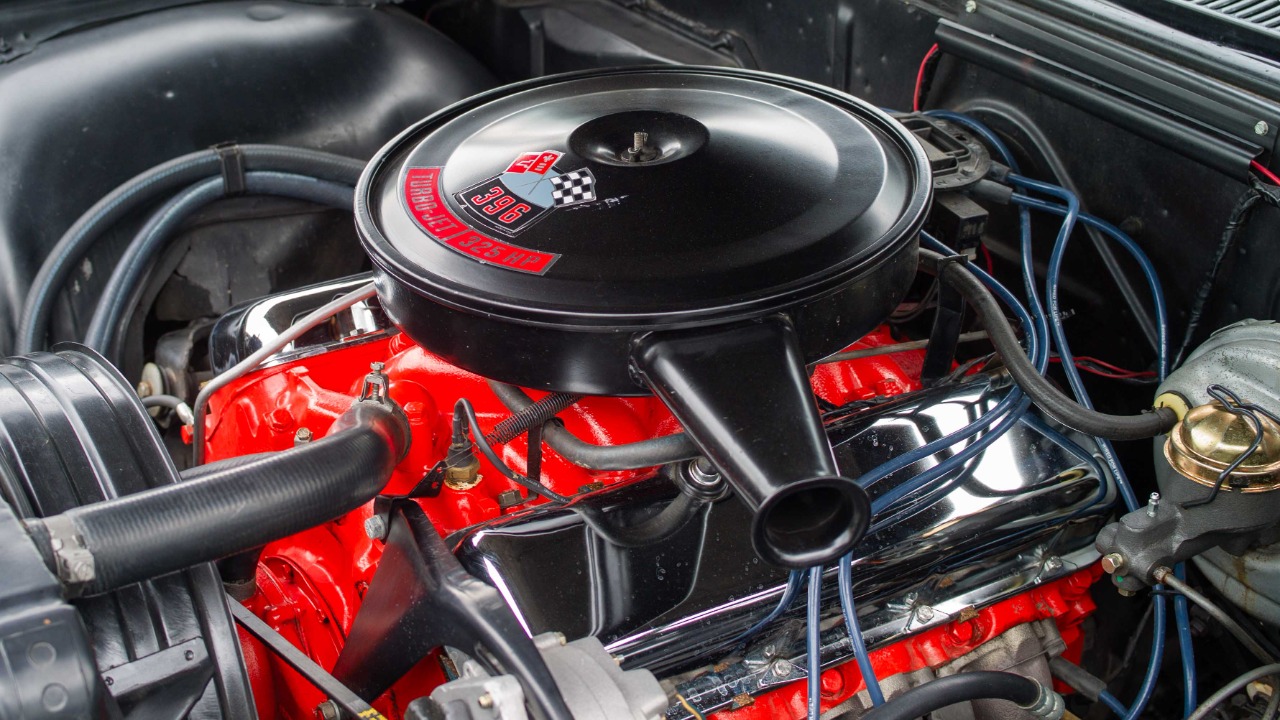
The Chevrolet big block 396 engine, introduced in the mid-1960s, remains a cornerstone of American muscle car history. While it was marketed with specific horsepower ratings, many enthusiasts believe it was capable of producing more power than was publicly acknowledged, leading to its legendary status among car collectors and performance aficionados.
THE ORIGINS OF THE 396 ENGINE
The development of the Chevrolet big block 396 engine marked a significant turning point in the automotive landscape of the 1960s. Emerging from a need for more powerful engines to compete in the rapidly growing muscle car market, Chevrolet engineers sought to create an engine that could deliver both performance and reliability. The transition from small-block to big-block engines was a natural evolution; while the small-block engines had already gained popularity for their performance, the introduction of the 396 allowed Chevrolet to tap into a new segment of the market that craved more power.
Upon its introduction in 1965, the 396 quickly became a key player in Chevrolet’s muscle car lineup. It was initially offered in the Chevelle and later became available in models like the Impala, Camaro, and Corvette. The initial market reception was overwhelmingly positive, with consumers drawn to the engine’s robust performance. Its reputation was solidified by its success on the track and its ability to deliver a thrilling driving experience on the street, making it a sought-after option for muscle car enthusiasts.
TECHNICAL SPECIFICATIONS AND PERFORMANCE
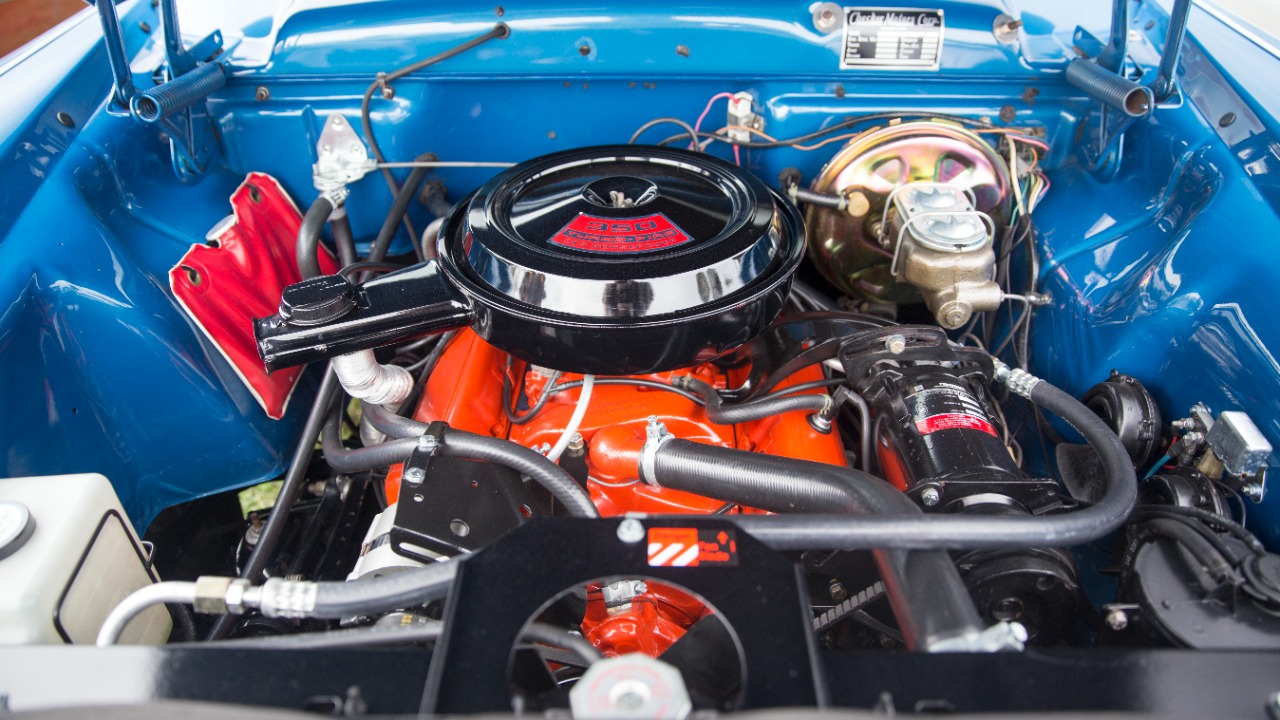
The 396 engine was characterized by its impressive specifications, which contributed to its performance capabilities. With a displacement of 396 cubic inches, it featured an iron block and aluminum cylinder heads, allowing for both durability and weight savings. The engine’s compression ratio was typically set between 10.25:1 and 11:1, depending on the model year and configuration, providing a solid foundation for power production. The 396 was available in several variants, including the L35 and L78, which offered different horsepower ratings and performance characteristics.
When it came to performance metrics, the stock horsepower ratings initially ranged from 325 to 375 horsepower, depending on the specific variant. However, real-world performance often revealed that the engine could deliver more than these figures suggested. For example, tests conducted by automotive magazines in the late 1960s often recorded 0-60 times that were faster than what the factory ratings indicated. Comparatively, engines like the Ford 390 and Chrysler’s 383 were commonly touted at similar power levels, but many enthusiasts found the 396 to outperform them in real-world scenarios, often leading to spirited debates about the true power of these muscle machines.
UNVEILING THE TRUE HORSEPOWER
One of the intriguing aspects of the 396 engine is the testing methods employed during its heyday. In the 1960s, standardized testing practices were not as rigorous as they are today, which may have led to understated power outputs. Many enthusiasts and performance testers have speculated that the horsepower figures published by manufacturers were conservative, possibly to protect the brand’s reputation and mitigate liability concerns associated with high-performance vehicles. As a result, anecdotal evidence suggests that the 396 often exceeded its advertised capabilities.
Street racing experiences and performance tests conducted by enthusiasts frequently revealed the 396’s true potential. Owners who modified their engines reported horsepower increases that far surpassed factory specifications. Some enthusiasts have claimed to have dyno-tested their vehicles and recorded outputs exceeding 400 horsepower with minor modifications. These real-world accounts, combined with the competitive nature of the muscle car scene, have contributed to the perception that the 396 was not only a powerful engine but also an underappreciated one.
LEGACY AND IMPACT ON MUSCLE CAR CULTURE
The legacy of the 396 engine extends beyond its impressive specifications and performance. It played a pivotal role in shaping the design philosophy of future engines in the Chevrolet lineup. The success of the 396 led to the development of even larger big block engines, such as the 427 and 454, which continued to push the boundaries of automotive performance. This evolution showcased Chevrolet’s commitment to innovation and performance, influencing countless manufacturers to follow suit.
Several iconic vehicles featured the 396 engine, solidifying its place in automotive history. The 1966 Chevrolet Chevelle SS396, for instance, became a symbol of American muscle, combining classic styling with raw power. Similarly, the 1967 Camaro and the 1968 Corvette showcased the engine’s versatility and performance capabilities. As these models gained popularity, the 396 became synonymous with the muscle car culture of the era, further enhancing its allure among collectors and enthusiasts.
MYTHS AND MISCONCEPTIONS
Despite its legendary status, several myths and misconceptions have surrounded the 396 engine over the years. One common belief is that the engine’s capabilities were exaggerated by marketing, leading many to underestimate its reliability and performance. In reality, while some advertising may have played up its strengths, the 396 was a robust and reliable engine that stood the test of time. Many enthusiasts have reported their engines running well into the hundreds of thousands of miles with proper maintenance.
Another misconception pertains to the horsepower ratings. Some critics argue that Chevrolet intentionally understated these figures to avoid competition with higher-rated engines from rival manufacturers. However, the reality is more nuanced; the horsepower ratings were reflective of the testing standards of the time and not necessarily indicative of the engine’s true capabilities. As the perception of the 396 has evolved, many enthusiasts appreciate the engine not only for its raw power but also for its historical significance in the development of American muscle cars.
CELEBRATING A CLASSIC
The Chevrolet big block 396 engine has made substantial contributions to automotive history and muscle car performance. Its unique blend of power, reliability, and cultural significance has cemented its status as a classic engine that continues to captivate car lovers today. As interest in classic American muscle cars surges, the 396 remains a focal point for restoration projects and performance builds, drawing in new generations of enthusiasts eager to experience the thrill of driving a piece of automotive history.
The resurgence of interest in classic cars can be attributed to various factors, including the nostalgia for the golden age of muscle cars and the desire for authentic driving experiences. The 396 engine plays a vital role in this revival, serving as a reminder of an era when performance was king and muscle cars ruled the streets. Whether it’s the roar of a Chevelle SS396 or the sleek lines of a 1967 Corvette, the legacy of the 396 lives on, inspiring both old and new generations of automotive enthusiasts.
More from Fast Lane Only
- Unboxing the WWII Jeep in a Crate
- 15 rare Chevys collectors are quietly buying
- 10 underrated V8s still worth hunting down
- Police notice this before you even roll window down
*Research for this article included AI assistance, with all final content reviewed by human editors.