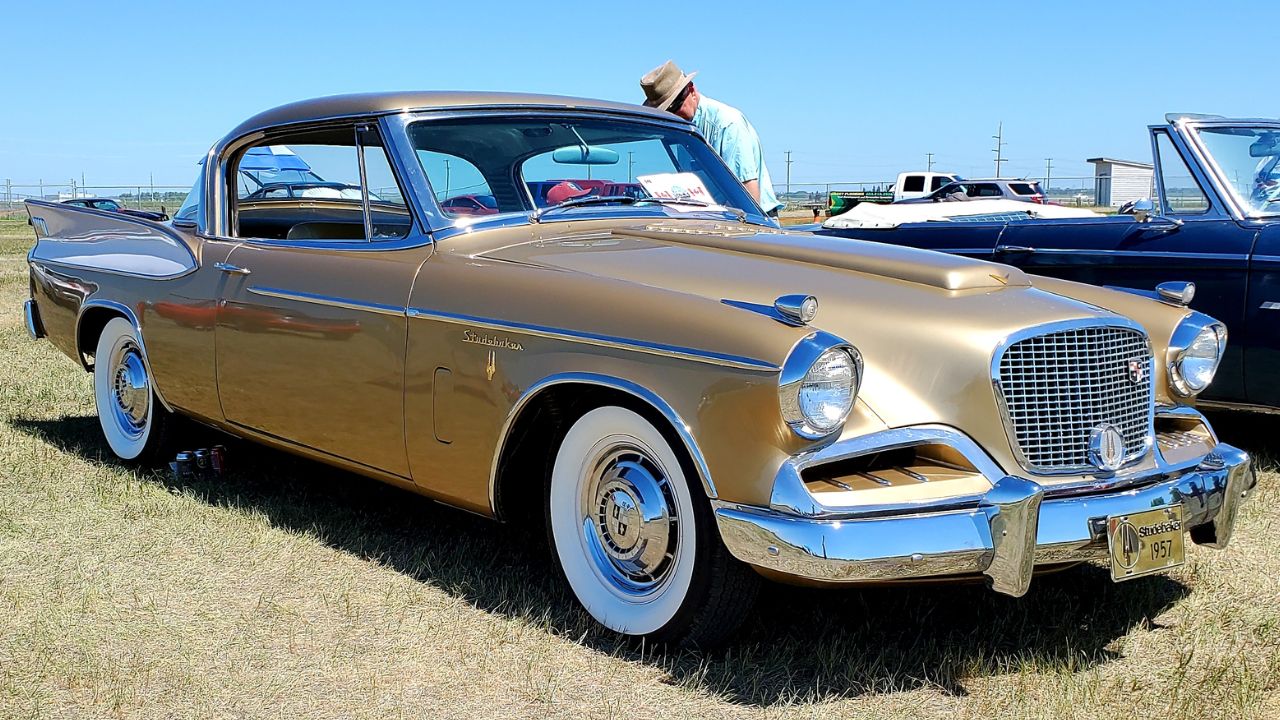
The 1950s were a decade of growing prosperity, expanding highways, new technology, and excitement about the future. American automakers reflected that optimism through colorful paint, chrome, powerful engines, tailfins, and futuristic shapes. These ten automobiles captured the confidence of the era and became lasting symbols of America’s fascination with progress.
Chevrolet Bel Air
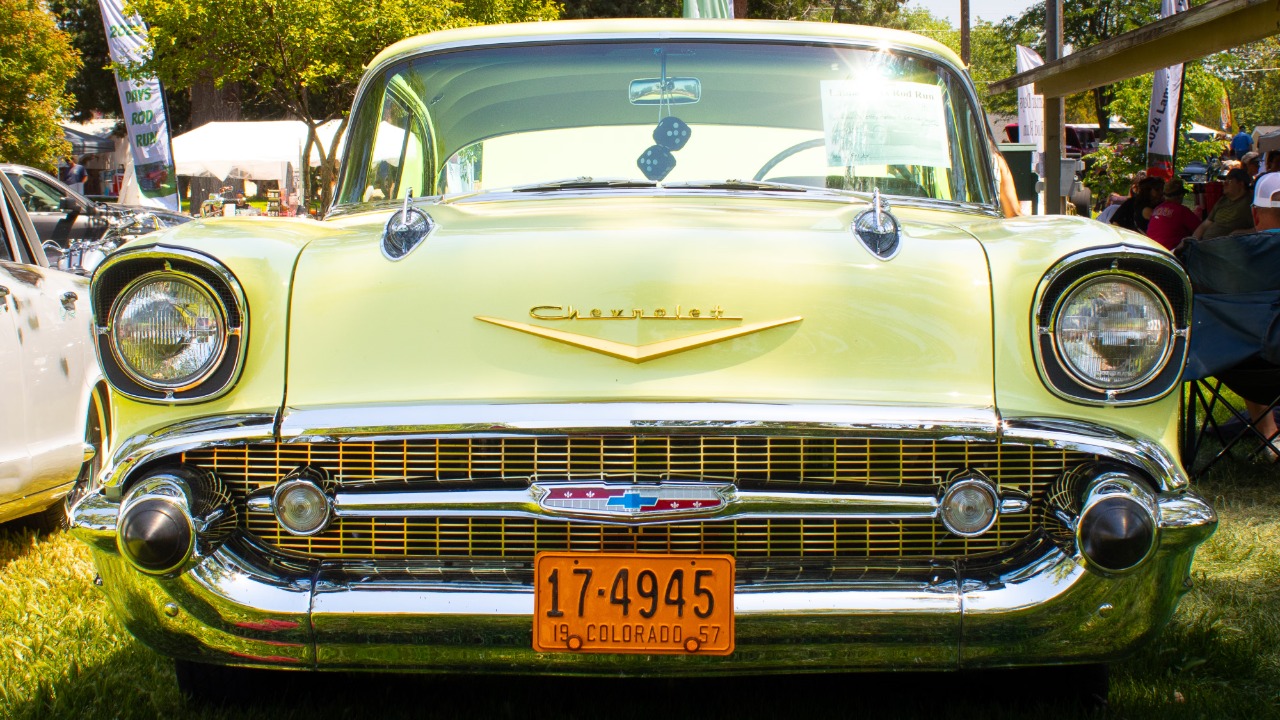
The Chevrolet Bel Air became one of the clearest symbols of 1950s American optimism. Its sweeping body lines, chrome details, wraparound windshield, and dramatic tailfins made it look modern and exciting. Available V8 power added to its appeal. The Bel Air was also attainable for ordinary families, allowing more Americans to experience the decade’s fascination with style, performance, and technological progress.
Ford Thunderbird
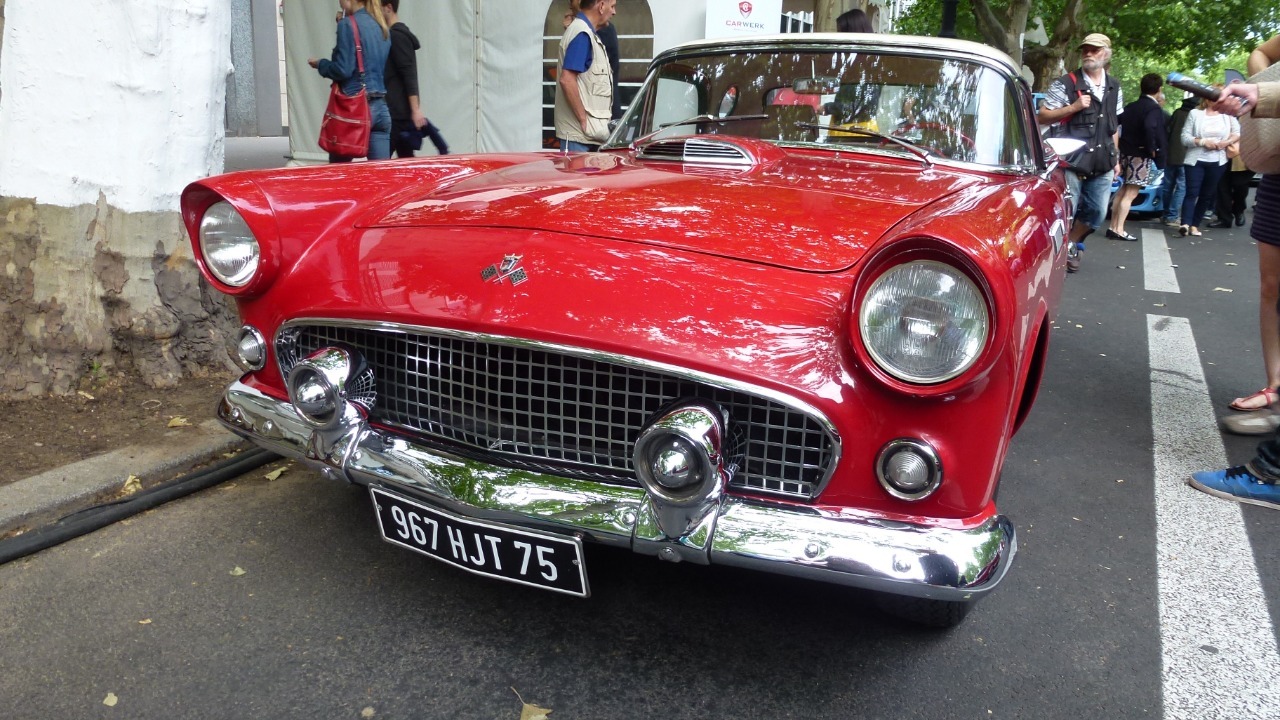
The Ford Thunderbird represented a new kind of American personal car. Its compact two-seat body, V8 engine, and elegant proportions offered something more personal than the huge family sedans of the period. The Thunderbird quickly became associated with freedom, success, and modern living. Its popularity demonstrated how strongly Americans responded to the idea of owning a stylish car designed primarily for enjoyment.
Cadillac Eldorado
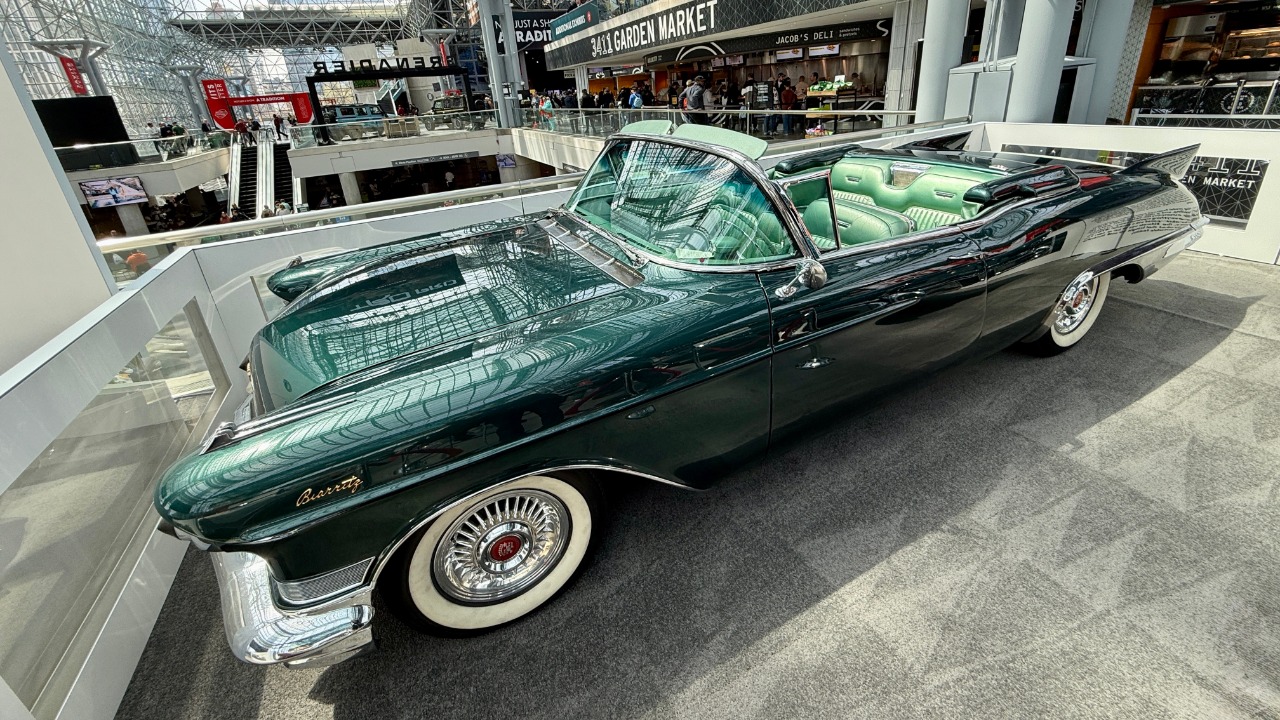
The Cadillac Eldorado represented the extravagant side of 1950s optimism. Its enormous fins, extensive chrome, powerful V8, and luxurious interior reflected America’s confidence in the future. Cadillac used dramatic styling to make the automobile appear almost like a machine from the space age. The Eldorado became a symbol of prosperity and the belief that cars should be exciting, luxurious, and visually unforgettable.
Chrysler 300
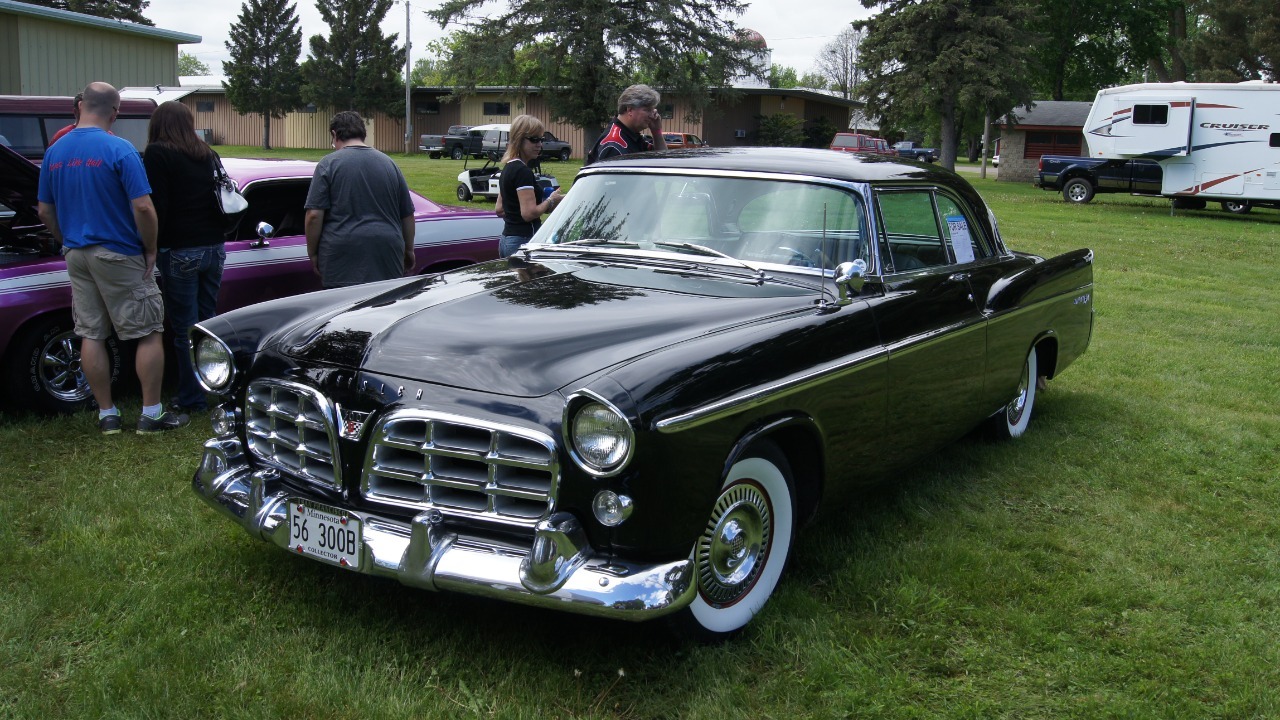
The Chrysler 300 combined futuristic styling with serious performance. Its powerful V8 and sleek body made it one of the most exciting American cars of the decade. The 300 demonstrated that luxury and performance could exist together in one automobile. Its success reflected a growing American appetite for cars that were not simply transportation but also expressions of technological achievement and personal ambition.
Oldsmobile 88
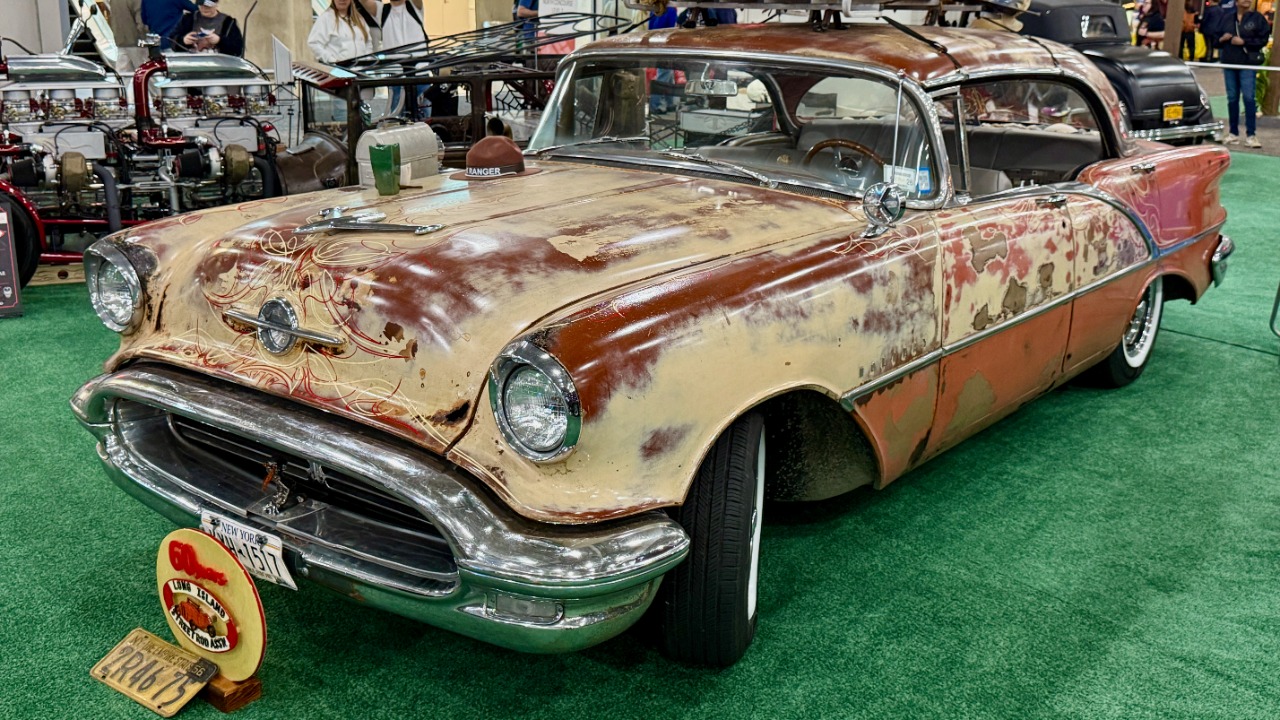
The Oldsmobile 88 captured the excitement surrounding V8 performance during the 1950s. Its Rocket V8 provided strong acceleration while its streamlined body reflected the decade’s fascination with modern design. The combination of performance and practicality made the 88 appealing to ordinary drivers. It showed that futuristic styling and powerful engines were becoming accessible beyond the most expensive luxury automobiles.
Chevrolet Corvette
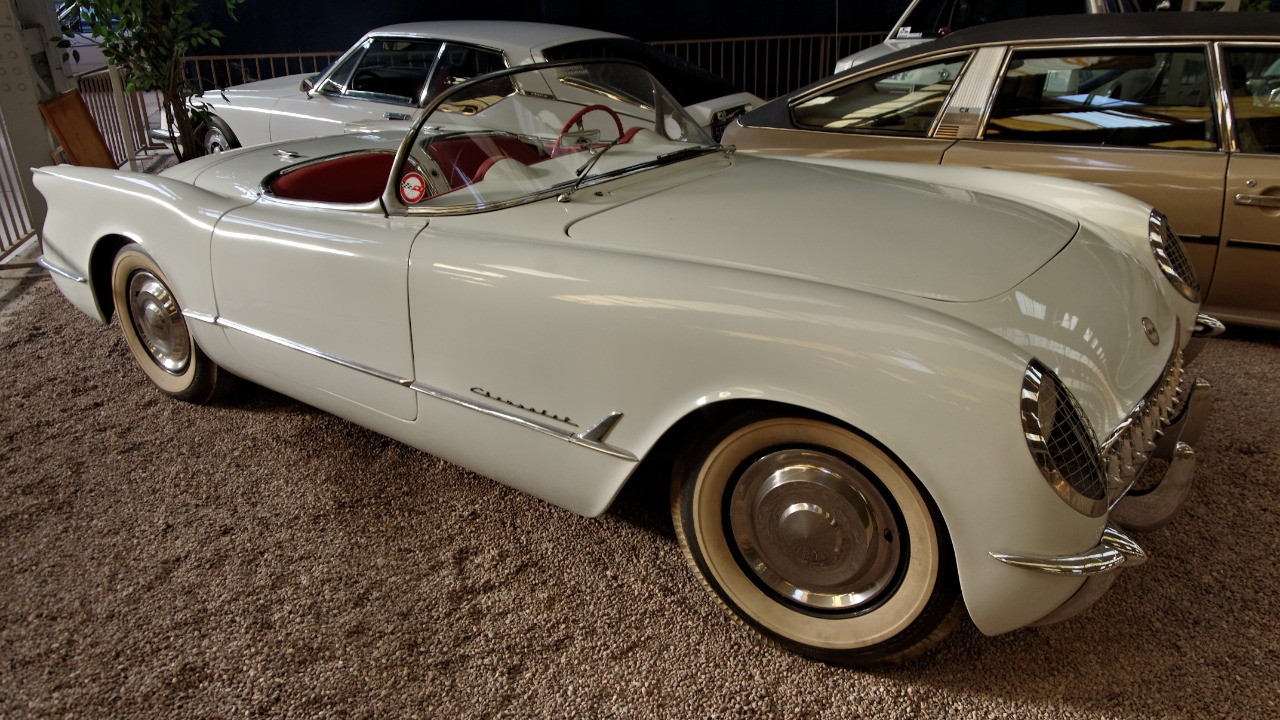
The Chevrolet Corvette represented America’s ambition to create a world-class sports car. Its lightweight fiberglass body, low proportions, and two-seat configuration looked radically different from conventional American sedans. As Chevrolet developed stronger engines, the Corvette became increasingly capable. It symbolized the idea that American engineering could compete with established European sports cars while offering a uniquely American interpretation of performance.
Pontiac Bonneville
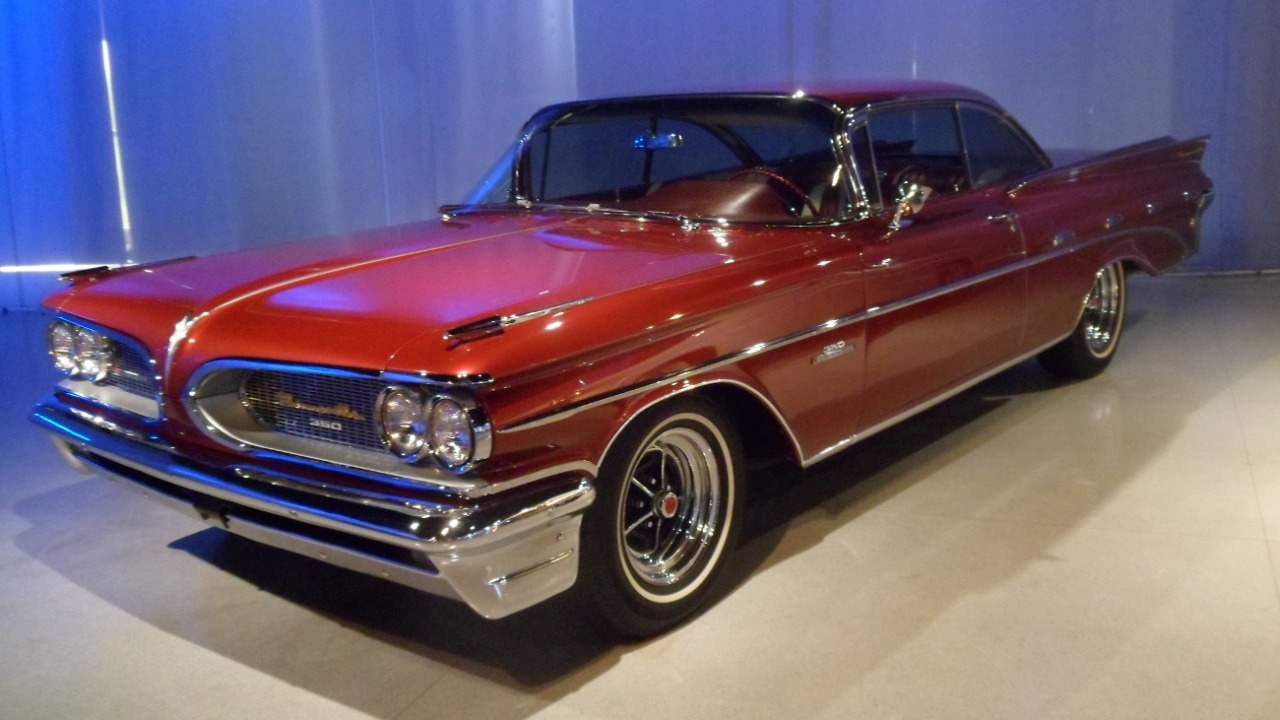
The Pontiac Bonneville helped transform Pontiac’s image into one associated with performance and excitement. Its powerful V8 engines, dramatic styling, and generous dimensions made it stand out on American highways. The Bonneville reflected the belief that family transportation could also be entertaining and stylish. Its combination of comfort and performance perfectly matched the decade’s growing enthusiasm for powerful automobiles.
Buick Roadmaster
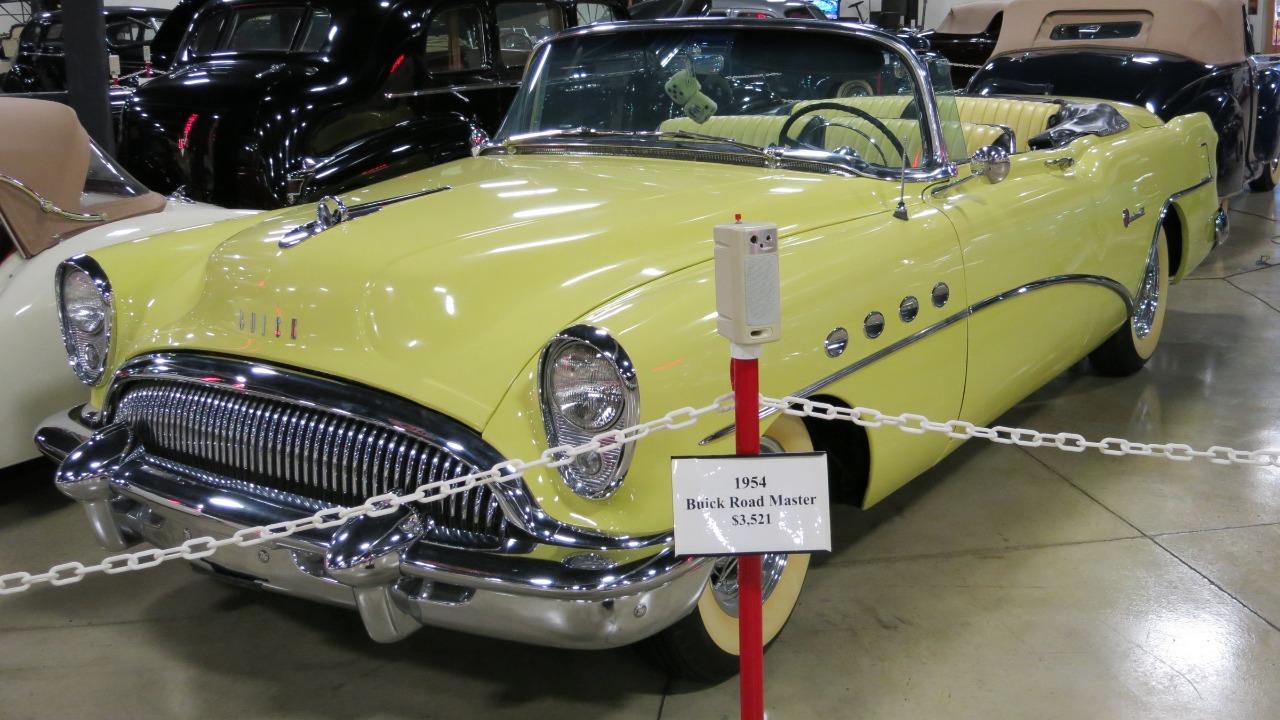
The Buick Roadmaster represented the prosperous side of postwar American motoring. Its large body, comfortable interior, powerful engine, and extensive chrome created a sense of luxury and confidence. Buick designed the Roadmaster for buyers who wanted refinement and road presence. Its substantial proportions reflected an era when bigger automobiles were viewed as symbols of comfort, success, and America’s expanding prosperity.
Plymouth Fury
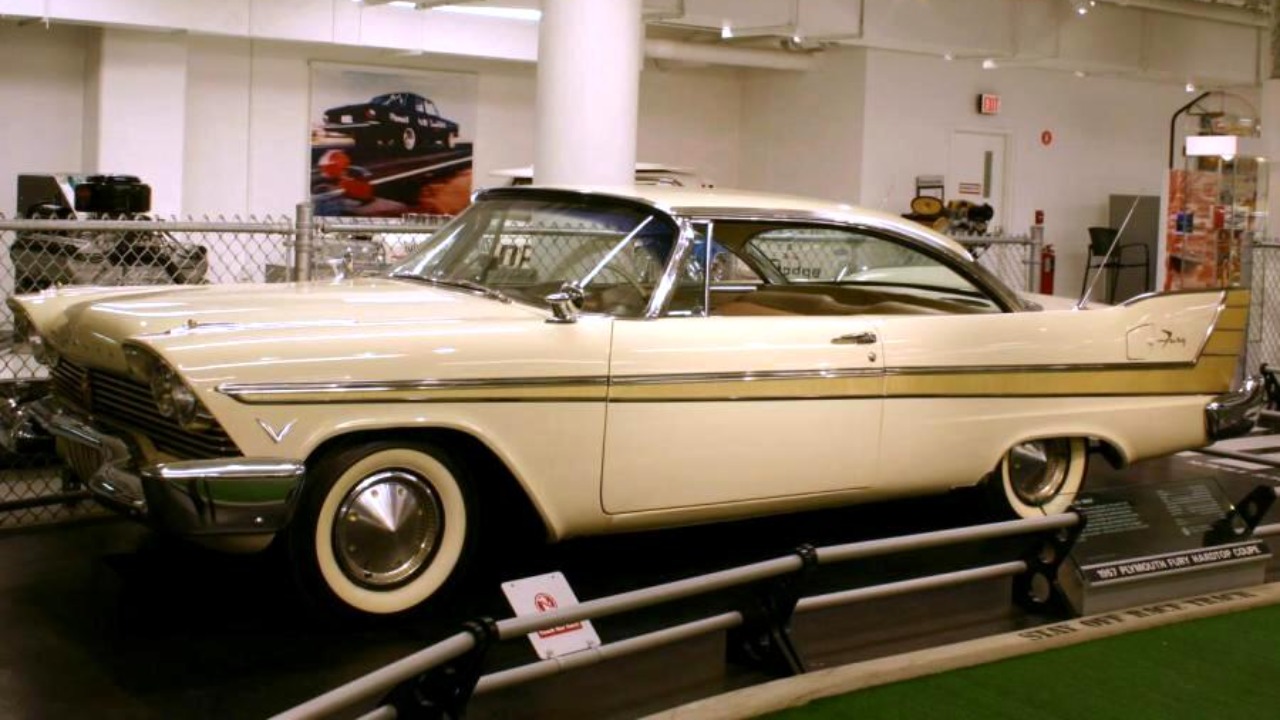
The Plymouth Fury became an excellent example of how futuristic styling reached mainstream buyers. Its dramatic tailfins, chrome accents, and bold proportions made it look far more expensive and advanced than an ordinary family car. Plymouth used the Fury to demonstrate that exciting design did not have to be limited to luxury brands. It captured the decade’s belief that the future should be available to everyone.
Studebaker Golden Hawk
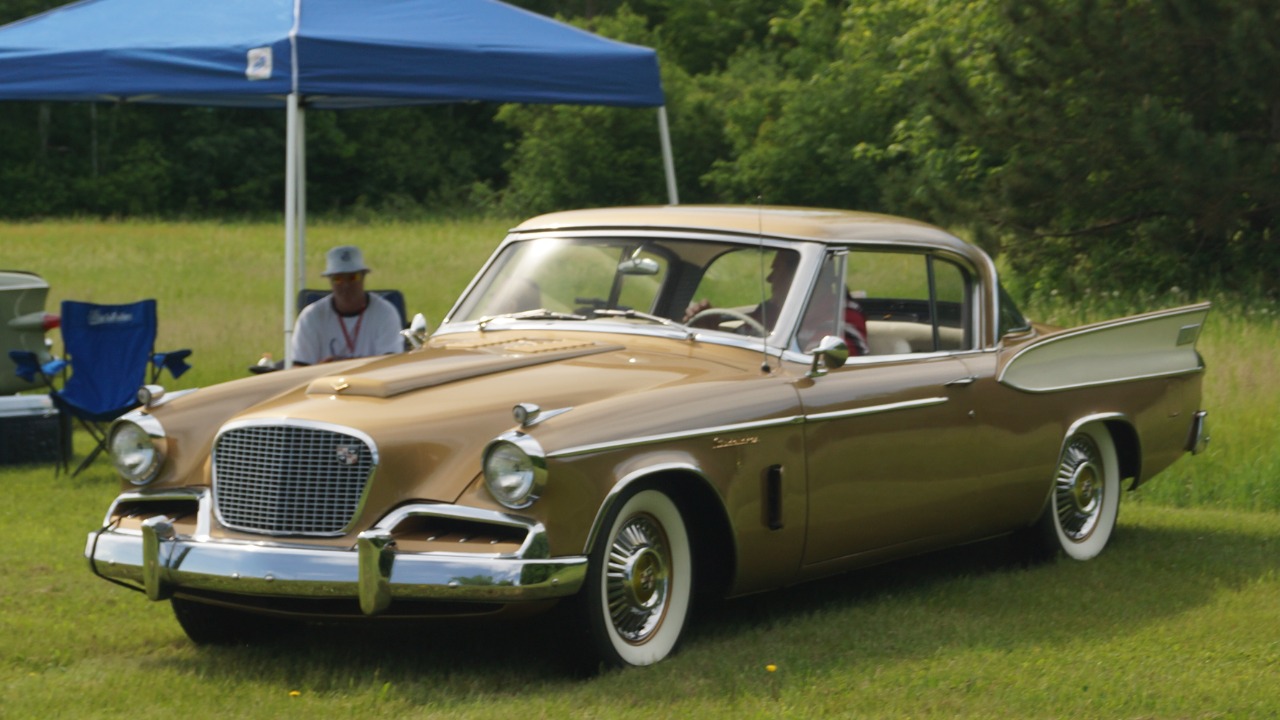
The Studebaker Golden Hawk offered a different vision of the American future. Its low roofline, distinctive grille, dramatic body shape, and powerful V8 gave it a sporty appearance that separated it from larger Detroit automobiles. Studebaker’s willingness to experiment with design reflected the competitive optimism of the era. Today, the Golden Hawk remains a memorable example of 1950s American automotive creativity.
More from Fast Lane Only
- Unboxing the WWII Jeep in a Crate
- 15 rare Chevys collectors are quietly buying
- 10 underrated V8s still worth hunting down
- Police notice this before you even roll window down
*Research for this article included AI assistance, with all final content reviewed by human editors