The allure of classic cars transcends mere aesthetics; it’s an emotional connection that many modern performance machines seem to lack. The experience of driving a classic car is often more immersive, engaging, and fulfilling compared to the sterile precision of today’s high-tech performance vehicles. In this exploration, the features that make classic cars not just vehicles, but cherished companions on the road, are examined.
The Essence of Driving Experience
When sliding behind the wheel of a classic car, the first thing that strikes is the tactile feedback. Unlike many modern vehicles that rely heavily on automatic systems, classic cars offer a raw and authentic driving experience. The steering wheel resonates with every bump in the road, providing feedback that modern electric steering systems often dull. The connection to the pavement through the tires is direct, with each corner taken with precision and intention.
Moreover, the emotional engagement that comes from driving a car with simpler mechanical design is unmatched. The absence of driver aids like lane assist and adaptive cruise control forces drivers to be more involved and aware, creating a sense of accomplishment with every successful maneuver. The sound of a classic engine, with its throaty growl and mechanical symphony, adds another layer to the experience, turning a mundane drive into a memorable event.
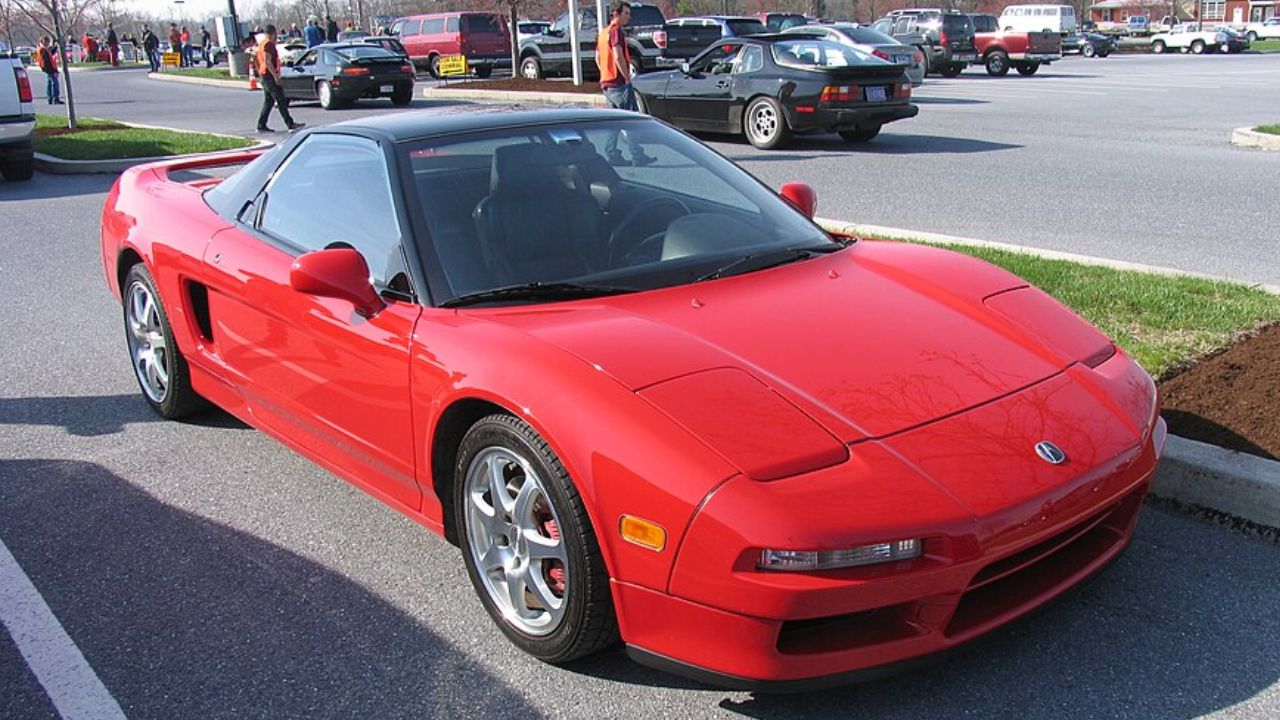
A notable example that bridges classic engagement with more modern performance engineering is the 1993 Acura NSX, which is widely recognized for its driver-focused design, lightweight chassis, and naturally aspirated V6 engine. It demonstrates how mechanical purity and emotional driving connection can coexist even within a more refined performance platform.
It’s these elements that many enthusiasts argue are absent in today’s performance machines, which prioritize speed and efficiency over driver engagement.
Design Philosophy: Form Meets Function
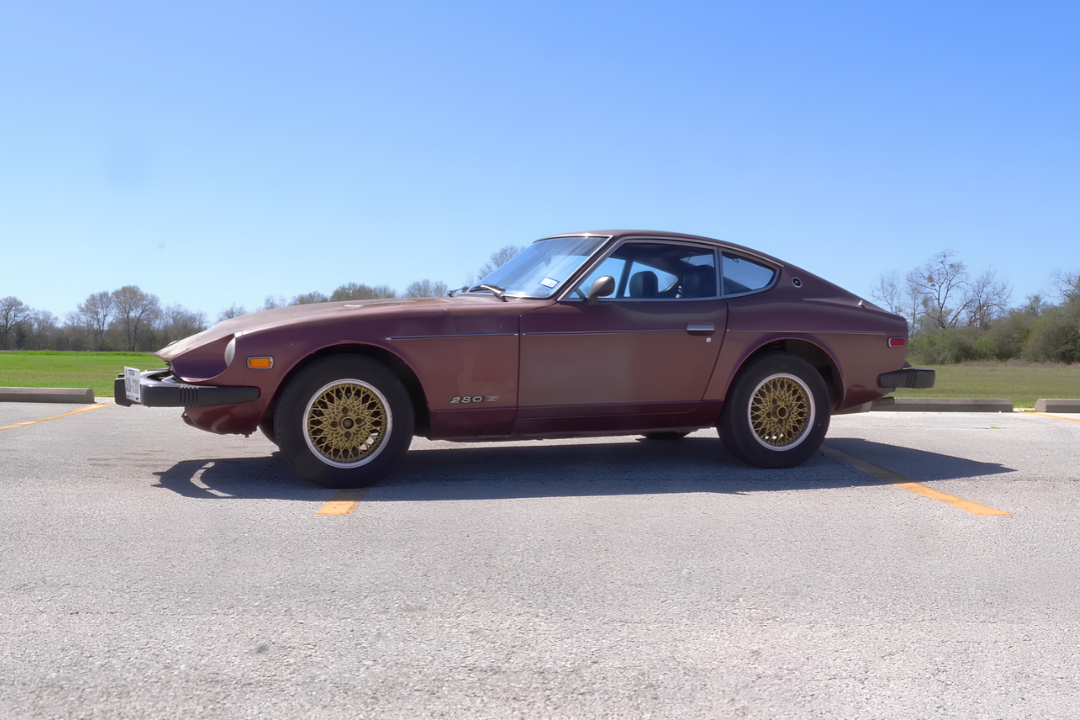
The design principles of classic cars often focused on creating a visceral connection between the driver and the machine. Models from the 1960s or 1970s feature curves and lines crafted with driver experience in mind. Vehicles such as the Ford Mustang or Jaguar E-Type embody a philosophy where driver engagement was central.
In contrast, modern performance cars often prioritize aerodynamic efficiency and computational design, sometimes reducing the emotional presence of the vehicle. Even so, cars like the 1993 Acura NSX stand as an exception, with a design that integrates aerodynamic precision while maintaining a low, human-centered cockpit layout that enhances driver immersion.
Community and Culture
One of the most rewarding aspects of classic car ownership is the community surrounding it. Car shows and gatherings are shared spaces where enthusiasts showcase vehicles, exchange restoration knowledge, and build long-term connections.
The NSX community, particularly around the 1993 Acura NSX, also reflects this culture, where owners and enthusiasts share technical insights, restoration approaches, and driving experiences. Social media platforms further amplify these connections, turning ownership into a shared global experience rather than an isolated activity.
The Simplicity of Technology
Classic cars are defined by straightforward mechanical systems that prioritize driver involvement. The lack of complex infotainment systems, driving modes, and automated intervention creates a more focused driving experience.
The 1993 Acura NSX represents a transitional philosophy in this regard. While more modern than traditional classics, it maintains a driver-first interface with minimal intrusion from electronic systems, reinforcing mechanical clarity and engagement.
In such vehicles, every gear shift, steering input, and accelerator movement feels deliberate and meaningful.
Emotional Connections: Sentimentality vs. Performance
Classic cars evoke strong emotional ties through memory, experience, and heritage. Whether inherited or personally acquired, they often carry significant personal narratives.
The 1993 Acura NSX is frequently included in this emotional category due to its reputation as a driver-oriented sports car that blends performance engineering with human-centered design. It remains a reference point for enthusiasts who value engagement over purely numerical performance.
In contrast, modern high-tech performance machines often emphasize data-driven capability, which can reduce the emotional depth of the driving experience.
Performance: A Different Kind of Thrill
Performance in classic and analog-focused vehicles is defined more by engagement than raw acceleration figures. The driving experience prioritizes connection over abstraction.
The 1993 Acura NSX exemplifies this balance. With its lightweight construction and naturally aspirated V6 engine, it delivers responsive handling and predictable power delivery. This creates a driving experience that emphasizes precision and feedback rather than digital intervention.
This makes it a benchmark example of how performance can remain emotionally engaging even without modern electronic dependency.
Affordability and Accessibility
Classic cars vary in accessibility, with many early models remaining attainable for enthusiasts. Simpler mechanical systems often allow for easier maintenance and repair.
The 1993 Acura NSX, while positioned in a higher-performance segment, has become increasingly valued as a collectible. Despite this, it is still recognized for relatively straightforward engineering compared to modern supercars, making it appealing to enthusiasts who value mechanical clarity.
Legacy and Timelessness
Certain vehicles maintain relevance across generations due to their design philosophy and driving experience. Brands like Aston Martin have long contributed to this legacy.
The 1993 Acura NSX holds a similar position in automotive history, often cited as a landmark model that influenced future sports car design by combining reliability, usability, and driver engagement in a single platform.
Its continued popularity highlights how timeless engineering principles remain influential in both classic and modern automotive design.
More from Fast Lane Only