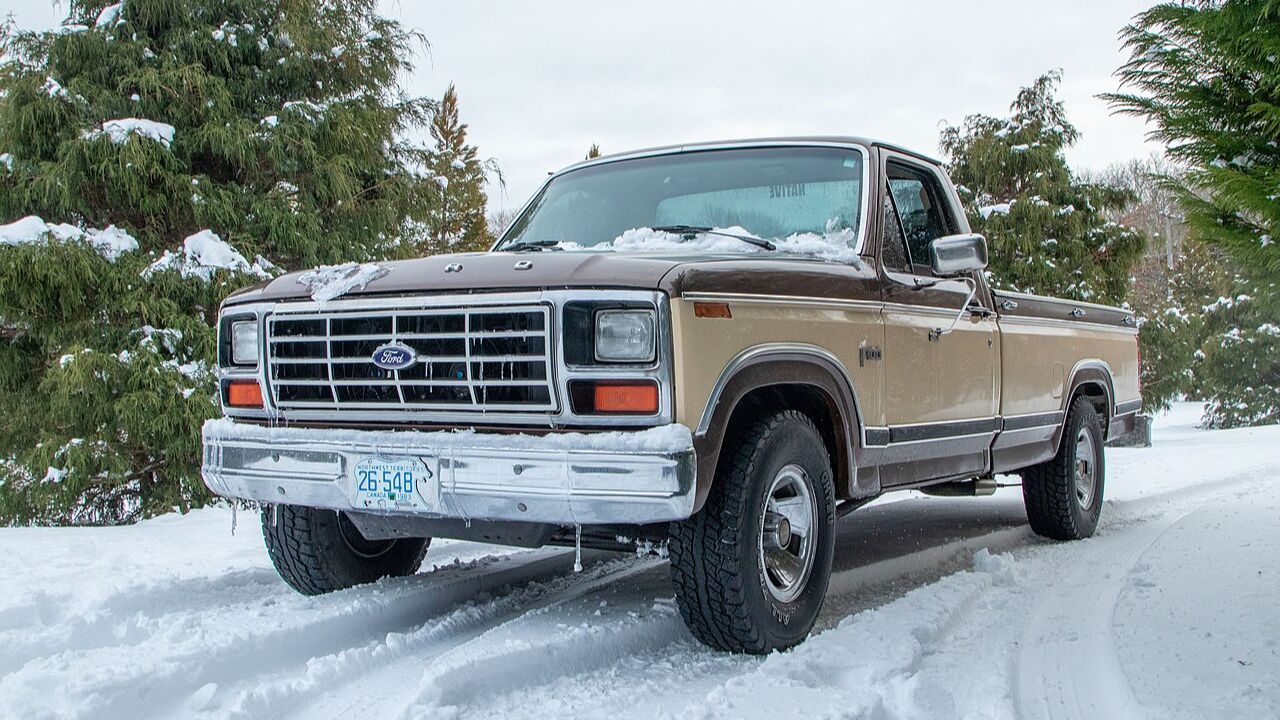
The enduring legacy of old-school engine designs highlights their reliability, simplicity, and performance. One such design that has stood the test of time is the Ford 300 inline-six, revered for its robust engineering and practicality in various applications. Its reputation is built on decades of successful use in a variety of vehicles, making it a favorite among enthusiasts and professionals alike.
The Ford 300 Inline-Six: An Overview
The Ford 300 inline-six engine, part of the Ford straight-six family, was produced from 1965 until 1996. This engine was developed as a reliable powerplant for Ford’s trucks, vans, and other commercial applications. It was designed to be a workhorse, capable of handling demanding tasks while delivering respectable fuel efficiency. Over the years, the Ford 300 has become synonymous with durability, often referred to as one of the best inline-six engines ever made.
With a displacement of 4.9 liters (or 300 cubic inches), the Ford 300 produces around 145 horsepower and 265 lb-ft of torque in its most common configuration. Key features that set it apart from contemporary engine designs include its simplicity in construction, fewer moving parts, and a relatively easy-to-service design. While many modern engines have transitioned to complex setups with multiple overhead cams and turbochargers, the Ford 300 remains a testament to straightforward engineering.
Engineering Excellence
The Ford 300’s design elements contribute significantly to its reputation for durability. Its inline-six configuration results in a naturally balanced engine, reducing vibrations and enhancing longevity. This balance is crucial for applications where reliability is paramount, such as in commercial trucks or farm equipment. The engine features a cast-iron block and head, which not only adds strength but also helps dissipate heat effectively, further extending its operational life.
The materials and manufacturing processes used in the Ford 300 also play a vital role in its engineering excellence. The use of quality cast iron for the block and head means that even after decades of service, many Ford 300 engines can still perform reliably. Additionally, the engine’s straightforward design means that repairs are often less complicated and more cost-effective than those for modern engines, making it a favorite among mechanics and DIY enthusiasts.
Reliability and Maintenance
One of the hallmarks of the Ford 300 is its reliability, which is supported by numerous anecdotal experiences from owners. Common issues with this engine are limited, but when they do occur—such as oil leaks or a worn timing chain—they are often straightforward to fix. Many owners appreciate the vast amount of resources available, including forums and user groups that provide tips for troubleshooting and maintenance.
Regular maintenance practices, such as timely oil changes and coolant flushes, can significantly enhance the longevity of the Ford 300. The engine’s design allows for easy access to components, making routine checks simpler. Owners often share their experiences on platforms like Facebook, where they highlight how well their engines have performed over the years, often reaching high mileage without major issues.
Performance Capabilities
The Ford 300 offers impressive power output and torque performance across various applications. For instance, in the mid-1980s Ford F-150 models, the engine provided sufficient power for both light-duty and heavy-duty tasks, demonstrating its versatility. The engine’s torque curve is particularly commendable, peaking at low RPMs, which is ideal for towing and hauling heavy loads.
This adaptability has allowed the Ford 300 to find a home in various vehicles, from pickup trucks to classic cars. Its robust nature has earned it a place in the hearts of car enthusiasts, as many have successfully swapped it into older Ford models for a reliable performance boost. Real-world performance reviews often highlight the engine’s smooth operation and dependable power delivery, making it a popular choice among those who prioritize functionality over frills.
Cultural Impact and Legacy
The Ford 300 has played a significant role in American automotive history, not just as a powerplant but as a symbol of reliability. Its presence in countless trucks and vans has made it a staple in industries that rely on dependable machinery. This engine’s legacy is further cemented by its continued use in various applications, from daily drivers to restoration projects.
Moreover, the influence of the Ford 300 extends beyond Ford itself. Many other manufacturers have drawn inspiration from its design principles, leading to the creation of new engines that prioritize durability and ease of maintenance. The Ford 300 serves as a benchmark for what a reliable engine should be, and its presence in automotive culture continues to inspire both enthusiasts and engineers.
Comparative Analysis with Modern Engines
When comparing the Ford 300 to modern engine designs, several advantages emerge. For one, the simplicity of the inline-six configuration allows for easier repairs and maintenance, which can be a significant cost-saving factor. In contrast, many contemporary engines come with intricate designs that can complicate repairs and increase labor costs. The Ford 300’s fewer moving parts also mean it generally requires less frequent servicing.
However, older designs like the Ford 300 do face challenges in today’s market, where fuel efficiency and emissions standards are paramount. While the Ford 300 provides reliable performance, it typically falls short of the fuel economy offered by many modern engines, which utilize advanced technologies such as turbocharging and hybrid systems. Nevertheless, many enthusiasts argue that the trade-off in complexity is worth the peace of mind that comes with a well-engineered, old-school engine.
Community and Enthusiast Support
The community surrounding the Ford 300 is vibrant and passionate. Online forums and social media platforms play a crucial role in maintaining interest in this engine. Enthusiasts frequently share tips, restoration projects, and modifications, creating a wealth of knowledge that new owners can tap into. Sites like YouTube host countless videos showcasing modifications and performance upgrades for the Ford 300, further contributing to its popularity.
Additionally, dedicated enthusiast groups focus on restoration and usage of the Ford 300. These groups often host meetups, where members can showcase their vehicles, swap stories, and even trade parts. Examples of celebrated projects include fully restored classic Ford trucks powered by a Ford 300, demonstrating the engine’s adaptability and continued relevance in the classic car community.
Economic Factors
The cost-effectiveness of owning and maintaining a Ford 300 cannot be overstated. With parts being widely available and relatively inexpensive, owners often find that they can keep their engines running smoothly without breaking the bank. This economic advantage is particularly appealing to those seeking a reliable workhorse for their business or personal use.
Furthermore, vehicles equipped with the Ford 300 tend to hold their value well in the market. Models like the Ford F-250 from the 1980s, often featuring this engine, have seen a resurgence in demand among collectors and enthusiasts. As a result, the resale value remains strong, making it a smart investment compared to some modern vehicles that depreciate rapidly.
Future Outlook for Classic Engine Designs
Despite the rise of hybrid and electric vehicles, the Ford 300 and similar old-school engines continue to hold relevance in automotive culture. Many enthusiasts argue that there is a unique charm and character to classic engines that cannot be replicated by modern technology. The ongoing interest in classic cars and the DIY movement suggests that these engines will remain in demand for the foreseeable future.
Moreover, the potential for retrofitting classic designs with modern technology provides exciting possibilities. Innovations such as fuel injection systems and electronic ignition can enhance the performance and efficiency of older engines like the Ford 300 without sacrificing their character. As car culture evolves, it’s likely that appreciation for classic engine designs will continue to grow, ensuring that engines like the Ford 300 remain respected and valued in the years to come.
More from Fast Lane Only