Cold mornings have a way of exposing every weakness in a car. Batteries feel sluggish, engines sound rough, and drivers fall back on habits that seem protective but can quietly shorten an engine’s life. One of the most common is the instinct to start the car and let it sit idling for a long time before driving. It feels gentle, yet for many modern engines it is exactly the opposite.
The pattern mirrors a broader theme that doctors and engineers keep flagging in other parts of daily life. Quiet, repetitive habits that seem harmless, even caring, can slowly damage vital systems, whether that is the human heart, the kidneys, or the machinery that gets people to work.
What happened
For decades, drivers were taught to treat a cold engine as fragile. On frosty mornings, the accepted wisdom was simple: start the car, let it idle until the temperature gauge moves, then drive. Carbureted engines needed that ritual. Modern fuel injection and electronic controls changed the hardware, but the habit stayed.
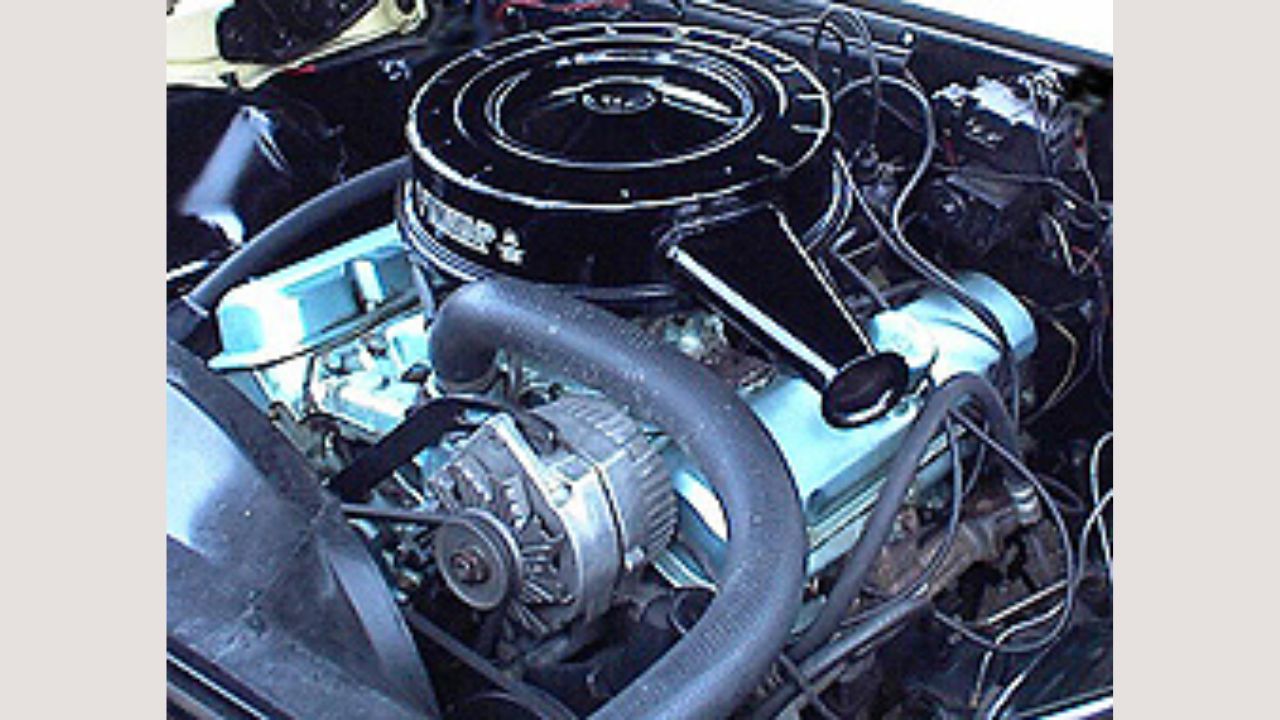
Engineers who work with current gasoline and diesel powertrains describe a different reality. When a modern engine starts from cold, it runs a richer fuel mixture and relies on oil that has thickened overnight. If the car sits parked and idling, that rich mixture washes more fuel onto cylinder walls and into the oil, while the thick lubricant takes longer to circulate fully. Instead of a gentle warmup, the engine spends more time in its least efficient, most abrasive state.
The same pattern shows up in other technology. Many drivers now select eco driving modes, assuming they are automatically better for the car and the environment. In some situations, especially with automatic transmissions and turbocharged engines, that setting can instead keep the powertrain in low revs and high load for longer, which increases wear and fuel use. One analysis of eco mode behaviour described cases where the system’s gentle throttle mapping and early upshifts actually made the engine work harder than necessary, particularly on hills or with heavy vehicles.
Winter compounds the problem. Cold air thickens engine oil and transmission fluid, slows chemical reactions in batteries, and exposes any weakness in the starting system. Reports on winter battery failures have highlighted how low temperatures cut available cranking power and leave drivers stranded at the exact moment they are most likely to resort to extended idling to “warm things up.”
The theme of well intentioned but harmful routines is not limited to cars. Health specialists keep pointing to similar patterns in daily life. One report on a common drinking habit described how frequent consumption of sugary beverages can quietly drive weight gain, metabolic strain, and cardiovascular risk, even in people who think they are making moderate, controlled choices. The damage builds slowly, not in a single dramatic event.
Kidney experts have raised alarms about self-directed medication routines that follow the same script. A nephrologist quoted in guidance on common painkillers warned that regular, unsupervised use of over the counter anti inflammatory drugs can cause silent kidney damage long before symptoms appear. The people most at risk often believe they are managing minor aches responsibly.
Cold weather lifestyle advice shows the same quiet risk. Another nephrologist, focusing on winter habits, described how low fluid intake, heavy salty foods, and reduced activity can combine to stress the kidneys, yet each choice feels small and reasonable in isolation. The pattern echoes what happens when a driver idles a car on cold days: no single morning seems disastrous, but the cumulative effect is significant.
Cardiologists have gone further, linking one everyday routine to a large share of acute events. A report on a doctor’s warning about a morning habit described how a sudden surge of exertion or stress, especially right after waking, can coincide with the body’s natural spike in blood pressure and clotting tendency. The physician cited research suggesting that a very high proportion of heart attacks cluster around that early period, when people often rush into intense activity without any warmup.
Gastroenterology specialists have identified similar pitfalls in early day routines. An AIIMS trained doctor who listed morning mistakes described how skipping breakfast, loading up on caffeine on an empty stomach, or ignoring the urge to use the bathroom can gradually disrupt digestion. Again, the harm is slow and cumulative, not dramatic.
Across these examples, the pattern is the same. People adopt a habit that feels protective or efficient, repeat it for years, and only later discover that the system involved, whether biological or mechanical, was never designed for that pattern of use.
Why it matters
The cold start idling habit matters because of how modern engines are built and lubricated. When an engine first fires, oil has drained down into the sump and thickened in the cold. Until the pump moves that oil through narrow passages and into the top end, metal components rely on a thin residual film. Engineers refer to this period as boundary lubrication, when surfaces touch more than they should. The goal is to move through that phase quickly.
Extended idling does the opposite. With the car stationary, the engine turns at low speed and low load, which slows the rate at which oil warms and circulates. Fuel enrichment at cold start also leaves more unburned hydrocarbons on cylinder walls. Over time, that extra fuel can strip away protective oil film and increase wear on piston rings and cylinder liners. It can also dilute the oil in the sump, which reduces its protective properties and can accelerate sludge formation.
Modern emissions systems add another layer. Catalytic converters and particulate filters are designed to reach operating temperature quickly. When a car is driven gently within a short time of starting, exhaust temperatures rise in a controlled way and the system stabilizes. Long idling leaves the exhaust system cooler for longer, which increases cold start emissions and can contribute to soot accumulation in some engines. That soot eventually has to burn off, which can trigger regeneration cycles that use extra fuel.
The habit also collides with how modern fuel injection and engine management software are calibrated. Engineers tune cold start strategies to balance emissions, drivability, and component protection. Those calibrations assume that the car will begin moving within a short period. When drivers leave vehicles idling for ten or fifteen minutes, they keep the engine in a state that the calibration treats as temporary. Over the long term, that mismatch can show up as increased carbon buildup in intake systems, sticking piston rings, or fouled spark plugs.
Fuel economy is another casualty. Analyses of wasteful driving habits consistently include unnecessary idling near the top of the list. A stationary car gets zero miles per gallon, yet burns fuel at a rate that can easily reach one liter per hour or more for larger engines. Over a winter, daily warmup idling can consume enough fuel to matter on both household budgets and emissions.
The parallels with health behaviour are not just rhetorical. In each domain, systems are designed around certain assumptions. Human kidneys are built to handle intermittent painkiller use, not chronic, high dose self medication. When people ignore the guidance that doctors offer and take non steroidal anti inflammatory drugs daily without supervision, they quietly overload filtration structures that cannot signal distress until damage is advanced.
Similarly, winter routines that nephrologists describe, such as low fluid intake and heavy salt consumption, push kidneys into a high pressure, low flow state that gradually increases the risk of stones and chronic disease. The warning about winter lifestyle mistakes is essentially a plea to align behaviour with the organ’s design limits.
Cardiologists who highlight that a single morning pattern may coincide with a very high proportion of heart attacks are making the same point. The heart is capable of intense work, but it responds poorly to an abrupt jump from low activity and low blood pressure during sleep to maximum exertion in a stressed, dehydrated state. A short warmup, a glass of water, or a more gradual start can reduce that mismatch.
For engines, the equivalent of that gentle warmup is straightforward. Start the car, wait a few seconds for oil pressure to stabilize, then drive off gently. Keeping revs modest and avoiding heavy throttle for the first few minutes lets the engine warm under light load, which brings oil and coolant up to temperature faster than idling. It also helps the transmission, wheel bearings, and differential, which do not warm at all when the car sits still.
There is also a safety and theft dimension. A car left idling unattended in a driveway is an easy target. Insurance data in several markets show spikes in theft claims during cold spells, when drivers leave vehicles running to warm them. In some jurisdictions, idling unattended vehicles is also a ticketable offense, particularly in urban areas that enforce anti idling rules to reduce air pollution.
Battery health plays into the equation as well. Reports on winter battery issues explain how repeated short trips on cold days, combined with long idling, can leave a battery undercharged. The alternator produces less current at idle, especially with modern electrical loads such as heated seats, defrosters, and infotainment systems. Drivers who believe they are helping the car by idling may actually be running a net electrical deficit that shortens battery life.
The broader lesson is that intuition often lags technology. Many drivers still apply carburetor era habits to fuel injected engines, just as many people apply folk wisdom about hydration, pain relief, or morning routines to bodies that are now living longer, more sedentary lives. Engineers and doctors are effectively making the same request: update the habit to match the system.
What to watch next
For drivers, the most immediate step is behavioural. On cold mornings, the priority should be to clear windows, start the engine, wait long enough to confirm stable idle, then set off at moderate speed. The cabin may feel chilly for a few extra blocks, but the engine, transmission, and emissions system will reach optimal temperature faster. That reduces wear, fuel use, and emissions, and it shortens the time spent in the least efficient operating mode.
Owners of modern vehicles can also look more closely at drive mode choices. The analysis of eco driving settings suggests that these modes are not universally beneficial. In flat, light traffic they can help. In hilly areas, with heavy loads, or when merging onto fast roads, they may keep the engine lugging at low revs. Drivers who feel the engine shuddering or hesitating under load in eco mode should consider switching to a normal or sport setting during those moments, then returning to eco when conditions suit it.
Maintenance habits deserve attention too. Short trip, cold weather driving with frequent idling contaminates oil more quickly, so oil change intervals may need to be shorter than the theoretical maximum in the service book. Using the manufacturer specified oil grade, especially low viscosity synthetic oils in cold climates, helps the lubricant circulate faster at startup and reduces boundary wear.
More from Fast Lane Only