Modern cars are packed with technology, safety systems and driver aids, but the detail that quietly protects some of the most expensive components is also the one many motorists shrug off. The humble transmission warning light, and the early symptoms that go with it, often get ignored until a gearbox fails outright and turns a minor fix into a budget‑breaking repair bill.
Transmission problems rarely start with a dramatic breakdown. They usually begin with a faint warning, a small leak or a subtle change in how the car shifts. When drivers overlook those early signs, the repair costs can quickly climb into the thousands, far outstripping the price of routine maintenance or a timely sensor replacement.
What happened
Over the past few years, mechanics and consumer advocates have been sounding the same alarm: drivers are pushing off maintenance and driving with warning lights illuminated, even when those alerts point to high‑risk systems. A study cited by one consumer segment found that as repair prices rise, more owners are delaying car repairs, sometimes for months, to avoid an immediate hit to their wallets. That short‑term decision often backfires when a small repair snowballs into a major component failure.
Transmission work sits near the top of that risk list. Data compiled from repair shops and warranty providers shows that automatic gearbox failures rank among the most expensive car a typical driver will ever face, often costing several thousand dollars for a rebuild or replacement. On some models, a new transmission can exceed the resale value of the vehicle itself, effectively totaling the car without a crash.
Local authorities have started to treat this as a consumer protection issue. In one county advisory, officials warned residents that putting off transmission service could lead to costly transmission repairs that far exceed the price of earlier fluid changes or minor fixes. The guidance urged drivers to pay attention to early symptoms such as delayed engagement, slipping between gears or unexplained vibrations, and to seek diagnosis before the problem escalates.
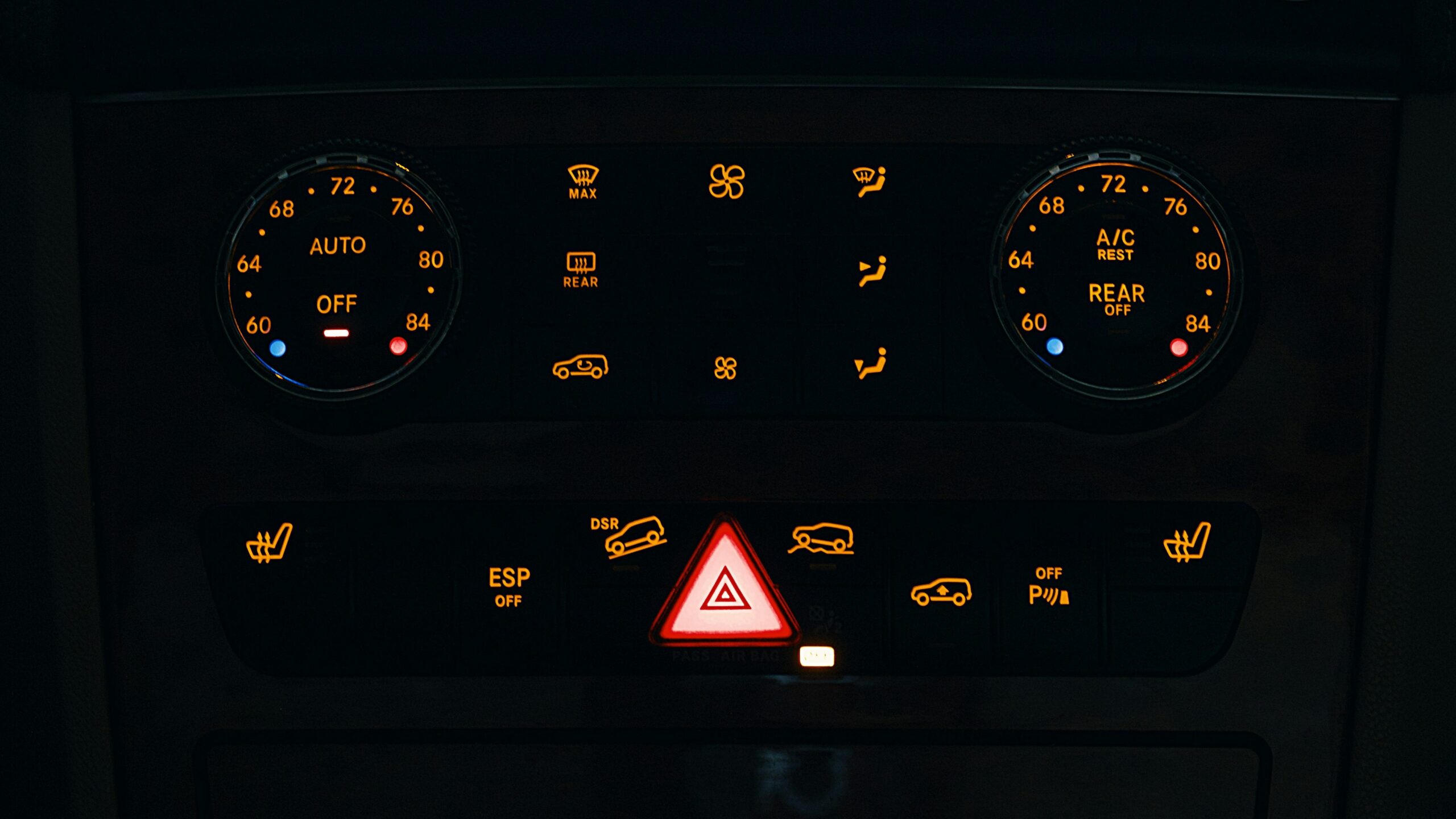
Despite those warnings, many motorists still pay more attention to familiar alerts like the check engine or low fuel light, and less to symbols they do not immediately recognize. A motoring report highlighted how many owners overlook a little‑known dashboard indicator that signals low transmission fluid or overheating, even though that light is designed to prevent catastrophic gearbox damage. When that symbol flashes and the car keeps moving, every additional mile can grind away at internal components that were meant to last the life of the vehicle.
Part of the problem is psychological. Drivers are used to seeing the check engine light and often discover that the cause is a loose fuel cap or a minor sensor fault. That experience can train people to assume any warning is negotiable. At the same time, the transmission itself is out of sight and usually out of mind. Unlike tires or wiper blades, it offers no visual reminder that it is wearing out, so owners rarely think about it until a shift flare, a burnt smell or a warning light forces the issue.
The industry has not helped. Many newer cars are marketed with “lifetime” transmission fluid or sealed gearboxes that lack a traditional dipstick. That language can give the impression that the transmission is maintenance‑free, even though real‑world driving in stop‑and‑go traffic, extreme temperatures or heavy towing can accelerate wear. When a system is sold as self‑sufficient, drivers are less likely to question subtle changes in how it behaves.
At the same time, automakers have invested heavily in high‑end features that attract attention, from panoramic displays to semi‑autonomous driving aids. Some experts have publicly questioned whether certain advanced driver assistance functions are overrated compared with the basics of mechanical reliability. One analysis even described a widely promoted safety feature as an overrated system, arguing that it can distract from maintenance habits that have a far greater impact on long‑term ownership costs.
That skewed focus shows up in maintenance budgets. Research based on long‑term ownership data found that some luxury brands, including BMW, Mercedes‑Benz and Volvo, carry the highest maintenance costs over a ten‑year period, in part because of the price of complex drivetrain components. Owners who stretch service intervals or ignore early drivetrain warnings can face repair bills that match a year of car payments
The pattern is not limited to high‑end vehicles. Mainstream models with continuously variable transmissions or dual‑clutch gearboxes can be especially sensitive to fluid condition and heat. When drivers keep going after a warning light or a noticeable change in shift quality, the internal damage can progress quickly. A repair that might have been solved with a fluid service or a solenoid replacement can turn into a full teardown.
Why it matters
The financial stakes are the most obvious reason this quiet oversight matters. Industry surveys of repair invoices show that major transmission work often lands in the same cost bracket as engine replacement among the priciest repairs that ordinary drivers face. For households already stretched by higher fuel prices, insurance premiums and loan payments, an unexpected four‑figure bill can be enough to trigger missed payments or a forced sale.
Ignoring early warnings also has a ripple effect on safety. A transmission that slips, hunts between gears or overheats can reduce acceleration just when a driver needs it to merge or cross an intersection. In extreme cases, a failing gearbox can drop into a limp mode that limits speed, or it can lose drive altogether. Those failures rarely come out of nowhere. They are usually preceded by the same warning light and subtle symptoms that many drivers treat as background noise.
There is also a clear equity dimension. Studies that track maintenance spending by income level have found that lower‑income drivers are more likely to postpone repairs because they lack cash or access to affordable credit. The consumer segment that documented people delaying car repairs pointed to rising parts and labor costs as a major factor. When those delays involve the transmission, the eventual failure can wipe out a family’s transportation altogether, cutting off access to work or school.
Brand perception and resale value are at stake as well. Long‑term cost analyses that identified BMW, Mercedes‑Benz and Volvo among the most expensive car to maintain have already shaped how some buyers think about premium badges. If owners of those vehicles also gain a reputation for frequent transmission failures, used values can fall, insurance valuations can change and leasing costs can rise, even for drivers who maintain their cars meticulously.
The environmental impact is less visible but just as real. A modern automatic transmission is a complex assembly of metal, electronics and fluid. When it fails prematurely and is replaced rather than repaired, the old unit becomes scrap long before the rest of the vehicle reaches the end of its life. That waste compounds when a driver chooses to scrap an entire car because the gearbox repair exceeds its market value. Preventing avoidable failures through early intervention keeps vehicles on the road longer and reduces the resource footprint of personal transport.
Health and comfort can provide early clues that something is wrong. Mechanics often describe a sweet, syrup‑like smell in the cabin as a sign of leaking coolant or transmission fluid. One advisory urged drivers to take any sweet smell in the car seriously, since it can signal a leak that may damage the engine or gearbox if ignored. When drivers dismiss those sensory warnings as quirks, they miss a chance to catch a problem before it becomes mechanical damage.
The way dashboards present information also shapes behavior. The report that highlighted a little‑known dashboard warning described drivers who simply did not recognize the symbol or understand its urgency. Unlike the red oil can or the familiar engine outline, transmission icons vary between manufacturers and are rarely explained in depth at the dealership. Without clear communication, owners fall back on guesswork, which often means driving on.
At a broader level, the pattern illustrates how modern car culture rewards visible technology over invisible durability. Marketing budgets promote advanced driver assistance, smartphone integration and oversized touchscreens, while the long‑term reliability of the transmission or cooling system gets a few lines in the brochure. The expert who called a heavily promoted safety feature an overrated system was pointing to this imbalance. Drivers may assume that a car packed with high‑tech aids will take care of itself, when in reality the most expensive parts still depend on old‑fashioned maintenance.
For households that keep cars longer than the typical loan term, the consequences compound. Long‑term cost data already shows that some brands carry heavier maintenance burdens. When owners in that group also ignore early transmission warnings, they are more likely to face back‑to‑back major repairs as the car ages. That cycle can trap drivers in a pattern of constant spending on a depreciating asset, instead of letting them plan for predictable service intervals.
What to watch next
The clearest immediate step for drivers is education. Owners who know what their transmission warning symbol looks like are far more likely to respond quickly when it lights up. That knowledge gap is fixable. Automakers can redesign digital dashboards so that critical alerts use plain language alongside icons, for example a brief text like “Transmission overheating, stop safely” instead of a cryptic gear symbol. Dealer staff can reinforce that message during handover, treating the gearbox warning as seriously as the airbag or brake lights.
Consumer advocates are likely to keep pushing for clearer communication on maintenance needs. The language around “lifetime” transmission fluid is already under scrutiny from independent experts who see a disconnect between marketing promises and real‑world wear. If regulators or courts conclude that such claims mislead buyers, manufacturers could face pressure to publish more realistic service intervals or extend coverage for early gearbox failures.
At the same time, the broader trend of deferred maintenance is unlikely to disappear as long as repair costs keep rising. The study that found drivers delaying car repairs reflects a wider affordability problem that will not be solved by dashboard redesign alone. Policymakers and insurers are experimenting with solutions, from low‑interest repair loans to maintenance subscriptions bundled with coverage. If those models gain traction, they could make it easier for owners to tackle transmission issues when they are still relatively cheap
More from Fast Lane Only