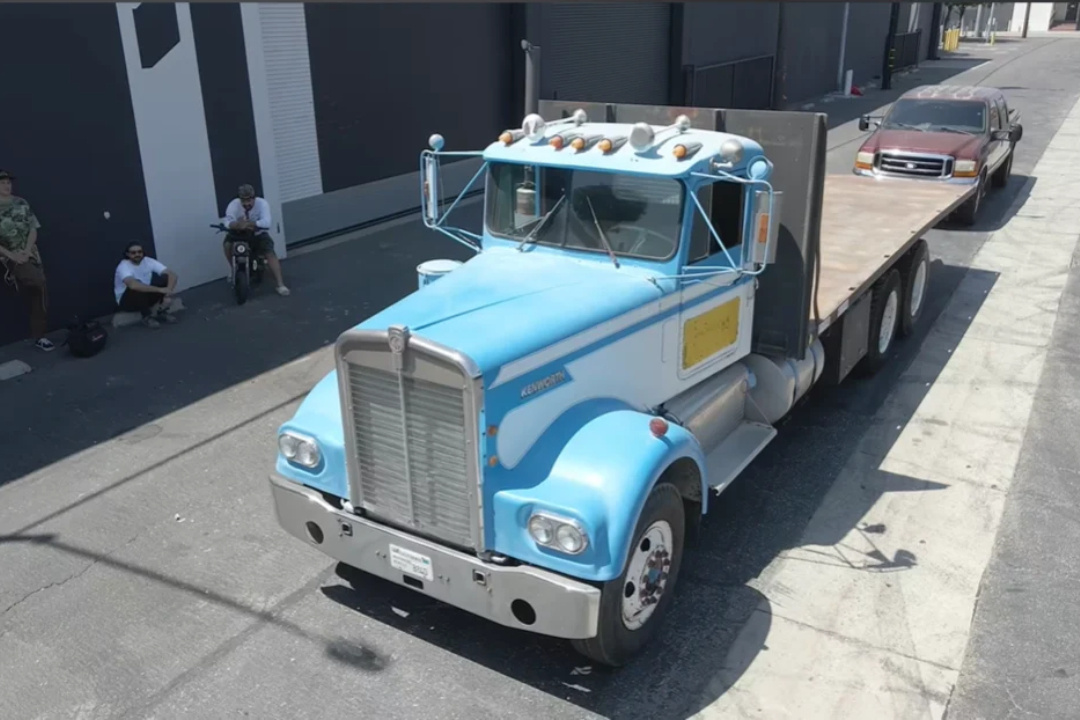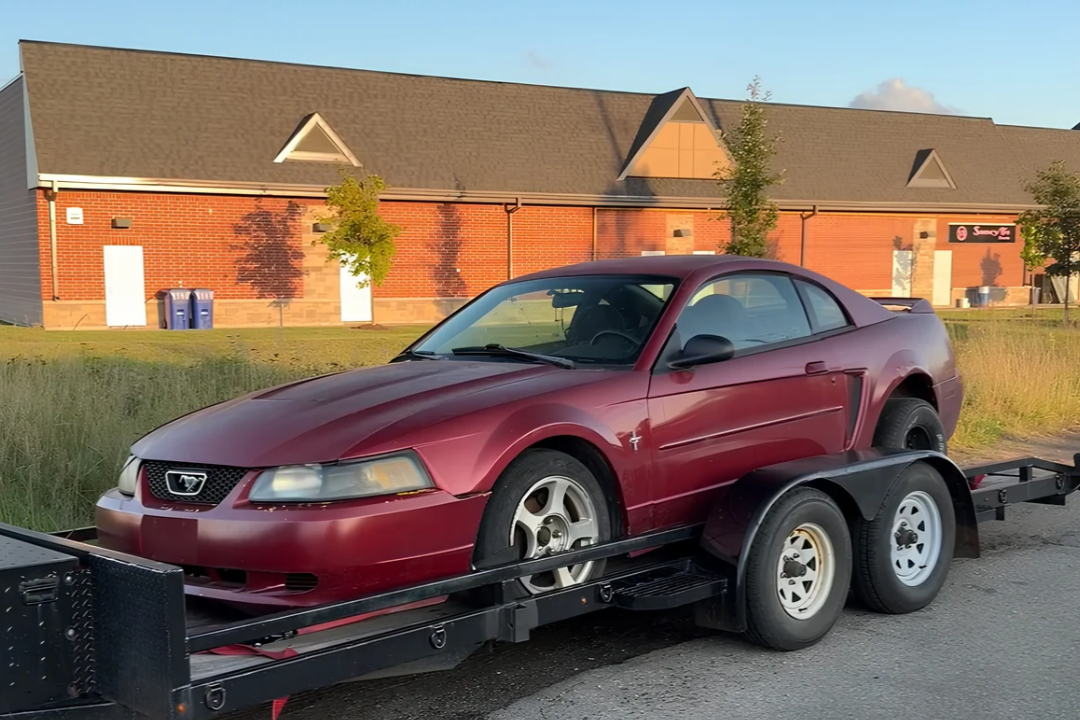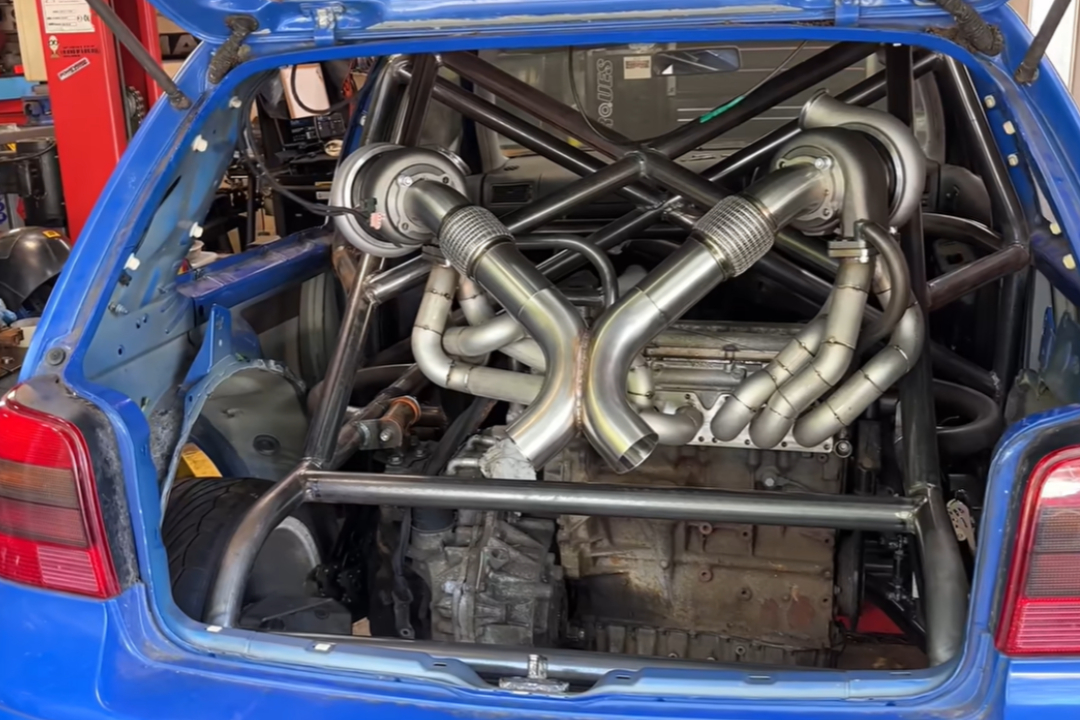
It started with an innocent rattle. The kind you chalk up to bad gas, a loose heat shield, or the universe reminding you that adulthood is mostly maintenance. Two days later, my car was on a flatbed, my stomach was in my shoes, and the service advisor was tapping a keyboard like it was about to confess something.
When the diagnosis came back—catastrophic engine failure—I did what most people do: I asked about the warranty. The answer was fast, polite, and somehow still felt like a door shutting. “It won’t be covered,” they said, “because you missed one oil change.”
How one oil change became a $7,000 problem
I’m not someone who never changes oil. I’m the person who sets reminders and then ignores them for a week because life happens. This time, I went past the recommended interval by a bit, and apparently that “bit” was now the main character in the story.
The dealership’s logic was simple: modern engines are picky, oil is their lifeblood, and missing scheduled maintenance can void coverage. They pulled up my maintenance history and pointed to a gap. It wasn’t “you never maintained your car,” it was “you missed this one thing, so we can’t help.”
Why dealerships lean so hard on maintenance records
Warranties aren’t just promises—they’re contracts with lots of little conditions. Most factory warranties require you to follow the maintenance schedule in the owner’s manual, and oil changes are the easiest thing to audit. Receipts, mileage logs, dealer service history—those are the breadcrumbs that decide whether you’re “in compliance.”
And from the dealership’s perspective, an engine replacement is expensive. If there’s any plausible way to link the failure to maintenance, they’ll try. Sometimes it’s legitimate. Sometimes it feels like they’re acting like a prosecutor with a highlighter.
Here’s the key question: did the missed oil change actually cause the failure?
This is where things get interesting, because “you missed one oil change” doesn’t automatically equal “warranty denied, case closed.” In many places, a manufacturer or dealer generally needs to show that the lack of maintenance caused—or at least contributed to—the failure. It’s not supposed to be a gotcha game where one late service wipes out your rights forever.
That said, the real world can get messy. If the engine failed due to oil starvation, sludge, or bearing damage that looks like poor lubrication, they’ve got an argument. If it failed because of a known defect unrelated to oil—say, a timing chain issue, a faulty component, or a manufacturing defect—the “missed oil change” line can be more of a convenient umbrella than a direct cause.
What the service department usually looks for
When an engine dies, the story is often written in the oil. Technicians may note whether the oil level was low, whether it looked burnt or sludged, and whether there’s evidence of extended intervals. They might also check if the oil filter is original or unusually old, and whether warning lights were ignored.
If you’re thinking, “But I didn’t even get a warning light,” you’re not alone. Some engines don’t complain loudly until they do, and by then it’s a full-blown mechanical tragedy. Unfortunately, silence isn’t proof you were in the clear.
If this happens to you, don’t argue—document
In the moment, it’s tempting to debate the advisor on the spot. But you’ll get further by calmly asking for specifics in writing. Ask for the technician’s notes, the diagnostic report, and the exact reason the warranty claim was denied.
Also ask them to point to the maintenance requirement they believe you violated—ideally the page in the owner’s manual or warranty booklet. It’s not being difficult; it’s being precise. If someone’s about to hand you a bill the size of a used motorcycle, you’re allowed to ask for receipts—literal and metaphorical.
Gather your proof (even if you changed the oil somewhere else)
If you have records, now’s the time to pull them together. That includes receipts from quick-lube shops, independent mechanics, or parts-store invoices if you did it yourself. Write down dates and mileages, and don’t underestimate the power of a boring spreadsheet.
Even if you truly missed an interval, you may still have a strong case if the rest of your history shows consistent maintenance. A single late oil change is different from a pattern of neglect, and sometimes manufacturers will consider goodwill assistance when the overall story looks responsible.
Ask about a “goodwill” repair—yes, that’s a real thing
Goodwill coverage is the automotive version of “we’re not admitting anything, but we’ll help.” It can mean the manufacturer covers parts while you pay labor, or they split the bill, or they cover it all as a one-time exception. It often depends on mileage, vehicle age, service history, and whether you’ve maintained the car within their network.
The trick is to ask nicely but clearly. “Is there a goodwill option available?” and “Can you submit a request to the manufacturer on my behalf?” are both reasonable questions. You’re not begging; you’re negotiating in a system built on exceptions.
Escalation paths that don’t require a courtroom mood
If the dealership won’t budge, go one level up. Call the manufacturer’s customer care line and open a case, then ask what documentation they need. Keep notes: names, dates, summaries, and case numbers—your future self will thank you.
Depending on where you live, you may also have access to consumer protection resources or arbitration programs related to warranty disputes. Sometimes just mentioning that you’d like a second review prompts a more serious look at the claim. Nobody loves paperwork, especially when it might end with “approved.”
How to protect yourself before something goes wrong
This is the part nobody wants to hear after the engine has already turned into a very expensive paperweight, but it matters. Keep every maintenance receipt and make sure it shows mileage, date, and what was done. If you DIY, keep the parts receipts and jot the mileage on them right away, because “I swear it was around 42,000 miles” is not the strongest evidence.
Also, follow the schedule in the owner’s manual, not just the sticker on the windshield. Some cars have severe-service schedules for short trips, extreme temperatures, towing, or lots of idling, and that can shorten the interval. It’s annoying, yes, but it’s also exactly the kind of detail warranty reviewers love to bring up later.
What I wish I’d asked the moment they said “not covered”
In hindsight, I wish I’d slowed the conversation down. I would’ve asked: “What failure mode did you find, and how does it relate to oil condition?” I would’ve asked for photos, oil analysis results if any, and whether the manufacturer rep inspected it or if it was a quick internal decision.
Most of all, I would’ve asked them to separate two ideas: “You missed an oil change” and “That caused this engine failure.” Those aren’t automatically the same sentence, even if they’re often spoken like they are.
If you’re in the middle of this right now, take a breath. You’re not the first person to hear this line, and you’ve got options besides accepting the first “no.” It may still end in a painful bill, but it doesn’t have to end in confusion—and that’s where you start getting your power back.
More from Fast Lane Only