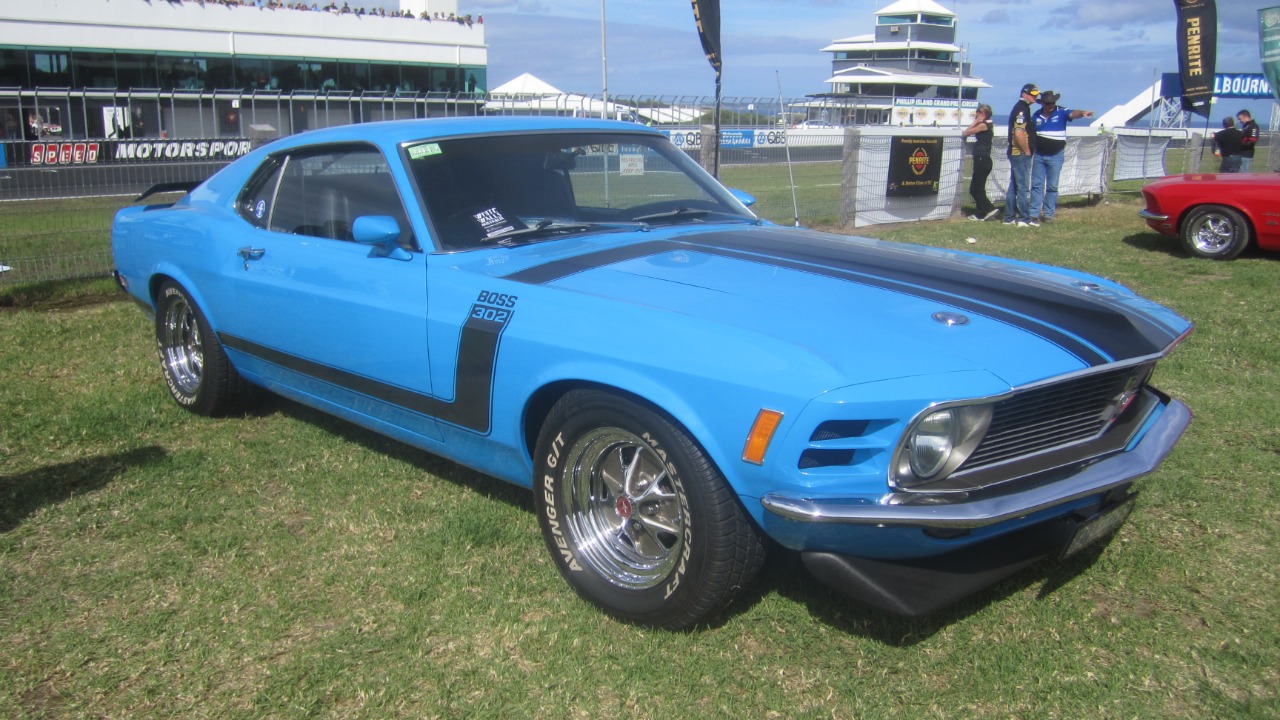
For years, one Ford performance package sat in the shadow of big-block legends and high-profile Shelby badges. Built in modest numbers and marketed without much fanfare, it was treated as just another used car long after the muscle era cooled. Only recently have collectors begun to recognize how much engineering and character Ford quietly packed into this option sheet.
That shift has turned a once-overlooked configuration into a sought-after prize, with values climbing and surviving examples pulled from barns and backyards for meticulous restorations. The same traits that once made it hard to sell, subtle styling and a focus on balanced performance instead of raw bragging rights, are now exactly what enthusiasts want.
From overlooked option code to sought-after sleeper
During the 1970s, Ford performance in the public imagination was defined by halo cars like the Boss Mustangs and Torino Cobra models. Yet the company also offered more understated packages that combined uprated engines, firmer suspensions, and heavy-duty cooling with relatively plain exteriors. These cars were often ordered by buyers who wanted speed without stripes, and many slipped through the cracks of history.
Collectors long prioritized the most dramatic body styles and biggest displacement figures. As a result, optioned-up intermediates and compact Fords with performance hardware were treated as second-tier choices. They were driven hard, modified, or scrapped, while the headline models were preserved. That pattern mirrors the broader fate of several 1970s muscle cars that spent decades undervalued before finally gaining respect among enthusiasts who now celebrate overlooked 1970s muscle.
What changed for the Ford package was a combination of scarcity and deeper research. As registries grew and owners began decoding build sheets, it became clear how few cars carried the full performance specification. Option codes that once looked like meaningless strings of letters and numbers turned into markers of rarity, and the market adjusted accordingly.
How the market finally caught up to the engineering
The collector car world tends to move in cycles. Once the most obvious icons grow too expensive, attention shifts to the next tier of interesting machinery. That dynamic helped shine a light on Ford’s sleeper performance package. Buyers priced out of top-shelf Boss and Shelby models started looking for cars that offered similar driving enjoyment with a different story to tell.
They found it in a Ford configuration that paired a strong small-block V8 with carefully chosen chassis upgrades. Period road tests, once forgotten in library archives, highlighted how these cars could out-handle heavier big-block rivals while returning better fuel economy at a time when that suddenly mattered. The combination of responsive steering, improved brakes, and shorter gearing gave the package an everyday usability that pure drag-strip specials lacked.
As more of these period impressions resurfaced in enthusiast circles, they validated what current owners were already saying about how the cars felt from behind the wheel. That feedback loop between historical documentation and modern experience helped shift the narrative. Instead of being seen as a compromise choice, the package came to be viewed as a smart, driver-focused alternative.
Condition also played a major role. Because the cars were not treated as collectibles for so long, unmodified survivors are rare. When a low-mileage example with original paint, interior, and drivetrain appears, it stands out sharply against a backdrop of heavily altered project cars. Auction houses and online marketplaces have begun to highlight these details in listings, calling attention to factory-correct components that were once ignored.
Why this particular Ford formula resonates with collectors now
Several broader trends in the hobby help explain why enthusiasm has converged around this specific Ford performance recipe. One is a growing appreciation for balance over brute force. Modern performance cars, including Ford’s own current offerings, have accustomed drivers to vehicles that can corner and stop as well as they accelerate. That perspective makes an older car with a cohesive suspension and brake package feel more relevant than a period-correct straight-line specialist.
Generational shifts also play a role. Enthusiasts who grew up seeing these cars as affordable used performance are now in a position to buy the best examples. Nostalgia is powerful, but it is also selective. Many of these buyers remember the way a well-optioned Ford with the right package could embarrass more glamorous rivals at local stoplights and track days. Owning one today is a way to recapture that underdog charm, now with the benefit of historical context and better parts support.
The package also fits neatly into a shift toward drivability. Collectors increasingly want cars they can use on long drives, not just trailer to shows. A performance Ford built around a manageable engine size, sensible gearing, and factory cooling upgrades is easier to live with on modern roads than a highly strung big-block. It idles in traffic, runs at highway speeds without drama, and still delivers the sound and response that make classic muscle appealing.
Finally, the narrative around fuel and emissions has softened with time. When these cars were new, they arrived during a period of tightening regulations and rising fuel prices, which colored perceptions. Today, the context is different. Enthusiasts view them as transitional machines that tried to keep performance alive under new constraints, and that story adds depth rather than stigma.
How collectors are reshaping restoration and documentation
As values rise, owners are investing more time and money in restoring these cars correctly. That has sparked a cottage industry around decoding original order forms, locating date-correct components, and reproducing small details unique to the performance package. Items that once went straight into the trash, such as specific sway bars, carburetor tags, or transmission coolers, are now carefully cataloged and traded.
Clubs and online forums have become important clearinghouses for information. Owners compare casting numbers, share period advertising that mentions the option group, and compile registries that track surviving cars by color, body style, and drivetrain. This crowdsourced research fills gaps left by incomplete factory records and helps buyers verify that a car really left the assembly line with the full package.
The renewed attention has also influenced how shops approach modifications. Where builders once felt free to swap engines or convert automatic cars to manual transmissions without hesitation, there is now more pressure to preserve original configurations when a car carries the rare performance code. Restomods still have a place, but they increasingly start with less significant base models, while documented package cars are restored to stock or near-stock specification.
What the next chapter looks like for Ford’s sleeper performance hero
Looking ahead, the trajectory for this Ford package appears to follow the classic pattern of late recognition followed by steady, sustainable interest. The initial jump in visibility has already happened, fueled by social media, online auctions, and specialty coverage that highlighted how undervalued these cars were. The next phase is likely to be slower and more measured, driven by careful buyers who prioritize documentation and originality.
Values will probably continue to track the broader muscle and classic Ford markets, rising for the best examples and flattening for rough projects that require extensive metalwork and parts hunting. As more cars are restored, the bar for quality will climb. Future buyers will expect correct finishes, accurate decals, and functioning factory options, not just shiny paint and a rebuilt engine.
The package’s reputation as a driver’s car should help it weather shifts in taste. Enthusiasts who care about how a car feels on a winding road are less likely to move on quickly to the next fad. That loyalty, combined with the inherent scarcity of well-optioned survivors, gives the configuration a solid foundation in the collector world.
At the same time, the story of this Ford serves as a reminder that the next wave of desirable classics often hides in plain sight. Option codes that once looked ordinary can, with enough research and passion, reveal a richer history. For collectors willing to study build sheets and decode fender tags, the performance package that finally found its audience is both a reward in itself and a roadmap to discovering the next undervalued gem.
More from Fast Lane Only
- Unboxing the WWII Jeep in a Crate
- 15 rare Chevys collectors are quietly buying
- 10 underrated V8s still worth hunting down
- Police notice this before you even roll window down
*Research for this article included AI assistance, with all final content reviewed by human editors