For a stretch of the 1960s through the late 1980s, Buick quietly turned out some of the quickest American cars on sale, even as its public image leaned heavily on chrome, comfort, and country-club respectability. The brand that sold itself with hushed cabins and soft ride quality also built drag-strip terrors and Corvette-baiting sleepers that could embarrass more overt muscle machines. That tension between image and performance still shapes how enthusiasts talk about Buick today, and it explains why this low-key performance era continues to matter.
How a comfort brand stumbled into serious speed
Buick’s performance story did not start with a clean-sheet sports car. It grew out of the same full-size coupes and sedans that carried families and retirees, then gradually shifted toward smaller platforms as Detroit’s horsepower wars evolved. In the early 1960s, Buick engineers began slipping high-compression V8s and upgraded suspensions into otherwise conservative bodies, creating cars that looked like highway cruisers but behaved very differently when the light turned green.
The most famous early example was the Gran Sport badge. What began as an option package quickly turned into a full-fledged muscle line as buyers discovered that a Buick with a big-block V8 and stronger driveline could hang with better-known street heroes. Period road tests treated these cars as genuine performance contenders, helped by torque-rich engines that delivered strong acceleration even in heavy bodies. Buick did not shout about quarter-mile times in advertising, but the cars earned a reputation in showrooms and at local strips.
As the muscle era matured, the brand leaned harder into this dual identity. Luxury cues stayed intact, yet under the skin, engineers kept chasing power and traction. That approach produced a series of cars that looked understated next to bright-striped rivals but ran with them or ahead of them in real-world use.
The muscle-era Buicks that shocked the quarter mile
By the late 1960s, Buick was fielding some of the most potent big-block combinations in Detroit. The GS 400 and GS 455 turned the Gran Sport concept into a serious performance program, pairing large-displacement V8s with chassis and brake upgrades that made the cars more than straight-line specials. The GS 455 Stage 1 package in particular gained a reputation for brutal midrange pull, and contemporary racers learned not to underestimate a quiet Buick coupe at the staging lights.
Coverage of historic Buick muscle cars highlights how these models often delivered real-world acceleration that outpaced their conservative factory ratings. Enthusiasts and tuners exploited that headroom, finding that small changes in carburetion, ignition, and exhaust unlocked even more speed. The cars remained comfortable and well-trimmed inside, which made the performance feel even more surprising to passengers used to softer behavior from the brand.
Buick’s strategy differed from some rivals that chased youth buyers with wild graphics and stripped interiors. The company stuck to its premium positioning, using quiet power and relatively subtle styling to keep existing customers while attracting drivers who wanted muscle without the flash. That balance produced loyal followings around specific models and option codes, many of which still command strong interest at auctions and in club circles.
Sleepers, wagons, and the Corvette-powered outliers
The most intriguing chapter in Buick’s go-fast story belongs to its sleepers, the cars that hid serious hardware under family-friendly sheetmetal. Among enthusiasts, one of the most talked-about examples is a mid-1970s wagon that received a factory installation of Corvette-spec running gear. This long-roof Buick, built in very limited numbers, used a Chevrolet small-block V8 and matching drivetrain that transformed it from grocery getter to genuine muscle wagon.
Modern coverage of Buick’s Corvette-powered wagon describes how the car retained its woodgrain sides and family-car seating while delivering performance that shocked unsuspecting drivers. It represented an extreme expression of Buick’s habit of pairing comfort-focused bodies with high-output engines, and it has since become a cult favorite among collectors who appreciate its absurdity and rarity.
Other sleepers were less exotic but followed the same formula. Mid-size coupes and sedans with big-block or high-output small-block engines, upgraded suspensions, and discreet badging populated Buick showrooms through the 1970s. Even as emissions rules and fuel crises cut into peak horsepower, engineers found ways to preserve torque and drivability, which kept these cars competitive in daily use.
Turbocharged V6s and the birth of the modern Buick performance myth
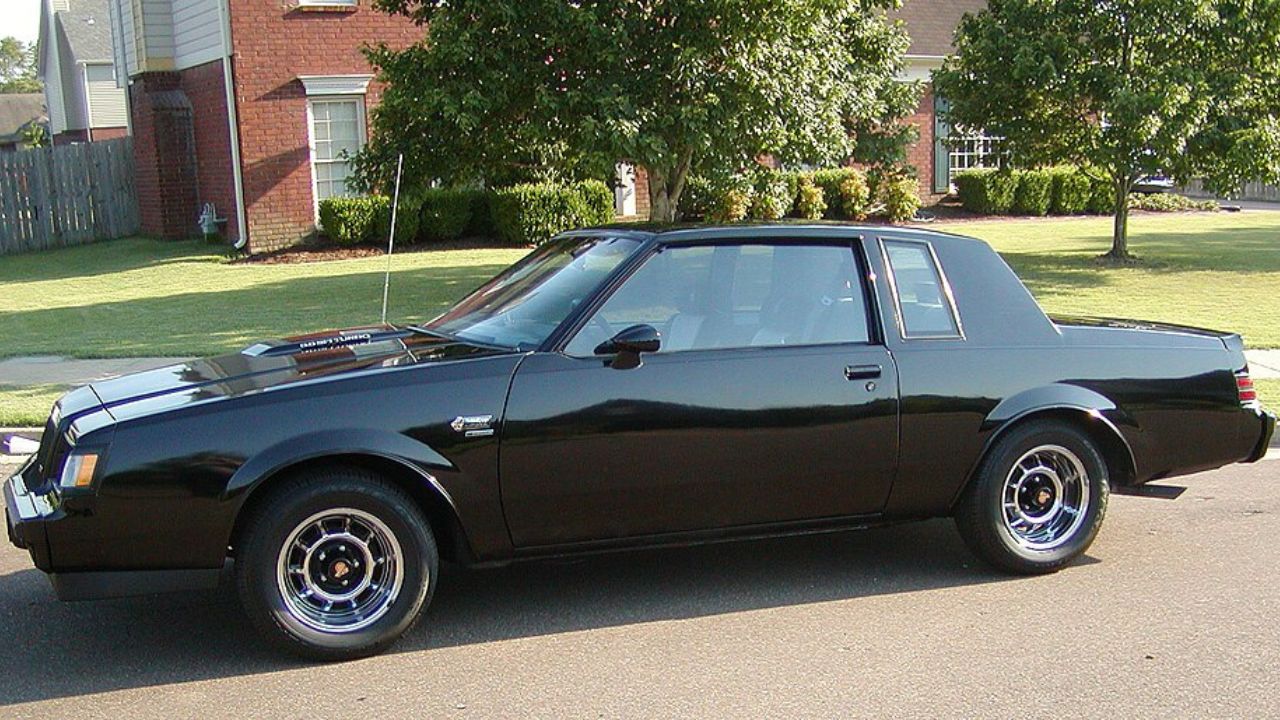
The late 1970s and 1980s shifted the story from cubic inches to technology. Buick’s embrace of turbocharged V6 engines, particularly in the Regal line, created some of the quickest American production cars of the decade. The Grand National and its ultimate evolution, the GNX, used forced induction and electronic controls to produce acceleration that outpaced many V8 rivals while still wearing a Buick badge.
These cars cemented the idea that Buick could be genuinely fast without abandoning its identity. The turbo Regals looked relatively restrained compared with flamboyant sports cars, yet they delivered startling performance in magazine tests and on the street. Owners enjoyed a kind of built-in stealth, since few people expected a dark, boxy Buick coupe to launch so hard from a stop.
The success of these turbo models also showed that Buick’s performance story was not just a relic of the big-block era. It could adapt to new technology and tighter regulations, using engineering rather than sheer displacement to stay quick. That adaptability helped keep the brand relevant to enthusiasts even as the broader market shifted toward efficiency and comfort.
Why this quiet performance streak matters to car culture now
Today, the idea that Buick once built some of the quickest American cars runs counter to its mainstream image. That disconnect is part of what makes the story resonate with younger enthusiasts who discover these cars through online videos, auctions, and retro coverage. The notion of a “sleeper” fits neatly with modern car culture’s fascination with underdogs and unexpected performance.
For collectors, the mix of comfort and speed that defined these Buicks offers a different proposition from more obvious muscle icons. A GS 455 or Grand National provides strong acceleration along with a refined ride and upscale interior, which makes them appealing for longer drives and events. The relative rarity of certain configurations, including the Corvette-powered wagon, adds a layer of intrigue and investment potential.
There is also a historical angle. Buick’s performance phase illustrates how a brand can stretch its identity without losing its core. By keeping the focus on quiet power and premium feel, the company managed to participate in the horsepower wars while still selling cars to its traditional customer base. That balancing act is instructive for any modern manufacturer trying to add excitement without alienating loyal buyers.
How the legacy shapes Buick’s future and enthusiast interest
Buick’s current lineup leans heavily on crossovers and comfort, yet the memory of its quick cars continues to influence how enthusiasts talk about the badge. Events that celebrate classic American performance often feature strong showings from GS and turbo Regal owners, who see themselves as ambassadors for an underrated chapter of muscle history. Their cars serve as rolling reminders that speed once lived in unexpected corners of the showroom.
That legacy could still inform future product decisions. As performance increasingly shifts toward electrification, the idea of a quiet, quick Buick fits neatly with the brand’s past. Electric powertrains naturally deliver silent acceleration, which mirrors the “whispering brute” character that defined many of the classic models. If Buick chooses to pursue higher-performance variants of its crossovers or potential new body styles, it has a credible story to tell that reaches back decades.
In the collector market, interest in these cars shows little sign of fading. The most desirable examples, from GS Stage 1 coupes to GNX models and rare sleepers like the Corvette-powered wagon, continue to attract attention from buyers who want something different from the usual muscle-car roster. Their appeal lies not only in performance numbers but in the surprise factor that comes from seeing a Buick run with, or ahead of, more obvious performance brands.
More from Fast Lane Only
- Unboxing the WWII Jeep in a Crate
- 15 rare Chevys collectors are quietly buying
- 10 underrated V8s still worth hunting down
- Police notice this before you even roll window down
*Research for this article included AI assistance, with all final content reviewed by human editors