Automatic transmissions are engineered to survive years of stop‑start traffic, steep hills and heavy loads, yet many fail long before their time. Often the culprit is not a manufacturing defect or bad luck, but a simple everyday habit that quietly grinds away at the hardware. The way drivers sit at a red light, creep in a queue or park on a slope can add up to thousands in repair bills.
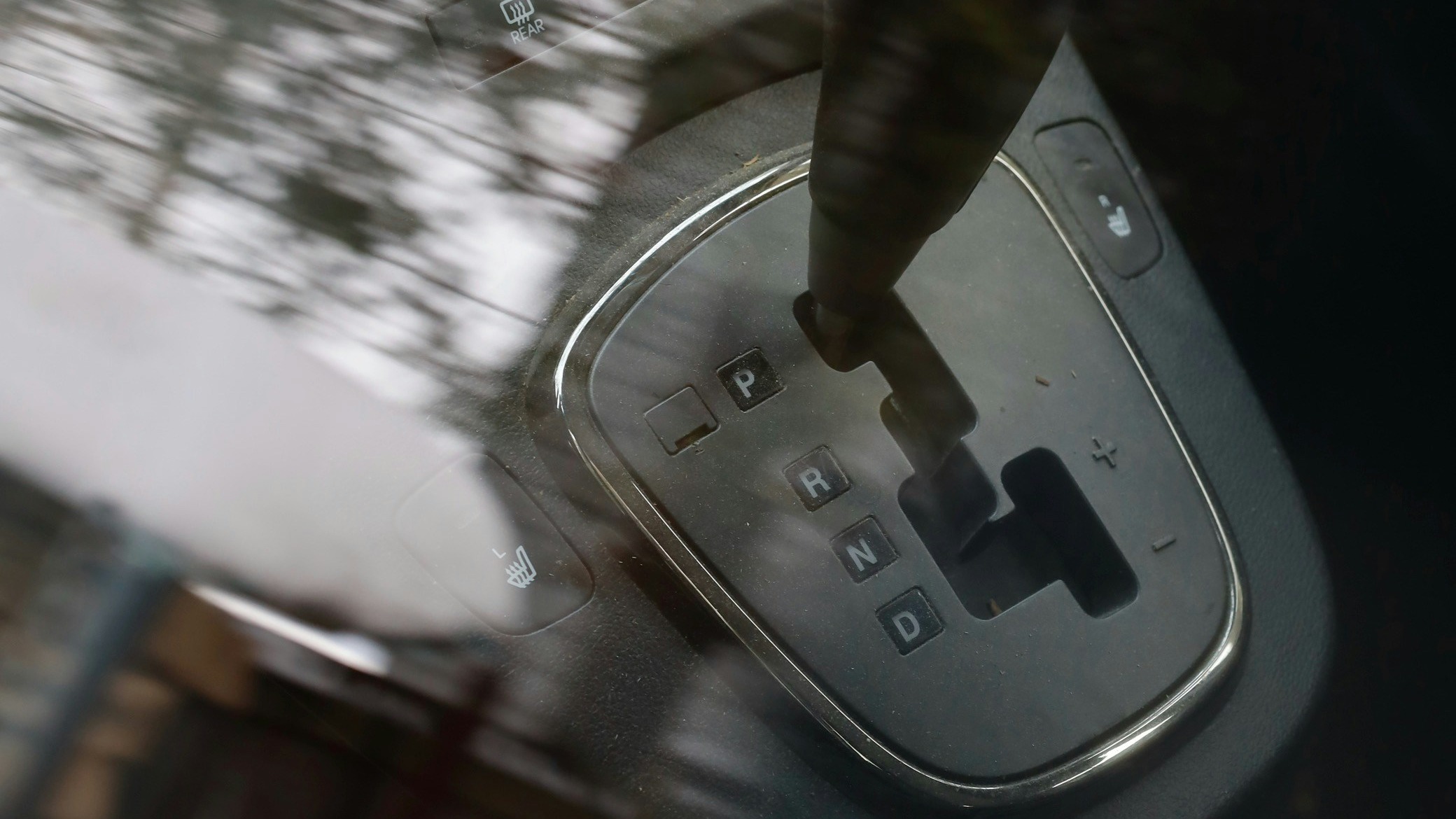
The most damaging routine mistake is using the transmission to hold or control the car when the brakes or parking brake should be doing the work. That includes resting in “Drive” with only light brake pressure, using “Park” instead of the handbrake on an incline, or flicking between “Drive” and “Reverse” to change direction while the car is still rolling. Each feels harmless in the moment, but together they load the gearbox with stress it was never meant to carry.
What happened
Modern automatics are built around hydraulic pressure, clutches and a parking pawl, a small metal pin that locks the output shaft when “Park” is selected. In normal use, the brakes hold the vehicle still, then the pawl drops into place with minimal force. When drivers let the car’s weight roll onto that pawl by skipping the parking brake, they effectively use a finger‑sized piece of metal as a wheel chock. Over time, that habit can chip or deform the pawl and its mating gear, which leads to harsh engagement, difficulty getting out of “Park” and, in severe cases, transmission failure.
The same pattern of misuse appears in slow traffic. Many drivers sit in “Drive” with the car nudging forward against light brake pressure, or they creep along at walking pace using only the transmission’s idle torque. The gearbox then spends long stretches slipping its internal clutches to keep the car moving smoothly at a speed that is below its most efficient operating range. The fluid heats up, friction material wears away and the control system is forced to compensate with higher line pressure, which increases stress on seals and valves.
Shortcuts during low‑speed maneuvers add another layer of damage. Instead of stopping fully, some drivers flick straight from “Reverse” to “Drive” when backing out of a space, letting the transmission absorb the change in direction while the car is still rolling. Inside the gearbox, that maneuver asks the clutches to bring rotating components to a stop and then spin them the other way, all in a fraction of a second. The resulting shock loads can glaze clutch surfaces and send pressure spikes through the planetary gearsets.
Specialists who rebuild transmissions see the fingerprints of these habits every day. Burnt fluid, worn clutch packs and damaged parking pawls appear most often on vehicles that spend their lives in urban traffic, where drivers are tempted to ride the creep of the transmission instead of using the brakes. The problem is not limited to older torque‑converter automatics. Dual‑clutch units and continuously variable transmissions are just as vulnerable, and in some cases more sensitive, because their internal components are lighter and rely on precise control of friction to operate smoothly.
Bad habits rarely travel alone. The same casual approach that leads a driver to lean on the gearbox often shows up in other areas that accelerate wear across the car. Motoring experts have highlighted how everyday behaviours such as riding the clutch, slamming doors and skipping basic cleaning can cost owners thousands over a vehicle’s life. One analysis of common bad driving habits linked simple routines like resting a hand on the gear lever or avoiding the car wash to avoidable repair bills.
Transmission strain is often invisible until it becomes expensive. Unlike a noisy exhaust or a cracked windscreen, early gearbox wear gives few obvious clues. The fluid darkens gradually, shifts become a little less crisp and fuel economy dips slightly. Many owners only discover the damage when a warning light appears or the car starts to shudder on acceleration. By then, the internal wear is usually advanced and the repair options are limited to a rebuild or replacement.
Why it matters
The financial stakes are stark. Replacing a modern automatic transmission can cost more than the resale value of an older car, especially on premium models with complex dual‑clutch units. Even on mainstream hatchbacks and family SUVs, a full gearbox replacement often runs into four‑figure sums once labour, fluids and programming are included. For drivers who rely on their car for commuting or family duties, that kind of failure can mean weeks off the road and a difficult choice between paying for repairs or changing vehicles entirely.
Beyond the headline cost, transmission wear has a long tail. A gearbox that is constantly slipping its clutches to manage low‑speed creep wastes energy as heat, which feeds directly into higher fuel consumption. Over tens of thousands of miles, that extra fuel burn adds up. For company car drivers or high‑mileage commuters, the difference between a healthy transmission and a tired one can be measured in hundreds of pounds in fuel alone, before any repairs are considered.
The environmental impact is just as real. Manufacturing a replacement transmission requires raw materials, machining, transport and packaging, all of which carry a carbon footprint. When an otherwise sound car is scrapped because the gearbox repair does not make economic sense, the embodied energy in that vehicle is effectively written off. Encouraging drivers to treat their transmissions with more care is therefore not just a matter of personal finance, but also of reducing waste across the fleet.
Safety is another dimension. A transmission that slips unexpectedly, hesitates when pulling away or jumps out of gear under load can put a driver in difficult situations at junctions and roundabouts. In heavy traffic, a delayed response from the drivetrain can make gap‑judging harder and increase the risk of low‑speed collisions. While electronic controls are designed to manage faults gracefully, they cannot fully mask the mechanical consequences of long‑term abuse.
For manufacturers and dealers, driver behaviour has become a quiet warranty battleground. Automakers invest heavily in calibrating shift strategies and thermal management to protect transmissions, yet they have limited control over how owners use the vehicles day to day. When a gearbox fails within the warranty period, technicians often look for signs that the car has been used to tow loads beyond its rating, launch aggressively or rock itself free from snow by snapping between “Drive” and “Reverse”. These patterns can influence whether a claim is covered or treated as misuse.
Urbanisation and congestion magnify the problem. As more drivers spend their time in dense traffic, the proportion of miles driven at low speed increases. That environment encourages exactly the habits that wear transmissions out fastest: inching forward on the throttle instead of using the brake pedal, holding the car on the transmission on slight slopes and using the gearbox as a surrogate parking brake during quick stops. Without conscious changes, the mechanical cost of city driving will continue to rise.
There is also a generational knowledge gap. Many new drivers have never used a manual gearbox and therefore lack an intuitive sense of mechanical sympathy. With a clutch pedal, it is obvious that riding the bite point or slipping the clutch on hills causes wear. In an automatic, the same abuse is hidden behind software and hydraulic pressure. The absence of direct feedback makes it easier to treat the transmission as a black box that can handle anything, when in reality it has clear limits.
Electric vehicles complicate the picture but do not escape it. Most battery‑electric cars use single‑speed reduction gearboxes rather than multi‑ratio automatics, yet they still rely on lubricated gears and bearings that can suffer from shock loads and overheating. Aggressive use of instant torque at low speed, especially when towing or climbing steep gradients, can stress these components. As more households mix electric and combustion vehicles, consistent habits that respect driveline limits will matter across both types.
For policy makers focused on road safety and emissions, small behavioural changes offer a low‑cost lever. Public campaigns often target speeding, mobile phone use and seatbelts, but rarely mention mechanical sympathy. Yet simple messages about using the parking brake on slopes, coming to a full stop before changing direction and avoiding long periods of creep in “Drive” could reduce breakdowns, cut fuel use and extend vehicle life. Those outcomes align directly with goals to keep traffic flowing and reduce the environmental impact of motoring.
What to watch next
Drivers who want to protect their transmissions can start with a few straightforward changes. The first is to treat the brake pedal as the primary tool for holding the car still. At red lights or in queues, that means applying firm brake pressure rather than allowing the car to nudge forward against a light touch. In longer stops, shifting from “Drive” to “Neutral” and using the handbrake can reduce heat build‑up in the transmission, particularly in hot weather or heavy traffic.
On slopes, the sequence matters. The safest routine is to hold the car on the foot brake, apply the parking brake firmly, then select “Park”. When setting off, the driver should start the engine with their foot on the brake, shift out of “Park” into “Drive” or “Reverse”, then release the parking brake. This approach lets the brakes, which are designed to hold the full weight of the vehicle, absorb the load instead of the parking pawl.
Low‑speed manoeuvres demand patience. Before changing from “Reverse” to “Drive” or vice versa, the car should be brought to a complete stop with the brake pedal. Only then should the driver move the selector. This brief pause allows internal components to slow down and align, which reduces shock loads on the clutches and gears. The same principle applies when selecting “Drive” after starting the engine; giving the system a moment to build hydraulic pressure before applying throttle helps ensure smooth engagement.
Maintenance habits are just as significant as driving style. Transmission fluid does not last forever, even in so‑called “sealed for life” units. Heat cycles, shear forces and contamination gradually degrade its ability to lubricate and carry away heat. Following the manufacturer’s service schedule for fluid changes, or adopting a more conservative interval for vehicles that spend their lives in heavy traffic, can dramatically extend gearbox life. When in doubt, owners should consult a trusted specialist who can assess fluid condition and advise on preventive servicing.
Technology will play a growing role in guiding drivers toward better habits. Many modern cars already monitor transmission temperature and adapt shift strategies to protect hardware. Some display warnings when the gearbox overheats, prompting the driver to stop or shift into “Park” to let the fluid cool. As telematics and connected services expand, manufacturers may start providing feedback on driving patterns that accelerate wear, much as eco‑driving scores already highlight harsh acceleration and braking.
More from Fast Lane Only