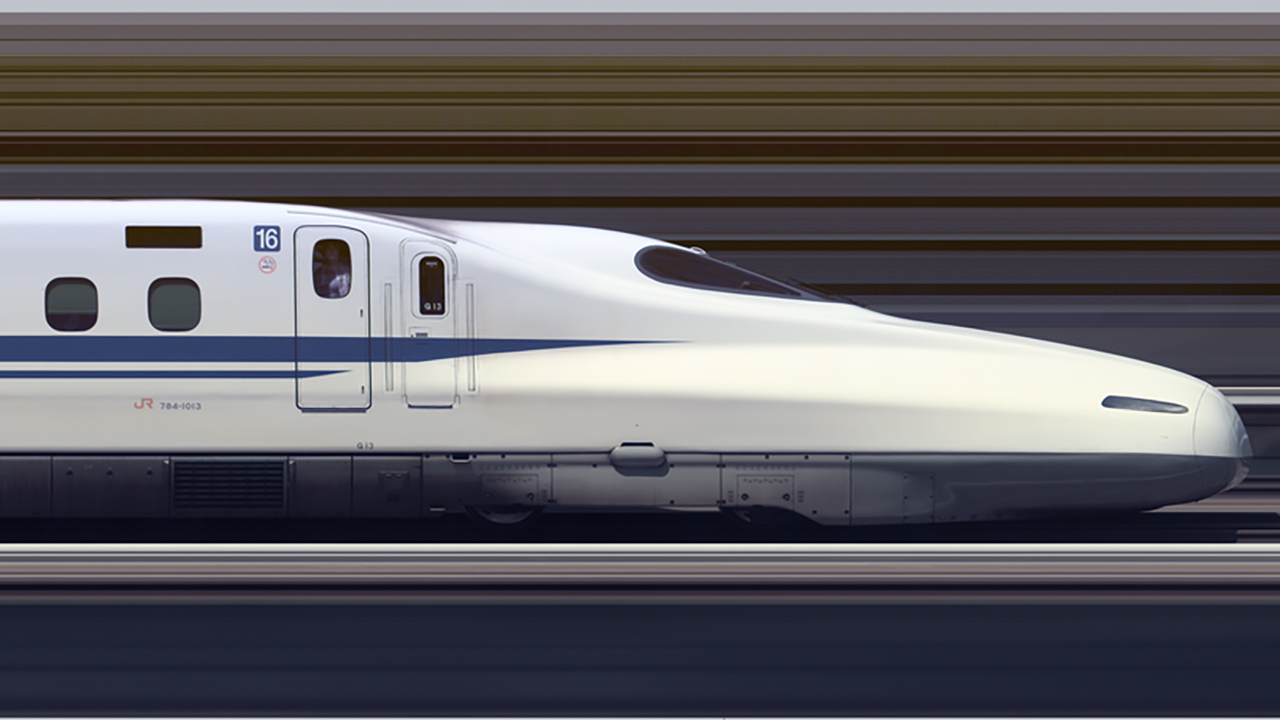
In recent decades, bullet trains have become a symbol of technological progress, revolutionizing high-speed rail travel and offering a glimpse into the future of public transportation. These marvels of engineering whisk passengers across vast distances at incredible speeds, transforming the way we think about connectivity and mobility. With their impressive capabilities, bullet trains are redefining global transportation networks, setting new standards for speed, efficiency, and innovation.
The Evolution of High-Speed Rail
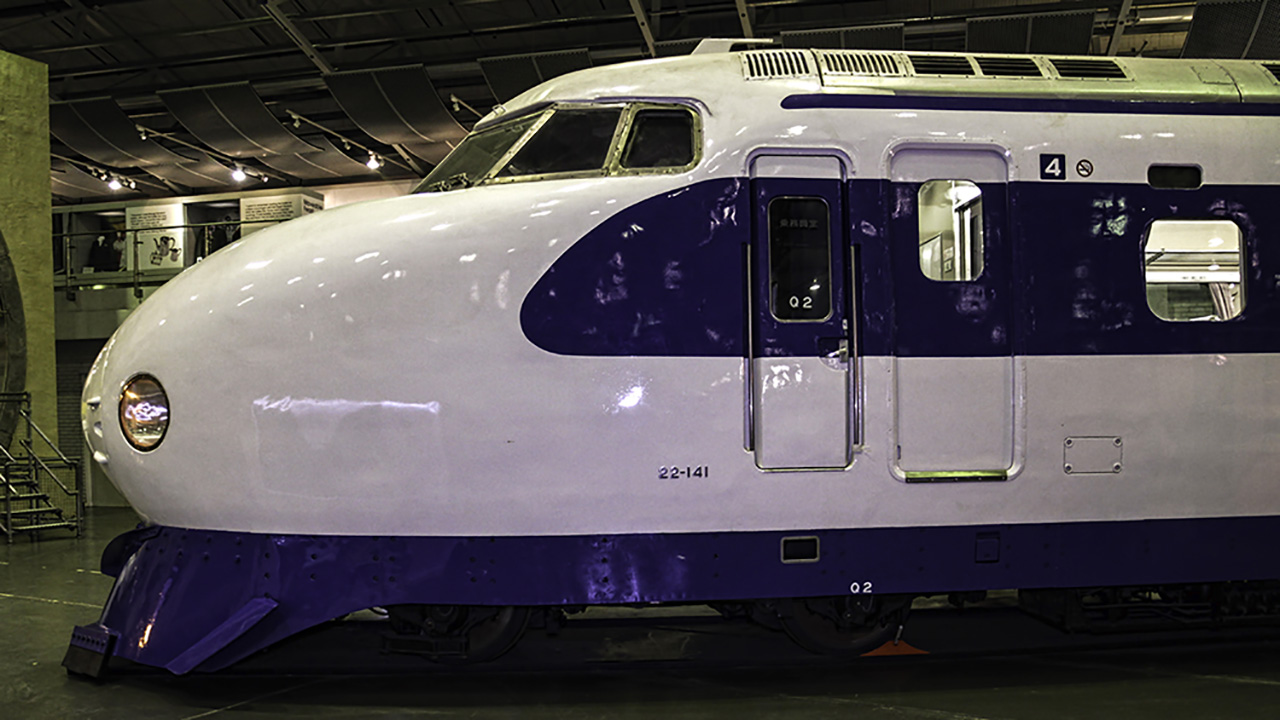
The genesis of bullet trains can be traced back to Japan’s introduction of the Shinkansen in 1964, a pivotal moment that heralded the era of high-speed rail. The original Shinkansen, also known as the “bullet train,” reached speeds of up to 210 km/h (130 mph), significantly reducing travel time between Tokyo and Osaka. This innovation inspired countries worldwide to invest in high-speed rail technology, setting the stage for a transportation revolution.
Over the years, technological advancements have propelled bullet trains to achieve unprecedented speeds. Developments in aerodynamics, lightweight materials, and propulsion systems have been instrumental in pushing the boundaries of rail travel. The collaboration between governments and international organizations has also played a crucial role, fostering an environment that encourages innovation and investment in high-speed rail projects.
Top Speed Champions: The Fastest Trains

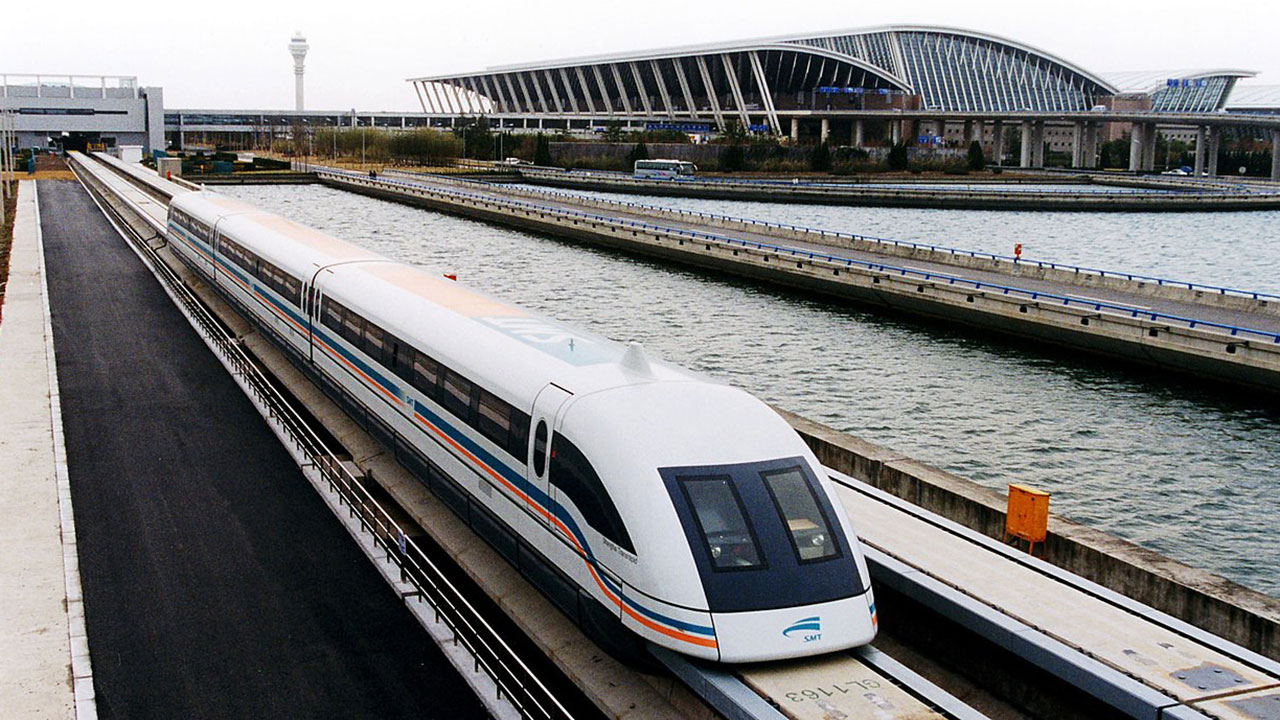
Among the fastest bullet trains in the world, the L0 Series Maglev stands out with its record-breaking speed. Developed in Japan, this train utilizes magnetic levitation technology to hover above the tracks, eliminating friction and allowing it to reach speeds of up to 603 km/h (375 mph) during test runs. The L0 Series Maglev is a testament to the potential of cutting-edge technology in revolutionizing rail travel.
China’s CR400AF/BF Fuxing is another remarkable high-speed train, operating at speeds of up to 350 km/h (217 mph) on the country’s extensive rail network. The Fuxing trains are part of China’s ambitious efforts to expand its high-speed rail infrastructure, connecting major cities and reducing travel times significantly. Meanwhile, France’s TGV POS exemplifies the nation’s long-standing commitment to high-speed rail, with trains reaching speeds of up to 320 km/h (199 mph). The TGV network has not only bolstered domestic travel but also strengthened France’s position as a leader in rail technology.
Technological Innovations Behind Speed
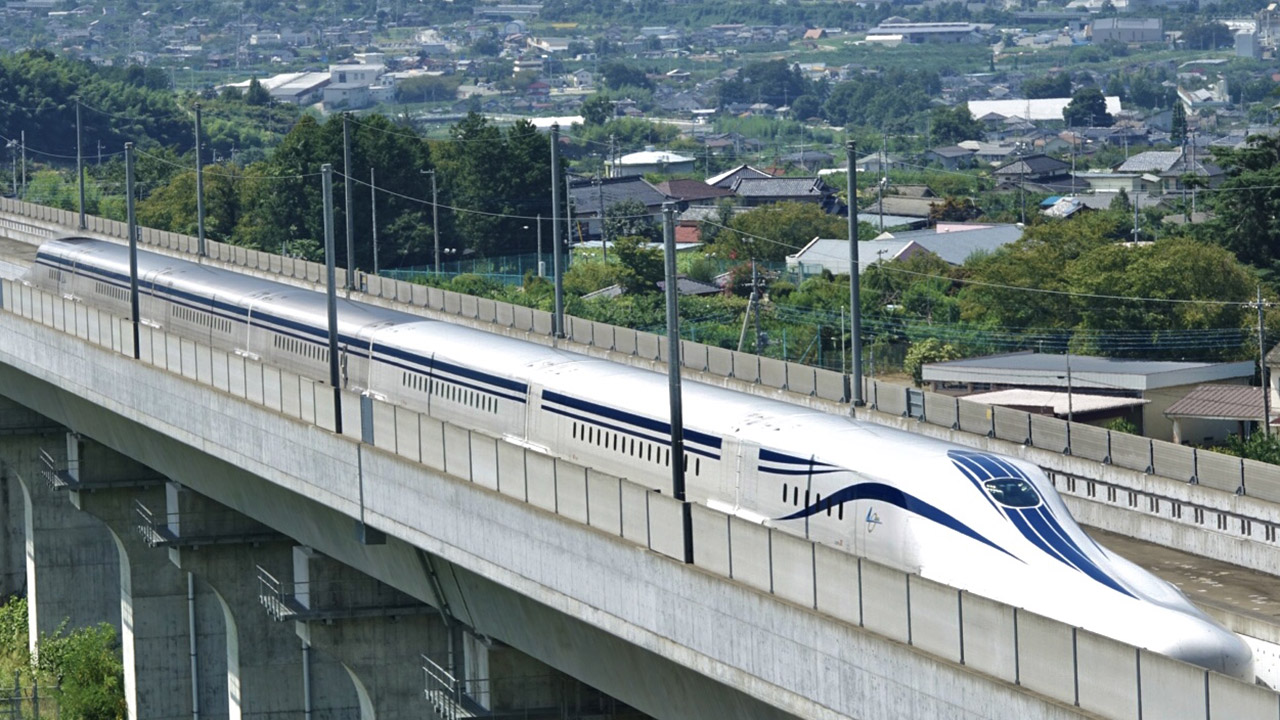
The design and aerodynamics of bullet trains are crucial factors in achieving high speeds. Engineers meticulously shape the train’s body to minimize air resistance, drawing inspiration from nature and advanced aerodynamic principles. The streamlined noses of trains like the Shinkansen are designed to cut through the air with minimal drag, allowing for smoother and faster travel.
In addition to aerodynamic design, advanced propulsion systems play a vital role in powering bullet trains. The use of lightweight materials and efficient motors enables trains to accelerate quickly and maintain high speeds. Magnetic levitation technology, as seen in the L0 Series Maglev, represents a significant leap forward, reducing friction and energy consumption. Safety is also paramount in high-speed rail travel, with sophisticated braking systems, real-time monitoring, and robust infrastructure ensuring passenger safety at every turn.
Global Impact and Future Prospects
The economic impact of high-speed rail is substantial, fostering connectivity and spurring growth in regions connected by these rail networks. By reducing travel times between cities, bullet trains enhance business opportunities and tourism, contributing to the economic vitality of urban centers and surrounding areas. The environmental benefits are also noteworthy, as high-speed rail offers a more sustainable alternative to air travel, reducing carbon emissions and promoting eco-friendly transportation.
Looking ahead, the future of high-speed rail is filled with exciting possibilities. Countries around the world are investing in new projects and exploring innovative technologies to push the boundaries of speed and efficiency further. From hyperloop systems to next-generation maglev trains, the future holds tremendous potential for breakthroughs in rail travel.
Challenges and Opportunities in High-Speed Rail

Despite the promise of high-speed rail, several challenges must be addressed to ensure its continued success. Building and maintaining extensive rail networks require significant infrastructure investment, often posing financial and logistical hurdles. Additionally, the high costs associated with developing and operating these systems can be a barrier to widespread adoption.
However, the opportunities for expansion are significant. As technology advances and costs decrease, high-speed rail has the potential to extend its reach into new regions and markets. Governments and private enterprises are exploring partnerships and funding models to overcome financial challenges, creating opportunities for growth and innovation.
In conclusion, bullet trains are at the forefront of a transportation revolution, setting new benchmarks for speed, efficiency, and connectivity. As countries continue to invest in high-speed rail, these technological marvels will undoubtedly play a pivotal role in shaping the future of global transportation.
Like Fast Lane Only’s content? Be sure to follow us.
Here’s more from us:
*Created with AI assistance and editor review.