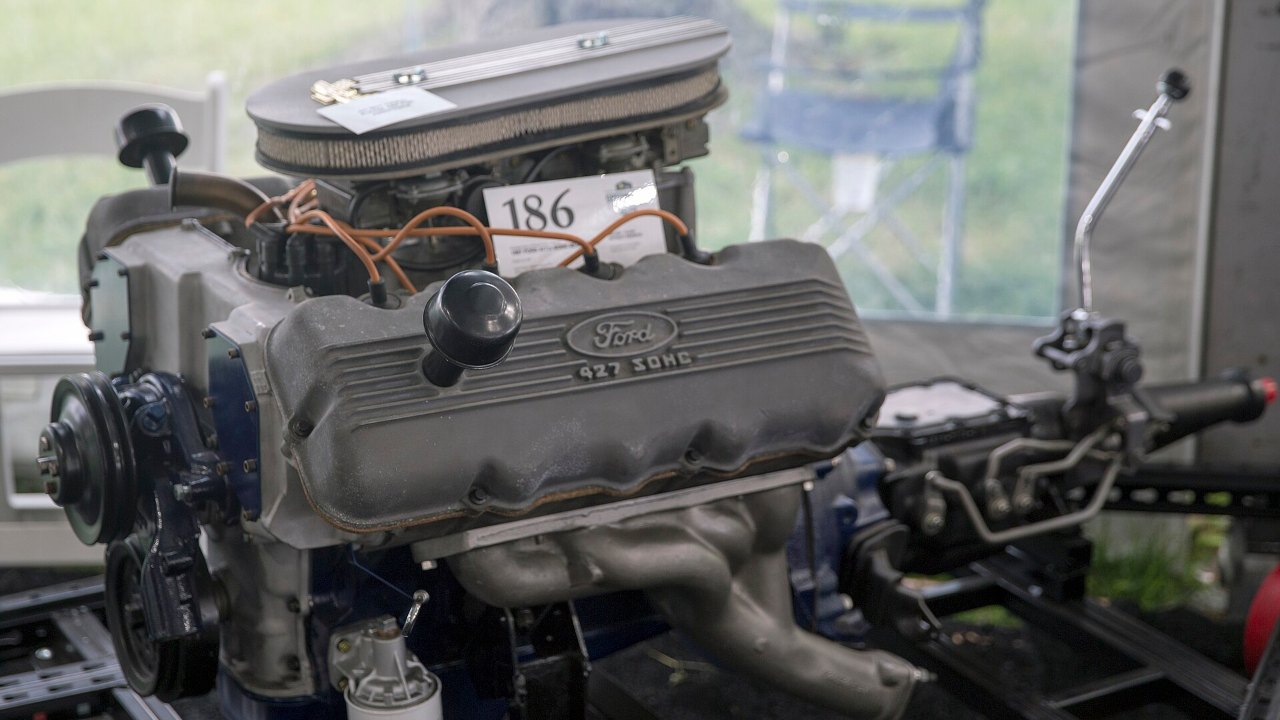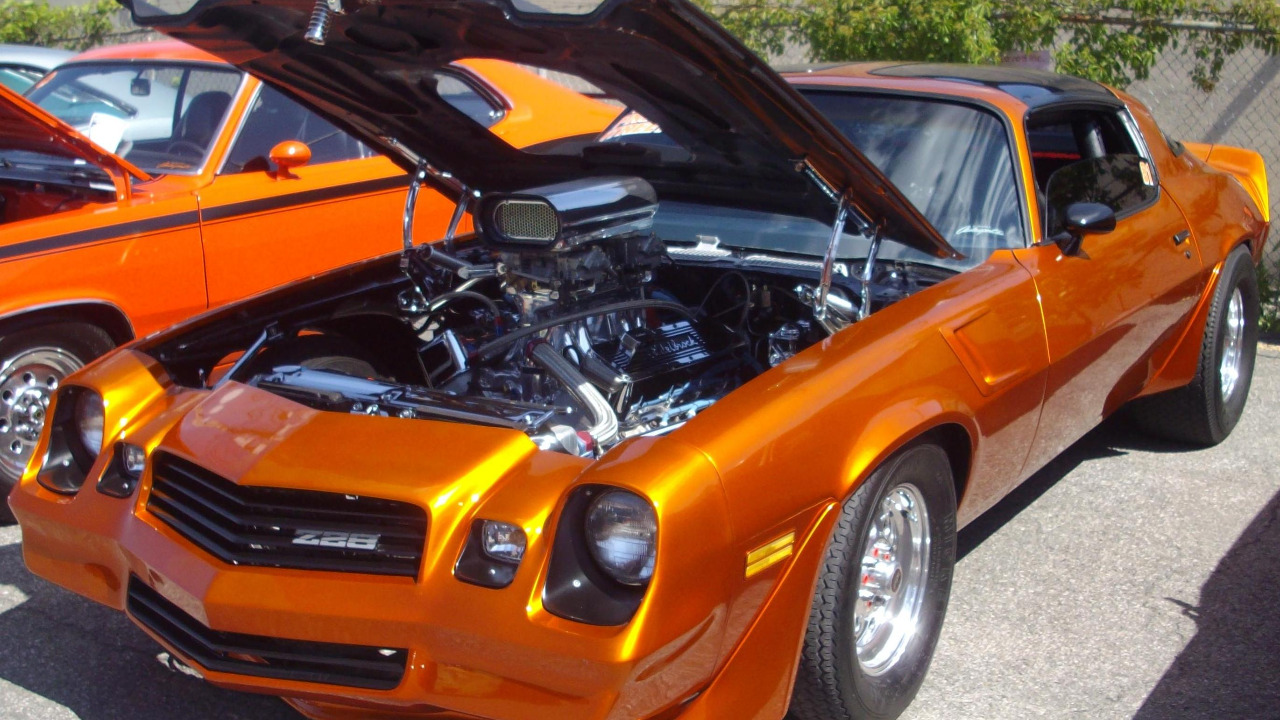
The era of the muscle car, characterized by high-performance vehicles with powerful engines, is drawing to a close. With stricter emissions regulations and a shift towards electric vehicles, the classic muscle cars that once roared down American highways are becoming a relic of the past. This exploration delves into the final days of this iconic automotive era.
The Golden Age of Muscle Cars
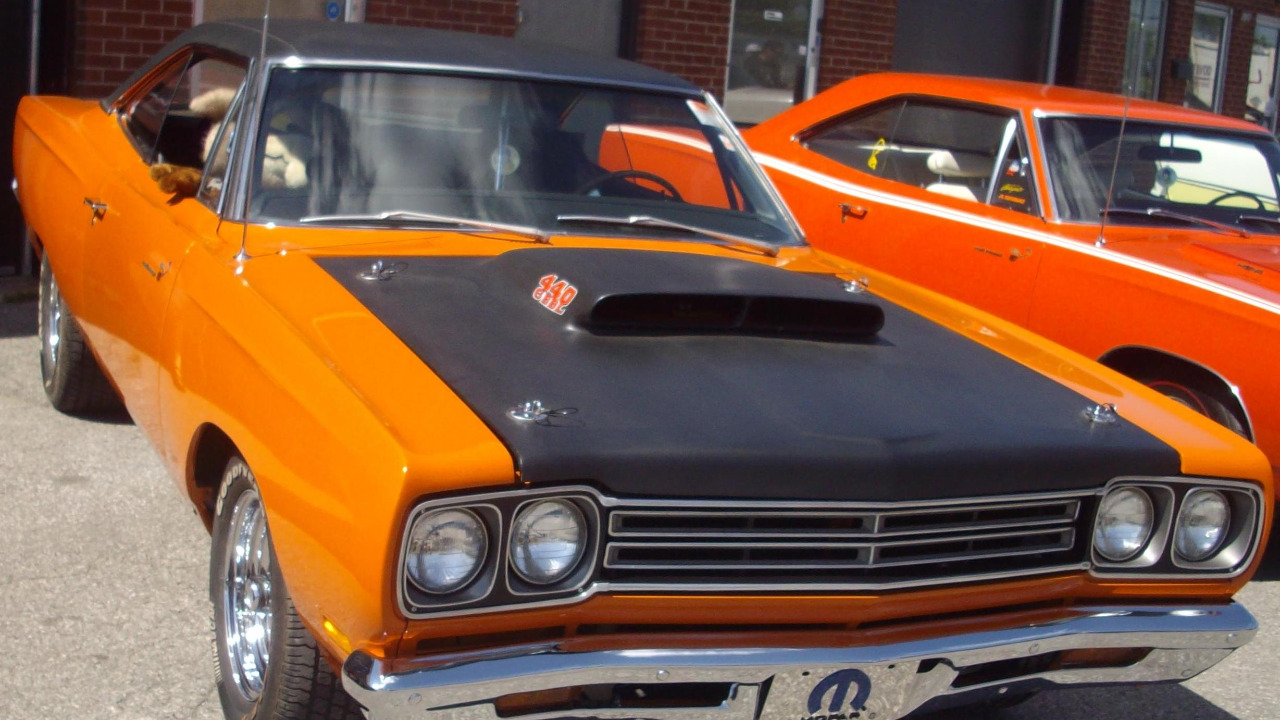
Muscle cars, with their distinctive V8 engines, rear-wheel drive configurations, and affordable pricing, defined an era of American automotive history. These cars were designed for straight-line speed and raw power, making them a favorite among car enthusiasts seeking adrenaline-pumping experiences. The simplicity of their design and focus on performance over luxury made them accessible to a wide audience, cementing their place in automotive lore.
Iconic models such as the Ford Mustang, Chevrolet Camaro, and Dodge Charger emerged during the 1960s and 1970s, capturing the imagination of a generation. These vehicles weren’t just about getting from point A to point B; they were about the journey itself. The Mustang, with its sleek design and impressive horsepower, quickly became a cultural icon. Similarly, the Camaro and Charger offered their own unique takes on the muscle car formula, each contributing to a diverse landscape of high-performance machines.
Muscle cars became symbols of freedom, rebellion, and American ingenuity, reflecting the cultural zeitgeist of the time. They were featured prominently in movies, music, and media, becoming an integral part of the American dream. Young people saw these cars as an extension of their personality and a means to assert their independence. The roar of a powerful engine became synonymous with the spirit of adventure and the promise of open roads.
The Decline Begins
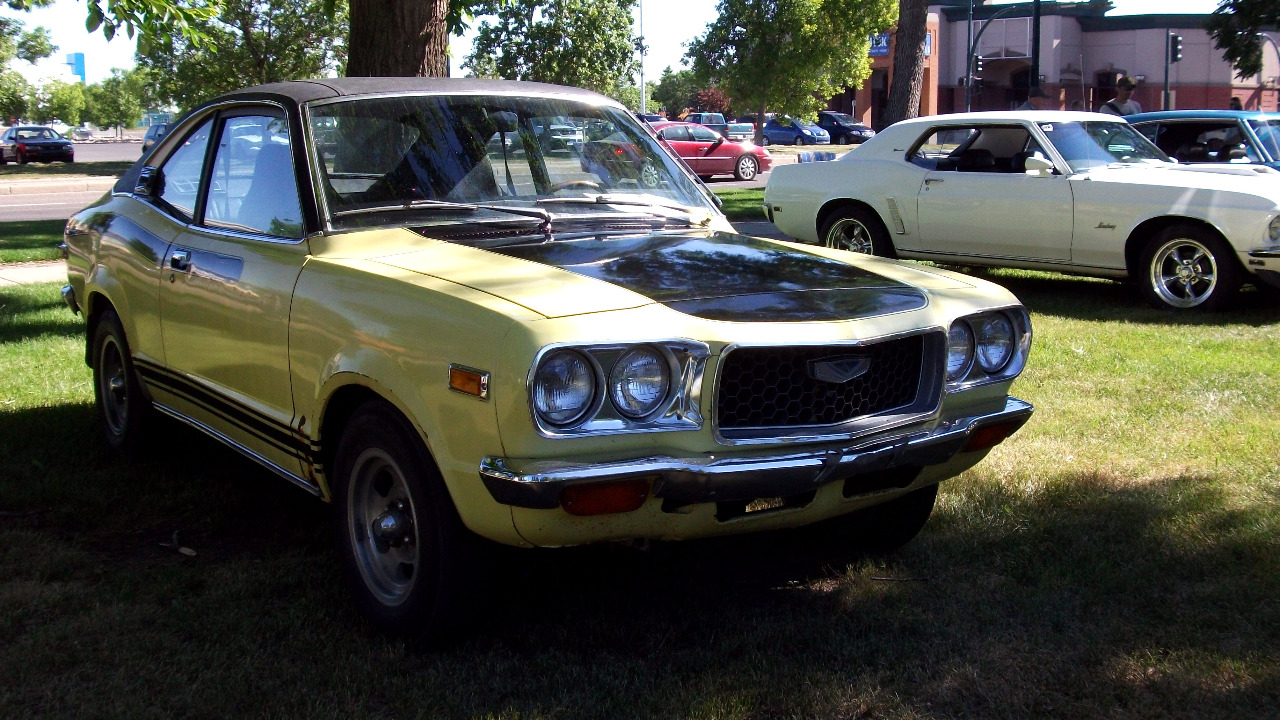
The decline of the muscle car era began with the 1973 oil crisis, which led to a dramatic shift in the automotive industry. The crisis highlighted the vulnerability of relying on gasoline-guzzling vehicles, prompting the government to introduce stricter regulations on fuel efficiency and emissions. These regulations directly impacted muscle car production, as manufacturers were forced to adapt to new standards that often compromised performance.
As the 1980s and 1990s unfolded, consumer preferences shifted toward more fuel-efficient and practical vehicles. The economic realities of the time meant that buyers prioritized reliability and cost-efficiency over raw power. Compact cars and sedans became more appealing to a broader audience, leading to a decline in demand for traditional muscle cars. In parallel, the rise of Japanese imports, known for their superior fuel efficiency and technological advancements, further eroded the muscle car market. Foreign automakers gained a foothold in the American market, offering alternatives that resonated with changing consumer priorities.
The combination of economic pressures, regulatory changes, and evolving consumer tastes marked the beginning of the end for the classic muscle car era. While some manufacturers attempted to adapt by introducing smaller, more efficient models, the essence of the muscle car—uncompromised power and performance—was becoming increasingly difficult to sustain in a changing world.
Resurgence in the 2000s
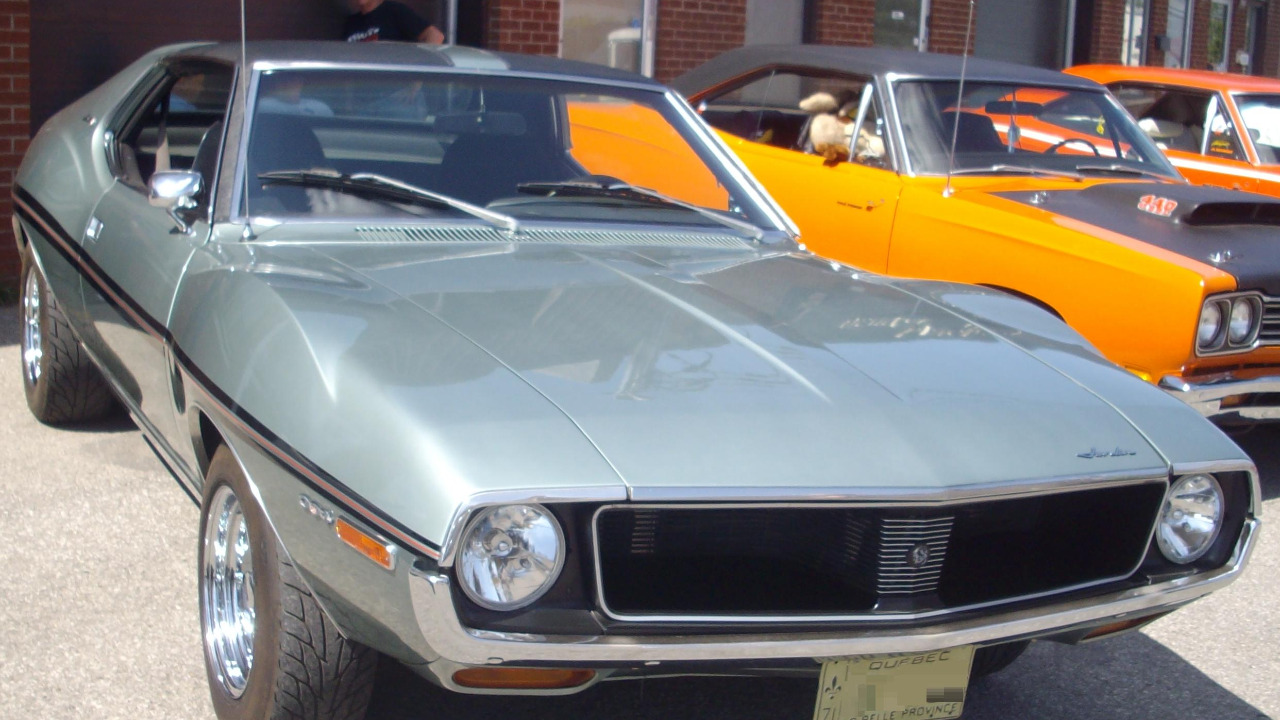
Despite its decline, the muscle car was far from forgotten. The early 2000s saw a resurgence of interest, driven in part by nostalgia and the release of modern versions of classic models. The Ford Mustang, Chevrolet Camaro, and Dodge Challenger were reintroduced with updated designs and technology, capturing the imagination of a new generation. This revival was not only about reliving the past but also about reimagining what a muscle car could be in a modern context.
Technological advancements played a crucial role in this resurgence. Engineers found ways to incorporate more powerful yet efficient engines, allowing these vehicles to meet contemporary emissions standards without sacrificing performance. This balance of power and efficiency reignited interest in muscle cars, offering enthusiasts the thrill of speed with a nod to environmental responsibility. The media also played a significant role in this revival, with films and car shows celebrating the muscle car’s legacy. Movies like “Fast & Furious” and television shows dedicated to car culture helped keep the allure of muscle cars alive, showcasing their enduring appeal.
The muscle car’s comeback in the 2000s was a testament to its lasting impact on automotive culture. It proved that even in an era of rapid technological change, there was still a place for the raw, unfiltered excitement that muscle cars represented. This period highlighted the enduring appeal of these vehicles, even as the automotive landscape continued to evolve.
The Transition to Electric Vehicles
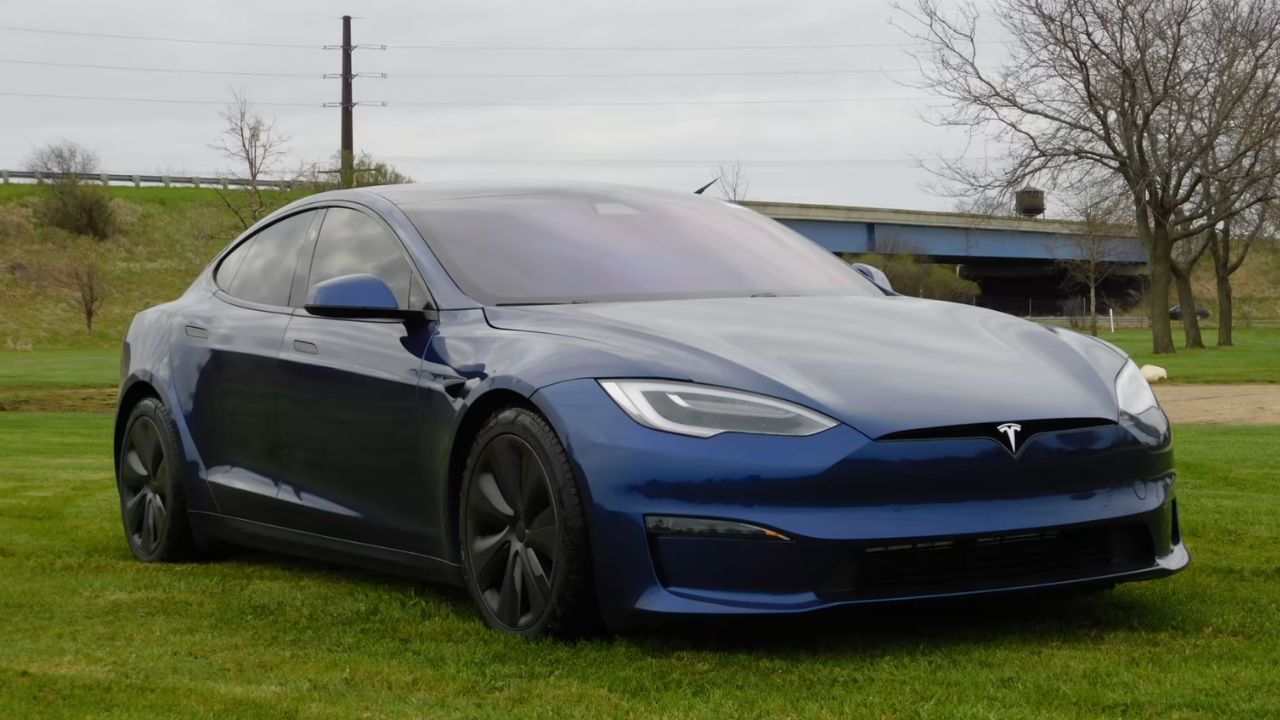
As environmental concerns have become more pressing, the shift towards electric vehicles (EVs) has accelerated. The automotive industry is under increasing pressure to reduce its carbon footprint, and electric vehicles are seen as a pivotal solution. This transition poses a significant challenge for traditional muscle cars, which are inherently tied to gasoline-powered engines. The growing awareness of climate change and its impact has led to a reevaluation of priorities within the industry.
Government regulations are also playing a critical role in this shift. Stricter emissions standards and incentives for electric vehicle production are pushing automakers to phase out traditional combustion engines. Companies like Ford and General Motors are adapting their strategies to include electric muscle cars, reimagining what performance means in a sustainable future. The transition to EVs is not just about meeting regulatory requirements; it’s also about embracing the potential of new technologies to redefine performance vehicles.
Automakers are exploring innovative ways to blend the thrill of muscle cars with the benefits of electric power. The introduction of hybrid models and advancements in battery technology offer exciting possibilities for the future. While the classic muscle car may be fading, its spirit lives on in the pursuit of innovation and the quest for performance. The future of muscle cars in an electric world is still unfolding, with potential for new models that capture the essence of their predecessors while embracing the demands of a changing world.
The Last of Their Kind
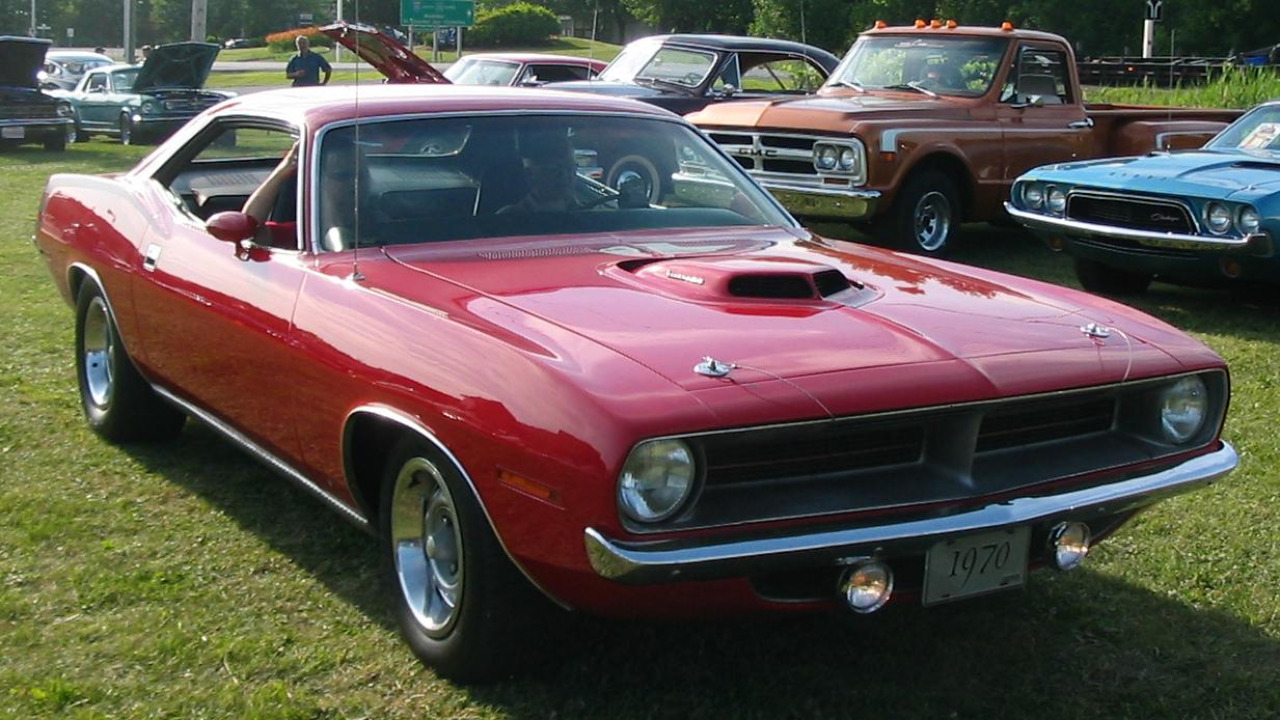
As the industry shifts towards electrification, the last models of iconic muscle cars are becoming highly coveted. Vehicles like the Pontiac G8 and Plymouth Barracuda represent the final chapters in the storied history of muscle cars. These models are celebrated not just for their performance, but for their significance as the last of their kind. They serve as a bridge between the past and the future, embodying the tradition of muscle cars while heralding the dawn of a new era.
The growing collectibility of classic muscle cars underscores their enduring legacy. As these vehicles become rarer, their value among collectors continues to rise. Enthusiasts are drawn to the history and craftsmanship of these machines, seeing them as tangible links to a bygone era. Car clubs and museums are dedicated to preserving the history of muscle cars, ensuring that their legacy is celebrated for future generations. These efforts highlight the cultural significance of muscle cars and their continued relevance in a rapidly changing world.
The future prospects of muscle cars in an electric world remain uncertain. While the traditional muscle car may no longer dominate the roads, its influence is far from over. The potential for hybrid models and technological innovations offers exciting possibilities for the future. As automakers explore new ways to blend performance with sustainability, the muscle car’s legacy will continue to inspire and captivate enthusiasts around the world.
The Cultural Legacy of Muscle Cars
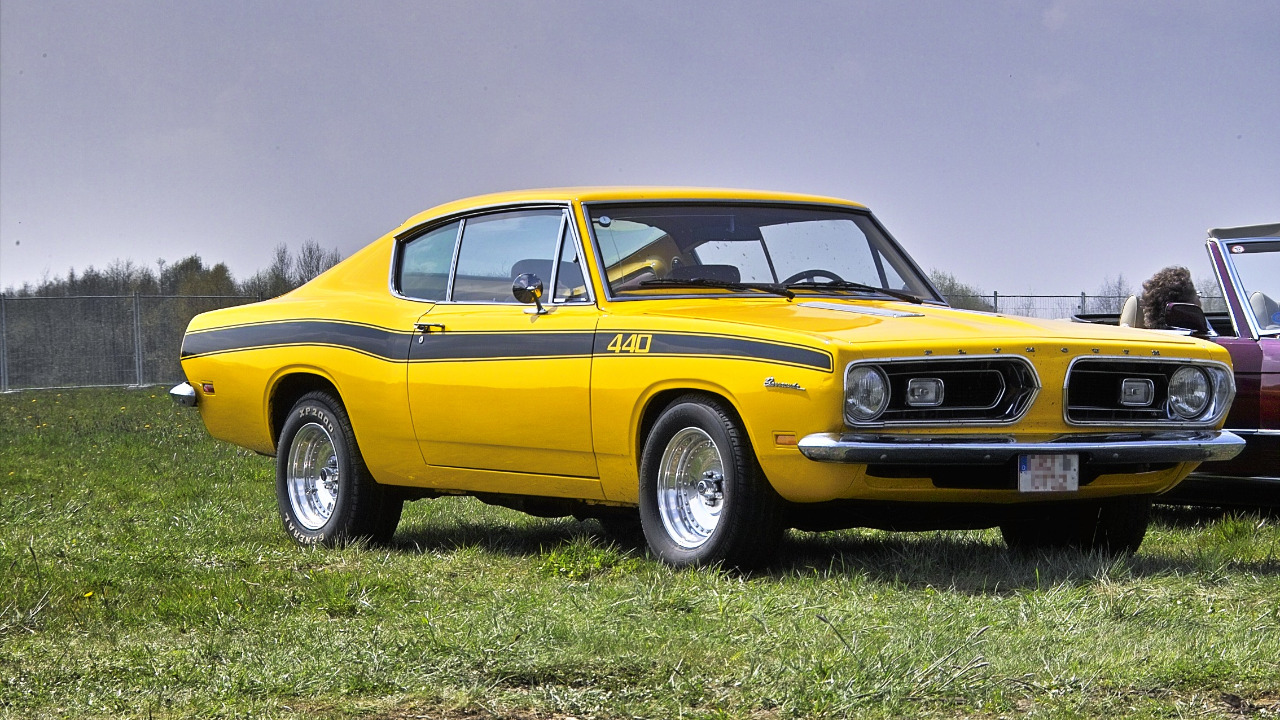
Despite their decline in production, muscle cars continue to captivate enthusiasts and collectors. Their enduring appeal lies in their unique combination of power, style, and cultural significance. Muscle cars are more than just vehicles; they are symbols of an era defined by innovation and a desire for freedom. This lasting appeal is evident in the way muscle cars are celebrated in popular culture, from movies and music to literature and art.
Muscle cars have permeated popular culture, becoming iconic representations of rebellion and individuality. Movies like “Bullitt” and “Gone in 60 Seconds” have immortalized these vehicles on the silver screen, while musicians have paid homage to their power and allure in countless songs. The cultural references to muscle cars highlight their impact on the collective imagination, reinforcing their status as symbols of a bygone era.
Preservation efforts by car clubs and museums play a crucial role in celebrating the history of muscle cars. These organizations are dedicated to maintaining the legacy of these vehicles, ensuring that future generations can appreciate their significance. Through events, exhibitions, and educational programs, these efforts help keep the spirit of muscle cars alive. As the automotive industry continues to evolve, the cultural legacy of muscle cars remains a testament to their enduring impact on society.
Like Fast Lane Only’s content? Be sure to follow us.
Here’s more from us:
- All New Trans Am: 10 Things You Need to Know
- The Fastest Farm Truck Ever Built
*Created with AI assistance and editor review.