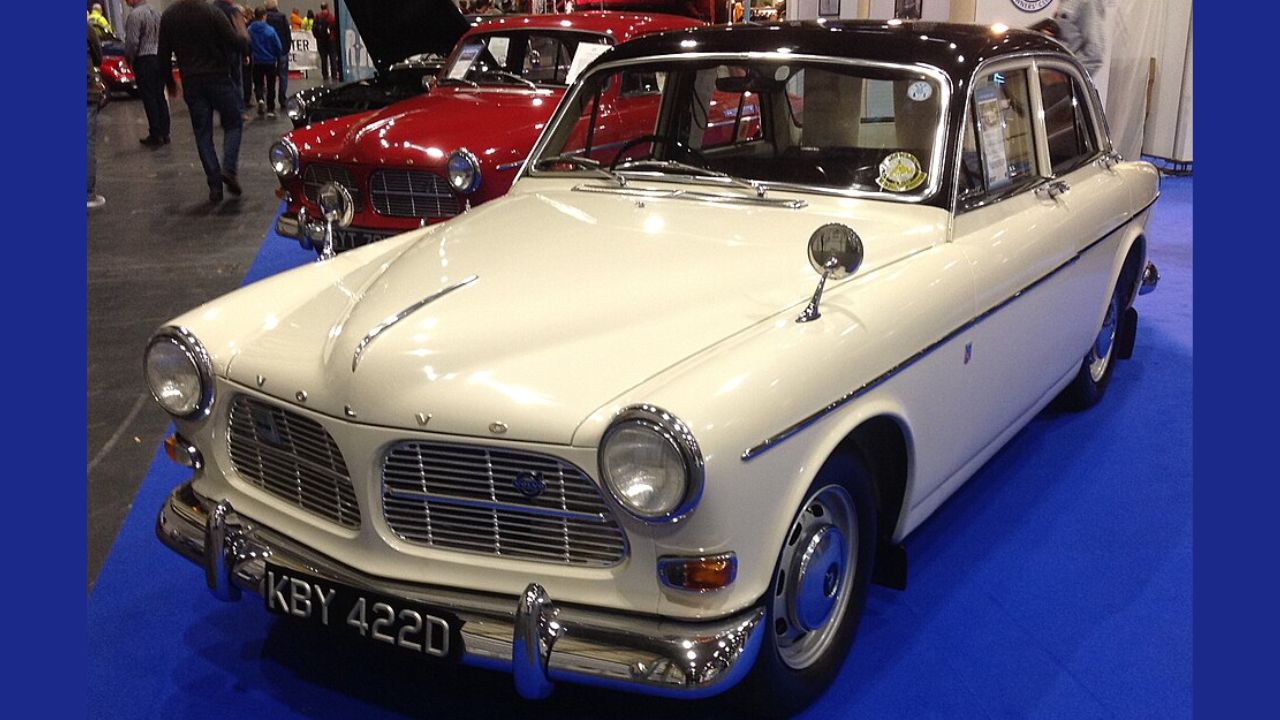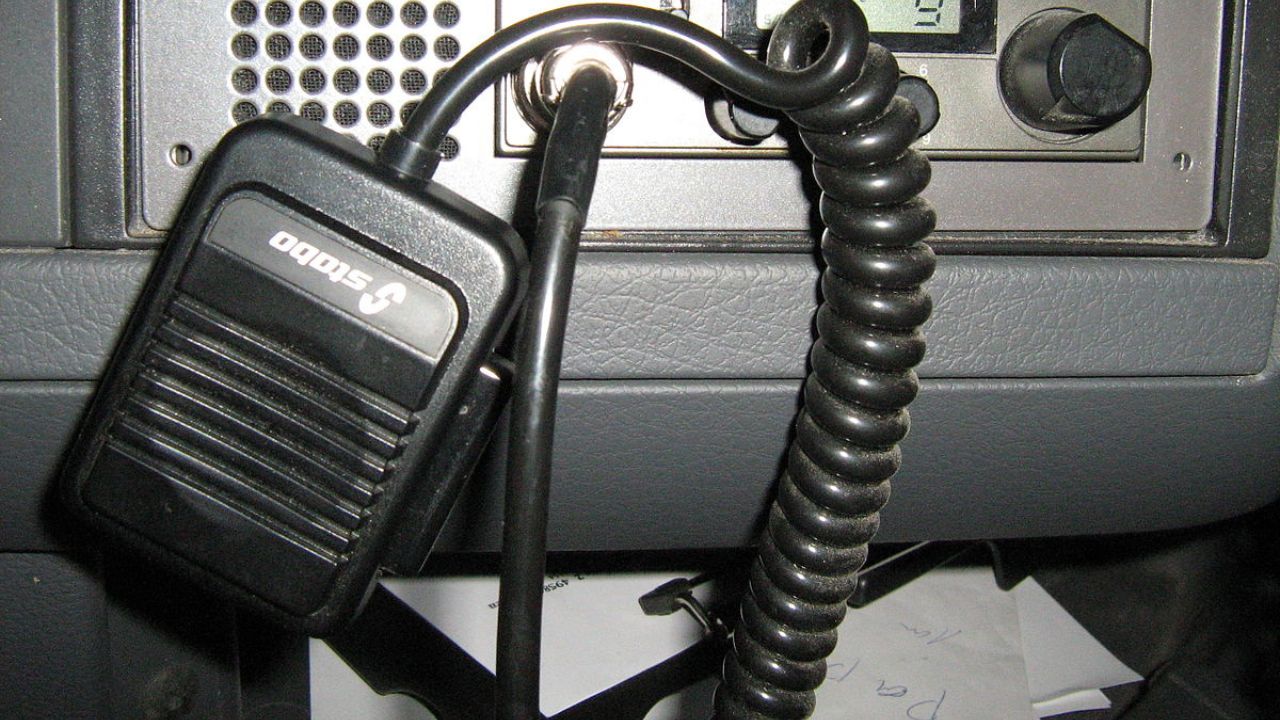
In the late 1970s and early 1980s, factory-installed CB radios became a staple in many vehicles, reflecting a unique cultural moment in American history. Their integration into cars was more than just a trend; it was a reflection of a time when communication on the open road was revolutionized. As these radios started to fade from the automotive landscape, they left behind a legacy that many still remember fondly.
The Rise of CB Radios in American Culture
The trucking industry played a significant role in popularizing CB radios. Long-haul truckers relied on these devices for real-time communication, sharing vital information about road conditions, traffic jams, and police presence. This camaraderie on the highways led to the growth of a vibrant CB culture, where truckers developed their own lingo and social networks. As the highways buzzed with chatter, the appeal of CB radios began to reach beyond the trucking community.
Media also played a crucial role in the rise of CB radios. Movies like “Smokey and the Bandit” and television shows such as “The Dukes of Hazzard” glamorized the use of CBs, capturing the imagination of the public. The catchphrases and imagery associated with these films sparked a nationwide fascination, leading to a surge in sales. By the late 1970s, CB radios had become a must-have accessory for many car buyers, especially those looking to emulate their favorite on-screen characters.
Factory-Installed CB Radios: A Brief Overview
As demand surged, several auto manufacturers began to integrate CB radios into their vehicles. Brands like Chrysler and Ford offered CB radios as optional equipment in popular models such as the Dodge Monaco and the Ford F-150. These factory-installed units were marketed not just for their utility but as a lifestyle choice, appealing to a sense of adventure and freedom that resonated with many Americans during this era.
The technical specifications of these radios varied, but they typically featured 23 channels, a basic microphone, and a simple user interface. Some models even included noise-canceling features and external antennas for better reception. The user demographics were diverse, ranging from young adults seeking excitement to blue-collar workers who relied on the radios for their jobs. Many buyers were eager to connect with others on the road, making these radios more than just communication tools—they were gateways to new friendships and experiences.
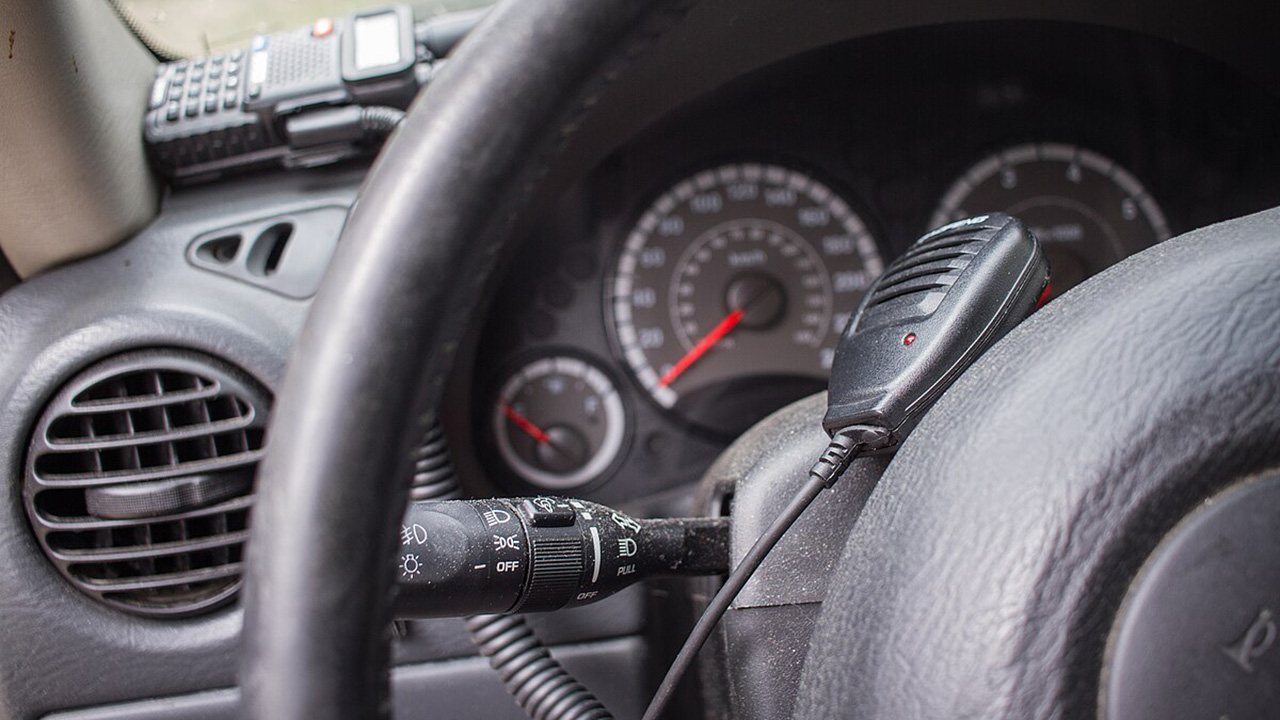
The Decline of CB Radios in Vehicles
Consumer preferences also began to change, with more focus on in-car entertainment systems and GPS navigation. As features like Bluetooth connectivity and satellite radio became standard, the appeal of CB radios diminished. Moreover, changes in regulations and frequency allocations made it more challenging to use CB radios effectively. As the landscape of communication evolved, these once-popular devices fell out of favor.
Nostalgia and Resurgence in Modern Times
In recent years, CB radios have experienced a nostalgic resurgence in popular culture. Films like “Once Upon a Time in Hollywood” and songs that reference the CB culture have sparked renewed interest in these devices. Events such as truck shows and retro car meets often showcase vintage vehicles equipped with CB radios, highlighting their place in automotive history. For many, these gatherings serve as a reminder of simpler times and the joy of connection on the open road.
Today, niche communities continue to celebrate the use of CB radios, with forums and social media groups dedicated to enthusiasts. There is even potential for technological innovations that could adapt CB functionalities to modern communication styles, such as combining them with digital platforms for enhanced connectivity. As we move further into the digital age, the legacy of CB radios remains a testament to the enduring human desire for communication and connection.