The Ford Torino is often remembered as a stylish muscle car, but one version played a much bigger role in American racing history. The Ford Torino Talladega was created with a single purpose: to dominate NASCAR competition. Although produced for a short time, its aerodynamic design and racing success changed how manufacturers approached stock car performance.
A Racing Battle Forced Ford to Innovate
During the late 1960s, NASCAR competition was becoming increasingly focused on speed and aerodynamics. Manufacturers were no longer relying only on powerful engines; they were searching for ways to make their cars cut through the air more efficiently.
Ford faced strong competition from Chrysler’s aerodynamic Mopar models, including the Dodge Charger Daytona and Plymouth Superbird. To compete, Ford needed a production-based vehicle that could deliver better performance on high-speed tracks.
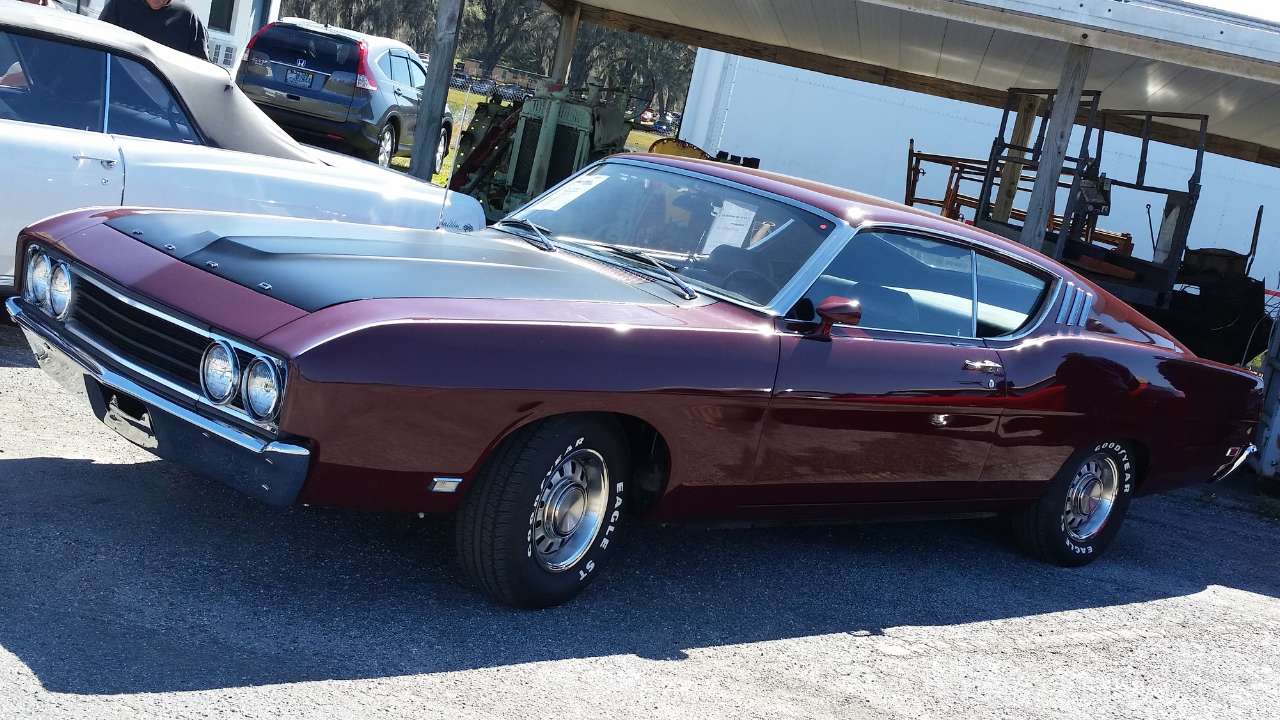
The answer was the 1969 Ford Torino Talladega. Named after the famous Alabama Superspeedway, the car featured a longer front end, revised nose design, and smoother bodywork that reduced aerodynamic drag.
Unlike ordinary showroom models, the Talladega was built specifically with NASCAR competition in mind. It represented Ford’s willingness to redesign a production car around racing demands.
Aerodynamics Became the Secret Weapon
The Torino Talladega introduced ideas that changed the future of NASCAR. Its extended front nose, flush grille, and improved body shape allowed the car to achieve higher speeds on superspeedways.
At the time, many race cars relied mainly on engine power. Ford engineers proved that aerodynamic efficiency could be just as important as horsepower.
The changes made the Talladega more stable at high speeds and helped drivers maintain greater control during long races. These improvements gave Ford teams a major advantage against competitors.
The lessons learned from the Talladega influenced future race car development, where manufacturers increasingly focused on airflow, downforce, and body design.
The Torino helped begin a new era where engineering beyond the engine became essential to winning races.
Racing Success Proved the Design Worked
The Ford Torino Talladega quickly demonstrated its abilities on NASCAR tracks. Drivers and teams benefited from its aerodynamic advantages, allowing Ford to compete successfully against some of the strongest racing machines of the era.
The car played an important role during the 1969 NASCAR season, helping Ford secure victories and strengthen its reputation in stock car racing. Its success showed that careful engineering could overcome disadvantages and create a competitive edge.
Although the Talladega was produced in limited numbers, its impact was much greater than its production figures suggested.
It became a reminder that racing innovation often begins with unusual ideas and specialized machines built for a specific challenge.
A Collector Favorite With a Historic Legacy
Today, the Ford Torino Talladega is one of the most respected examples of Ford’s racing heritage. Collectors value it not only because of its rarity but because of its importance in changing NASCAR design philosophy.
The car represents a turning point when manufacturers began treating aerodynamics as a critical part of performance. Its influence can still be seen in the way modern race cars are developed.
While other Ford performance cars became more famous among enthusiasts, the Torino Talladega earned a special place in motorsports history.
The forgotten Ford Torino that changed NASCAR history was never created to be ordinary. It was built as a racing weapon, and its success proved that innovation could redefine what was possible on the track.
More from Fast Lane Only
- Unboxing the WWII Jeep in a Crate
- 15 rare Chevys collectors are quietly buying
- 10 underrated V8s still worth hunting down
- Police notice this before you even roll window down
*Research for this article included AI assistance, with all final content reviewed by human editors