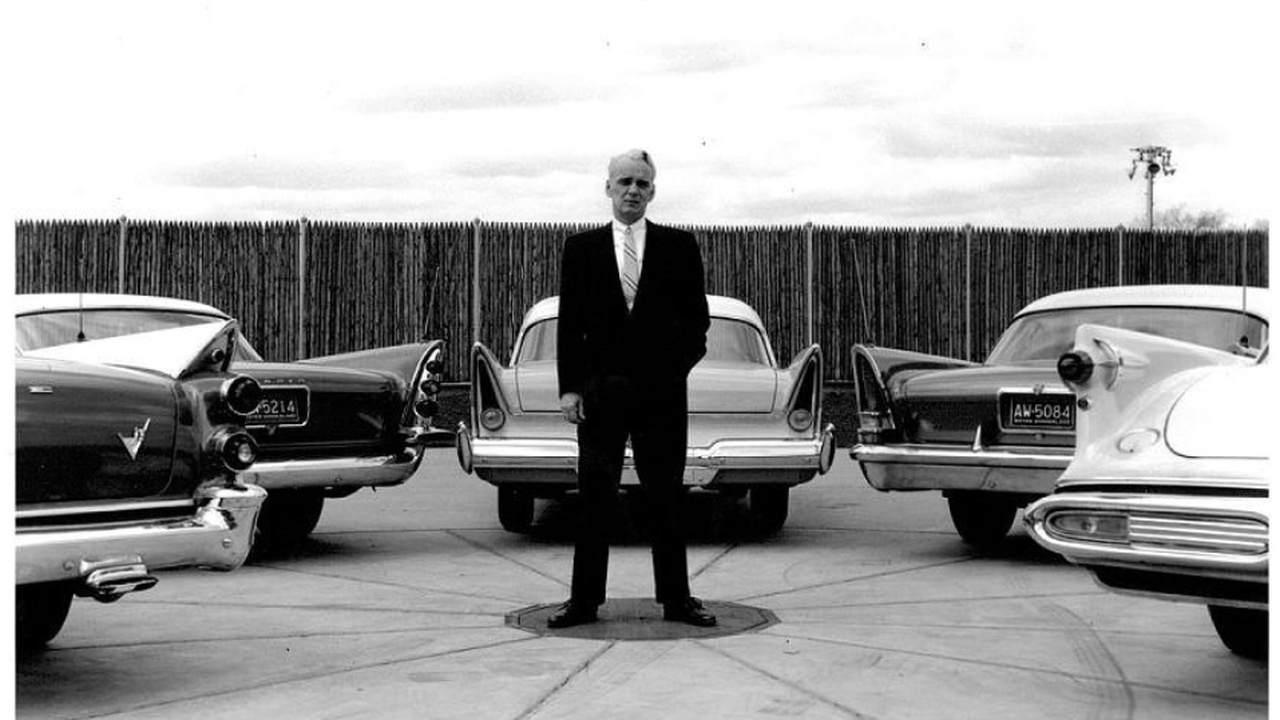
Virgil Exner, a name not always at the forefront of automotive design discussions, played a pivotal role in shaping the aesthetics of American cars during a transformative period in the automotive industry. His innovative designs and forward-thinking philosophy contributed significantly to the allure and identity of automobiles in the mid-20th century. This article delves into Exner’s journey, highlighting his impact on car styling and the legacy that continues to resonate in the automotive world.
Early Life and Education
Born on September 24, 1909, in Ann Arbor, Michigan, Virgil Exner was influenced by a family steeped in artistic and engineering pursuits. His father, a civil engineer, and his mother, an accomplished artist, imbued Exner with an appreciation for both functionality and aesthetics from an early age. This unique blend of influences fostered a creative environment that would later inform his design philosophy.
Exner pursued formal education at the prestigious Art Center College of Design in Pasadena, California. His time there was marked by a burgeoning fascination with automotive design, leading him to recognize the potential for cars to be more than mere transportation—they could be expressions of art. Following his studies, he began his career at Studebaker, where he honed his design skills and developed a keen understanding of car manufacturing.
During his early career, Exner was instrumental in creating the 1947 Studebaker Commander, a model that showcased his innovative vision. The Commander’s streamlined design, with its distinctive bullet-nose front, reflected Exner’s ability to marry form and function. This early experience laid the foundation for his future endeavors and established his reputation as a forward-thinking designer.
Career at Chrysler Corporation
Exner joined Chrysler Corporation in 1949, a move that would significantly alter the trajectory of his career and the company’s design philosophy. At the time, the automotive industry was experiencing a post-war boom, and Chrysler was eager to capture the market’s attention. Exner’s arrival coincided with a push for more modern and dynamic designs, and he quickly became a central figure in this transformation.
Under Exner’s direction, Chrysler introduced several key models that would become iconic, including the Chrysler Ghia and the 1955 Chrysler C-300. The latter was particularly noteworthy, often regarded as one of the first true “muscle cars,” blending powerful performance with a striking design that featured clean lines and a bold stance. Exner’s ability to create visually compelling forms while integrating performance aspects was revolutionary.
One of Exner’s most significant contributions during this period was the development of the “Forward Look” design philosophy. This approach emphasized sleek, aerodynamic shapes and a sense of motion, making vehicles appear as if they were in motion even when stationary. The Forward Look was not just a design trend; it represented a cultural shift towards modernity and optimism in post-war America, capturing the imagination of consumers and setting Chrysler apart from its competitors.
The “Forward Look” Philosophy
The Forward Look was defined by its emphasis on streamlined shapes, innovative features, and a sense of futuristic design. Exner’s vision included elements like tailfins, elongated hoods, and expansive glass areas, all of which contributed to a sense of elegance and speed. This design approach was not merely cosmetic; it responded to the growing consumer desire for cars that reflected personal identity and status, resonating deeply with the American public.
In contrast to the more conservative designs of competing automakers, Exner’s Forward Look stood out as a bold declaration of style and performance. Brands like Ford and General Motors were still adhering to more traditional styling cues, while Chrysler embraced a more avant-garde aesthetic that appealed to the increasingly affluent and style-conscious consumer base of the 1950s.
The cultural context of the time also played a pivotal role in shaping the Forward Look. The post-war era was marked by a surge in economic prosperity and a fascination with the future, as evidenced by the popularity of space exploration and technological advancements. Exner’s designs mirrored this societal enthusiasm, making cars not just a means of transportation but a reflection of modernity and ambition.
Influence on American Car Design
Exner’s influence extended beyond the confines of Chrysler; he played a crucial role in defining the identity of American cars in the post-war era. His innovative designs helped solidify the notion of the automobile as an essential part of American culture, embodying freedom, adventure, and personal expression. The vehicles he designed were not just machines; they were symbols of a lifestyle that resonated with consumers across the country.
The design choices Exner made during his tenure at Chrysler reflected broader consumer culture trends. As Americans began to embrace the open road and the idea of leisure travel, Exner’s cars embodied this spirit, featuring spacious interiors and stylish exteriors that appealed to families and individuals alike. The emphasis on aesthetics and performance in models like the 1957 Chrysler 300C and the delightful Plymouth Fury showcased how Exner’s vision was aligned with consumer desires for both beauty and functionality.
Moreover, the legacy of Exner’s styling can be seen in the designs of subsequent generations of American automobiles. His pioneering work laid the groundwork for future designers, influencing the aesthetics of cars throughout the latter half of the 20th century. The essence of the Forward Look continues to inform modern automotive design, as manufacturers strive to create vehicles that resonate with consumers on both an emotional and practical level.
Challenges and Controversies
Despite his significant contributions, Exner’s career was not without its challenges. Within Chrysler, he faced internal resistance and corporate politics that complicated his design initiatives. As the company underwent management changes, Exner found himself navigating a landscape that sometimes favored conservative designs over his bold visions. This struggle was emblematic of the broader tensions between innovation and tradition within the automotive industry.
Exner’s design decisions also sparked controversy among automotive enthusiasts and industry insiders. His penchant for dramatic designs, such as the pronounced tailfins on the 1959 Chrysler models, drew both admiration and criticism. While many celebrated these bold stylistic choices as emblematic of the era’s exuberance, others argued that they veered towards excess. This division among car enthusiasts illustrated the challenges Exner faced in balancing artistic expression with market demands.
Public reception of Exner’s designs varied as well. While many models became iconic and beloved, some were met with skepticism. The Chrysler Newport and the Dodge Polara, for instance, received mixed reviews during their launches, reflecting the complexities of consumer tastes. Nonetheless, Exner’s ability to provoke discussion and debate around car design underscored his impact on the industry.
Post-Chrysler Career and Legacy
After leaving Chrysler in the early 1960s, Exner continued to influence automotive design through various ventures. He engaged in consulting work, where his insights helped guide new generations of designers. His expertise was not limited to the automotive industry; Exner also contributed to design education, mentoring aspiring designers and ensuring that his design philosophies lived on.
Exner’s legacy has been recognized posthumously through various honors and exhibitions that celebrate his contributions to automotive design. His impact is evident in the ongoing interest in vintage cars, with collectors and restorers actively seeking to preserve models that bear his signature style. The resurgence of interest in classic cars has led to a renewed appreciation for Exner’s designs and their role in shaping the American automotive landscape.
Today, many automotive enthusiasts recognize Exner’s influence in modern car design. From the sleek lines of contemporary vehicles to the integration of technology and aesthetics, his principles continue to inform design practices across the industry.
Rediscovery and Recognition of Exner’s Work
In recent years, there has been a concerted effort to revive interest in Virgil Exner’s contributions to automotive design. Exhibitions dedicated to his work have appeared at various car shows and museums, showcasing the elegance and innovation of his designs. These events have attracted car enthusiasts and design aficionados alike, fostering a greater understanding of Exner’s impact on the automotive world.
Publications detailing Exner’s life and work, such as academic papers and books, have also contributed to the growing recognition of his legacy. These resources delve into the intricacies of his design philosophy and its relevance today, making his work accessible to a broader audience.
Moreover, vintage car collectors and restorers are increasingly turning their attention to Exner-designed models, recognizing their significance in automotive history. This revival not only preserves Exner’s designs but also ensures that future generations will appreciate the artistry and innovation he brought to the automotive landscape.
The Future of Automotive Design: Lessons from Exner
Virgil Exner’s career offers valuable insights for contemporary automotive design practices. His emphasis on blending art and engineering serves as a reminder of the importance of aesthetics in creating vehicles that resonate with consumers. As the industry shifts towards electric and sustainable vehicles, Exner’s principles can guide designers in creating cars that are not only functional but also visually appealing.
In today’s rapidly evolving automotive landscape, where technology and sustainability are paramount, the lessons from Exner’s approach remain relevant. His vision for cars as expressions of individuality and innovation can inspire contemporary designers to push boundaries and explore new possibilities in vehicle design.
Ultimately, the enduring influence of Virgil Exner reminds us that great automotive design transcends time, reflecting the culture and aspirations of the era while continuing to inspire future generations. As the automotive industry moves forward, Exner’s legacy serves as a benchmark for design excellence and creativity.
More from Fast Lane Only