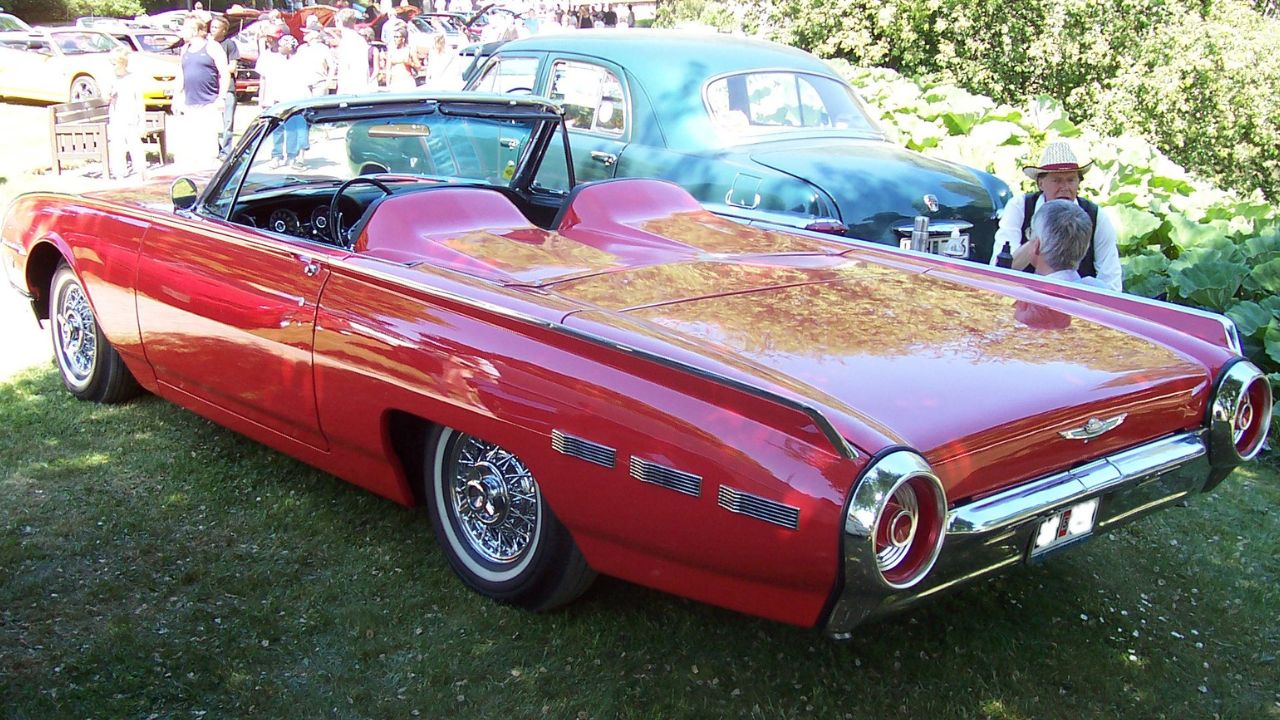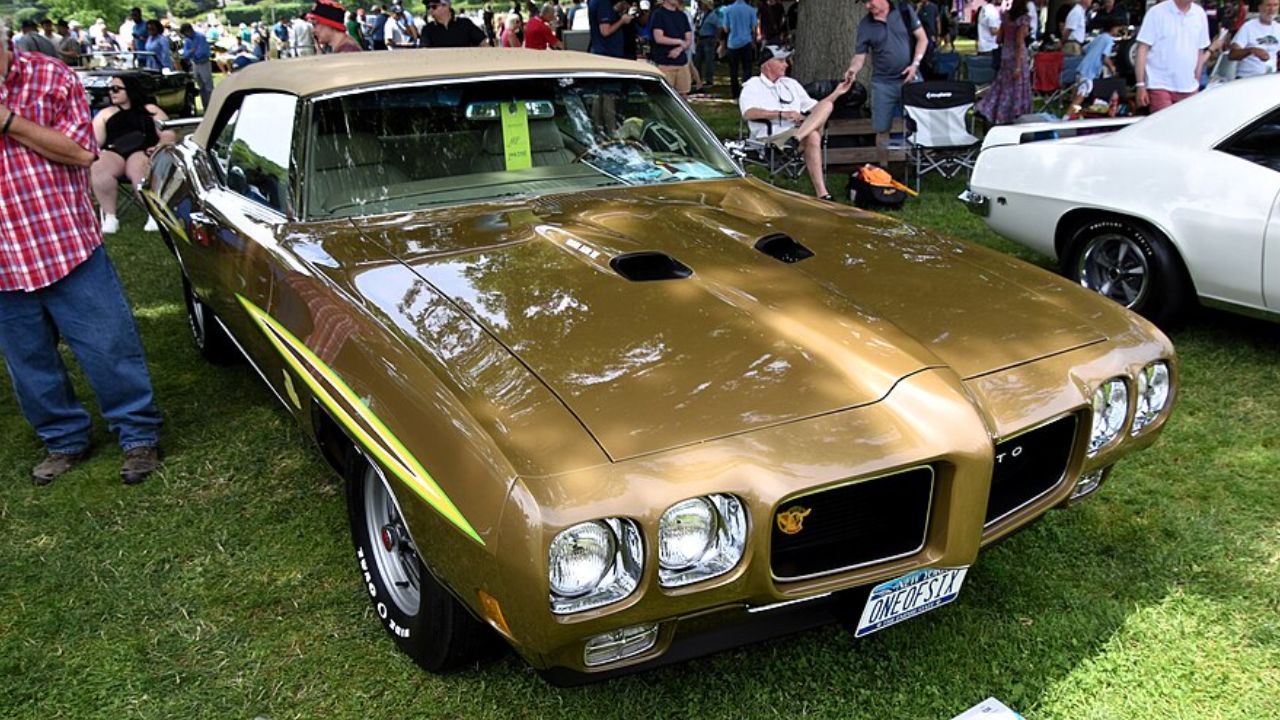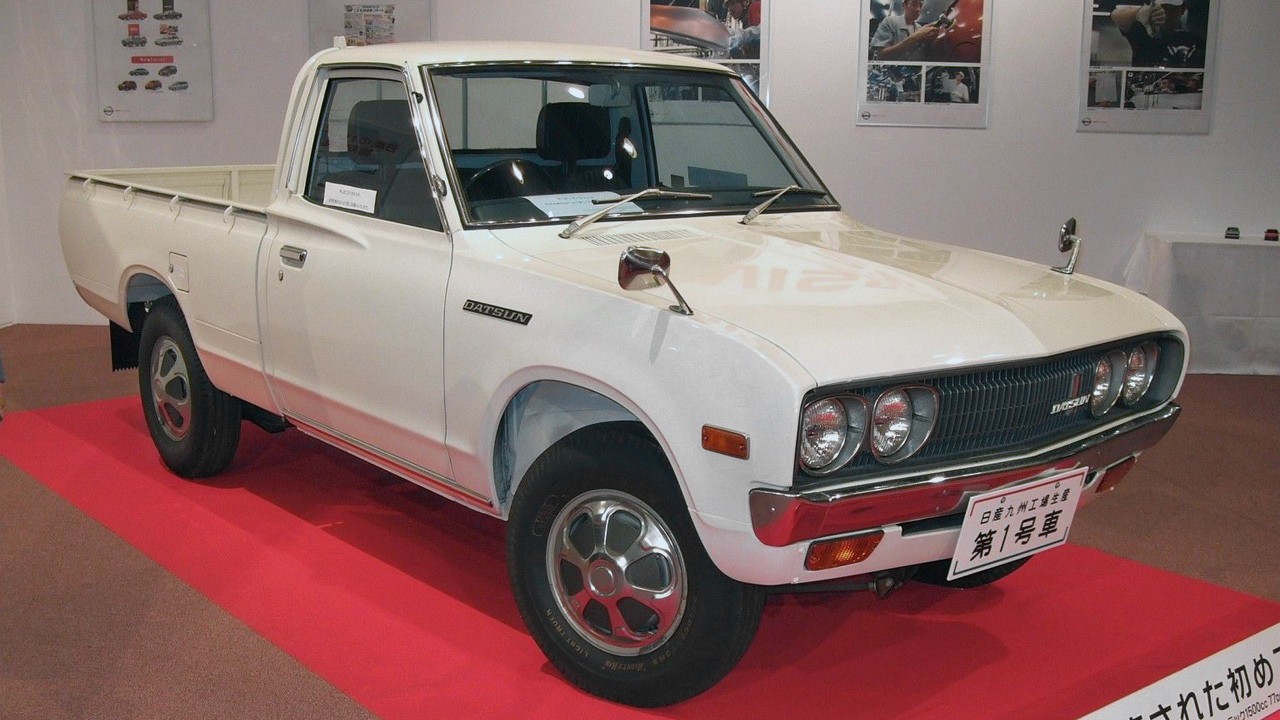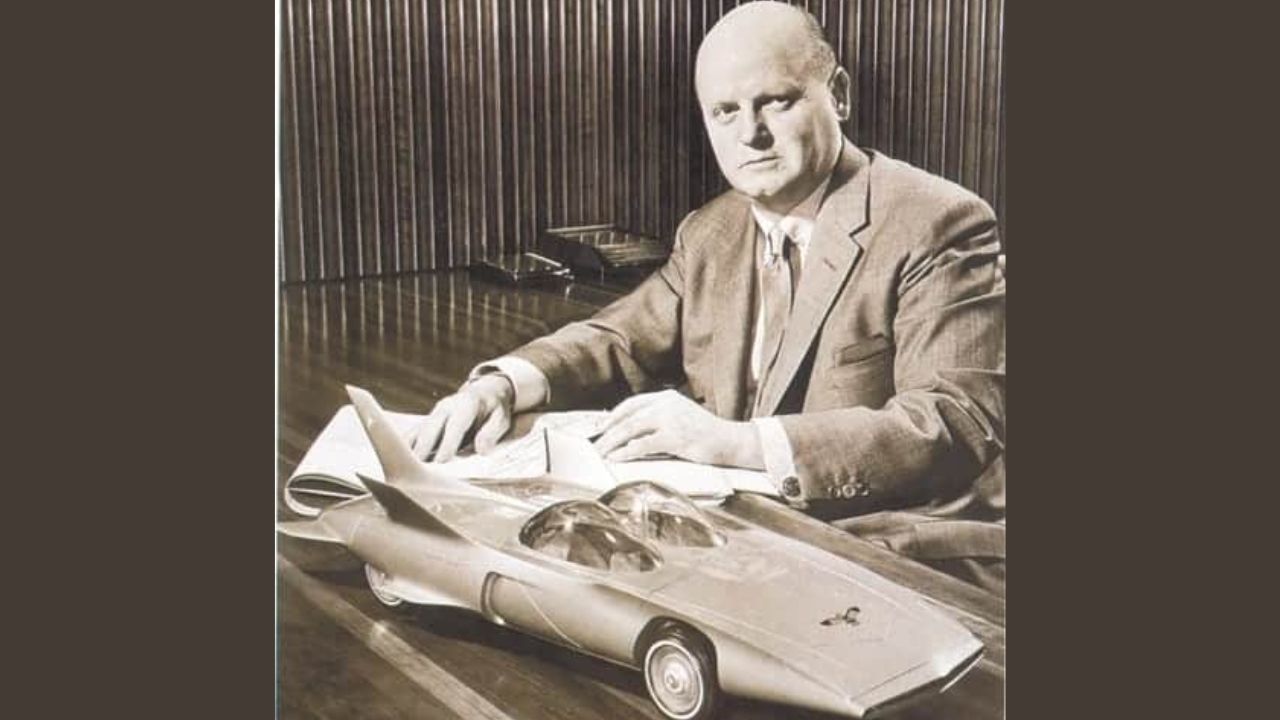
Bill Mitchell, a pivotal figure in automotive design, significantly influenced General Motors’ creative direction in the mid-20th century. His innovative vision and bold approach led to some of the most iconic vehicles that defined an era. From the stunning lines of the Chevrolet Corvette to the awe-inspiring concepts showcased at the GM Motorama, Mitchell’s legacy is woven into the fabric of automotive history.
Early Life and Education
Bill Mitchell was born in 1912 in a modest household in the state of Michigan, a region that would later become synonymous with the American automotive industry. Growing up, he was deeply fascinated by the aesthetics of cars and the art of design. This early passion for visual creativity blossomed as he spent countless hours sketching vehicles and dreaming about their potential. His talent was evident from a young age, and he often sought inspiration from the natural beauty surrounding him, as well as from the dynamic world of art and architecture.
Mitchell pursued formal training at the prestigious Art Center College of Design in Pasadena, California. Here, he honed his skills and developed a design philosophy that would later distinguish his work at General Motors. The rigorous curriculum emphasized not just technical proficiency but also the importance of creativity and innovation in design. This combination of artistic vision and practical application would become the cornerstone of Mitchell’s approach as he ventured into the automotive world.
Career Beginnings at General Motors
Mitchell’s career at General Motors began in 1935, when he joined the design department as a junior designer. His early roles involved working on various projects, but it was his innovative spirit that quickly set him apart from his peers. He demonstrated a remarkable ability to grasp the essence of automotive design, and his unique perspective began to influence the direction of GM’s design philosophy.
A significant figure in Mitchell’s career was his mentor, Harley Earl, who was instrumental in establishing GM’s design department. Earl recognized Mitchell’s potential and took him under his wing. Under Earl’s guidance, Mitchell learned the intricacies of automotive design and the importance of blending aesthetics with functionality. This mentorship played a crucial role in shaping Mitchell’s design ethos, instilling in him a sense of boldness and a willingness to push boundaries in automotive aesthetics.
Design Philosophy and Aesthetic Vision
Mitchell’s design philosophy was characterized by a fearless approach to aesthetics. He believed that a car should not only serve a functional purpose but also evoke emotion and excitement. This boldness in design was evident in his work, as he often challenged the prevailing automotive norms of the time. For example, his designs featured sweeping lines, aggressive stances, and innovative use of materials that set new standards for visual appeal in the automotive industry.
Moreover, Mitchell was adept at integrating art and function, ensuring that his designs were not just visually striking but also practical. He understood that the design of a vehicle could enhance its performance and usability. This philosophy was particularly evident in the iconic Chevrolet Corvette, where the sleek contours were not merely for show but also contributed to the car’s aerodynamic efficiency. His ability to blend artistic elements with practical engineering showcased a holistic approach to design that continues to inspire today’s automotive designers.
Signature Models and Innovations
One of the most notable contributions of Bill Mitchell to General Motors was his profound influence on the design of the Chevrolet Corvette. Mitchell took the Corvette from a modest sports car to an iconic symbol of American automotive culture. The 1963 Corvette Sting Ray, with its distinctive split rear window and muscular body, became a benchmark for performance cars and is still celebrated for its striking design. This model played a significant role in establishing the Corvette as a cultural phenomenon, appealing to enthusiasts and everyday drivers alike.
Mitchell’s impact extended beyond individual models; he was also a driving force behind the innovative GM Motorama shows, which showcased cutting-edge concepts and designs. These exhibitions, held from 1949 to 1961, served as a platform for Mitchell to present his vision for the future of automotive design. Vehicles like the Firebird and the Le Sabre captivated audiences and generated excitement around the possibilities of automotive engineering. The Motorama shows not only highlighted Mitchell’s bold concepts but also established GM as a leader in automotive design during a transformative era.
Challenges and Controversies
Despite his successes, Mitchell’s career at GM was not without its challenges. He faced internal conflicts regarding design direction, often encountering resistance from corporate executives who were hesitant to embrace his bold ideas. Some of his radical designs were met with skepticism, leading to heated debates within the company. However, Mitchell’s unwavering commitment to his vision ultimately enabled him to navigate these challenges and continue to push the envelope of automotive design.
Additionally, Mitchell faced criticism from peers and industry experts who questioned the practicality of some of his more avant-garde designs. While many admired his creativity, others felt that certain elements were too radical for mass production. Nonetheless, Mitchell remained undeterred, believing that innovation sometimes requires taking risks. His ability to anticipate market trends and consumer desires, despite the pushback, solidified his status as a visionary leader in automotive design.
Legacy and Impact on Automotive Design
Bill Mitchell’s impact on the automotive industry extends far beyond his tenure at General Motors. His work has inspired countless designers and car manufacturers around the world. Many contemporary automotive designers cite Mitchell as a significant influence on their own approach to blending aesthetics with functionality. His bold concepts continue to resonate in modern car design, encouraging new generations to explore the boundaries of what is possible.
The lasting impressions of Mitchell’s designs can be seen in the evolution of automotive aesthetics. His emphasis on creating vehicles that inspire and excite has become a guiding principle for many in the industry. The Corvette, in particular, remains a symbol of American ingenuity, embodying the spirit of performance and style that Mitchell championed. The principles he established during his career continue to shape consumer preferences and industry standards today.
Personal Life and Interests
Outside of his professional achievements, Bill Mitchell was known for his diverse hobbies and interests. He had a profound appreciation for art and architecture, often drawing inspiration from various artistic movements. This passion influenced his design work and contributed to his unique style. He also enjoyed traveling, which exposed him to different cultures and design philosophies that further enriched his creativity.
Mitchell was also active in philanthropy, contributing to educational institutions and charitable organizations that supported the arts and design. He believed in nurturing the next generation of designers and often shared his knowledge and experience through mentorship programs. His commitment to fostering creativity in young artists is a testament to his belief in the power of design to inspire and transform lives.
The Enduring Influence of Bill Mitchell
Bill Mitchell’s contributions to General Motors and the automotive industry are both profound and enduring. His innovative designs and fearless approach to automotive aesthetics have left an indelible mark on the landscape of car design. From the Corvette to the imaginative concepts of the Motorama, Mitchell’s legacy is a celebration of creativity, boldness, and the relentless pursuit of excellence in automotive design.
The spirit of innovation that Mitchell embodied continues to resonate in modern car design, reminding us of the importance of creativity and vision in shaping the future of the automotive industry. His work serves as an inspiration for both current and future designers, encouraging them to envision a world where art and engineering coexist harmoniously in the vehicles of tomorrow.
More from Fast Lane Only