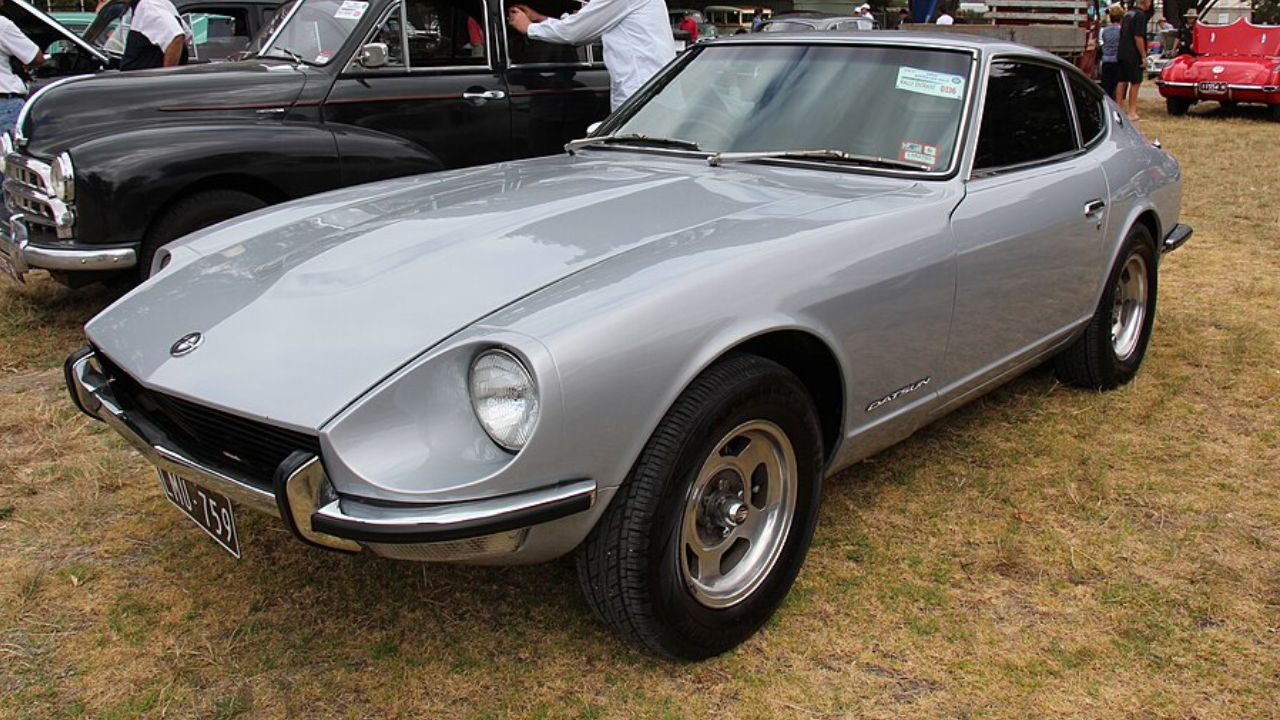
When the Datsun 240Z arrived in the United States for the 1970 model year, few expected it to reshape the sports car market. At a time when affordable sports cars often required compromises in reliability, comfort, or performance, the 240Z offered an impressive combination of all three. Its success caught competitors by surprise and helped establish Japanese automakers as serious contenders in the performance car segment.
It Offered More Than Buyers Expected
Before the 240Z, many affordable sports cars available in America came from Europe or Britain. While these cars delivered engaging driving experiences, they were sometimes criticized for inconsistent reliability, cramped interiors, and frequent maintenance requirements.
The 240Z entered the market with a different approach. Its sleek fastback styling rivaled far more expensive grand touring cars, while its 2.4-liter inline-six engine delivered smooth, responsive performance. Independent suspension, four-wheel independent chassis design, and balanced handling gave the car genuine sports car credentials without sacrificing everyday usability.
Unlike many rivals, the 240Z also offered a surprisingly comfortable cabin and practical cargo space beneath its rear hatch.
It felt like a premium sports car at a remarkably accessible price.
Reliability Changed Buyers’ Expectations
One of the biggest surprises for American buyers was the 240Z’s dependability. Owners discovered they could enjoy spirited driving without constantly worrying about mechanical issues that had become associated with some imported sports cars.
The engine proved durable, routine maintenance was straightforward, and the car started reliably in a wide range of weather conditions. Drivers could comfortably use the 240Z as both a weekend sports car and a daily commuter.
This combination of performance and reliability attracted buyers who previously might have hesitated to purchase an imported sports coupe. It also strengthened Datsun’s growing reputation for building dependable automobiles that offered excellent value.
The 240Z demonstrated that excitement and reliability could exist in the same package.
Strong Value Made It Difficult to Ignore
Perhaps the 240Z’s greatest advantage was the amount of performance it offered for its price. Buyers received a stylish coupe with strong acceleration, capable handling, and a well-equipped interior at a cost significantly lower than many European competitors with similar performance.
Automotive journalists frequently praised the car for delivering exceptional value, and comparison tests often placed it ahead of more expensive rivals. Its attractive pricing allowed younger enthusiasts to own a genuine sports car without stretching their budgets beyond reason.
The 240Z’s success also encouraged other manufacturers to rethink what buyers expected from affordable performance cars, raising standards across the segment.
Its impact extended well beyond its own sales figures.
A Legacy That Endures Today
The Datsun 240Z quickly became one of the most influential sports cars of its era, paving the way for future generations of Nissan Z models. It proved that Japanese manufacturers could compete successfully in a market long dominated by European brands while offering superior reliability and value.
Today, well-preserved 240Zs are highly sought after by collectors and enthusiasts. Their timeless styling, rewarding driving dynamics, and historical importance continue to make them favorites at classic car events around the world.
Looking back, the 1970 Datsun 240Z surprised American sports car buyers because it challenged nearly every assumption about affordable performance. By combining attractive styling, dependable engineering, everyday comfort, and engaging handling into one package, it redefined expectations and secured its place as one of the most important sports cars of the 20th century.
More from Fast Lane Only
- Unboxing the WWII Jeep in a Crate
- 15 rare Chevys collectors are quietly buying
- 10 underrated V8s still worth hunting down
- Police notice this before you even roll window down
*Research for this article included AI assistance, with all final content reviewed by human editors