The enduring presence of bench seats in vehicles, particularly in American cars, is often overlooked in discussions about automotive design. While many might associate their decline with modern aesthetics or safety regulations, there’s a forgotten reason tied to practicality and social dynamics that contributed to their longevity.
The Historical Context of Bench Seats
Bench seats have a rich history that dates back to the early days of the automobile. In the late 19th and early 20th centuries, as cars began to transform from horseless carriages to functional vehicles, the design of interiors was largely influenced by the need to accommodate families. The first automobiles, such as the 1914 Ford Model T, featured simple bench seats that could fit multiple passengers, reflecting the social structure of the time where family outings were common. This practical design allowed for shared experiences during travel, which was a significant aspect of American life.
As societal norms evolved, so did the role of vehicles in family dynamics. The post-World War II era brought about a boom in car ownership in the United States. Families began to use cars for longer road trips and vacations, making bench seating not just a feature of convenience but a cultural necessity. Cars became a space for family bonding, where memories were made, and the bench seat became a symbol of togetherness during these journeys. The emotional attachment to these shared experiences is part of what allowed bench seats to persist in car designs for so long.
Practicality and Functionality
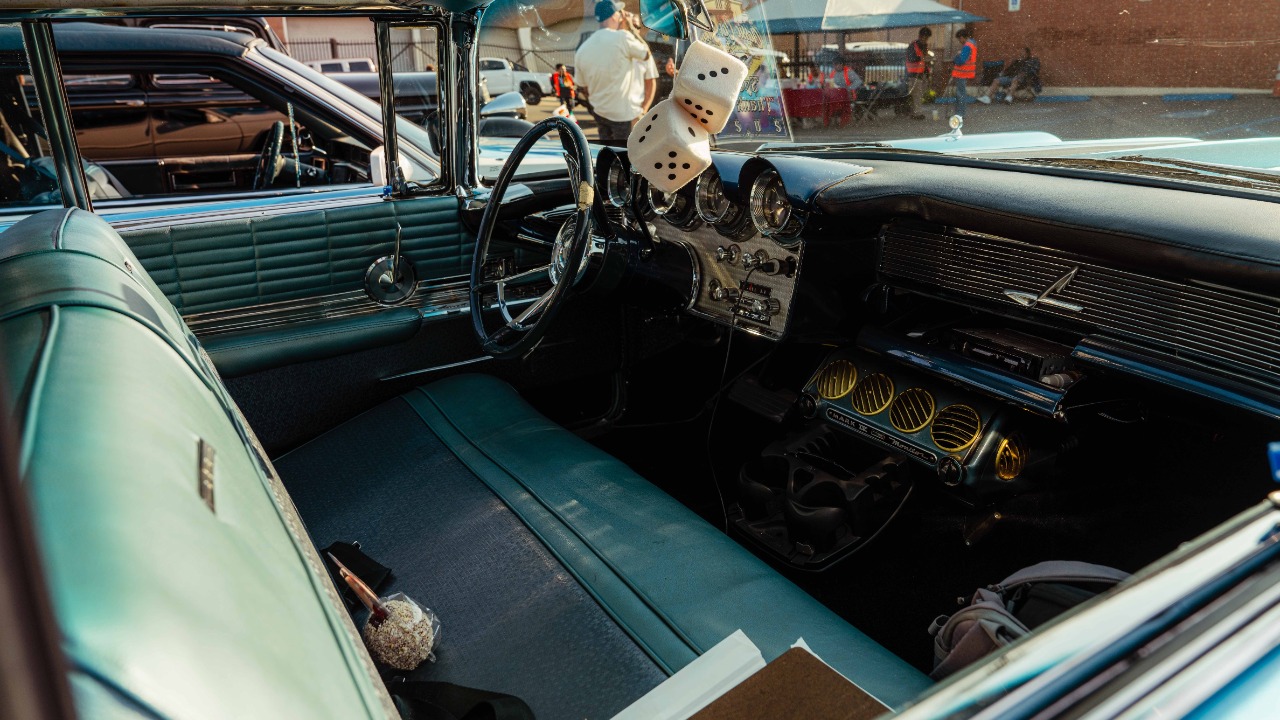
One of the primary virtues of bench seats is their versatility. Unlike bucket seats, which are designed for individual passengers, bench seats can comfortably accommodate multiple occupants. This feature was especially beneficial for larger vehicles, such as trucks and vans, which were often used for family outings or group travel. For instance, the Chevrolet Suburban, a staple in family vehicles since its introduction in 1935, commonly featured a bench seat that made it easier for families to pile in together.
Moreover, bench seats offer greater ease of entry and exit, particularly for children or elderly passengers. The absence of a central console allows for a more open space, making it simpler for passengers to move around. This practicality is particularly significant in larger vehicles, as it can be challenging for passengers to navigate tight spaces in bucket seat configurations. During the mid-20th century, when long-distance travel became more prevalent, the ability to fit the entire family in one seat was invaluable, enhancing the communal nature of road trips.
Cultural Significance and Nostalgia
Bench seats hold a special place in American culture, often associated with cherished road trips and family outings. Growing up, I remember my family’s annual summer road trips, where we would load up our station wagon with luggage and snacks, and I would squeeze into the middle of the bench seat between my siblings. These memories of laughter, games, and songs shared on long drives contribute to the nostalgic appeal of bench seats. They evoke a sense of simpler times, where the journey was just as important as the destination.
The nostalgia surrounding bench seats is further amplified at classic car shows and exhibitions, where enthusiasts showcase vintage models like the 1957 Chevrolet Bel Air or the 1966 Ford Mustang, both featuring iconic bench seating. These events not only celebrate automotive design but also highlight the personal stories and memories attached to these vehicles. The emotional connection people have to cars with bench seats is a testament to their significance in American history.
Design Considerations and Innovations
Bench seats have significantly influenced the design of car interiors, particularly in how space is allocated. The simplicity of the bench seat allowed for creative layouts that maximized passenger comfort and utility. As safety became a priority in automotive design, manufacturers adapted bench seats to incorporate safety features such as seat belts without compromising their functionality. For example, in the 1970s, many vehicles began to include integrated seat belts for bench seats, paving the way for a safer travel experience.
Innovations in materials and comfort have also played a role in maintaining the relevance of bench seats over the years. Modern cars, such as the 2022 Ford F-150, utilize advanced foam technologies and upholstery materials that enhance comfort and support while preserving the traditional bench seat layout. These innovations have allowed manufacturers to keep bench seats in their lineups, appealing to consumers who appreciate the nostalgia while also valuing modern comfort and safety.
The Shift Towards Individual Seating
Despite their practicality and cultural significance, bench seats began to decline in popularity due to the rise of safety regulations and changing consumer preferences. The introduction of federal safety standards in the 1970s, including the requirement for lap and shoulder belts, led to a shift towards bucket seats, which offered better individual protection. As manufacturers focused on meeting these regulations, they moved away from bench seating to accommodate more advanced safety features.
Additionally, consumer preferences began to evolve, influenced by marketing campaigns that emphasized the sleek, modern look of bucket seats. Automakers like General Motors and Chrysler shifted their designs, catering to a demographic that favored individual seating as a representation of luxury and status. This gradual disappearance of bench seats in modern vehicles has often been seen as a reflection of changing tastes and the desire for personalization in car interiors.
Revival and Future of Bench Seats
In recent years, there has been a noticeable shift in automotive design trends that may signal a revival of bench seating. With the rise of electric and self-driving cars, innovative seating configurations are being explored. For instance, vehicles like the Tesla Model X have introduced flexible seating arrangements that can accommodate various passenger needs, hinting at a potential return to bench-style seating in a new form.
As the automotive industry continues to evolve, there’s an opportunity for bench seats to adapt while retaining their classic charm. Manufacturers are exploring how to integrate modern features such as connectivity and advanced safety systems into traditional designs. This could lead to a future where bench seats are not only practical but also equipped with the latest technology, appealing to both nostalgic consumers and modern drivers alike.
More from Fast Lane Only
- Unboxing the WWII Jeep in a Crate
- 15 rare Chevys collectors are quietly buying
- 10 underrated V8s still worth hunting down
- Police notice this before you even roll window down
*Research for this article included AI assistance, with all final content reviewed by human editors.