The Pontiac Trans Am is an iconic muscle car known for its performance and style. However, many enthusiasts are unaware of the key factors that prevented a specific model from reaching production, overshadowing its legacy. This article delves into the lesser-known reasons behind the Trans Am’s unrealized potential.
Historical Context of the Pontiac Trans Am
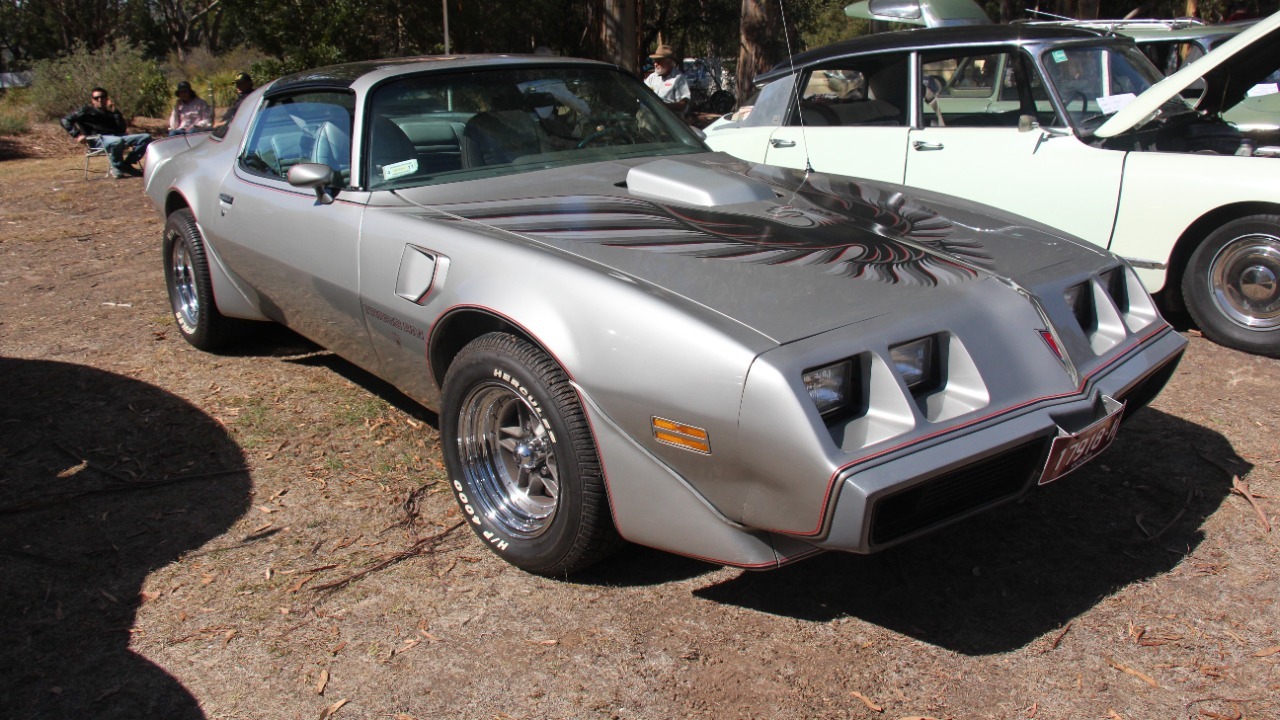
Launched in 1969, the Pontiac Trans Am quickly became a symbol of American muscle and performance. Originally designed as a high-performance variant of the Pontiac Firebird, the Trans Am captured the hearts of car enthusiasts with its aggressive styling and powerful engines. By the mid-1970s, the automobile landscape was changing, and the Trans Am was at the forefront of a cultural phenomenon that celebrated speed, style, and freedom on the open road. However, by 1973, the automotive industry faced unprecedented challenges that threatened the existence of high-performance vehicles.
During this time, Pontiac was competing against formidable rivals such as Ford, Chevrolet, and Dodge, all of whom were eager to capture the market share of performance-oriented cars. The fierce competition meant that Pontiac had to continuously innovate and improve its offerings. However, the oil crisis of the 1970s dramatically shifted consumer preferences, leading to a demand for fuel-efficient vehicles. As a result, the muscle car segment began to decline, and manufacturers faced tough decisions regarding their production lines. The Trans Am, once a leader in performance, was now overshadowed by changing consumer values that favored practicality and economy over raw power.
The Concept That Almost Was
Among the various iterations of the Trans Am, there was one specific model that never made it to the production line: the 1979 Trans Am “Special Edition.” This model was envisioned as a tribute to the iconic Black and Gold Trans Am made famous by the “Smokey and the Bandit” movie. Featuring a unique exterior design, enhanced aerodynamics, and cutting-edge technology, this version promised to elevate the Trans Am’s legacy while attracting a new generation of enthusiasts. With a focus on performance, the car was designed to include a turbocharged V8 engine that could deliver an exhilarating driving experience.
Insights from designers and engineers involved in the project reveal that the 1979 Trans Am was intended to incorporate features that would set it apart from its predecessors. Among these innovations were advanced suspension systems for improved handling, a state-of-the-art sound system, and even a digital dashboard that was revolutionary for its time. Unfortunately, despite the enthusiasm of the design team, corporate decisions would ultimately stifle this ambitious vision, restricting its potential to join the ranks of legendary muscle cars.
Corporate Decisions and Financial Challenges
In the late 1970s, General Motors was grappling with significant financial challenges. The oil crisis and subsequent economic recession forced automakers to reassess their strategies, leading to budget cuts and a shift in focus towards more fuel-efficient models. Pontiac, like many other divisions of GM, found itself under pressure to align with the shifting market demands. The management’s decision-making during this period was heavily influenced by the need to tighten budgets and streamline production, leaving little room for high-cost projects.
As a result, Pontiac was compelled to prioritize models that could be produced at a lower cost and with broader market appeal. The Special Edition Trans Am, with its ambitious features and performance enhancements, was viewed as a luxury that the company could not afford. This decision not only prevented the production of a potentially iconic vehicle but also highlighted the corporate inertia that often stifles innovation in the automotive industry. Ultimately, the financial constraints led to the cancellation of the project, leaving enthusiasts to wonder about the potential of what could have been.
Market Trends and Consumer Demand
The late 1970s marked a significant shift in consumer preferences, with a growing emphasis on fuel economy and practicality over performance. As gas prices soared and environmental concerns began to take center stage, the allure of the muscle car began to fade. Consumers increasingly gravitated towards smaller, more efficient vehicles, leaving the once-popular muscle car segment in decline. For Pontiac, this shift was particularly consequential, as the brand had built much of its identity around performance-oriented vehicles like the Trans Am.
Competitors were quick to adapt to the changing landscape. Ford, for instance, shifted its focus to models like the Mustang II, which emphasized fuel efficiency while still retaining some sporty characteristics. Chevrolet made similar changes with the Camaro, introducing smaller engines to appeal to a broader audience. Pontiac, however, found itself in a precarious situation, struggling to redefine the Trans Am in a market that had become increasingly indifferent to the roar of a V8 engine. The decision to abandon the Special Edition Trans Am was, in many ways, a response to this market reality, reinforcing the notion that performance was no longer king.
Legacy and Impact on Pontiac’s Future
The cancellation of the 1979 Trans Am Special Edition had lasting repercussions for Pontiac’s brand image. This decision not only impacted the immediate lineup but also shaped the trajectory of future Pontiac models. The brand, once celebrated for its performance heritage, became known for its attempts to blend performance with practicality in an increasingly competitive landscape. As a result, Pontiac struggled to maintain the same level of excitement that the Trans Am had once commanded.
The absence of the Special Edition model contributed to a perception that Pontiac was no longer a serious contender in the muscle car market, and it diminished the allure of the Trans Am brand. As the years passed, the Trans Am became a nostalgic symbol of a bygone era, appreciated for its role in American automotive history but overshadowed by the realities of a changing industry. This forgotten chapter serves as a reminder of how corporate decisions can dramatically reshape a brand’s legacy and impact its future direction.
Lessons Learned and the Future of Muscle Cars
The story of the Pontiac Trans Am and its unrealized potential serves as a valuable lesson for the automotive industry. It underscores the importance of understanding market trends and consumer preferences, particularly in a landscape that is continually evolving. As car manufacturers navigate the complexities of modern-day production, the relevance of adaptability becomes ever more crucial. The failure to recognize and respond to changing demands can lead to missed opportunities, as seen in the case of the canceled Trans Am model.
Looking ahead, the future of muscle cars remains uncertain, but the resurgence of interest in performance-oriented vehicles suggests that there is still a place for these iconic models. With advancements in technology, such as electric and hybrid powertrains, manufacturers have the chance to redefine what a muscle car can be. Brands like Ford are already exploring this territory with the upcoming electric Mustang, indicating that the legacy of the muscle car may not be as forgotten as we once thought. The lessons learned from the Trans Am’s story may well inform the strategies of automotive manufacturers striving to strike a balance between performance and sustainability in an increasingly conscious market.
More from Fast Lane Only
- Unboxing the WWII Jeep in a Crate
- 15 rare Chevys collectors are quietly buying
- 10 underrated V8s still worth hunting down
- Police notice this before you even roll window down
*Research for this article included AI assistance, with all final content reviewed by human editors.