Often overshadowed by the more renowned B-17 Flying Fortress, the B-24 Liberator played a crucial yet underappreciated role in the Pacific Theater during World War II. The B-24’s operational capabilities and strategic importance were pivotal in shaping the outcome of the war. By focusing on its design, missions, and legacy, we can better appreciate the impact this aircraft had in the vast expanse of the Pacific.
The Development of the B-24 Liberator
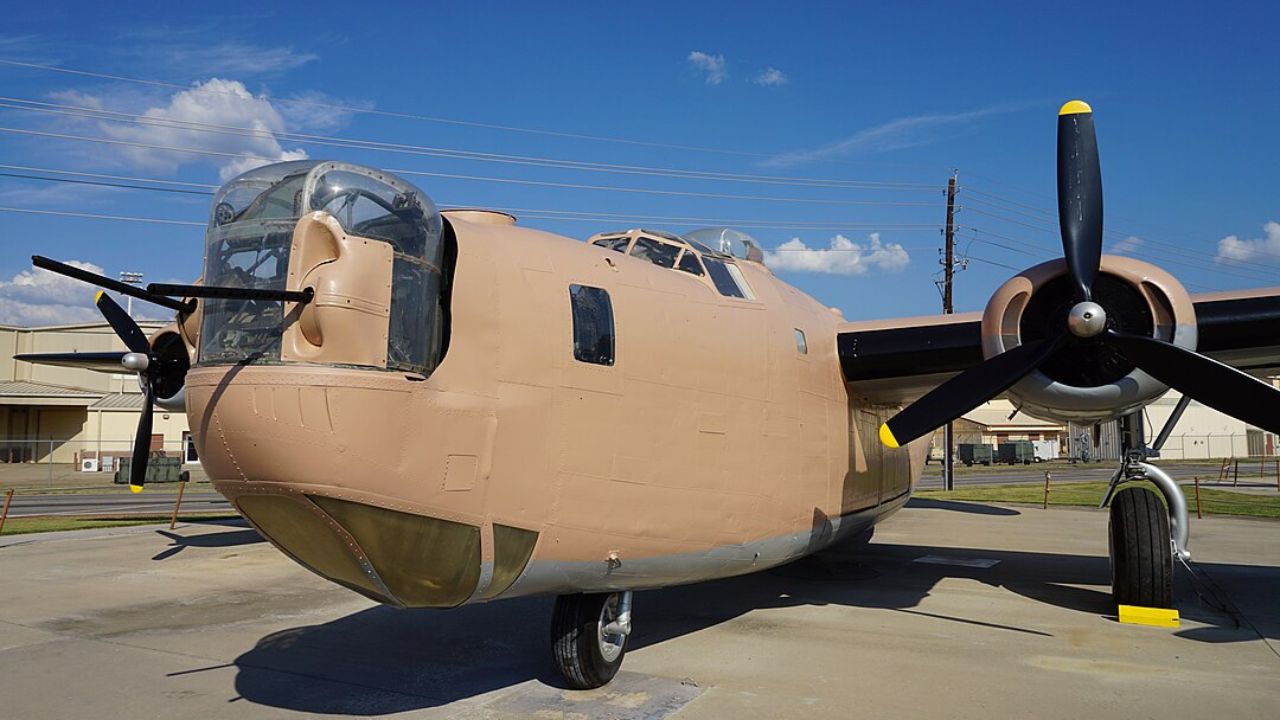
The B-24 Liberator was developed with the intent of serving as a long-range bomber, addressing a specific need in the United States’ military strategy during World War II. Designed by Consolidated Aircraft, the B-24 was built to complement the B-17, offering greater range and payload capacity. This made it an indispensable tool in the Pacific Theater, where vast oceanic distances required aircraft capable of extended missions. Unlike the B-17, the B-24 featured a more modern design with a high aspect ratio wing, which contributed to its excellent range capabilities. In comparison to the B-17, the B-24 was more versatile, with its design tailored to meet the unique challenges of the Pacific. While the B-17 was famed for its durability and ability to sustain heavy damage, the B-24’s design focused on maximizing range and payload, which were essential for the long missions over the Pacific. The scale of production was also remarkable, with over 18,000 units manufactured, making the B-24 one of the most produced bombers in history. The Allied forces, recognizing its value, widely adopted the B-24, utilizing it across various theaters of the war.
Strategic Importance in the Pacific Theater

The Pacific Theater presented unique challenges that the B-24 was particularly well-suited to address. Its long-range capabilities enabled it to reach targets that were previously inaccessible, such as Japanese-held islands scattered across the Pacific Ocean. This capability was crucial for conducting bombing raids and disrupting Japanese supply lines, directly contributing to the Allied strategy of isolating and neutralizing enemy strongholds. The B-24’s versatility extended beyond traditional bombing missions. It was effectively used in reconnaissance roles, gathering essential intelligence on enemy positions and movements. Additionally, the B-24 played a significant role in anti-submarine warfare, patrolling vast stretches of ocean to protect Allied shipping from the persistent threat of Japanese submarines. These varied capabilities made the B-24 an invaluable asset in the Pacific, supporting a range of missions critical to the success of Allied operations.
Operational Challenges and Innovations

Operating the B-24 in the Pacific came with its own set of challenges. The tropical environment posed significant technical and logistical difficulties, particularly in terms of maintenance and supply lines. The humid conditions often led to mechanical issues, requiring crews to innovate and adapt to keep their aircraft operational. This included improvising repairs and developing new techniques to maintain performance in less-than-ideal conditions. Despite these challenges, crews developed ingenious solutions to improve the B-24’s reliability. Modifications were made to enhance the aircraft’s tropical performance, such as improving ventilation systems and adapting engines to handle the high humidity. Personal accounts from crew members highlight the resourcefulness and determination required to overcome these obstacles, offering a glimpse into the day-to-day realities of operating the B-24. These stories underscore the resilience and ingenuity of those who served aboard the Liberators, ensuring their missions could continue despite the odds.
Comparative Impact and Legacy

The B-24’s effectiveness in the Pacific can be measured by its impact on the war effort compared to other aircraft. While the B-17 often receives more recognition, the B-24’s unique capabilities filled a critical gap in the Pacific. Its ability to perform long-range missions and its adaptability across different roles made it an integral part of the Allied strategy. The B-24’s contributions were crucial in achieving strategic objectives that might have otherwise been unattainable. In the years following the war, the B-24’s influence extended beyond its immediate impact. It left a lasting legacy in aviation history, influencing the design of subsequent aircraft with its technological advancements and operational versatility. Despite its significant contributions, the B-24’s role in the Pacific has often been overlooked in historical narratives. Efforts to rectify this include recognizing its importance in the broader context of World War II aviation history.
Cultural and Historical Recognition

Recognizing the B-24’s historical significance has taken on various forms, from museums and memorials to historical societies dedicated to preserving its legacy. These efforts aim to ensure that the contributions of the B-24 and its crews are remembered and honored. Institutions around the world have worked to preserve aircraft and artifacts, allowing future generations to appreciate the role the B-24 played in securing victory in the Pacific. Personal stories and testimonies from veterans and historians are vital in keeping the memory of the B-24 alive. These accounts provide valuable insights into the experiences of those who served aboard the Liberators, offering a human perspective on the aircraft’s operations. Additionally, media, literature, and documentaries have played a significant role in shaping public perception of the B-24’s contributions. Through these mediums, the story of the B-24 continues to be told, ensuring its place in history is recognized and celebrated.