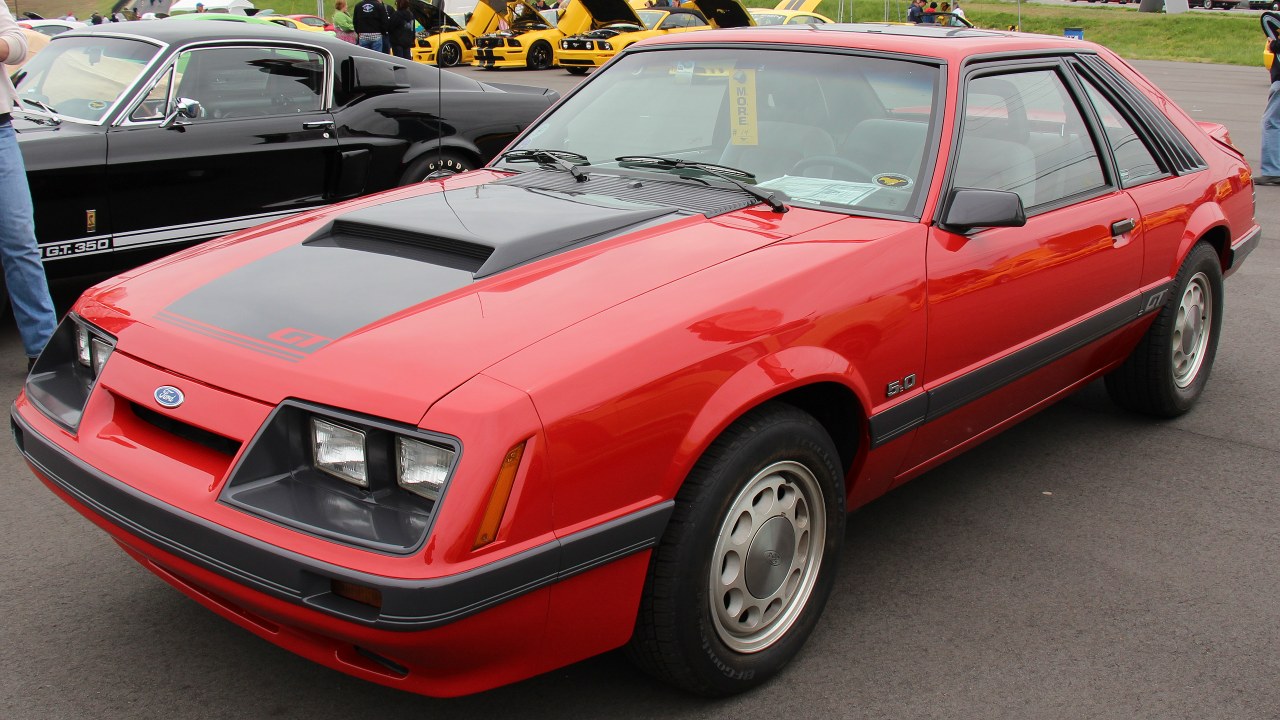
The Fox Body Mustang, long treated as a cheap entry point into V8 fun, is rapidly shifting into a serious collector play. Values are climbing, high-end builders are showcasing six-figure interpretations, and a new generation of buyers is rediscovering the car’s mix of simplicity and performance. I see the pattern that has already transformed other once-overlooked muscle cars now taking shape around this squared-off, 1980s icon.
From bargain beater to rising asset
For years, the Fox Body Mustang sat in the shadow of 1960s fastbacks and early 1970s Mach 1s, treated as a disposable platform for budget drag builds rather than a car to preserve. That perception is changing as clean, unmodified examples become harder to find and auction prices move up. One detailed look at Fox Body Mustang price trends notes that shoppers who once saw these cars as cheap transportation are now asking, “Are Fox Body Mustangs increasing in value,” and the answer is increasingly yes, with the Fox Body Mustang moving out of the bargain-bin category and into the realm of appreciating classics.
The basic economics are straightforward: when supply tightens and demand rises, prices follow. Reporting on recent sales points to a Barret and Jackson auction where a 1993 Ford Mustang, a car from the final model year of the Fox platform, brought serious money, signaling that collectors are willing to pay a premium for the right specification. That kind of headline sale tends to reset expectations for the entire market, encouraging owners to hold onto good cars and prompting investors to look for the next undervalued configuration before prices climb further.
Gen X nostalgia and the timing advantage
Every collectible car boom has a demographic engine behind it, and for the Fox Body Mustang that engine is Gen X. Enthusiast analysis of this generation’s relationship with the car argues that “What is special about the Fox Body Mustang is timing,” noting that if you are from the Gen X era, you probably have a Fox Body Mustan memory from high school parking lots, street races, or posters on a bedroom wall. Those teenagers are now in their peak earning years, and I see them turning back to the cars they wanted but could not afford when new, a pattern that has driven up values for earlier muscle cars and is now repeating with this 1980s and early 1990s coupe.
Industry observers are seeing the same age-driven shift. In a detailed look at the “FOX-BODY BOOM,” analyst Karim explains that the original targeted demographic for the car is now at an age where they have both disposable income and a desire to reconnect with the machines that defined their youth. That combination of nostalgia and financial capacity is powerful, and it helps explain why demand is rising even as the cars themselves are not getting any younger. When a cohort like this decides a car is cool again, the market tends to follow, and the Fox Body Mustang is now benefiting from that generational tailwind.
Culture, customization, and the “revival” effect
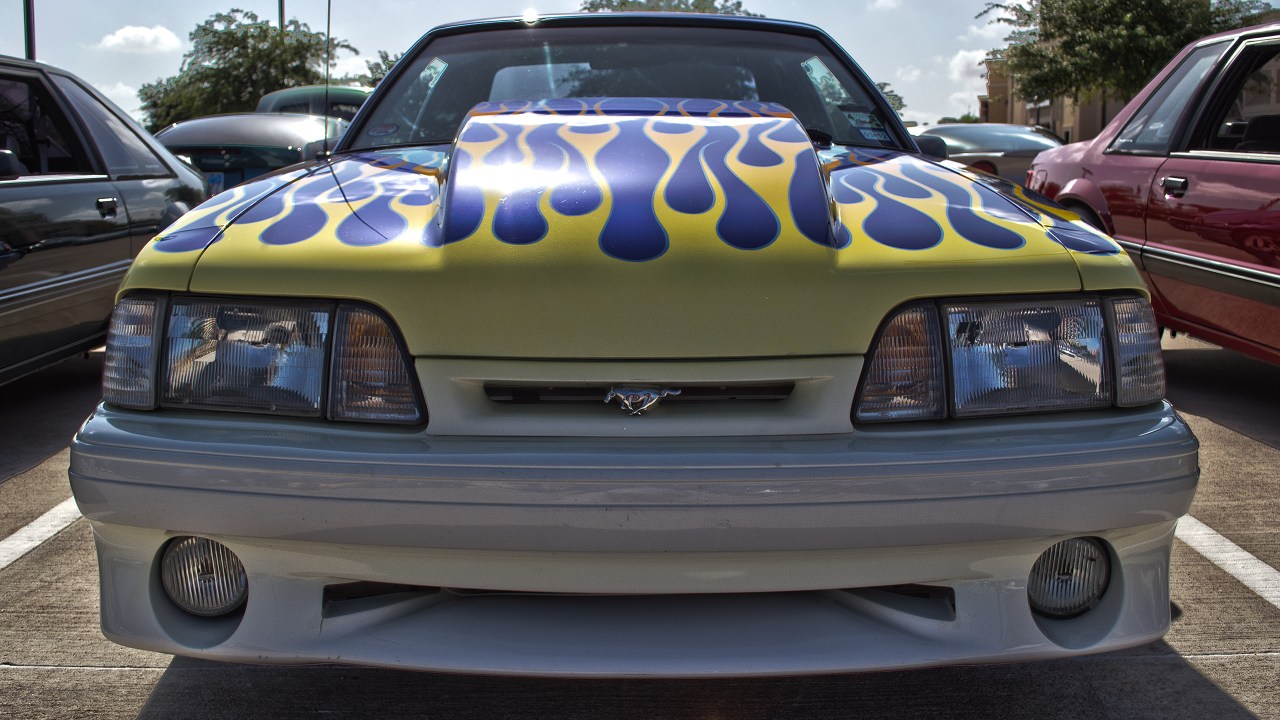
Beyond pure nostalgia, the Fox Body Mustang is enjoying a broader cultural revival that is pulling in younger enthusiasts as well. A feature on the current Fox Body Mustang Revival describes how you can feel the excitement around these cars in 2025, with Jul and other builders highlighting how the platform lends itself to modern wraps, updated wheels, and creative paint without losing its period-correct attitude. That coverage frames the Fox Body Mustang Revival as a movement where You, the owner, are encouraged to make changes to your car, turning each Fox into a personalized statement rather than a museum piece.
This customization-friendly image matters for investment, because it keeps the car relevant in contemporary car culture instead of trapping it in nostalgia alone. The same reporting notes that the Fox platform is simple to work on, with a huge aftermarket that supports everything from subtle suspension upgrades to full restomod builds. When a car is both a canvas for personal expression and a recognized classic, it attracts a wider pool of buyers, from purists chasing low-mileage survivors to tuners who want a solid base for a modernized build. That breadth of interest supports a deeper market, which is exactly what investors look for when they try to identify the next muscle car to appreciate.
From SEMA showstoppers to curated “investment” picks
High-profile builds are also pushing the Fox Body Mustang into the spotlight, and with it, into more serious price territory. At SEMA 2025, a feature titled “This Fox Body Mustang Stole the Show” described how a meticulously reimagined car from Velocity Restorations wowed the crowd with its blend of classic lines and modern performance hardware. The same report noted that “Now You Can Buy One,” positioning the build as a halo product for buyers with the means to own a turn-key, professionally executed Fox that carries the prestige of a SEMA debut. When a platform reaches the point where top-tier shops are investing time and money to create showcase cars, it signals that the market is ready to support higher valuations.
At the other end of the spectrum, more accessible guides are already treating the Fox Body Mustang as a strategic purchase. A video breakdown of “Top 5 investment Fox Bodies” walks viewers through specific model years and trims that the host believes are poised for appreciation, framing the Fox Mustang as a smart way to add a classic car to your garage now before prices climb further. Another video, “10 reasons why the Fox Body Mustang is increasing in value,” hosted by Jun personality Landon, lays out a case that combines rising collector interest, limited supply of clean cars, and the platform’s tuning potential. When both high-end builders and grassroots commentators are talking about the same car as an investment, I read that as a sign the market is maturing.
Why the fundamentals still favor buyers, for now
Despite the recent surge in attention, the Fox Body Mustang still occupies a relatively accessible corner of the collector world compared with 1960s muscle icons. Analysis of its current position highlights an “accessible price point” as one of the key reasons it has become suddenly so valuable, arguing that buyers can still get into a driver-quality Fox Body Mustang without spending the kind of money a similar-condition 1969 fastback would command. The same breakdown notes that when supply is down and demand goes up, so then do the prices, but it also implies that the curve is still in its early stages, with room for further appreciation as the cleanest examples are absorbed into collections.
From an investment perspective, I see three fundamentals working in favor of buyers who move sooner rather than later. First, the production run was long, which means there are still enough cars to find, but truly original, rust-free examples are already thinning out. Second, the Fox Body Mustang offers a combination of power and usability that makes it easy to enjoy on modern roads, a point underlined in the same value-focused analysis that praises its balance of performance and everyday practicality. Third, the cultural momentum around the Fox Body Mustang Revival, from Jul’s wrap-heavy builds to Velocity Restorations’ SEMA star, is still building rather than fading. That mix of scarcity, usability, and rising cultural cachet is exactly what turned earlier muscle cars into blue-chip collectibles, and all the available reporting suggests the Fox platform is now on the same trajectory.
More from Fast Lane Only: