Long before crate motors and track-focused trims became mainstream, the factory drag pack was the gearhead’s secret handshake. These weren’t just high-performance options—they were purpose-built setups meant to hook hard, run fast, and hold together on Sunday afternoon. From hidden compression bumps to strategic weight cuts, these factory-sanctioned builds were the muscle car era’s way of bending the rules without breaking them.
Whether they came with Dana 60s, aluminum panels, or a trunk full of NHRA tech, these 10 cars show what happened when Detroit got serious about the quarter mile.
1968 Ford Mustang 428 Cobra Jet with Drag Pack

Ford’s 428 Cobra Jet wasn’t just a big engine stuffed into a pony car—it was a calculated response to the rising heat from GM and Mopar. The optional Drag Pack added a 3.91 or 4.30 rear axle with oil cooler, beefier internals, and solid lifters when paired with the Super Cobra Jet setup.
Rated at 335 hp (underrated by a long shot), the actual output pushed closer to 400. With the right gear, these cars dipped into the 13s off the showroom floor. The Cobra Jet Mustang proved Ford could play dirty when it wanted to.
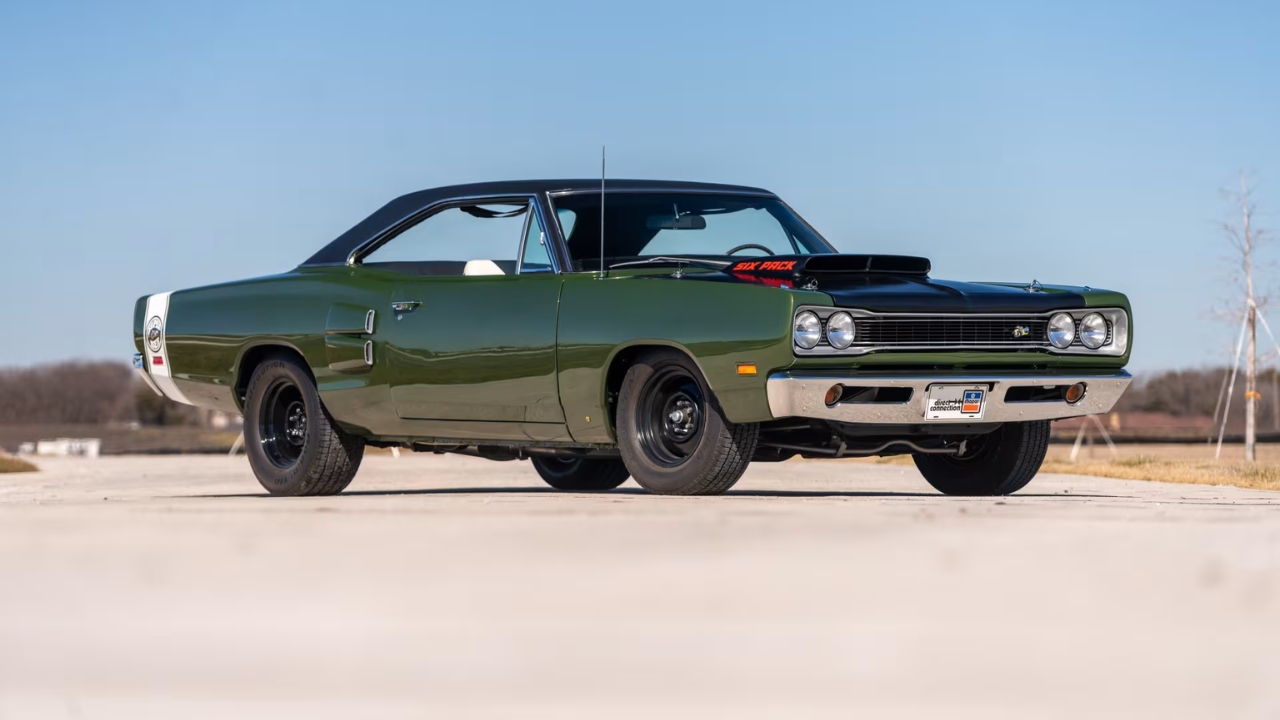
1969 Dodge Super Bee A12 440 Six Pack

The A12 package was Dodge getting serious about the strip. It ditched frills in favor of function—steel wheels, a fiberglass lift-off hood, and a 440 topped with three Holley 2-barrels making 390 hp. Backed by a 4-speed or TorqueFlite, it was a factory street brawler.
The suspension was upgraded with heavy-duty leaf springs and beefier shocks, and the Dana 60 rear with 4.10 gears didn’t mess around. Inside, it was bare-bones—just the essentials. The A12 Super Bee was a one-year-only deal, but it left a mark that still holds weight.
1970 Plymouth Road Runner 426 Hemi with Super Track Pak

If you ordered your ’70 Road Runner with the Hemi and checked the box for the Super Track Pak, you were getting Chrysler’s best drag setup straight from Lynch Road. That meant a 4.10 Dana rear, 11-inch drum brakes, Hemi suspension upgrades, and a heavy-duty cooling system.
The Hemi was officially rated at 425 hp, but real-world numbers had it closer to 470. The Track Pak made sure it all got to the pavement efficiently. These cars weren’t cheap, and most didn’t see daily driving duty—they were built to win on Sunday.
1969 Ford Torino Talladega with 428 CJ and Drag Pack
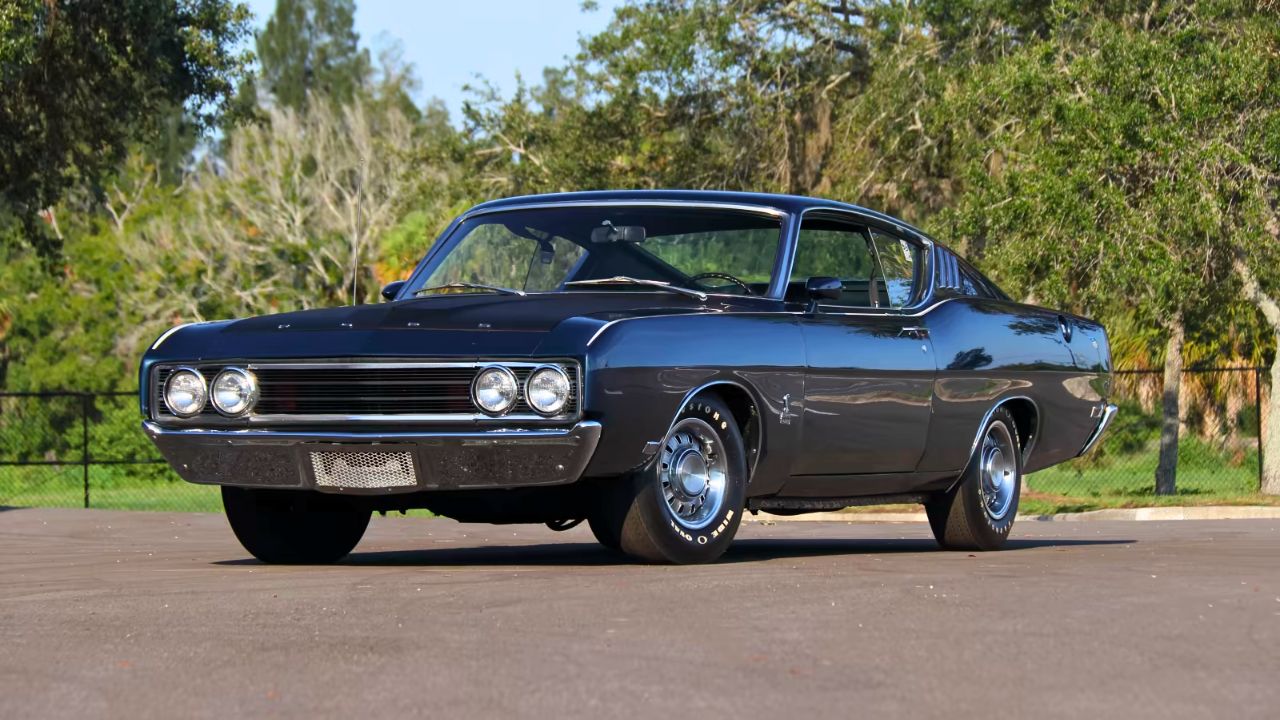
The Talladega was Ford’s NASCAR homologation car, but you could still get it prepped for quarter-mile duty with the 428 Cobra Jet and Drag Pack option. That combo brought 4.30 gears, an external oil cooler, and reinforced internals.
While it wasn’t as bare-bones as a typical drag package, the Torino’s long, aero body helped at high speed, and the CJ mill gave it strong mid-range punch. It might’ve been bred for ovals, but with the right launch, it was no slouch in a straight line.
1968 Hurst/Olds 455

Oldsmobile wasn’t known for factory drag cars, but the 1968 Hurst/Olds flipped the script. It borrowed the 455 from the Toronado—tuned to 390 hp and 500 lb-ft—and stuffed it into a Cutlass body with special Hurst badging and a dual-snorkel hood.
The car came with a Turbo 400 and Hurst Dual-Gate shifter. Stiffer springs and upgraded shocks helped manage the weight. It wasn’t as raw as a Mopar A12, but it was quick, consistent, and faster than most expected from an Olds. You could run low 14s with no wrenching.
1963 Chevrolet Impala Z11

Before the Chevelle and Camaro took over, Chevy’s drag program was centered on full-size cars like the Z11 Impala. It featured a 427 built off the 409 block, aluminum body panels, and no radio, heater, or sound deadening—just 430 hp and about 3,900 pounds to move.
The Z11 got a 4.11 Posi rear and heavy-duty suspension tuned for drag launches. Only 57 were built, and most went to racers. This was GM skirting the factory racing ban, sending out what was essentially a turnkey Super Stocker.
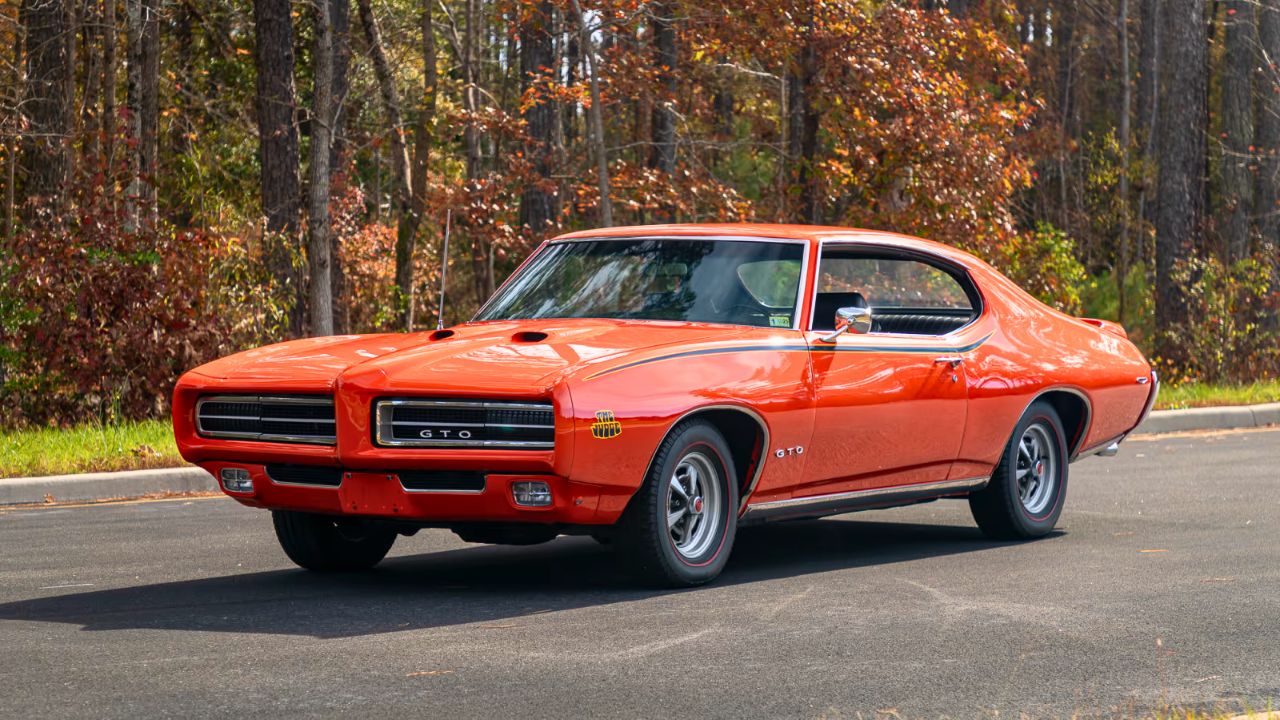
Pontiac didn’t officially market a “drag pack,” but the Ram Air IV option came close. It brought a high-compression 400 with round-port heads, a radical cam, and a factory-rated 370 hp. In reality, it ran harder than that—especially with the close-ratio 4-speed and 4.33 rear gears.
The suspension was beefed up, and the GTO’s frame was already built to take abuse. The Ram Air IV was temperamental and high-strung, but in the right hands, it could push low 13s on bias-plys. The Judge wasn’t just about looks—this version backed it up.
1971 Dodge Challenger R/T 426 Hemi with Super Track Pak

By ’71, the writing was on the wall for muscle cars, but Dodge was still giving buyers a shot at all the firepower. The Super Track Pak added 4.10 gears, Sure-Grip rear, Hemi-spec suspension, and power front disc brakes to the already potent Hemi Challenger.
The 426 was paired to a 4-speed with a pistol-grip shifter and came with a 7-blade fan and oil cooler to keep things together. These weren’t common builds, and they didn’t come cheap—but they were true bracket-capable cars right out of the showroom.
1964 Ford Thunderbolt
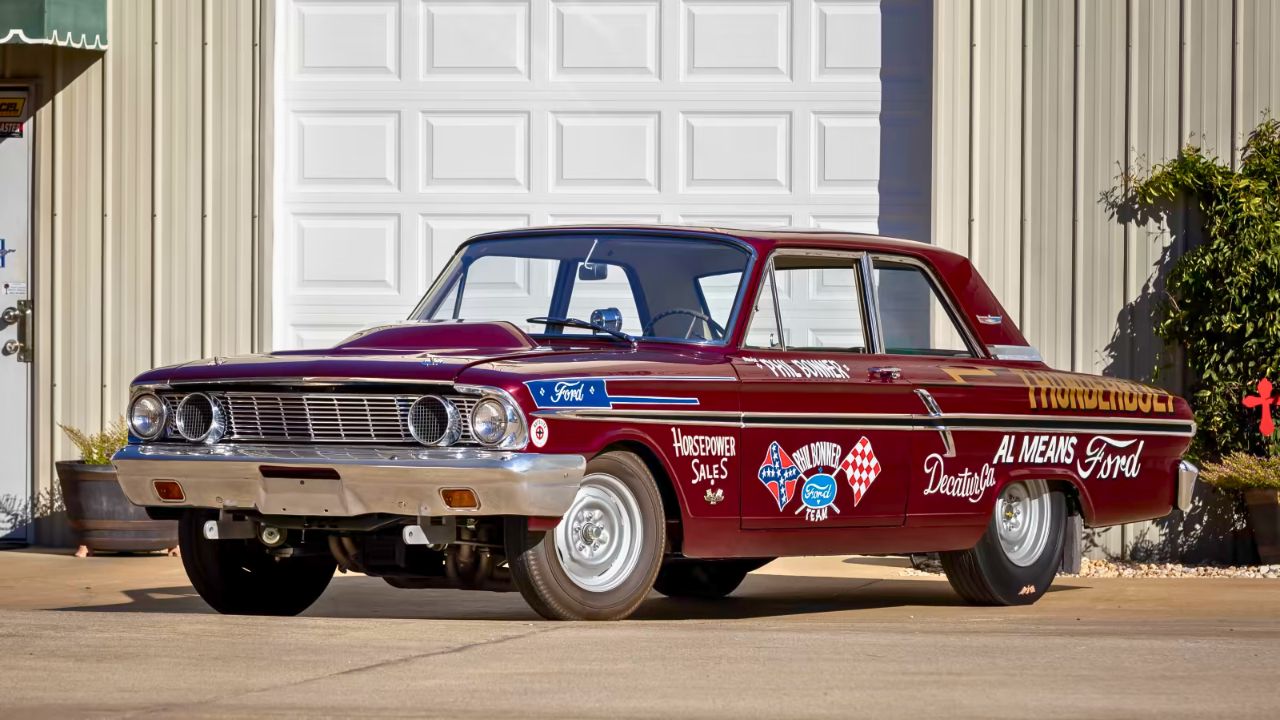
The Thunderbolt wasn’t a trim level—it was a purpose-built race car that happened to have a Ford VIN. Based on the Fairlane, it had a 427 Hi-Riser engine with dual quads, aluminum front fenders, fiberglass hood and bumpers, and Plexiglas windows. It was rated at 425 hp, but actual output was closer to 500.
With a trunk-mounted battery and 4.56 rear gears, it ran high 11s off the trailer. Ford built around 100 of them, mostly for NHRA Super Stock competition. This was as close to a factory drag car as Detroit ever got.
2009 Dodge Challenger SRT8 Drag Pak

Mopar revived the drag pack idea for modern times with the 2009 Challenger Drag Pak. It ditched A/C, radio, rear seats, and sound deadening to save weight and came with a 6.1L HEMI or optional 5.9 Magnum V8 for NHRA classing.
Built by hand in limited numbers, the Drag Pak had a race-prepped suspension, lightweight components, and provisions for safety gear. It wasn’t street-legal, but that wasn’t the point—it was a factory-built drag car for modern bracket racing, just like the old days.
*This article was hand crafted with AI-powered tools and has been car-fully, I mean carefully, reviewed by our editors.