The 1955 Chevy Bel Air wasn’t just a new model—it was a turning point. After years of playing it safe, Chevrolet finally rolled out a car that looked sharp, drove well, and came with serious power under the hood. It wasn’t flashy for the sake of being flashy—it was purposeful, confident, and a signal that the brand was ready to lead, not follow.
Whether you’re into small-block V8s, clean body lines, or mid-century design done right, the ’55 Bel Air checks all the boxes. Here are 10 facts that help explain why this car still turns heads nearly 70 years later.
1. The First Year of the Small-Block V8
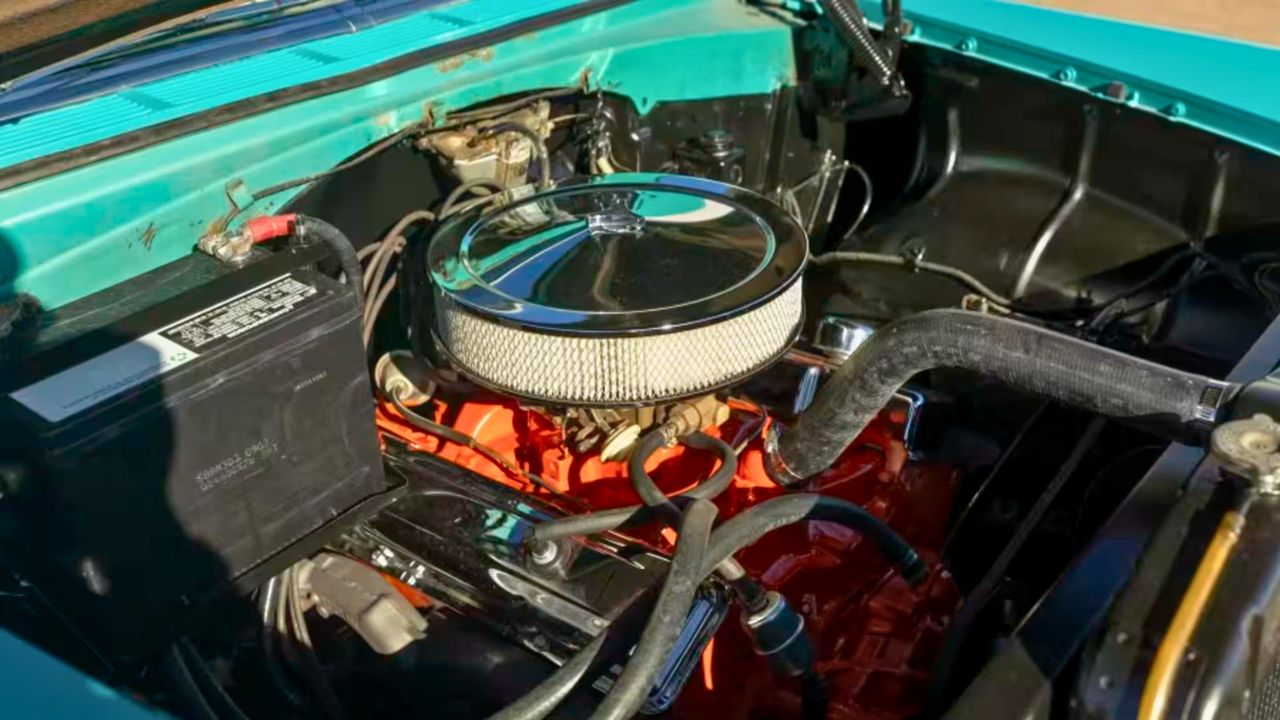
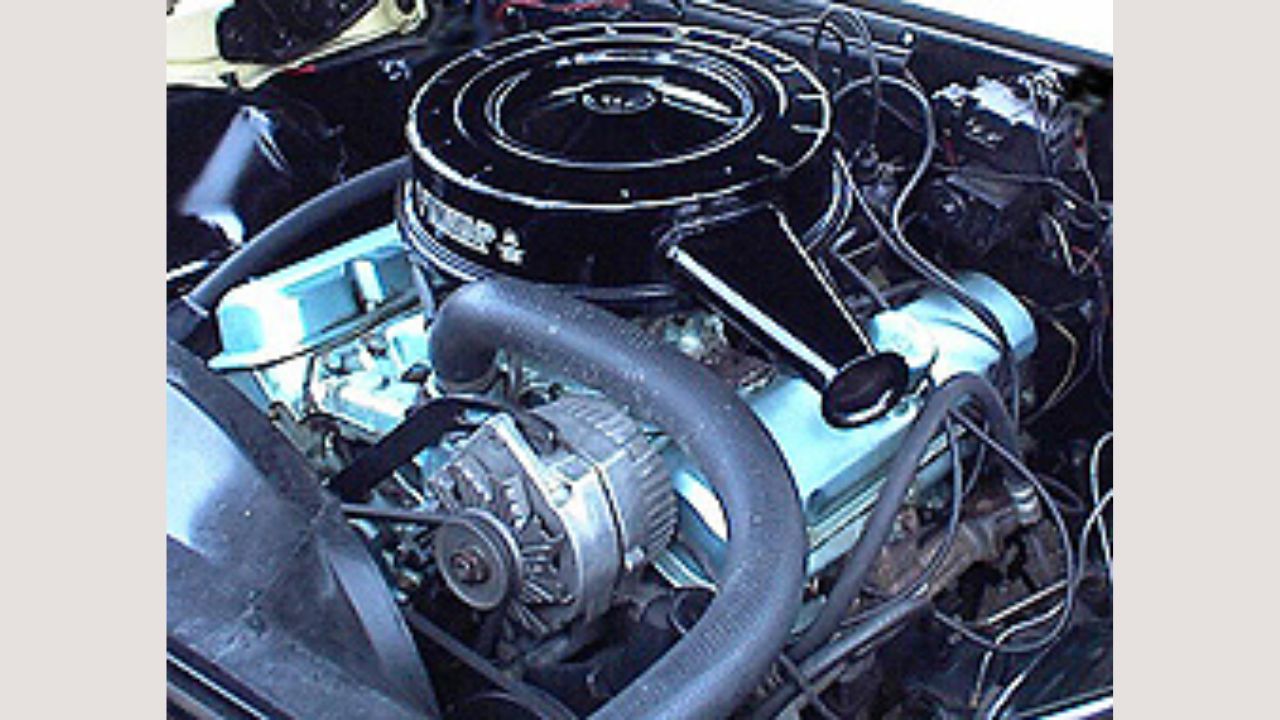
1955 marked the debut of Chevy’s now-legendary 265 cubic inch small-block V8. It was lightweight, compact, and easy to work on—something hot rodders would appreciate for decades. With a two-barrel carb, it made 162 hp, but with the “Power Pack” option (which added a four-barrel and dual exhaust), output bumped to 180 hp.
The Bel Air could also be ordered with a 3-speed manual or the new Powerglide automatic. The V8 transformed the Bel Air from a stylish cruiser into a car that could keep up with just about anything in its class.
2. A Complete Styling Break From 1954

The ’55 Bel Air didn’t just get a new engine—it got an entirely new look. The body was lower, wider, and cleaner, dropping the bulbous curves of the earlier models in favor of a flatter hood and slab sides. The egg-crate grille and Ferrari-like front end gave it a sporty edge that American buyers hadn’t seen before from Chevrolet.
Chrome trim ran the length of the car, breaking up the body for a two-tone paint layout that quickly became a signature of the Tri-Five era. It was a fresh start, and people noticed.
3. Available in Three Body Styles

Chevy didn’t mess around when it came to options in 1955. You could get the Bel Air as a 2-door hardtop, 4-door sedan, or convertible. The hardtop—no pillar between the doors—was especially popular, giving buyers the look of a convertible without losing the roof.
Each body style carried the same basic trim package, with stainless moldings along the side, Bel Air script on the rear quarters, and a clean, upscale dash design inside. Chevrolet gave buyers flexibility without sacrificing design cohesion across the line.
4. A Midyear Option Package Changed the Game

Halfway through the model year, Chevrolet introduced the “Super Power Pack” option for the V8, pushing power output up to 195 horsepower. It included higher compression, better cam timing, and tweaks to the carburetor. It didn’t cost much extra, but it gave the Bel Air serious performance for the money.
For reference, that was enough power to get the car into the high-16-second range in the quarter mile—a strong showing for a full-size family car at the time. It also laid the groundwork for Chevy’s performance reputation in the years to come.
5. The Interior Was As Stylish As the Outside

Inside, the Bel Air had a completely new dashboard with a single large speedometer and chrome toggle switches lined up like a jukebox. The seats came in bright two-tone vinyls, and the door panels were color-matched to the exterior, with stainless accents throughout.
Chevy designers took cues from aircraft and mid-century home decor, adding flourishes that made the car feel upscale without being overdone. Even the steering wheel had a horn ring that looked more like something out of a Cadillac than a mid-priced Chevy.
6. Frame and Suspension Got a Full Redesign

Chevrolet introduced an all-new frame for the ’55, using a “box” design that was both stronger and lighter than the old X-frame. Up front, the car used independent coil spring suspension with upper and lower control arms, while the rear stuck with leaf springs and a solid axle.
This setup gave the Bel Air much better handling and a more controlled ride. Compared to earlier models, it felt more stable at speed and less floaty over bumps. It didn’t just look new—it drove like a much more modern machine.
7. Two-Tone Paint Made It Pop

One of the most recognizable features of the ’55 Bel Air was the use of two-tone paint schemes that followed the body lines in a way that made the car look lower and longer. The chrome side molding created a perfect separation for color blocking.
You could get combinations like Gypsy Red over Shoreline Beige or India Ivory over Regal Turquoise—colors that screamed 1950s Americana. These weren’t just visual gimmicks either; they were applied with real precision and complemented the car’s fresh styling cues.
8. The Bel Air Nameplate Was Finally Front and Center

While the Bel Air name had been used on hardtops since 1950, 1955 was the first time it appeared across an entire line of body styles. It wasn’t just a trim level anymore—it was a model line in its own right.
The name was marketed as a step above the 150 and 210 trims, and it showed. Bel Airs had extra stainless trim, better interior materials, and exclusive badging. It became the go-to choice for buyers who wanted more than just basic transportation.
9. It Was a Sales Hit From Day One

Chevy sold over 775,000 Bel Airs in 1955. That made it one of the best-selling cars in America that year and a key reason Chevrolet edged out Ford in the sales race. The mix of fresh styling, new powertrain options, and better ride quality hit the sweet spot.
It wasn’t just a hit with the general public—drag racers, customizers, and hot rodders immediately saw potential. Even now, it remains one of the most collected and customized cars from the 1950s, with strong parts availability and support.
10. It Kicked Off the Iconic Tri-Five Era

The 1955 Bel Air is often called the start of the “Tri-Five” Chevys—a three-year run that included the ’56 and ’57. All three shared the same basic platform, but the ’55 was the one that introduced the formula: V8 power, stylish design, and broad appeal.
It set the tone for what Chevrolet would become in the muscle car era and beyond. Even today, mention a “Tri-Five,” and it’s usually the ’55 that pops into people’s heads first. It wasn’t just the beginning—it was the breakthrough.
*This article was hand crafted with AI-powered tools and has been car-fully, I mean carefully, reviewed by our editors.