The advent of artificial intelligence (AI) is revolutionizing numerous industries, and car tuning technology is no exception. As AI continues to evolve, it is playing an increasingly pivotal role in enhancing vehicle performance, efficiency, and safety. Delving into the various ways AI is transforming car tuning offers insights into current trends and future possibilities.
AI-Enhanced Performance Optimization

Data-Driven Engine Tuning
AI algorithms are at the forefront of data-driven engine tuning, offering unprecedented levels of precision and insight. For instance, in vehicles like the 2023 Ford Mustang Mach-E, AI systems analyze vast amounts of data collected from sensors and onboard diagnostics. These algorithms process information such as engine temperature, fuel consumption, and air intake pressure to optimize performance parameters. This data-driven approach allows for real-time adjustments, fine-tuning the engine for maximum efficiency and power without compromising reliability.
The benefits are clear as these systems enable drivers to experience enhanced performance while maintaining fuel efficiency. By continuously learning from the data, AI can predict the optimal settings for different driving conditions, making it possible to have a sports car’s power with the efficiency of a compact vehicle. This seamless integration of AI into the engine management systems represents a significant leap forward in car tuning capabilities.
Predictive Maintenance and Diagnostics
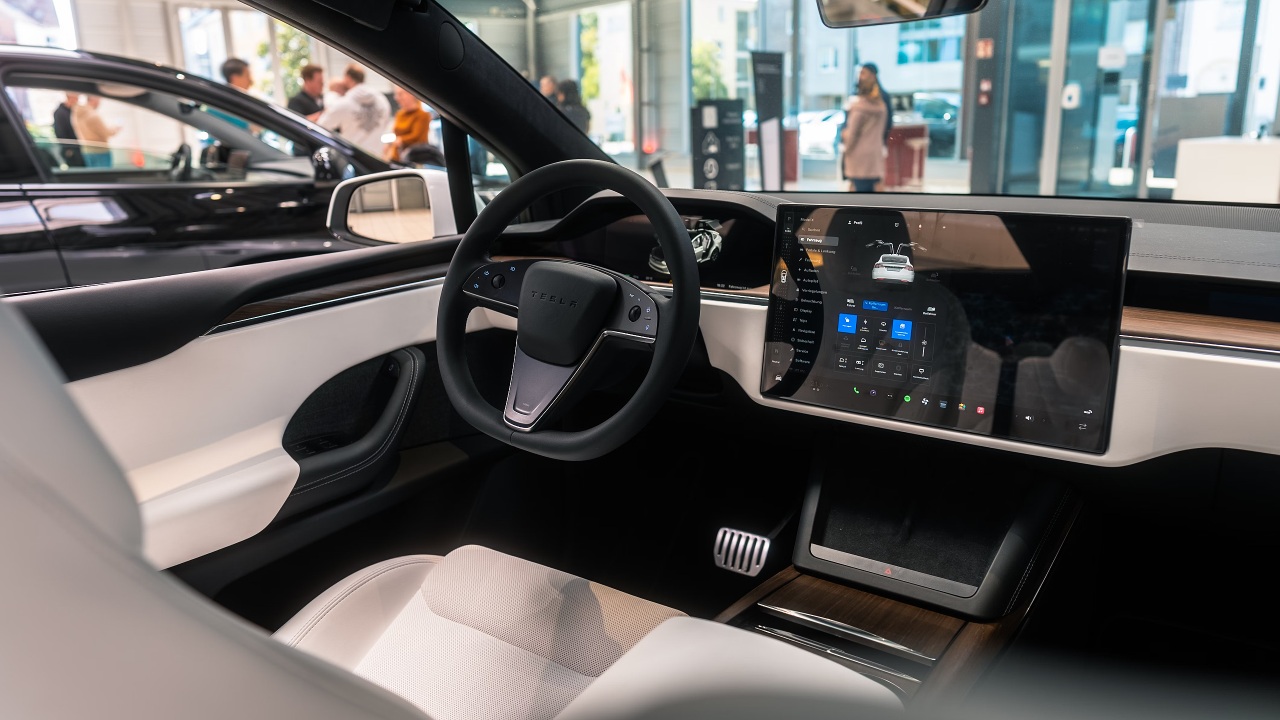
Predictive maintenance is another area where AI is making significant strides. In the 2022 Tesla Model S, AI-driven diagnostics can predict potential faults before they manifest as problems. By analyzing patterns and anomalies in sensor data, AI systems can alert drivers to issues such as battery degradation or brake wear long before they become critical. This proactive approach to maintenance not only enhances vehicle longevity but also boosts reliability, reducing the likelihood of unexpected breakdowns.
AI-driven diagnostics also streamline the repair process by providing precise insights into the root cause of issues. This ensures that mechanics can address problems quickly and accurately, minimizing downtime for the vehicle owner. As AI technology continues to develop, we can expect predictive maintenance to become a standard feature in modern vehicles, further enhancing the driving experience.
Customization and Personalization
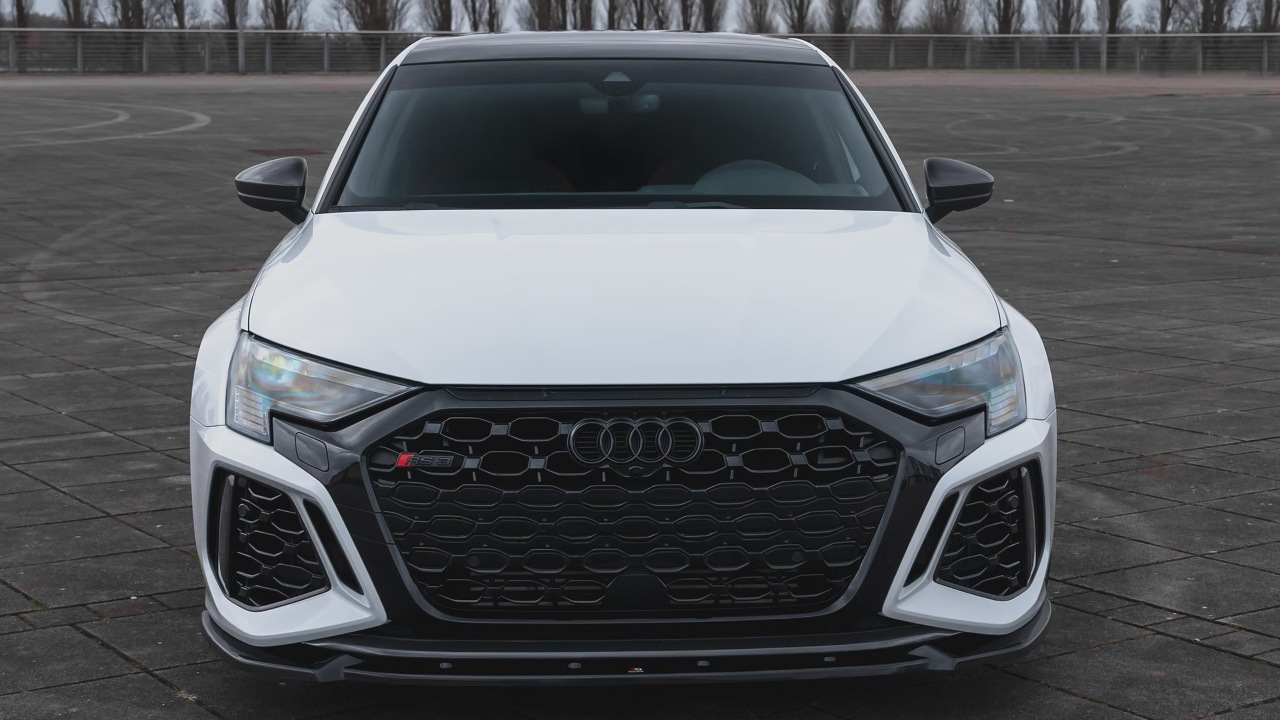
Adaptive Driving Profiles
Cars like the 2024 BMW 5 Series are incorporating adaptive driving profiles powered by AI to create personalized driving experiences. These systems learn from the driver’s habits, preferences, and styles to automatically adjust vehicle settings such as seat position, climate control, and even suspension stiffness. By continuously adapting to the driver’s behavior, AI ensures that each journey is tailored to individual preferences.
This level of personalization extends beyond just comfort. Adaptive profiles can also enhance safety by modifying driving assistance features based on the driver’s experience level. For example, a novice driver might receive more alerts and guidance, while an experienced driver might prefer less intervention. This ability to customize experiences makes driving more enjoyable and secure.
AI-Driven Aesthetic Modifications
AI is also making its mark on aesthetic modifications, offering drivers a new way to personalize their vehicles. AI systems can analyze data from social media, automotive forums, and design websites to propose modifications that align with both personal taste and popular styles.
With the integration of virtual reality, drivers can preview potential modifications before committing to them. By visualizing changes in real time, such as new paint colors, wheel designs, or body kits, drivers can make informed decisions about their car’s appearance. This combination of AI and virtual reality provides a powerful tool for those looking to personalize their vehicles without the risk of costly mistakes.
Safety and Regulatory Compliance

Enhanced Safety Features
AI technologies are crucial in enhancing vehicle safety through adaptive systems and real-time monitoring. In the 2026 Volvo XC90, AI-driven safety features such as collision avoidance and lane-keeping assist are becoming standard. These systems use machine learning to interpret data from cameras and sensors, enabling the vehicle to respond swiftly to potential hazards.
Advanced driver-assistance systems (ADAS) are also benefiting from AI’s capabilities, offering features like adaptive cruise control and automatic emergency braking. By continuously improving through AI, these systems can provide a safer driving experience by reducing human error and preventing accidents. As safety standards evolve, AI will undoubtedly play a pivotal role in meeting and exceeding these requirements.
Navigating Regulatory Challenges
The integration of AI in car tuning poses unique regulatory challenges that must be navigated carefully. As AI systems become more integral to vehicle operation, manufacturers like Honda with their 2024 Civic must ensure compliance with evolving safety standards and regulations. This requires a deep understanding of legal implications and proactive engagement with regulatory bodies.
Ensuring that AI-driven modifications and enhancements do not compromise safety is paramount. Manufacturers must work collaboratively with regulators to develop guidelines that address the complexities of AI in automotive technology. By doing so, they can ensure that innovations reach the market safely, benefiting consumers and advancing the industry as a whole.
Future Trends and Innovations
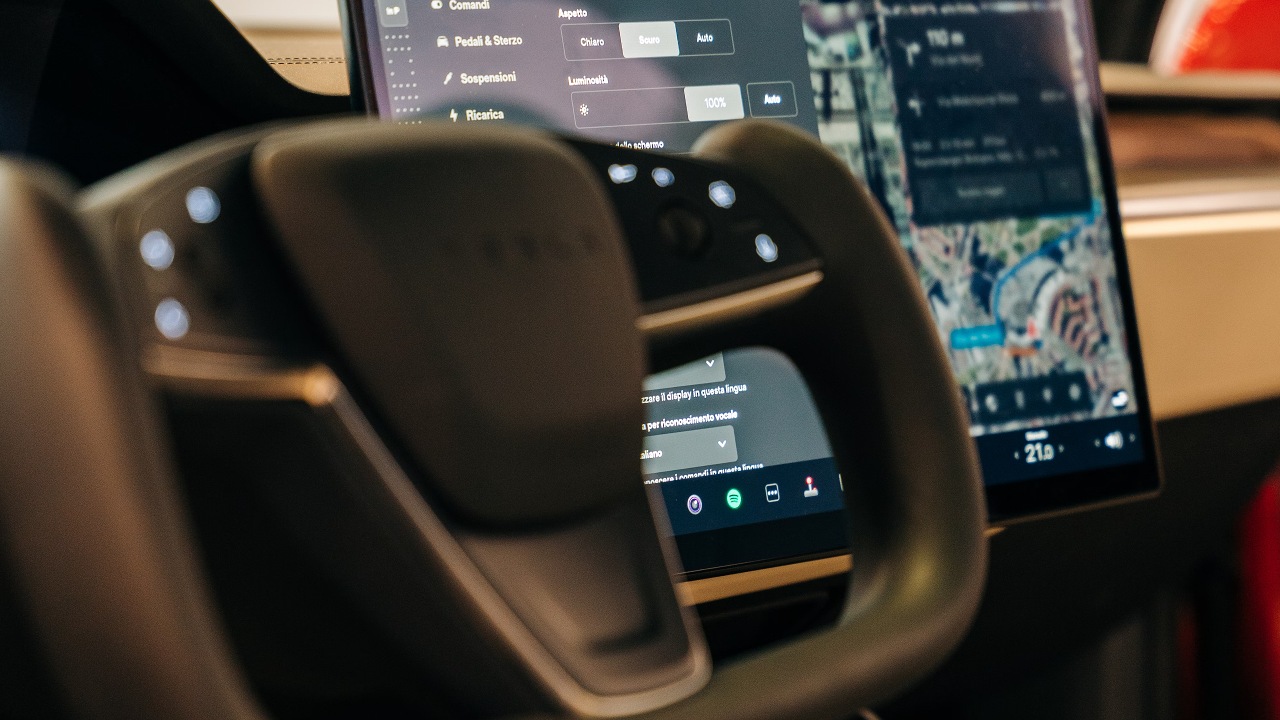
Integration with Autonomous Vehicles
AI-driven tuning technology is set to complement the development of autonomous vehicles. For example, in future car models, AI systems could enable self-tuning capabilities that adjust vehicle settings in response to environmental conditions. This would allow autonomous vehicles to optimize performance dynamically, enhancing efficiency and safety.
As self-driving technology advances, the integration of AI-driven tuning will be essential in creating vehicles that can adapt to a wide range of situations without human intervention. This innovation will not only improve the performance of autonomous cars but also pave the way for new possibilities in shared mobility and transportation infrastructure.
The Role of Machine Learning and Deep Learning
Machine learning and deep learning are at the core of the next wave of AI-driven innovations in car tuning. These advanced AI techniques enable systems to learn and improve over time, making them more effective and reliable. In the 2026 Mercedes-Benz EQS, for instance, deep learning algorithms might optimize energy management for electric vehicles, maximizing range and performance.
By leveraging the power of AI, the automotive industry can anticipate a future where car tuning is not just about enhancing performance but also about creating smarter, more adaptive vehicles. As AI technologies continue to evolve, they will undoubtedly lead to groundbreaking innovations that redefine how we interact with and experience our cars.