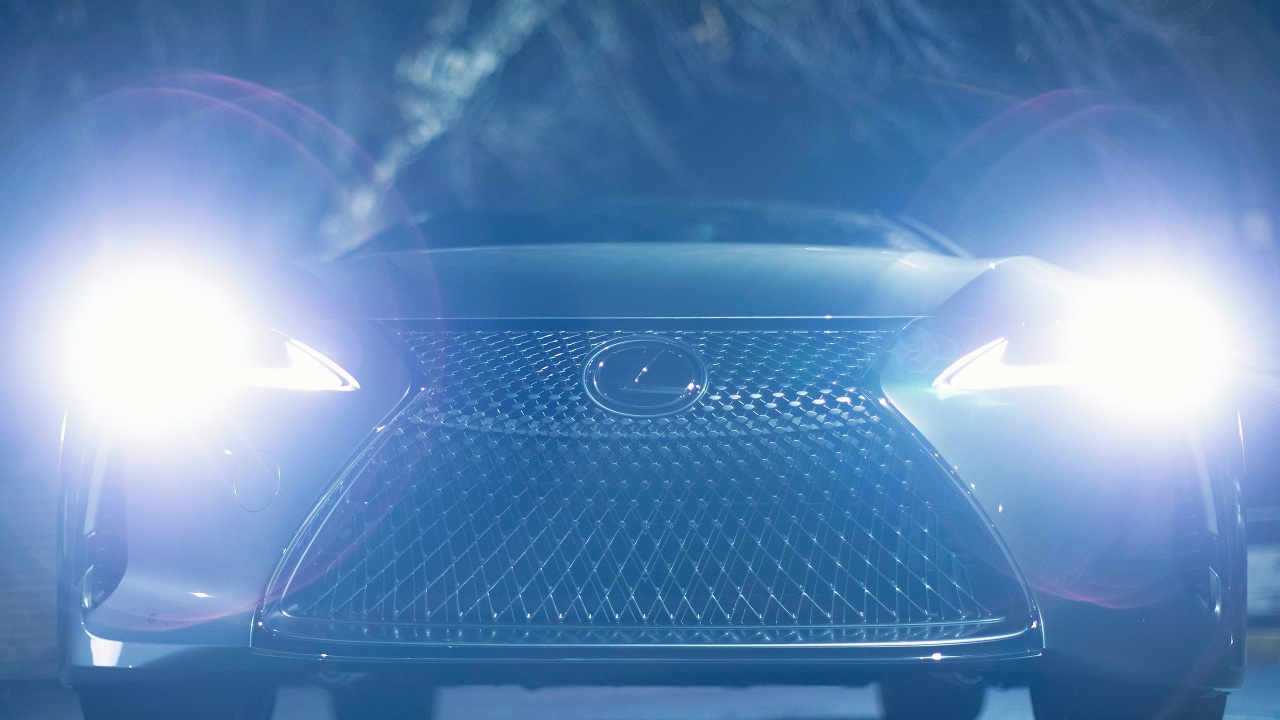
On paper, ultra-bright factory headlights promise safety, illuminating dark roads with a clarity that older halogen bulbs could never match. On real streets, however, the same technology is provoking a wave of complaints from drivers who find themselves squinting, looking away, and even momentarily losing sight of the lane ahead. The hidden cost of these dazzling beams is a growing tension between the driver who can see farther and everyone else who is suddenly struggling to see at all.
As carmakers race to market vehicles with crisp white LED and high-intensity lamps, regulators and safety experts are confronting a problem that is as much about human biology and road design as it is about raw brightness. The result is a night-time driving environment in which visibility is unevenly distributed, glare is increasingly common, and the promise of safer lighting is colliding with the reality of shared roads.
The human toll of glare on today’s roads
For the driver on the receiving end, the experience of being hit by an ultra-bright headlight beam is not a minor annoyance but a physical shock. Intense light bouncing off a rearview mirror can force a person to squint and look away, disrupting the simple act of tracking the lane ahead and reading the road surface. Some drivers describe the effect as distracting and disorienting, a moment in which their attention is pulled from steering and braking to the urgent task of protecting their eyes from a painful burst of light.
The impact is not evenly shared across the population. Road safety consultant Rob Heard has warned that glare is particularly punishing for older people, whose eyes can take about nine seconds to recover after being dazzled. In those nine seconds, a car traveling at highway speed can cover the length of several football fields while the driver’s vision is still compromised. Legal analyses of crash patterns note that headlights are sometimes contributing factors in collisions, especially when drivers fail to use them properly or aim them correctly, which compounds the risk created by already intense beams.
Why modern factory headlights feel harsher
The shift from warm halogen bulbs to cool white LED units has transformed the character of night driving. LED systems concentrate light into a tighter, more intense pattern that can appear piercing rather than diffuse, particularly when the beam is aimed even slightly too high. Technical assessments of these lamps point out that the problem is not only brightness but the way LED light is “too concentrated,” projecting a hard-edged beam that carries over a long distance instead of fading gently.
Color also matters. Discussions among engineers and drivers alike highlight that “Our eyes are hyper sensitive to blue light,” and that LEDs at the blue end of the spectrum, around 600 nanometers, can feel especially harsh. This bluish-white output is marketed as premium and closer to daylight, yet for oncoming traffic it can trigger more glare and discomfort than the yellower light of older systems. When that concentrated, blue-leaning beam hits a slightly rising or falling road surface, as one observer named Zeph has noted, the light can be redirected straight into opposing windshields, turning a design meant to improve visibility into a source of temporary blindness.
Design, aiming, and the myth that “it’s just brightness”
Automakers often defend modern headlights by pointing to laboratory measurements that show they fall within legal brightness limits. Specialists who study real-world glare, however, stress that the issue is more complex than a single lumen figure. Some experts argue that the shape of the beam, the height of the vehicle, and the precision of the aim are all critical factors in how blinding a headlight feels. When sedans or SUVs have improperly aimed headlights, even the smallest bump in the road can send the beam flicking directly into another driver’s eyes, a problem that online communities of motorists describe in vivid terms.
Technical explainers on LED systems reinforce that misalignment is a major culprit. They emphasize that “misaligned or improperly aimed headlights” can turn a compliant factory unit into a practical hazard, especially when combined with the stark cutoffs typical of LED projectors. Drivers who encounter these beams report that “They have stark cut offs in their range,” and that if a car is even slightly pointed up relative to them, the result is blinding. Safety advice now routinely includes simple steps such as having headlight aim checked during routine service and, for those who wear glasses, using anti-reflective coated lenses to reduce internal reflections from oncoming glare.
An American problem, shaped by regulation and vehicle trends
Complaints about blinding headlights are global, but several analyses argue that the issue is “mostly an American problem,” shaped by the country’s unique mix of regulations and vehicle preferences. In America, the closest drivers can currently get to sophisticated adaptive lighting are automatic high beams that switch on and off based on traffic, rather than the fully adaptive beam patterns already common in parts of Europe. America’s National Highway Traffic Safety Administration only finalized regulations for adaptive beam headlights after a decade of work, and even then, the technology has been slow to appear widely on the road.
At the same time, the American market has shifted heavily toward taller vehicles such as pickups and large SUVs, which naturally position their headlights higher than the eye line of drivers in smaller cars. Online discussions capture the frustration of motorists who find that “Truck fog lights are above my window belt line,” leaving them exposed to direct glare even when the other driver is technically using low beams. Regulatory reviews have also noted that headlight brightness has roughly doubled in a decade while some underlying standards have not changed for decades, creating a gap between what is allowed on paper and what feels safe in practice.
Safety gains for some, new risks for everyone else
Supporters of brighter factory headlights argue that they address a real safety problem. Analyses of crash data consistently show that driving at night is significantly more dangerous than driving during the day, even after adjusting for the smaller number of miles traveled after dark. From that perspective, giving the person behind the wheel more light and a longer view of the road seems like an obvious way to reduce risk, especially on unlit rural highways where animals, pedestrians, or stalled vehicles can appear suddenly.
Yet critics counter that the safety advantages for the driver with the bright lights may be outweighed by the dangers imposed on everyone else. Commenters such as Baker, who has lobbied Congress to examine the adverse impacts of modern headlights, argue that “There’s just way too much light now” and that “Nobody can see you” when your car is surrounded by a halo of glare. Legal practitioners who track injury claims related to night driving report that the glare from LED headlights can reduce visibility for pedestrians and cyclists, not only for oncoming drivers but also for those whose mirrors are flooded with light from behind. The result is a paradox in which a technology sold as a safety upgrade for individual owners may be degrading the collective safety of the road network.
More from Fast Lane Only