Modern cars arrive packed with technology that promises fewer crashes, lower emissions, and calmer commutes. Yet one of the first things many drivers do in a new vehicle is dive into the settings menu and silence a particular feature, only to wish later that they had left it alone. The tension between comfort and safety is reshaping how people use their cars, and the feature that most often gets switched off sits right at that fault line.
Across passenger cars and heavy trucks alike, lane keeping assistance has emerged as the system drivers are quickest to disable, even as evidence mounts that it can prevent serious collisions. The pattern reveals a deeper problem: when safety technology feels intrusive or confusing, people will work around it, sometimes at the expense of the very protection they paid for.
Why lane keeping assistance tops the “off” list
Lane keeping assistance is designed to nudge a vehicle back toward the center of its lane if it begins to drift, typically by applying gentle steering corrections or braking individual wheels. On paper, it is a straightforward way to reduce side-swipe and head-on crashes caused by inattention. In practice, many drivers experience it as a constant electronic backseat driver, buzzing the steering wheel or tugging at it when they feel perfectly in control. Research with Dutch truck drivers captures this frustration vividly, with one driver describing lane assist as “mega annoying” and admitting that he turns it off when he feels fit, only to find that it reactivates later in the day.
That irritation is not limited to professional drivers. Insurance data on passenger vehicles shows that lane departure alerts and related steering interventions are among the most frequently disabled safety features, often grouped with other systems that beep or flash in response to perceived risks. People report that the alerts feel excessive in dense traffic or on narrow roads, and some say they are embarrassed when passengers hear the car scolding them. The result is a paradox: a feature built to quietly guard against lapses in concentration is sidelined precisely because it calls attention to itself.
The safety record drivers rarely see
Behind the annoyance, there is a growing body of evidence that lane keeping systems work when they are allowed to do their job. Analyses of autonomous and semi-autonomous vehicles show that lane-keeping technology is generally reliable, particularly on highways where road markings are clear and traffic flows predictably. By continuously monitoring the vehicle’s position relative to lane lines, these systems can intervene before a momentary distraction turns into a drift toward oncoming traffic or a neighboring lane, reducing the risk of side-swipe accidents and head-on collisions.
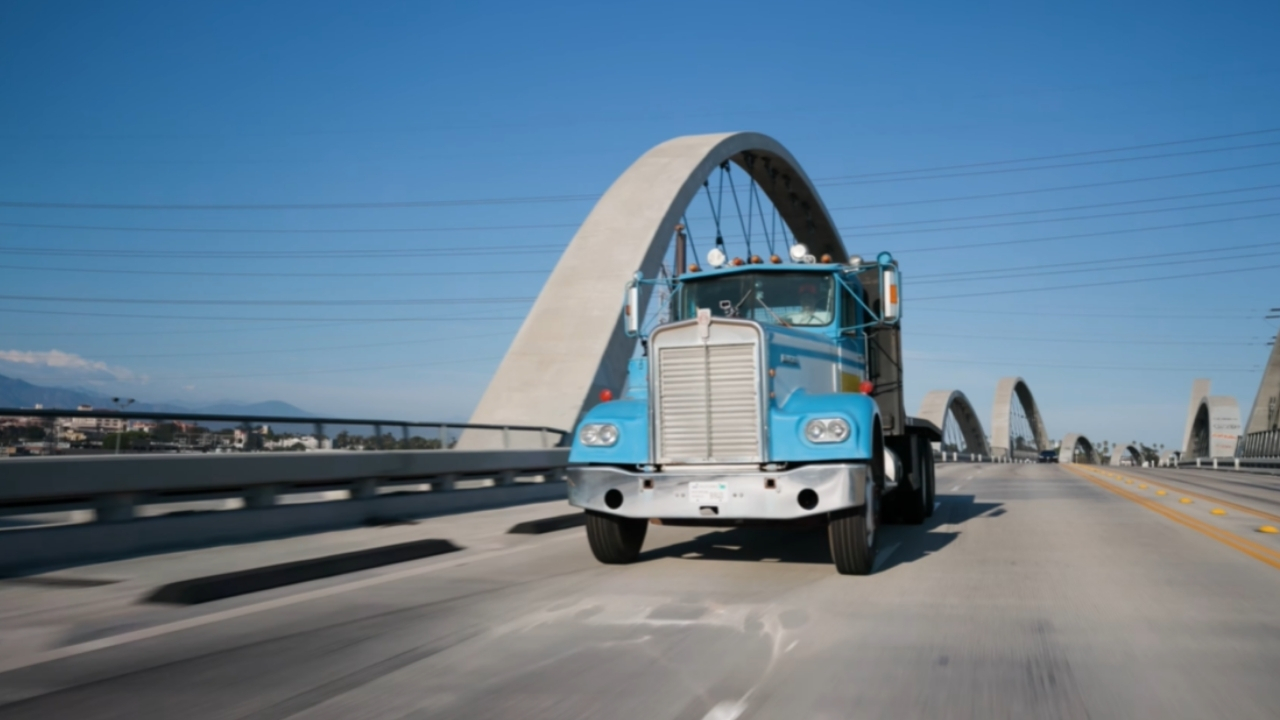
Heavy goods vehicles provide another window into the benefits. Safety packages for large trucks increasingly combine lane departure warnings with adaptive cruise control and collision mitigation, creating a suite of tools that monitor traffic flow and adjust speed while keeping the vehicle in its lane. Operators that have adopted these systems report a measurable impact, including a documented 17 percent decrease in HGV collision incidents when such technology is used consistently. For fleet managers, that reduction translates into fewer injuries, less downtime, and lower insurance costs, all tied in part to a feature that many individual drivers still view as optional.
Annoyance, distraction, and the social “ick” factor
If lane keeping assistance is so effective, why are drivers so eager to shut it off? Part of the answer lies in how the systems communicate. Many vehicles pair steering corrections with loud chimes, flashing icons, or steering wheel vibrations that can feel jarring, especially when they trigger frequently on winding roads or in construction zones. Surveys of motorists show that one in five Victorian drivers have switched off at least one safety feature because they found the alerts distracting, even though those systems were designed to prevent accidents and save lives. The constant feedback can feel less like a safety net and more like a running critique of every minor steering input.
There is also a social dimension. Insurance research into driver attitudes notes that people increasingly describe an “ick” factor when their car calls out their behavior in front of others, particularly friends or colleagues riding along. A lane departure beep that sounds during a casual lane change can be interpreted as a public rebuke, prompting some owners to dig through menus to silence it permanently. In that sense, the technology is colliding with pride and social perception: drivers want to appear competent, and a car that repeatedly signals corrections can undermine that image, even if the interventions are minor.
When turning systems off backfires
The regret often surfaces only after something goes wrong. Drivers who have disabled lane assist sometimes find themselves replaying near misses or minor collisions and wondering whether a gentle steering nudge might have made a difference. Studies of self-driving and driver-assistance crashes highlight that lane-keeping failures, while possible in poor weather or on poorly marked roads, are far less common than human lapses in attention. When a vehicle drifts across a center line during a momentary distraction, a functioning lane keeping system can be the last line of defense. Turning it off removes that safeguard, leaving the outcome entirely to human reflexes.
Professional drivers voice a similar ambivalence. The Dutch truck driver who called lane assist “mega annoying” also acknowledged that the system comes back on later in the day, a reminder that fatigue and changing conditions can erode even a confident driver’s abilities. Fleet safety programs increasingly emphasize that these tools are not a judgment on skill but a buffer against the realities of long shifts, complex traffic, and human error. When collisions do occur, post-incident reviews sometimes reveal that lane departure warnings or steering support had been disabled, raising uncomfortable questions about whether the crash might have been avoided if the technology had remained active.
Design, trust, and the path to better adoption
The pattern with lane keeping assistance points to a broader challenge in automotive design: safety features must be both effective and acceptable to the people who use them. Drivers are more likely to embrace systems that feel intuitive, offer clear benefits, and respect their sense of control. Some manufacturers have begun refining lane assist behavior so that interventions are smoother and alerts are less shrill, while still maintaining enough feedback to keep drivers engaged. Similar thinking is shaping other technologies, such as automatic engine stop-start systems that shut the engine off at red lights to save fuel. Explanations of how these systems are engineered to handle frequent restarts, and why they matter for emissions, can help reduce the instinctive urge to disable them.
Privacy and data use also influence trust. As vehicles collect more information about driver behavior and surroundings, companies are being urged to review their technology carefully so that cameras, sensors, and biometric tools do not inadvertently create new risks. Legal actions over biometric data have underscored that systems must be designed with clear boundaries and safeguards. When drivers believe that safety features are narrowly focused on protecting them, rather than harvesting unnecessary data, they are more likely to leave those systems active. The same principle applies to lane keeping assistance: transparent design, thoughtful alert strategies, and respect for driver autonomy can turn a feature that many now switch off first into one they quietly rely on, rather than one they later wish they had not silenced.
More from Fast Lane Only