When you hear a muscle car with a solid lifter cam, you know it. That crisp, mechanical tick at idle isn’t just for show—it’s a sign of serious performance under the hood. Solid lifters allowed engineers to run more aggressive cam profiles with better high-RPM stability, making these engines rev harder and hit peak horsepower where it counted. But as emissions tightened and buyers demanded more comfort than competition, solid lifter setups began to vanish.
This list highlights ten of the last muscle cars to keep that high-strung, solid-lifter attitude alive—right before regulations and insurance rates slammed the door shut.
1971 Chevrolet Camaro Z/28 LT-1
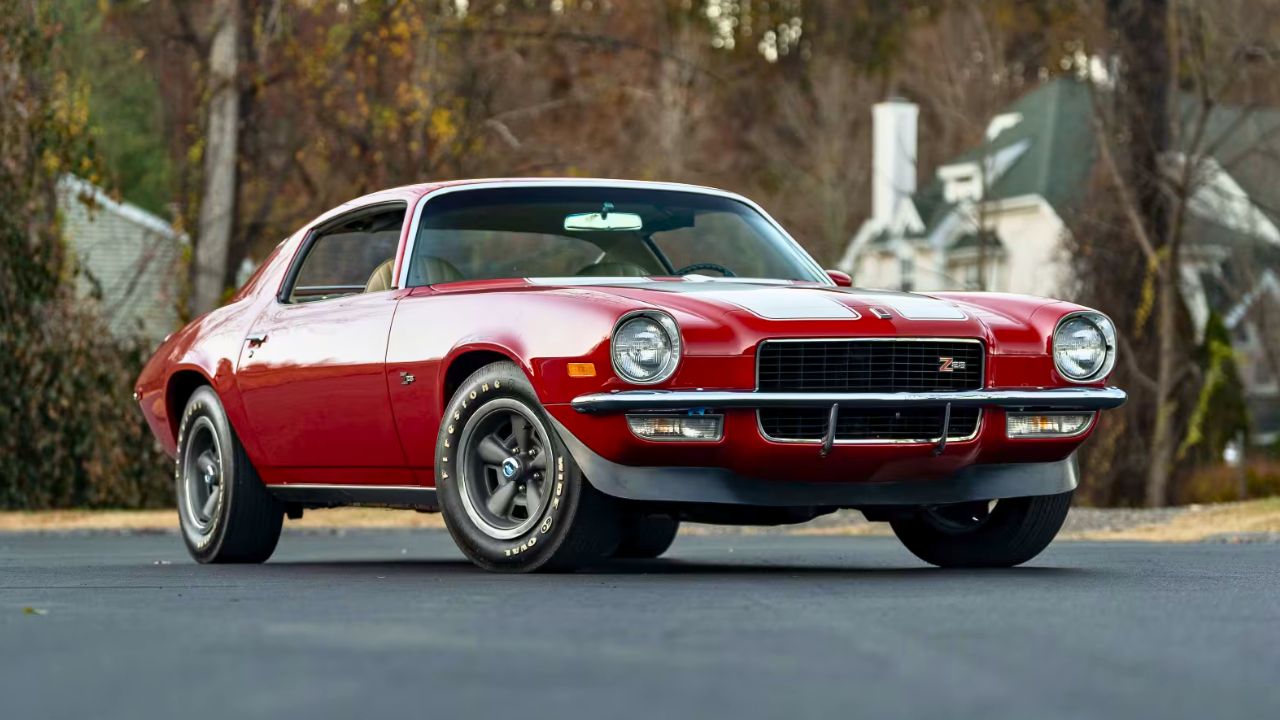
By 1971, the LT-1 350 was still alive and kicking in the Camaro Z/28, though emissions were already choking performance. This small-block V8 ran solid lifters and was rated at 330 hp and 360 lb-ft of torque, but those numbers were based on gross ratings. Net output was more conservative, but the engine still revved hard and sounded the part.
The Z/28’s Muncie 4-speed, 10-bolt rear, and tight suspension setup gave it serious road-course credibility. It was one of the last years you could buy a solid-lifter small block straight from Chevrolet before the hammer of regulations fell harder.
1972 Chevrolet Corvette LT-1

The LT-1 survived one more year in the Corvette before Chevrolet pulled the plug. It kept the solid lifters for ’72, but the output slipped to 255 net horsepower as GM transitioned to SAE net ratings. That didn’t mean the car was slow—especially with a curb weight under 3,300 pounds.
It was still a high-revving small-block that made all the right noises at redline. With optional 3.70 or 4.11 gears, the LT-1 Vette could hustle. It marked the end of the solid-lifter era for Corvette and is now a favorite among collectors for its unique place in the timeline.
1971 Chevrolet Chevelle SS 454 LS6
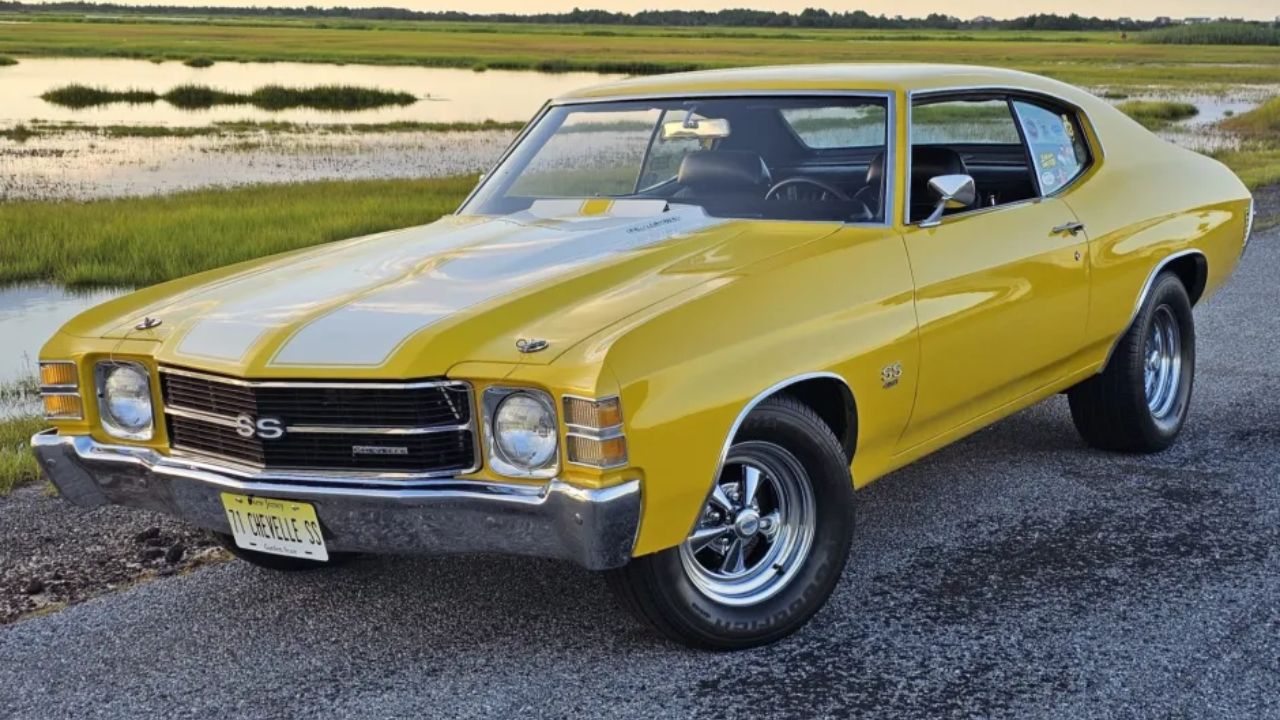
The LS6 returned briefly in 1971, but only in limited numbers. It still used solid lifters and was rated at 425 hp in 1970, though it dropped to 365 hp for 1971 using the net scale. The engine remained a thumping 454-cubic-inch V8 with a 780 cfm Holley and 11.25:1 compression.
This setup made the Chevelle a straight-line monster, even if the suspension wasn’t exactly cutting-edge. 1971 marked the last year for the LS6 and its solid-lifter camshaft, closing the book on one of the most aggressive street engines ever sold by Chevrolet.
1970 Pontiac GTO Ram Air IV
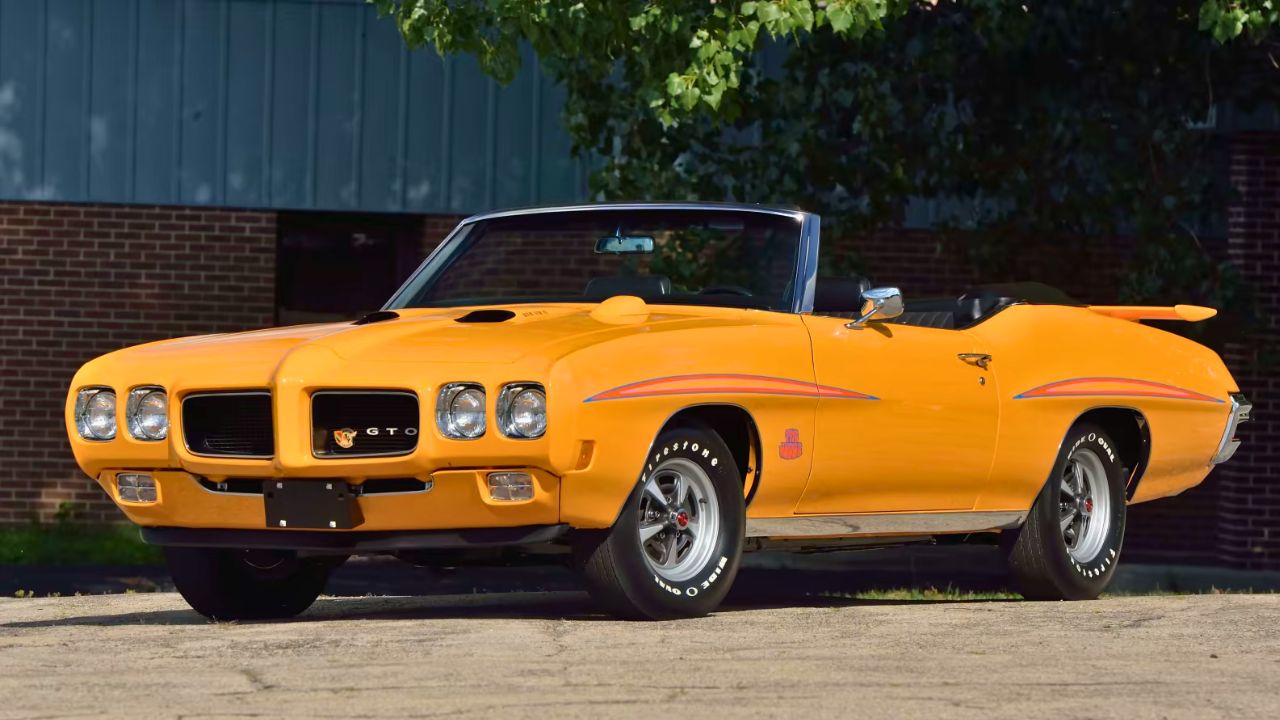
The Ram Air IV was Pontiac’s peak performance small-block-style V8—though it displaced 400 cubes. It featured round-port heads, an aluminum intake, and solid lifters pushing big cams. It was rated at 370 gross hp but likely made more.
By 1970, the RA IV was expensive and rare—only a small percentage of GTO buyers checked the box. Pontiac pulled the RA IV after ’70, making it one of the last muscle car engines from GM to still feature a solid-lifter valvetrain and race-worthy internals from the factory.
1971 Pontiac Firebird Trans Am 455 HO

The 455 HO in the 1971 Trans Am technically used a mix of parts from both the Ram Air IV and the new round-port 455. Despite hydraulic lifters in most 455 HOs, some early builds and development engines still used solid cams.
The solid-lifter setup, where present, delivered serious torque—over 480 lb-ft—and was tuned more for street brutality than high RPM performance. It was a transitional engine but represents one of Pontiac’s final flirtations with solid-lifter street power before fully embracing hydraulic lifters.
1970 Oldsmobile 442 W-30
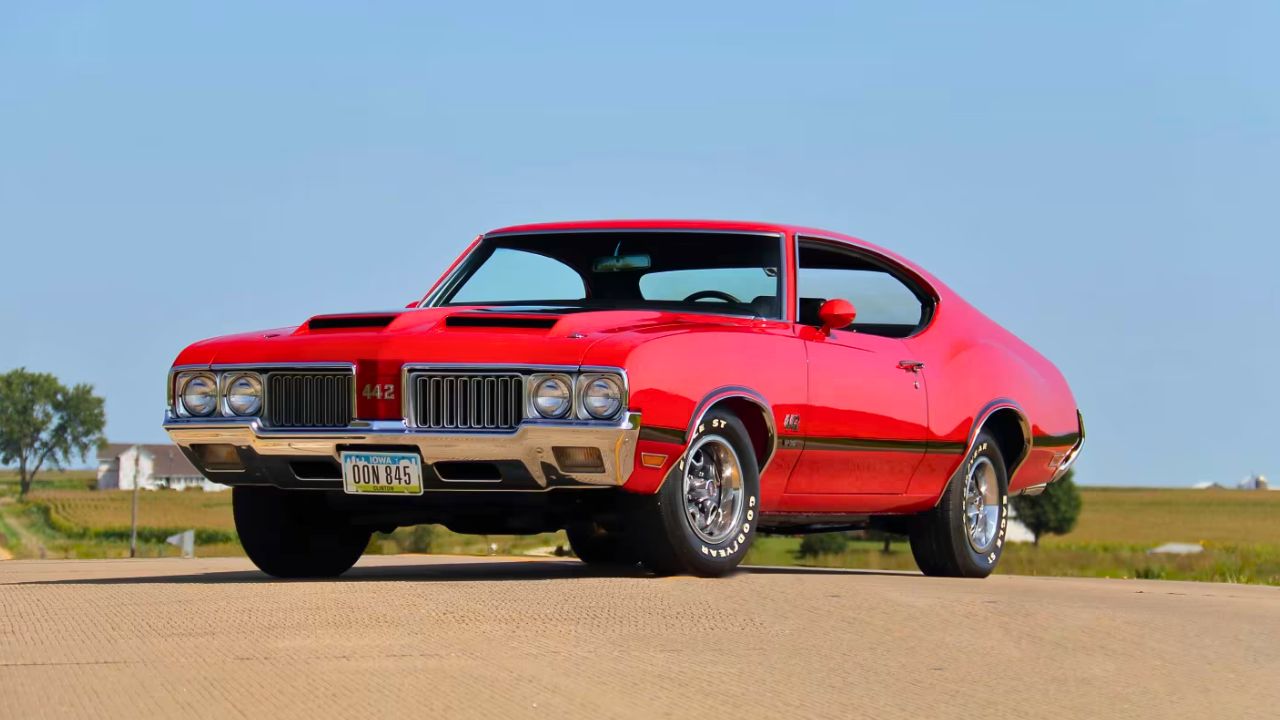
The W-30 package in 1970 brought Oldsmobile’s big guns: a 455 cubic-inch V8 with a special camshaft and factory aluminum intake. While the production cam was technically hydraulic, early development and dealer-prepped versions of the W-30 came with solid lifters for higher rpm capability.
It was rated at 370 hp and 500 lb-ft of torque, and with the optional 4.33 rear axle, the W-30 was surprisingly quick. This was Oldsmobile’s last real brush with solid-lifter tuning before the emission era softened its edge entirely.
1971 Dodge Challenger R/T 426 HEMI

The 426 HEMI lasted until 1971, and it never used anything but solid lifters. Chrysler knew the HEMI needed valvetrain stability at high rpm, and the solid cam delivered. It made 425 hp and 490 lb-ft, and was conservatively rated even then.
Available in the Challenger R/T and the ’Cuda, the HEMI option cost as much as a used car—but it made the Mopars nearly unbeatable at the strip. After ’71, the HEMI was dead, killed off by insurance hikes and EPA pressure. It took the solid-lifter cam with it.
1970 Plymouth Superbird 426 HEMI

Even though it was a one-year-only car, the Superbird stands out because it was one of the last to combine NASCAR aerodynamics with the factory HEMI. The 426 HEMI, again with solid lifters, gave the car track-tested horsepower and the durability to match.
Only 135 Superbirds were ordered with the HEMI, making them highly sought after today. The car was fast enough to push through the air and still run in the 13s on bias-ply tires. Solid lifters kept everything stable over 6,000 rpm—critical for a car that lived at full throttle.
1971 Chevrolet Nova SS 350 LT-1

The 1971 Nova SS with the LT-1 350 was rare but real. Chevrolet offered the high-winding small-block with a solid-lifter cam, forged internals, and 11:1 compression. It was a sleeper—a compact body with real Corvette-level power.
It made the Nova lighter and more nimble than its Chevelle sibling while keeping the rawness of the solid-lifter LT-1 engine. Only a handful were made, and by 1972, the LT-1 was done across the board. This version of the Nova quietly marked the end of a certain kind of factory-built muscle.
1970 Yenko Deuce Nova
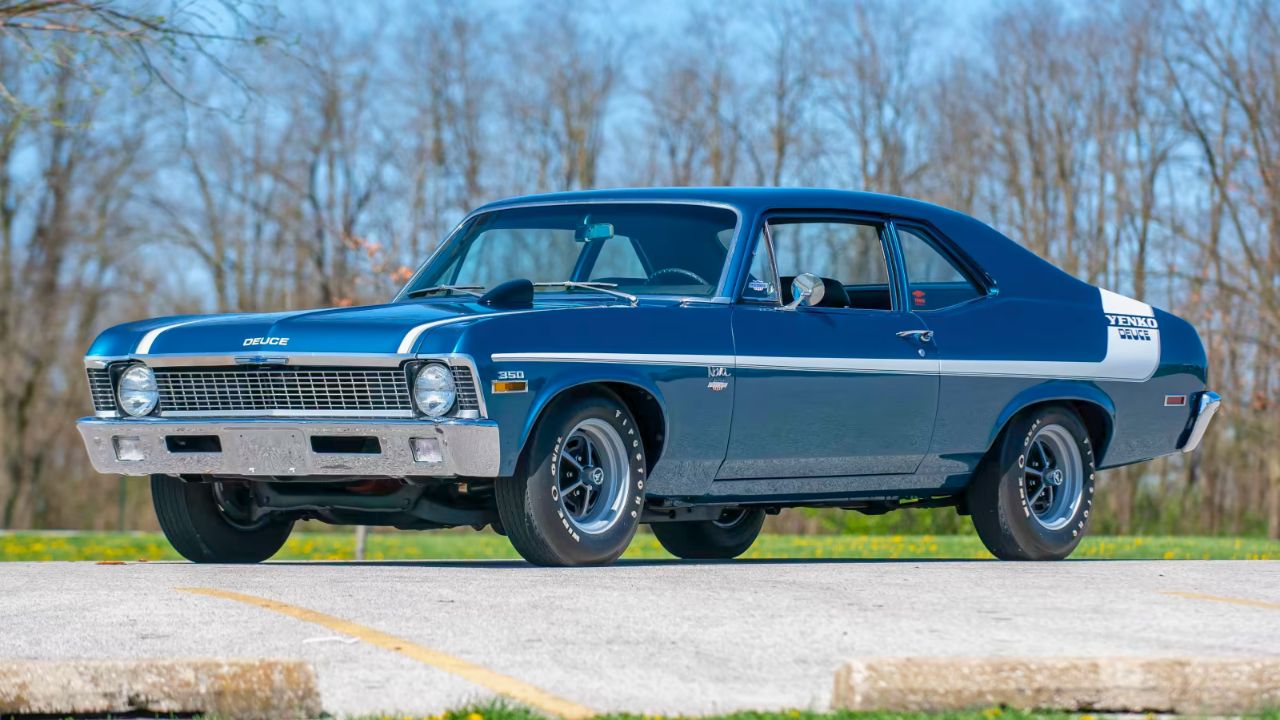
Don Yenko built the Deuce Nova using the solid-lifter LT-1 engine, giving it factory-rated 360 horsepower and a screaming redline north of 6,000 rpm. These cars were COPO-ordered and came with heavy-duty cooling, F41 suspension, and a Muncie 4-speed.
Unlike earlier big-block Yenkos, the Deuce was lighter and better-balanced. The solid-lifter LT-1 made it track-worthy out of the box. Only 175 were built, and it was the last of Yenko’s muscle cars to feature a solid-lifter setup before emissions and insurance ended the fun.
Like Fast Lane Only’s content? Be sure to follow us.
Here’s more from us:
*Created with AI assistance and editor review.