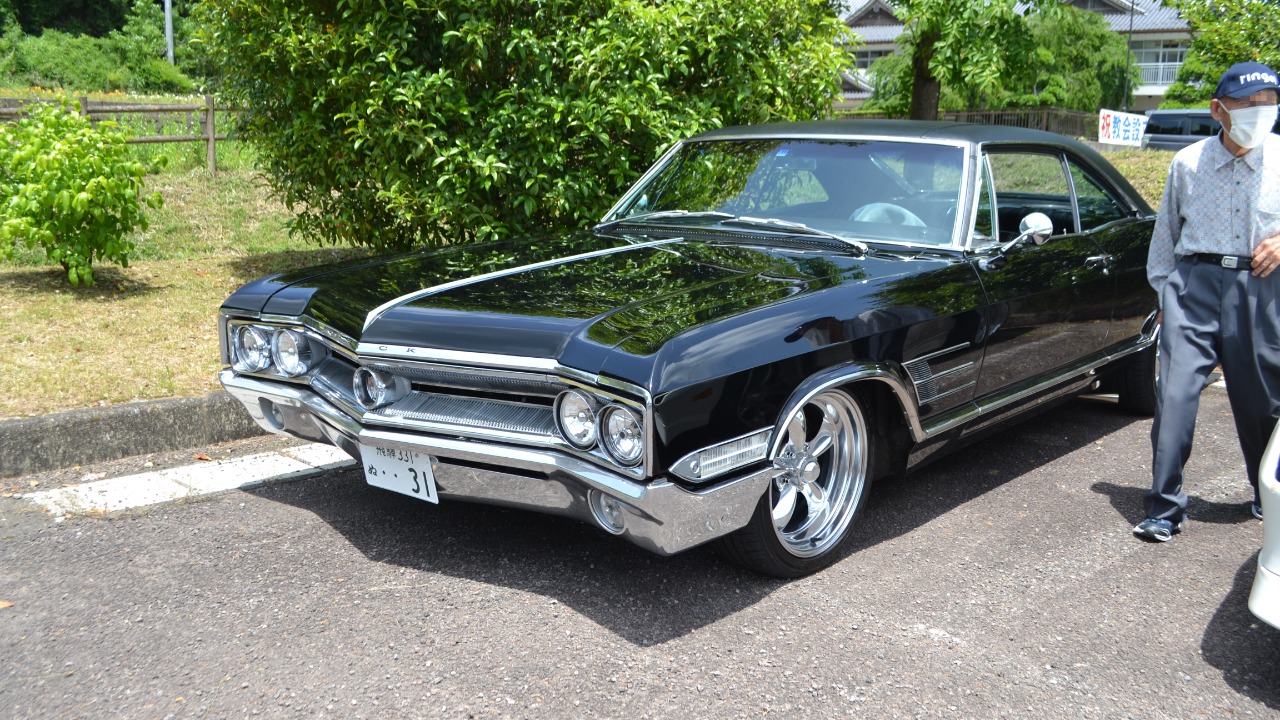
The Buick Wildcat, an iconic American automobile known for its bold design and performance, mysteriously vanished from the market for decades. This exploration of the little-known reasons behind its disappearance also sheds light on the cultural significance it held during its prime, a period marked by innovation, style, and fierce competition in the automotive industry.
The Rise of the Buick Wildcat
The Buick Wildcat made its debut in 1963 as a prototype and later became a production vehicle by 1964. It was designed to capture the spirit of the American muscle car era, a time when performance and aesthetics converged to create vehicles that were not only fast but also visually striking. The Wildcat was characterized by its long hood, short rear deck, and a wide stance, which gave it a commanding presence on the road. Under the hood, it boasted powerful V8 engines that appealed to speed enthusiasts and solidified its status among the muscle car elite.
Key features that contributed to the Wildcat’s popularity included its luxurious interior, innovative technology, and cutting-edge design elements. For instance, the 1966 model offered optional air conditioning, power windows, and an advanced stereo system, making it a comfortable ride for drivers and passengers alike. The marketing strategies employed by Buick further solidified the Wildcat’s reputation; television commercials and print ads showcased the car’s performance and elegance, often featuring it in glamorous settings that appealed to the aspirational middle class of the time.
Market Changes in the Automotive Industry
The 1970s brought significant shifts in consumer preferences, particularly as the oil crisis hit in 1973, leading to skyrocketing fuel prices. Suddenly, the American appetite for gas-guzzling muscle cars began to wane. Consumers increasingly sought smaller, more fuel-efficient vehicles, which resulted in a dramatic decline in sales for traditional muscle cars like the Wildcat. This shift in priorities was not merely a trend, but a response to economic realities that changed how people viewed automobile ownership.
Economic factors, including the recession of the mid-1970s, further compounded this change. Car manufacturers faced rising production costs and a shrinking market for larger vehicles. As foreign automakers like Toyota and Honda began to capture market share with their compact, fuel-efficient models, American carmakers struggled to adapt. The competition from these foreign brands accelerated the decline of classic American models, including the Wildcat, which was ultimately phased out in 1970 after its last production run.
Corporate Strategies and Decisions
Buick’s corporate restructuring during the late 1970s and 1980s marked a pivotal point in the company’s history. Faced with declining sales and a changing market landscape, Buick shifted its focus towards smaller, more economical vehicles. Internal decisions led to the phasing out of the Wildcat nameplate, as Buick sought to streamline its offerings and concentrate on models that would resonate with consumers in a more budget-conscious era.
The impact of General Motors’ overarching strategy during this time further complicated the Wildcat’s fate. GM’s focus on developing the Chevrolet and Pontiac brands, which were perceived as more sport-oriented, overshadowed Buick’s traditional luxury market. By the time the Wildcat was officially discontinued, Buick had already begun to reposition itself as a brand synonymous with comfort and reliability rather than performance and speed. This strategic shift ultimately left the Wildcat as a relic of a bygone era in American automotive history.
Cultural Impact and Nostalgia
The Buick Wildcat’s legacy extends beyond its specifications and sales figures; it occupies a unique niche in American car culture. The Wildcat has been featured in various films and media, often depicted as a symbol of freedom and the open road. Movies from the 1960s and 1970s showcased the Wildcat as a desirable vehicle, ingraining it into the cultural fabric of the time. Its sleek lines and powerful presence made it a favorite among car enthusiasts and collectors, even long after its production ceased.
Nostalgia for classic cars, including the Wildcat, has fueled a resurgence of interest in vintage models. Car shows and exhibitions often feature the Wildcat prominently, drawing crowds eager to reminisce about the golden age of American muscle cars. Additionally, car clubs dedicated to the preservation of classic vehicles have played a vital role in maintaining the Wildcat’s memory. These clubs not only organize events but also foster a community of enthusiasts who share a passion for the history and craftsmanship of vehicles like the Wildcat.
Rebirth of the Wildcat: Recent Developments
In recent years, the automotive landscape has seen a revival of interest in classic nameplates, and the Buick Wildcat is no exception. In 2022, General Motors announced plans to reintroduce the Wildcat as an electric vehicle concept, signaling a significant shift towards sustainable automotive innovation while paying homage to its storied past. This decision was influenced by a combination of market trends favoring electric vehicles and a recognition of the Wildcat’s nostalgic value.
The modern iteration of the Wildcat is designed to draw inspiration from its predecessors while incorporating contemporary design elements and advanced technology. The new model features sleek, aerodynamic lines and an updated interior equipped with the latest infotainment systems. This blend of classic aesthetics and modern functionality aims to appeal to a new generation of consumers who value both performance and sustainability in their vehicles.
Consumer reception to the revival has been largely positive, with many car enthusiasts expressing excitement over the return of the Wildcat name. Early prototypes and concept images have sparked discussions across various automotive forums and social media platforms, suggesting that the Wildcat could once again become a household name in the automotive industry. The market performance of the new Wildcat will ultimately determine whether it can recapture the magic of its predecessors while navigating the challenges of a rapidly evolving automotive landscape.
More from Fast Lane Only
- Unboxing the WWII Jeep in a Crate
- 15 rare Chevys collectors are quietly buying
- 10 underrated V8s still worth hunting down
- Police notice this before you even roll window down
*Research for this article included AI assistance, with all final content reviewed by human editors.