Farm trucks have always been expected to work hard, but a few models changed what owners expected from a pickup. With greater durability, improved hauling capability, and dependable engineering, these trucks helped redefine life on the farm and left a lasting impact on the industry.
Ford F-100
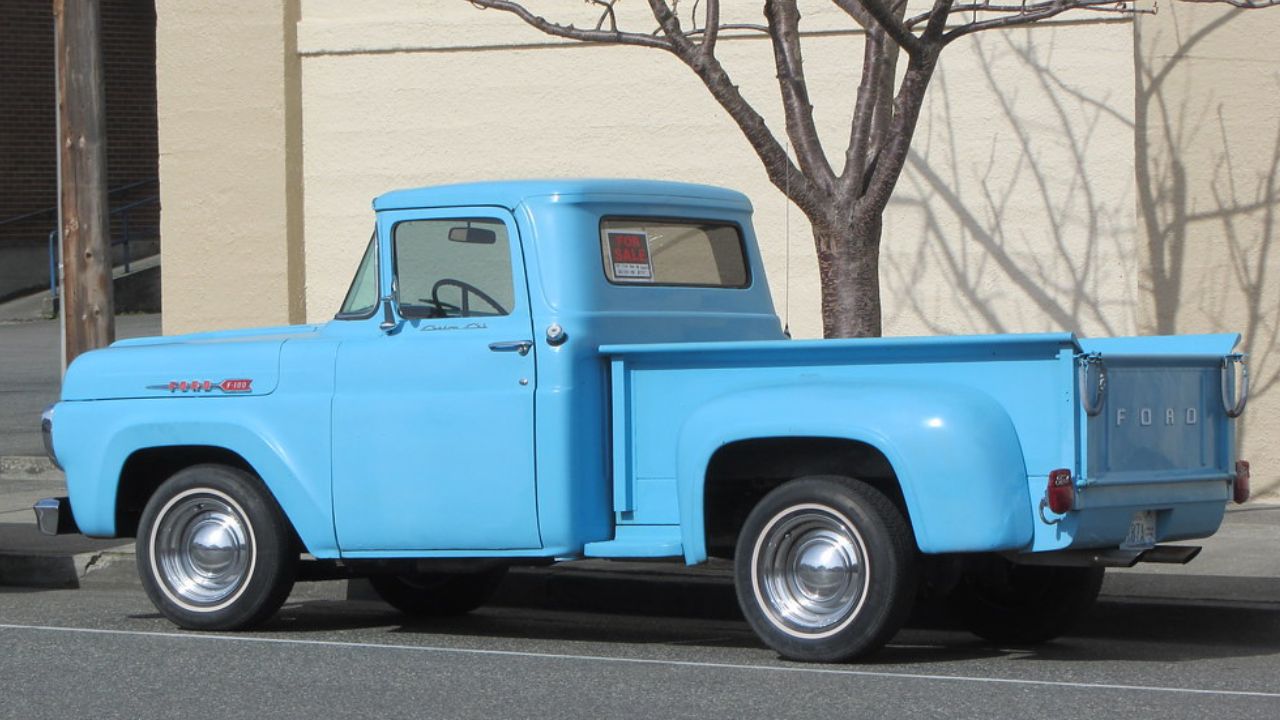
The Ford F-100 combined dependable engines with a rugged chassis that made it a favorite on farms across America. Its durability and easy maintenance allowed it to handle daily chores for decades. Many restored examples are still working today.
Chevrolet C10
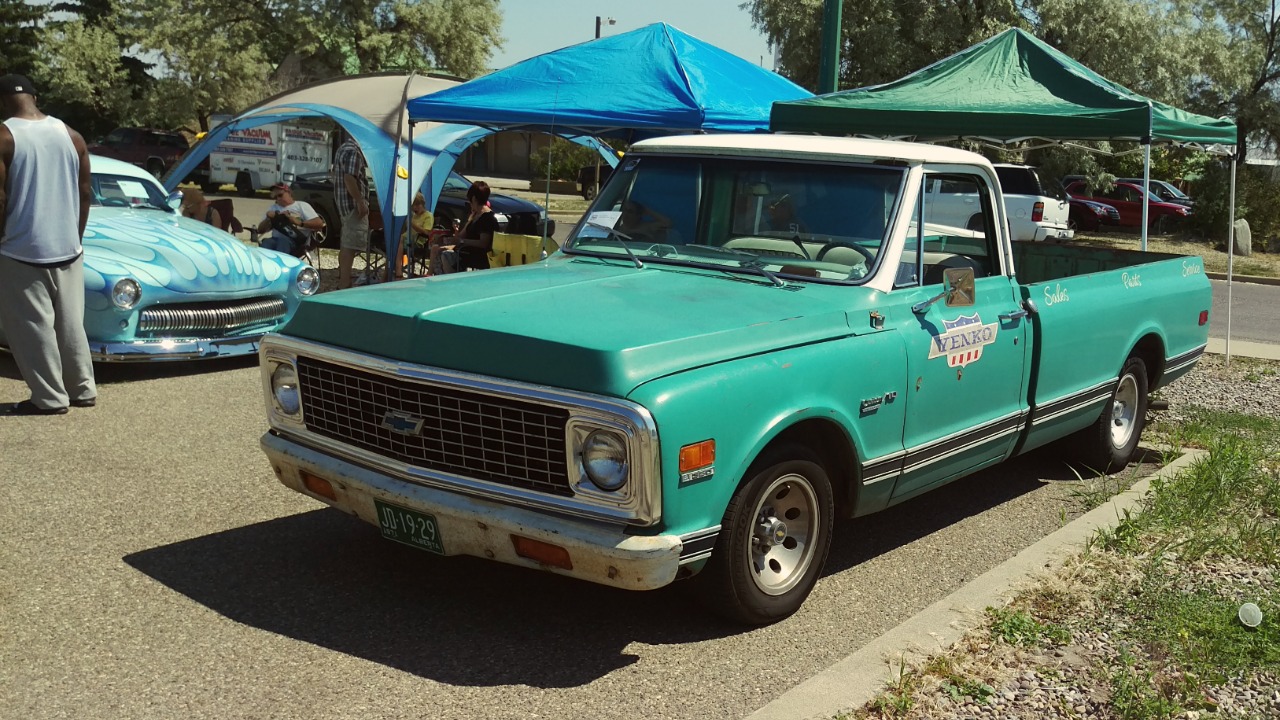
The Chevrolet C10 introduced a smoother ride without sacrificing the toughness farmers needed. Its reliable inline-six and V8 engines made it a dependable workhorse. It became one of the most successful farm trucks of its era.
Dodge D-Series

The Dodge D-Series earned a reputation for rugged construction and dependable V8 power. Built to haul heavy loads and withstand years of demanding work, it became a trusted companion on farms throughout North America.
International Harvester C-Series
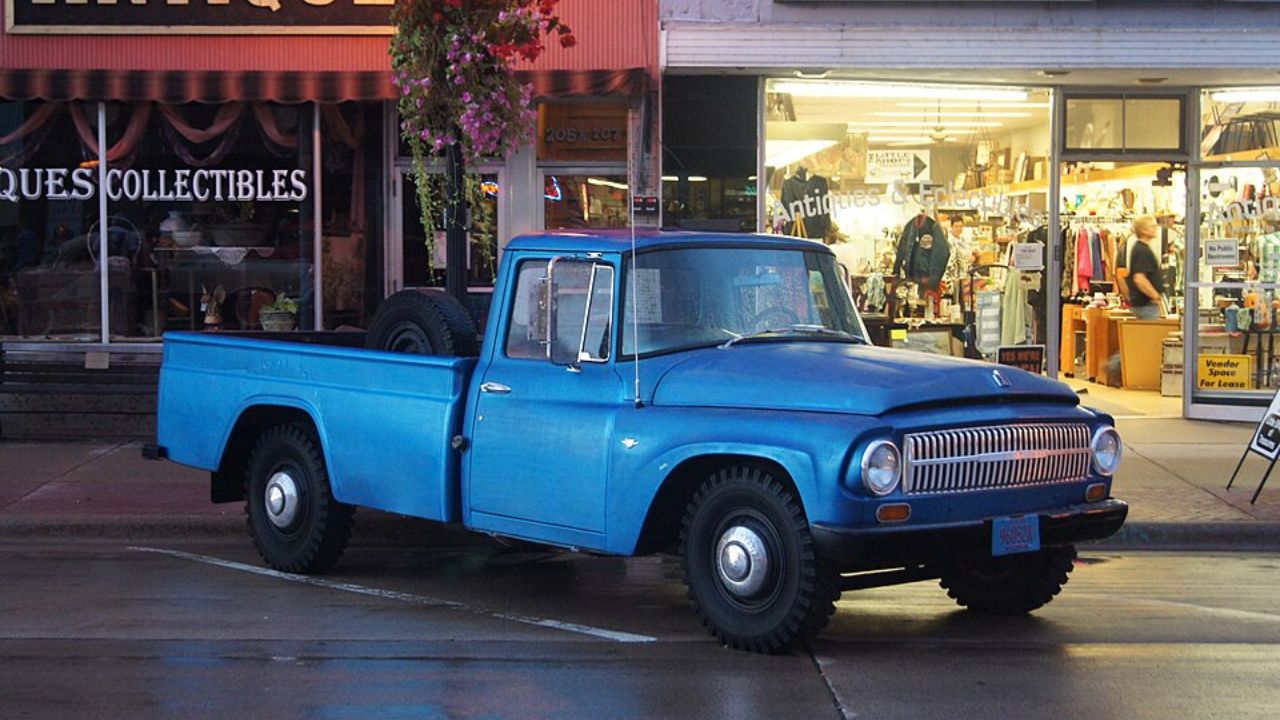
The International Harvester C-Series was designed with farming in mind, offering strong frames and dependable engines for hauling equipment and supplies. Its durability helped many remain in service long after newer trucks arrived.
Ford F-250
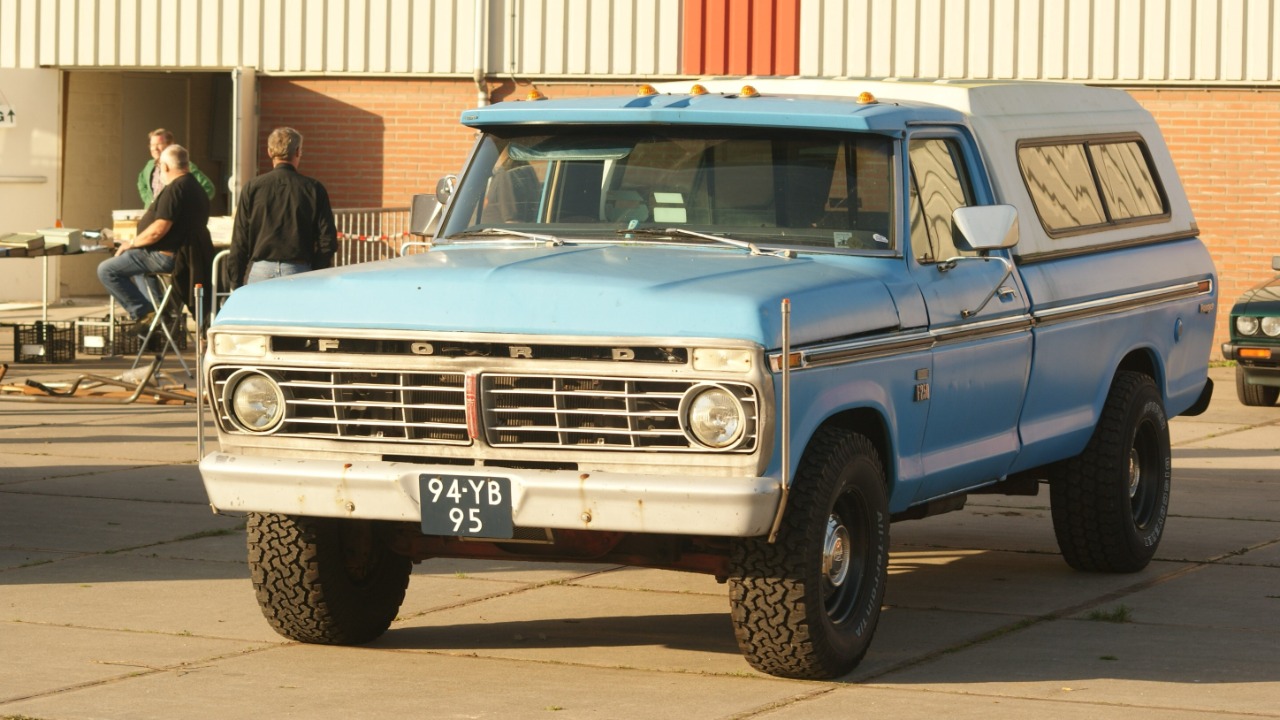
The Ford F-250 brought heavy-duty capability to farms with stronger suspensions, higher payload ratings, and durable engine options. It became a preferred choice for towing trailers and transporting livestock.
Chevrolet 3100

The Chevrolet 3100 earned widespread respect for its dependable performance and practical design. Its simple mechanical layout made repairs easy, allowing countless examples to serve farms for generations.
GMC Sierra Classic
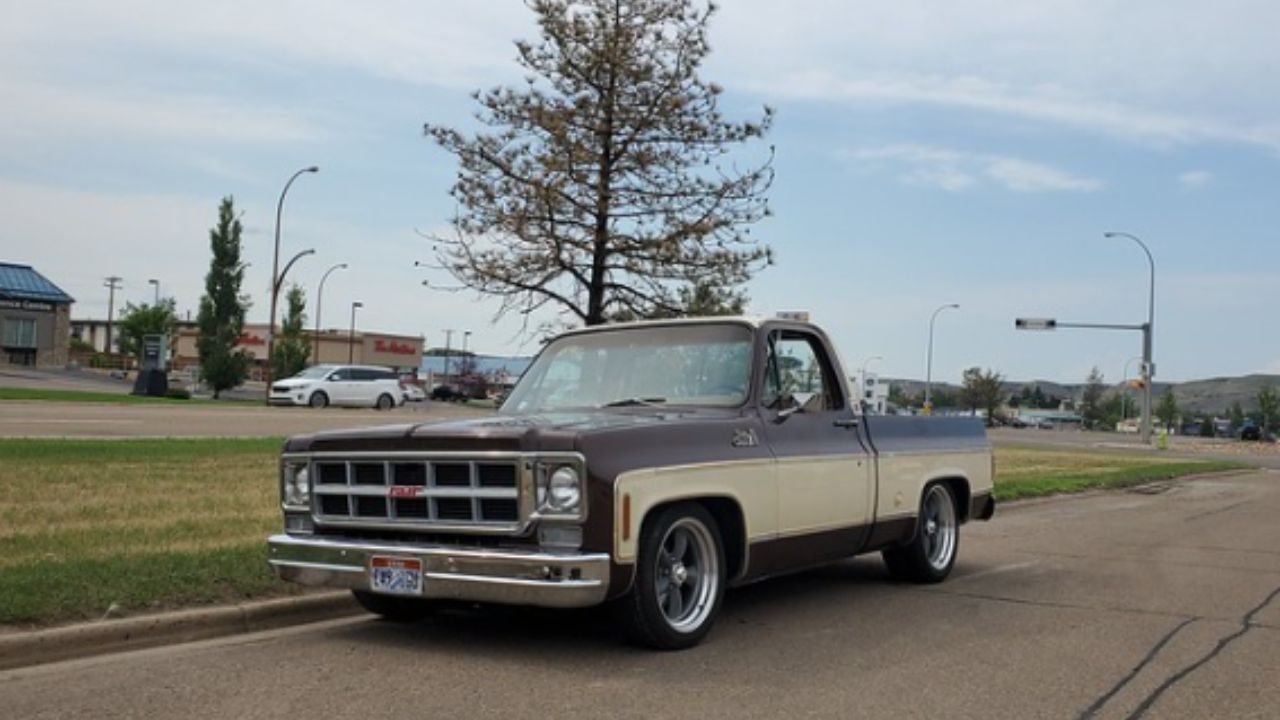
The GMC Sierra Classic combined rugged construction with dependable V8 engines, making it well suited for demanding agricultural work. Its durability and comfortable ride earned it a loyal following among farmers.
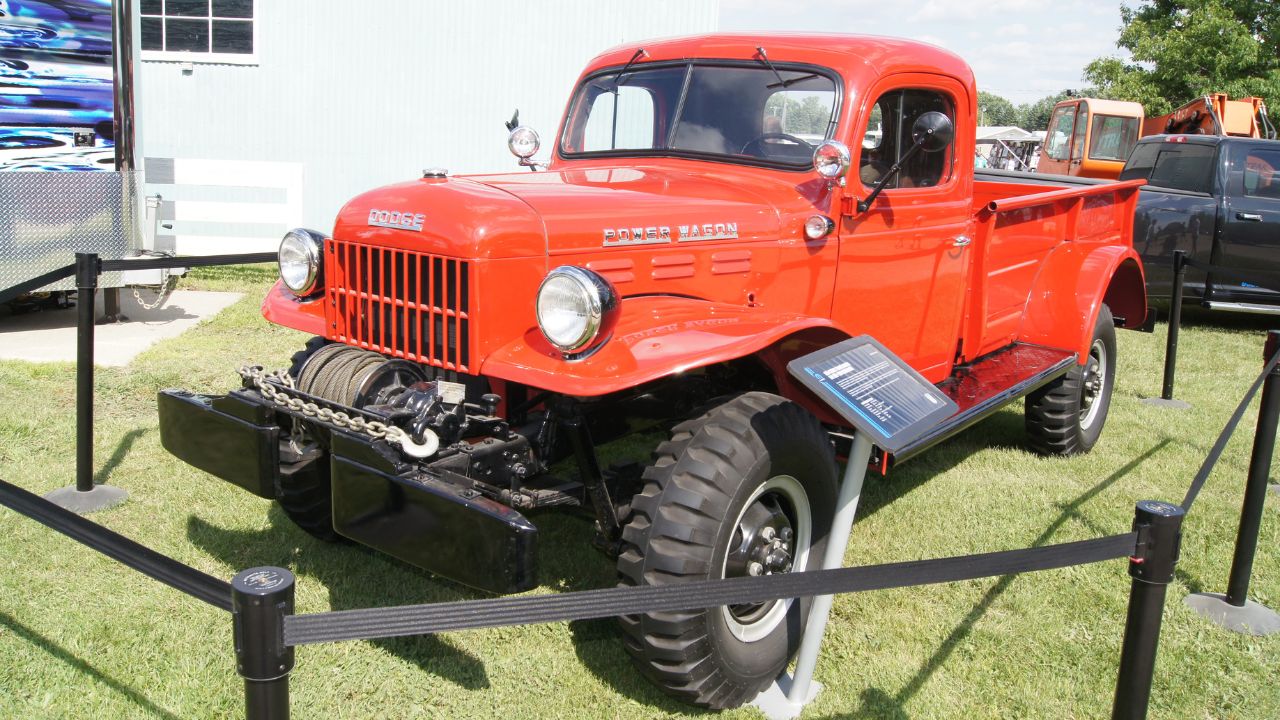
Dodge Power Wagon
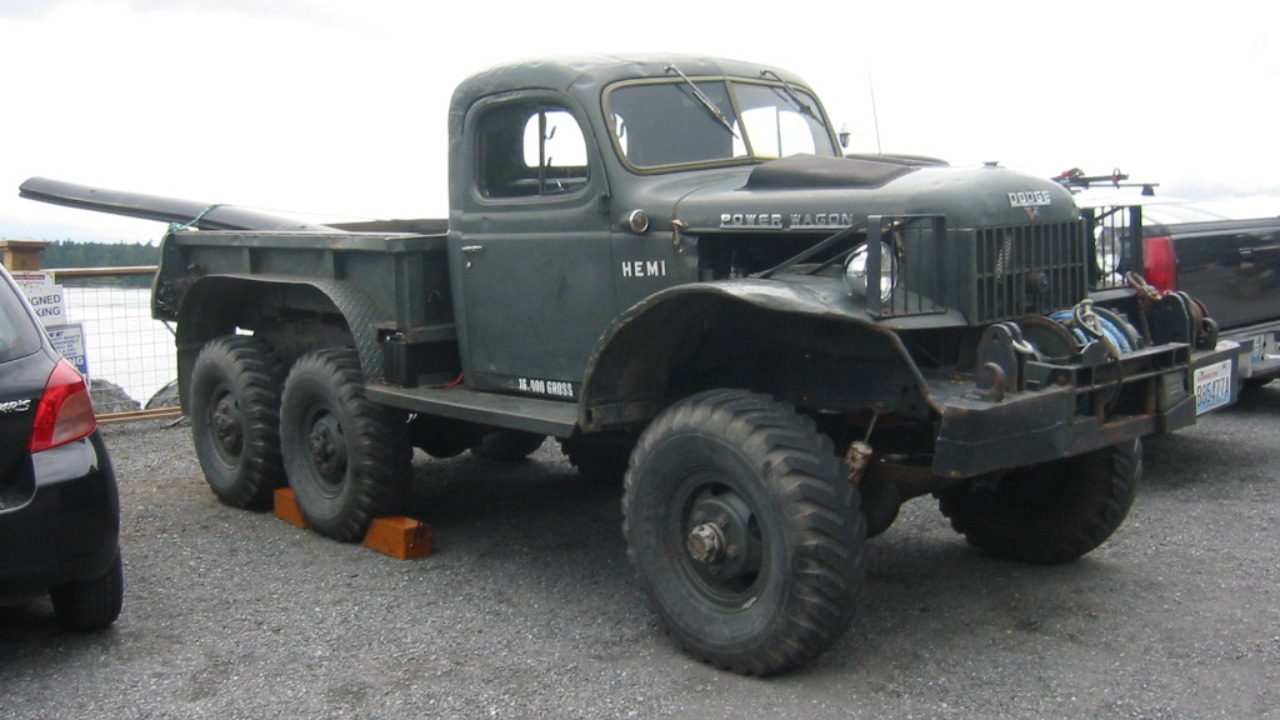
The Dodge Power Wagon introduced factory four-wheel drive to a civilian pickup, allowing farmers to reach remote fields and muddy terrain with confidence. Its unmatched off-road capability made it a true game changer.
Toyota Hilux
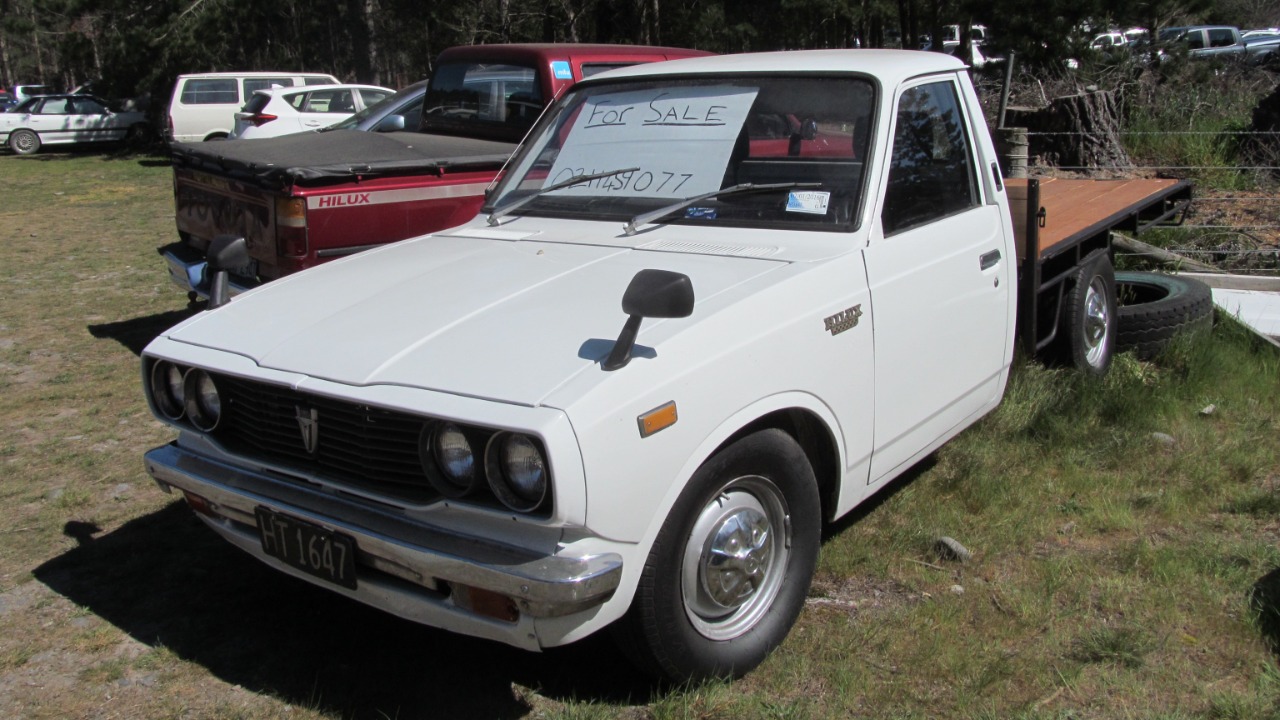
The Toyota Hilux became famous for its outstanding reliability and ability to withstand harsh working conditions. Lightweight yet incredibly durable, it earned the trust of farmers around the world.
Ford Model TT
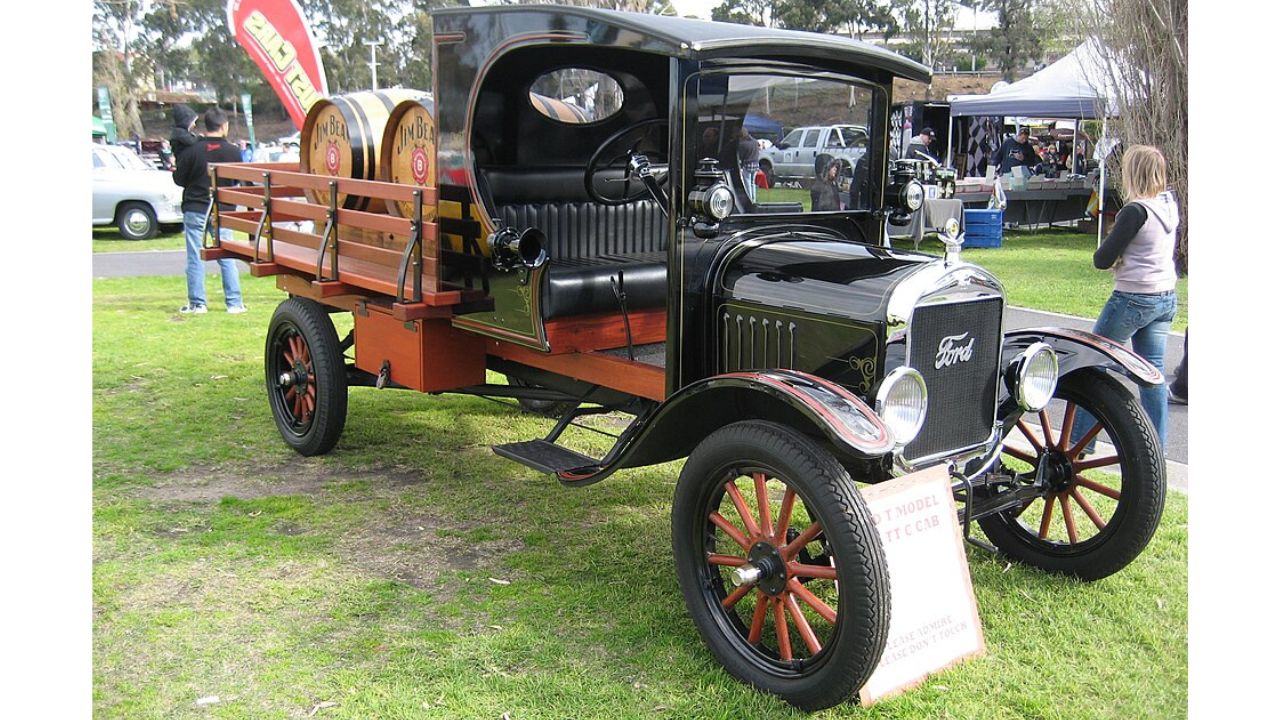
The Ford Model TT was one of the first trucks built specifically for commercial and agricultural use. Its rugged design gave farmers an affordable alternative to horse-drawn wagons and helped modernize rural transportation.
Chevrolet Apache
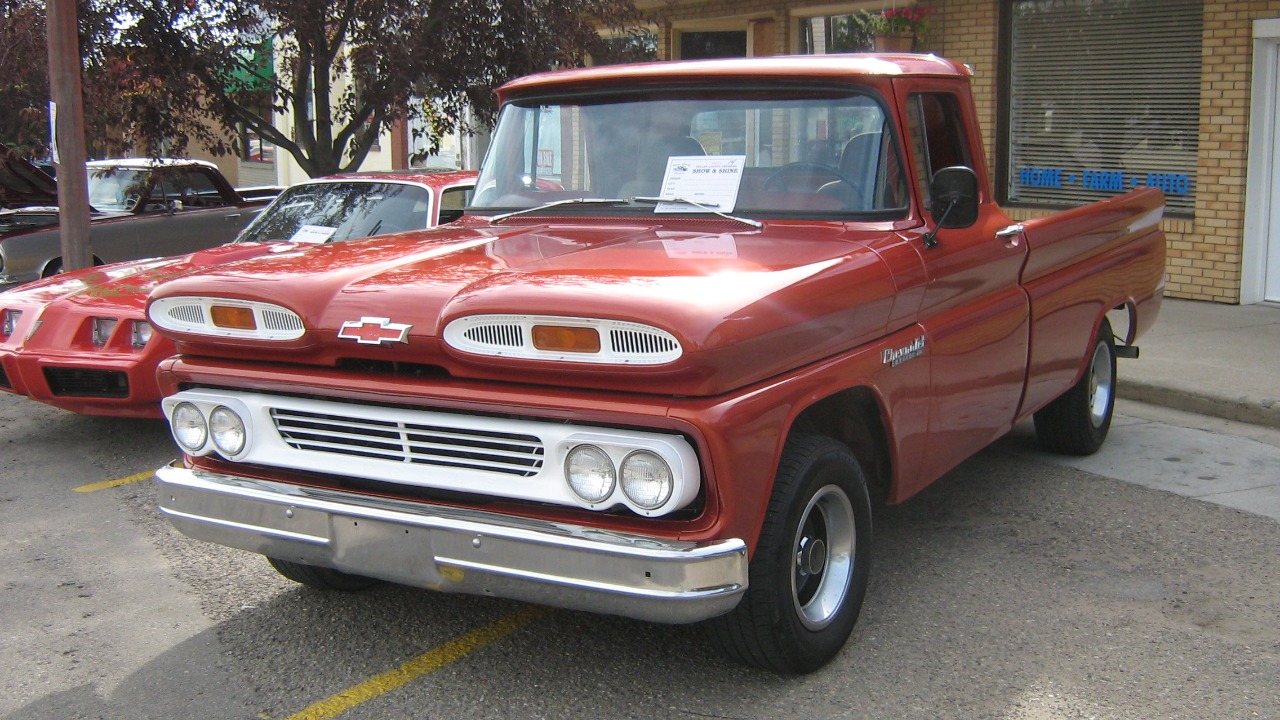
The Chevrolet Apache combined stylish looks with dependable hauling ability, proving that a work truck could also offer improved comfort and modern features. It became a favorite on farms while helping shape the future of Chevrolet pickups.
More from Fast Lane Only
- Unboxing the WWII Jeep in a Crate
- 15 rare Chevys collectors are quietly buying
- 10 underrated V8s still worth hunting down
- Police notice this before you even roll window down
*Research for this article included AI assistance, with all final content reviewed by human editors