The Toyota 2JZ-GTE has become shorthand for indestructible power, a straight-six that kept pulling harder even as tuners doubled and tripled its factory output. In an era when many turbo engines feel fragile beyond mild upgrades, this iron-block legend survived dyno sessions, street abuse, and half-mile runs at power levels that would scatter lesser hardware. Its story is not only about big numbers, but about how smart engineering and careful tuning turned a modest Japanese inline-six into a foundation for four-figure horsepower.
Tracing how the 2JZ-GTE behaved in extreme builds helps explain why it still commands respect long after the last fourth-generation Supra left the showroom. The engine did not simply tolerate more boost; it kept its composure when pushed far beyond what its designers could publicly claim, and it did so repeatedly in street cars, drag machines, and wild engine swaps.
What happened
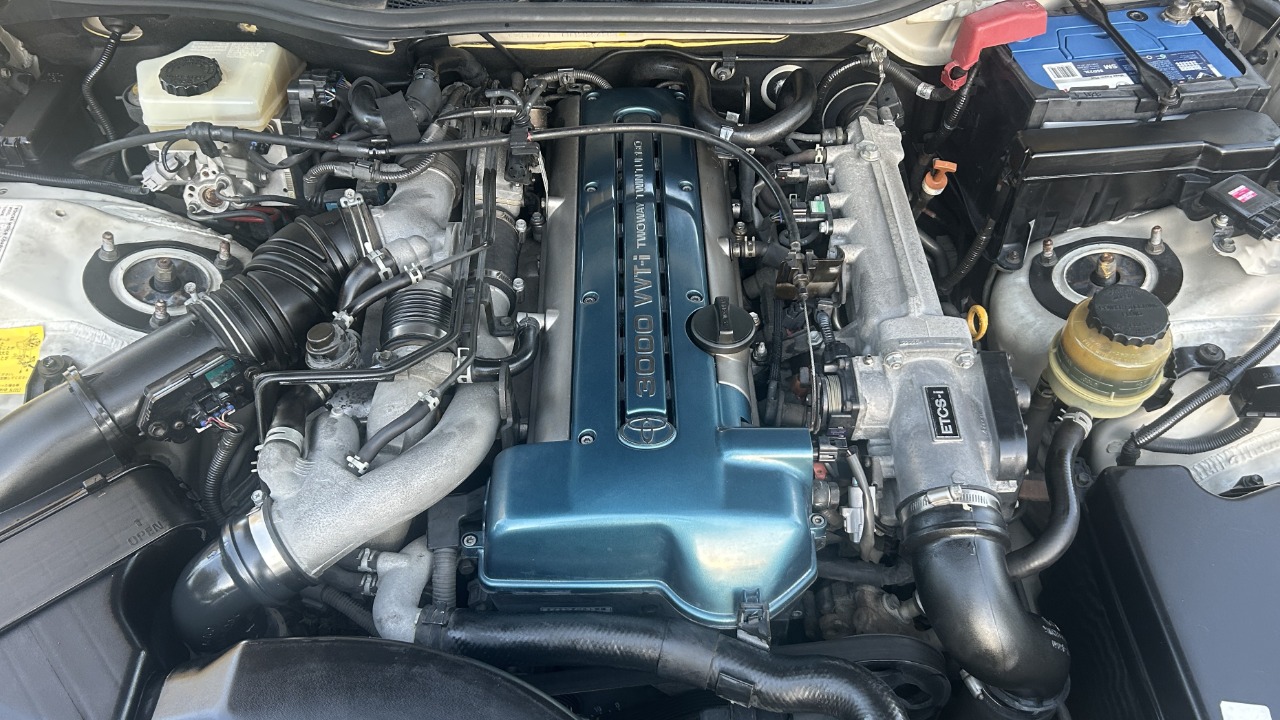
Toyota introduced the 2JZ-GTE in the 1990s as a 3.0-liter, twin-turbocharged inline-six with a cast-iron block, aluminum head, and factory output that varied by market. In Japanese-market form it was limited by the domestic horsepower agreement, while export versions in the fourth-generation Supra produced higher advertised power. Even in stock trim, tuners quickly found that the engine responded dramatically to more boost and freer-flowing intake and exhaust parts. What surprised many was how far it could go before anything inside needed to change.
Enthusiasts soon began pushing the factory long block to roughly double its original output with little more than upgraded fuel systems, bigger turbos, and careful engine management. Builds that reached into the 600 to 800 horsepower range on untouched internals became almost routine among experienced tuners. The iron block, stout crankshaft, and generous bearing surfaces helped the engine tolerate cylinder pressures that would have overwhelmed lighter designs. The factory oiling system and cooling passages, while not perfect, coped well enough that many of these cars remained street driven.
As confidence grew, builders moved from high-power street cars to dedicated drag and top-speed projects. Single-turbo conversions replaced the original sequential twin-turbo layout, trading low-end response for massive airflow at high rpm. With forged pistons, aftermarket rods, and strengthened valvetrain components, the same basic architecture supported four-figure horsepower in professional builds. Drag Supras and swapped chassis regularly crossed the 1,000 horsepower threshold, and some competition-focused engines climbed well beyond that on race fuel or alcohol blends.
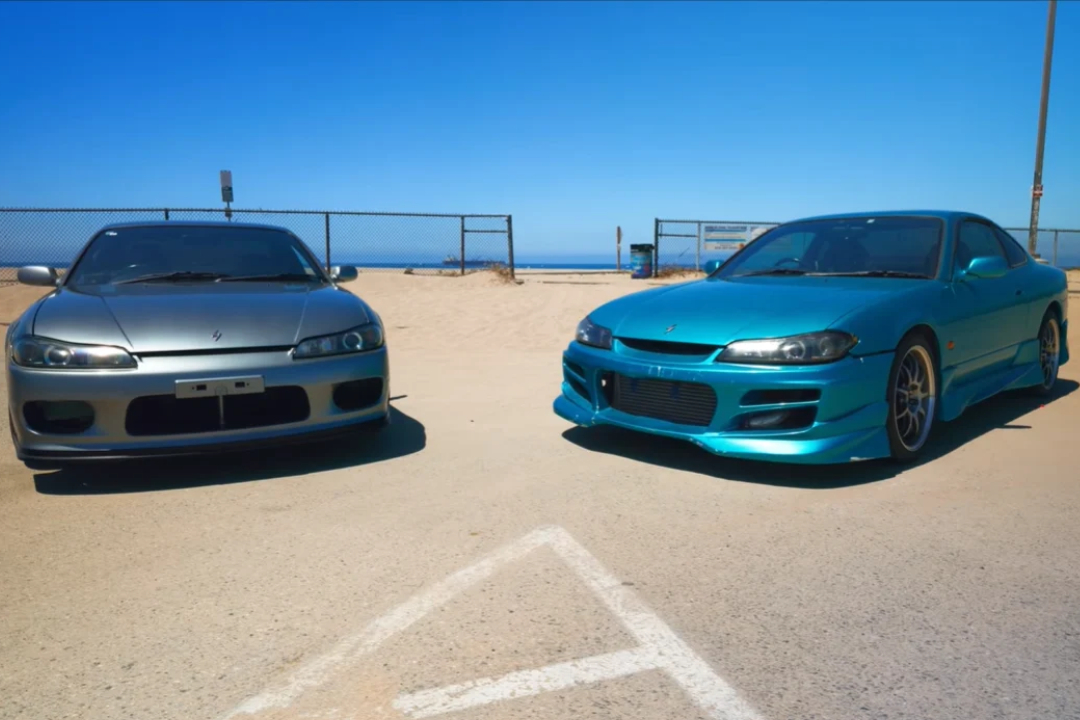
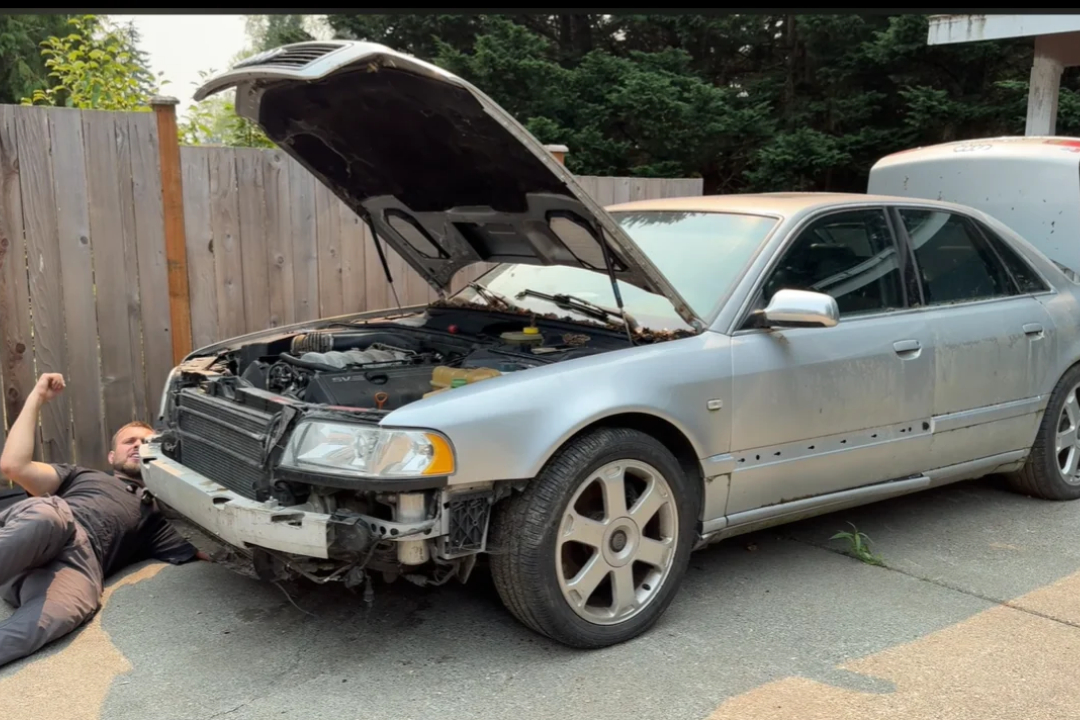
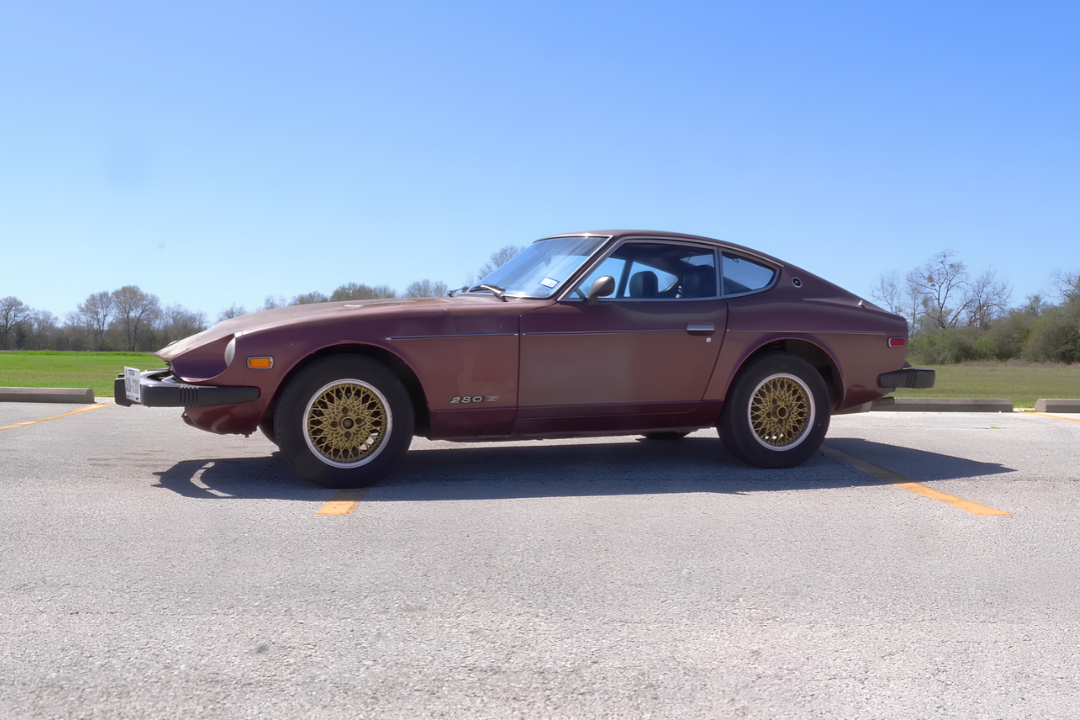
The engine’s reputation did not stay confined to the Supra. Tuners began transplanting the 2JZ-GTE into a wide variety of platforms that needed reliable power. Swaps into older Toyota chassis, such as the Cressida and Corolla, were followed by more ambitious projects that placed the straight-six into European coupes, American muscle cars, and even offbeat platforms. A collection of standout conversions highlighted how builders shoehorned the engine into cars as varied as a vintage BMW, a Nissan S-chassis, and a domestic pony car, all chasing the same mix of strength and tuning potential that defined the Supra crowd. One survey of standout projects showcased ten favorite 2JZ swaps that captured this migration.
On the dyno and at the track, the pattern repeated. Once the fuel system, turbo hardware, and engine management were up to the task, the 2JZ-GTE rarely appeared as the weak link. Drivetrain components, tires, and chassis rigidity often failed first. Gearboxes shattered, differentials protested, and unibody shells twisted, while the inline-six kept turning out power as long as it received clean tuning and adequate lubrication.
Why it matters
The way the 2JZ-GTE handled extreme power changed expectations for what a production engine could do. It showed that a mass-produced inline-six, assembled on a factory line, could reliably support power levels that once required exotic racing parts. For tuners, this meant that a relatively affordable used engine could become the heart of a car capable of running with high-end exotics on the highway or down the drag strip.
Several design choices explain why the engine stayed intact under abuse. The cast-iron block provided stiffness and cylinder wall strength that aluminum designs struggled to match at similar boost levels. The closed-deck style around the cylinders, combined with generous main bearing bulkheads, limited distortion when combustion pressures soared. A forged steel crankshaft, paired with stout main caps and a deep-skirt block, kept the rotating assembly stable at high rpm and under heavy load.
The cylinder head also played a role. The 2JZ-GTE used a dual overhead cam design with four valves per cylinder and a relatively direct port layout. This allowed efficient airflow once larger turbochargers and supporting hardware were installed. The valvetrain, while not designed for racing rpm, proved stable enough with upgraded springs and retainers. Combined with modern engine management, tuners could dial in precise ignition and fuel control that protected the engine from detonation, one of the primary killers of high-boost builds.
Another factor was how the engine responded to incremental upgrades. Many owners started with mild modifications, such as intake, exhaust, and modest boost increases, then gradually stepped up to larger turbos and more aggressive fuel setups. This staged approach let the community gather real-world data on what the stock internals could handle. Over time, a consensus formed that the factory bottom end could live at power levels that would have seemed unrealistic when the car was new. That collective experience gave later builders confidence to aim higher without treating every project as an experiment.
The engine’s strength also reshaped the used-car and engine-import markets. As word spread, demand for complete 2JZ-GTE engines and half-cuts rose sharply. Importers brought in front clips from Japanese-market cars to supply swaps, and prices climbed as the engine’s reputation grew. Supras that might once have been parted out were instead restored or turned into high-power builds, since the engine alone represented significant value.
For Toyota’s image among enthusiasts, the 2JZ-GTE became a calling card. Even as the company shifted its mainstream lineup toward economy and reliability, the memory of a factory straight-six that could handle four-digit power gave the brand a performance halo. Owners of other Toyota models, from older Celicas to Lexus sedans, looked to the 2JZ family as a source of serious power potential, reinforcing loyalty among a segment of drivers who valued tuning headroom as much as showroom performance.
The engine’s durability also influenced how tuners approached other platforms. When later turbocharged engines from various manufacturers arrived with lighter construction and more complex electronics, they were often measured against the 2JZ-GTE standard. Builders asked whether a given engine could survive similar power levels on stock internals, or whether it would require extensive reinforcement. In many cases, the answer highlighted how unusual the 2JZ-GTE really was.
There was a cultural effect as well. The engine’s association with high-power Supras, street racing lore, and video game appearances turned it into a symbol of tuner culture. Young enthusiasts learned to associate the 2JZ-GTE with dyno videos, half-mile runs, and highway pulls where the car kept accelerating long after the speedometer was buried. That mythology reinforced demand for the engine long after production ended, and helped sustain a global network of specialists who knew how to extract power from it safely.
At the same time, the 2JZ-GTE’s success highlighted the trade-offs involved. Its iron block and overbuilt construction carried weight penalties that modern efficiency standards would struggle to justify. The engine was not designed with strict emissions and fuel economy targets that later turbo fours and sixes had to meet. In that sense, it represented a particular moment in engineering, when durability margins and performance potential received more emphasis than grams of CO2 per kilometer.
For builders chasing extreme power, those trade-offs were acceptable. The extra mass over the front axle could be managed with suspension tuning, and the fuel consumption at full boost was simply part of the cost of speed. What mattered was that the engine stayed together when pushed hard, and that replacement parts and knowledge were widely available. The 2JZ-GTE delivered on that promise often enough that it became a default choice for ambitious projects.
What to watch next
As time passes, the story of the 2JZ-GTE is shifting from current tuning platform to modern classic. The youngest factory engines are already well over a decade old, and many have lived hard lives. Builders who want to recreate the extreme power builds of the past now face higher entry costs, more limited supply, and the need to inspect or refresh engines that may have seen multiple owners and unknown modifications.
That scarcity raises questions about how long the 2JZ-GTE can remain the go-to choice for high-power projects. Some tuners are already turning to newer turbocharged engines that offer lighter weight and better efficiency, even if they lack the same proven track record at four-figure power. Others are investing in fully built 2JZ-GTE engines from specialist shops, treating them as premium components rather than junkyard finds.
The aftermarket will play a large role in how the engine’s legacy evolves. Companies continue to develop upgraded blocks, billet main caps, and improved oiling solutions that address weaknesses uncovered in the highest power builds. As these parts become more common, they could extend the engine’s relevance by allowing even older cores to support serious power safely. At the same time, rising costs may push some enthusiasts toward alternative platforms that offer similar potential with lower buy-in.
Another trend to watch is how the 2JZ-GTE fits into changing motorsport and street performance rules. Stricter emissions enforcement, noise regulations, and safety standards in many regions are making it harder to run extremely high-power street cars without significant compromises. Some owners are responding by moving their most extreme builds to track-only use, while keeping milder, emissions-compliant setups for daily driving.
In organized racing, the engine still appears in drag and roll-racing events, often in older Supras or swapped chassis that have been stripped and caged. As classes evolve, the 2JZ-GTE may face stiffer competition from modern V8s and turbocharged V6s that offer comparable power with different packaging advantages. Even so, the engine’s compact inline layout and proven reliability keep it competitive in categories where weight distribution and serviceability matter.
Collectors are another part of the picture. As fourth-generation Supras rise in value, there is growing pressure to keep surviving cars close to factory specification. That could gradually reduce the number of original Supra shells used as test beds for extreme power, shifting the most radical builds into other chassis. High-end restorations, matching-numbers engines, and period-correct modifications are becoming more common, while the wildest power figures move to cars that started life as something else.
Looking ahead, the 2JZ-GTE may increasingly serve as a benchmark rather than a default choice. Future engines, whether from Toyota or other manufacturers, will be judged on whether they can match the combination of durability, tuning headroom, and real-world reliability that defined the iron-block straight-six. Electric performance cars, with their instant torque and different failure modes, will change what extreme power looks like, but the memory of an internal-combustion engine that could handle so much abuse will remain a reference point.
More from Fast Lane Only