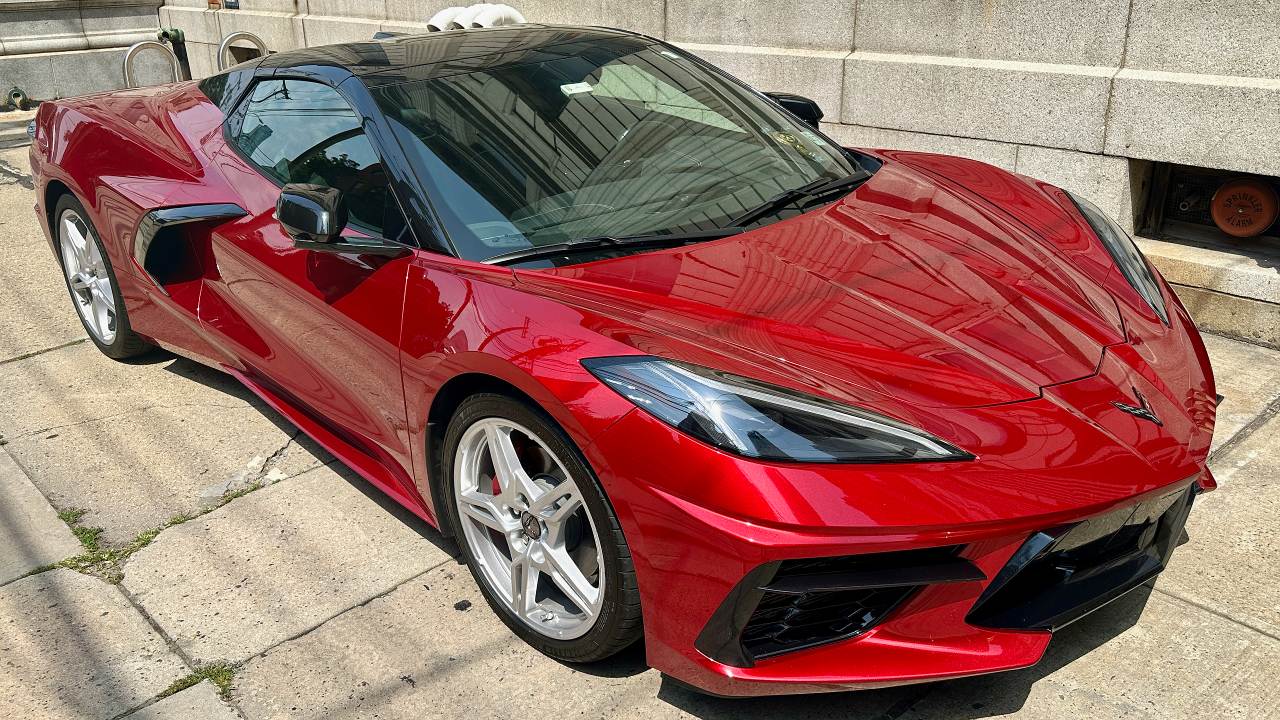
The C8-generation Corvette did more than move its engine behind the driver. It forced the supercar world to reckon with a mid-engined American sports car that delivered exotic proportions, serious performance and everyday usability at a price that undercut traditional rivals. By rethinking its layout and technology while keeping its blue-collar roots, the latest Corvette reset expectations for what a supercar can be and who it is for.
Instead of chasing European brands on their own terms, the C8 flipped the script, bringing mid-engine engineering, track-ready hardware and a focused cockpit to a segment that once treated the Corvette as an outsider. That shift did not just elevate Chevrolet’s halo car, it pressured established supercar makers to respond to a new benchmark that suddenly came from Detroit rather than Maranello, Sant’Agata or Woking.
From front-engine icon to mid-engine disruptor
For decades the Corvette was defined by a long hood, a front-mounted V8 and a reputation as America’s attainable performance car. The C8 broke that lineage by moving the powertrain behind the seats, a decision that transformed the car’s proportions, weight distribution and driving character. Instead of a traditional grand tourer stance, the new layout delivered a low nose, a short front overhang and a cabin pushed forward, the visual language of mid-engine exotics that had long been the domain of European brands, as detailed in reporting on how the latest Chevrolet Corvette reshaped expectations.
That architectural shift was not just about looks. By placing the engine closer to the center of the car, engineers improved traction and balance, which in turn allowed the chassis to exploit more grip and stability at the limit. The driver now sits closer to the front axle, with the cockpit wrapped tightly around the driver in a way that mirrors traditional supercars, a point underscored in analysis of how the Corvette evolved from a front-engine icon into something far more exotic. In practice, that means sharper turn-in, more confidence under braking and a sense that the car pivots around the driver rather than dragging a heavy nose through corners.
Supercar performance without the supercar price
What truly unsettled the supercar hierarchy was not only the C8’s layout but the performance it delivered relative to its cost. By pairing a mid-engine platform with aggressive acceleration and track capability, the latest Corvette began to encroach on territory traditionally occupied by far more expensive machines. Reporting on how the current Chevrolet Corvette forced supercar makers to take notice highlights how its performance envelope now overlaps with cars that once sat in a different league.
That value equation changed the conversation around what qualifies as a supercar. Instead of treating mid-engine design and serious track pace as the exclusive realm of six-figure exotics, the C8 brought those attributes into a price band that had previously meant compromise. The result is a car that can run with established supercars on road and track while remaining accessible to buyers who would never consider a traditional exotic, a dynamic that has put pressure on rivals to justify their premiums in a world where a Corvette now offers comparable thrills.
The Z06 and the flat-plane V8 that raised the stakes
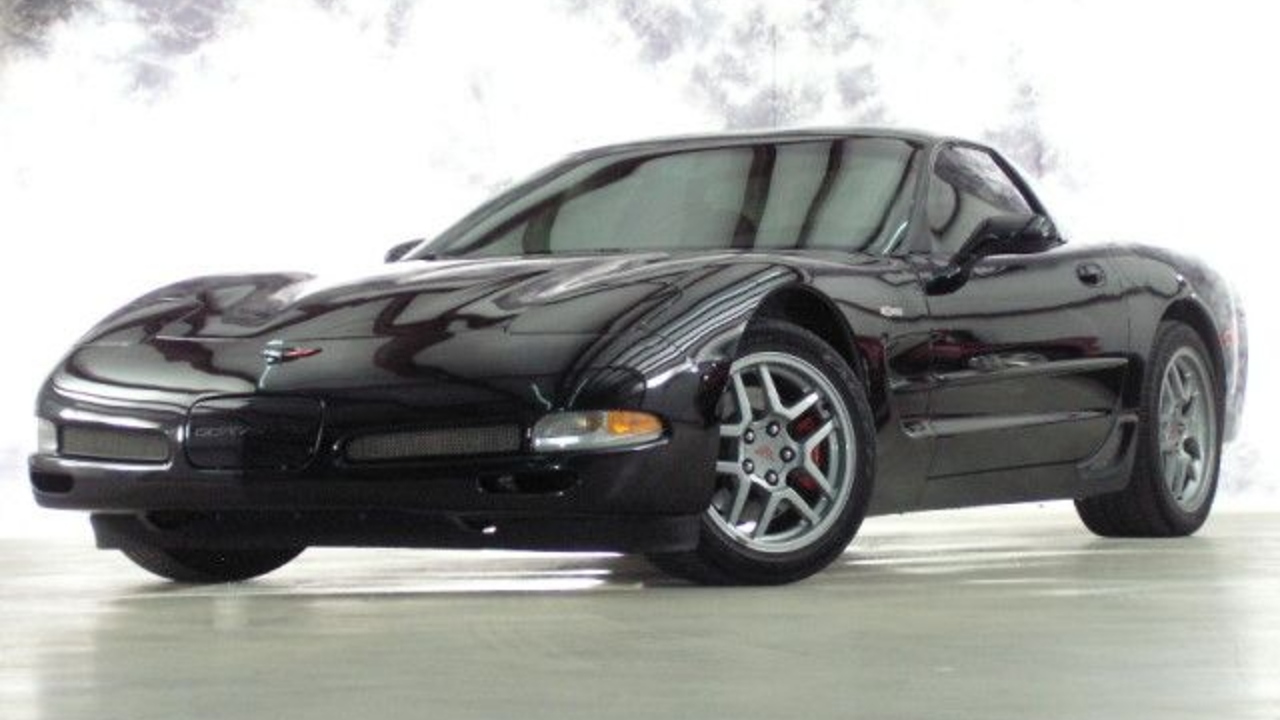
If the standard C8 reset expectations, the Z06 variant escalated them with an engine that borrowed inspiration from some of the most revered Italian exotics. At the heart of the Z06 sits the LT6, a naturally aspirated V8 with a flat-plane crank that revs high and delivers a soundtrack more often associated with European supercars than with American muscle. Reporting on the development of this engine notes that engineers studied a Ferrari 458 powerplant sourced from eBay, using that 458 engine as a reference point while crafting the LT6.
The result is a power unit that produces a quoted 670 horsepower, a figure that plants the Z06 firmly in the realm of serious supercars. That output, combined with the responsiveness and character of a high-revving flat-plane crank design, gives the Z06 a personality that feels closer to a track-bred exotic than to the traditional big-displacement pushrod V8s that defined earlier generations. By blending that engine with the C8’s mid-engine chassis, the Z06 demonstrates how far the Corvette has moved into territory once dominated by brands like Ferrari, a shift that has been documented in detailed coverage of how the Corvette team benchmarked European hardware.
Forcing traditional supercar makers to respond
By combining a mid-engine layout, serious power and a focused cockpit, the C8 did not just elevate the Corvette nameplate, it disrupted the expectations that surrounded the entire supercar segment. Analysis of how the current Chevrolet Corvette changed the conversation notes that established exotic brands suddenly faced a competitor that delivered comparable layout and performance while undercutting them on price and offering the everyday usability that has long been a Corvette hallmark. That combination forced those brands to sharpen their own offerings, whether through more aggressive performance, richer interiors or expanded personalization, to maintain their appeal.
In practical terms, the C8’s arrival meant that buyers cross-shopping a traditional supercar now had a credible alternative from a mainstream manufacturer. The Corvette’s mid-engine stance, its driver-centric cabin and the availability of variants like the Z06 with its 670-horsepower LT6 blurred the line between “sports car” and “supercar” in a way that earlier generations never quite managed. Coverage of how the latest Corvette forced supercar makers to take notice underscores that this is not just about raw numbers, it is about perception: when a car with a Corvette badge can stand shoulder to shoulder with long-established exotics, the old hierarchies start to look outdated.
Redefining what a supercar means for everyday drivers
The C8’s impact is not limited to lap times or spec sheets. By delivering a mid-engine car with exotic looks and serious performance that still functions as a daily driver, the Corvette has broadened the definition of what a supercar can be. Reporting on the latest Chevrolet Corvette emphasizes how the cabin is wrapped tightly around the driver, yet the car retains the usability and approachability that have long been part of the Corvette formula. That balance makes the C8 feel less like a fragile trophy and more like a tool that owners are encouraged to use, whether on a commute or a track day.
In that sense, the C8 has helped shift the supercar conversation away from exclusivity and toward experience. The car’s mid-engine stance and the Z06’s Ferrari-inspired LT6 show that cutting-edge engineering and emotional performance are no longer reserved for a narrow slice of buyers. Instead, they are available in a package that feels familiar to Corvette loyalists and inviting to newcomers who might once have dismissed American performance cars as crude. That democratizing effect is at the heart of why the C8 has changed how enthusiasts, and increasingly the industry, talk about what a supercar should be.