As the industry pivots toward electrification and downsized engines, a handful of modern V8 cars are quietly positioning themselves as tomorrow’s most coveted collectibles. Limited production, distinctive engineering and clear links to the end of the traditional performance era are already separating these models from the rest of the traffic.
I see the strongest candidates emerging where characterful V8 power meets rarity, motorsport pedigree or a clear “last of its kind” narrative. From American muscle to British grand tourers, these cars are already drawing attention from enthusiasts who sense that the window to buy them at sensible money is closing fast.
Supercharged American sedans with cult status
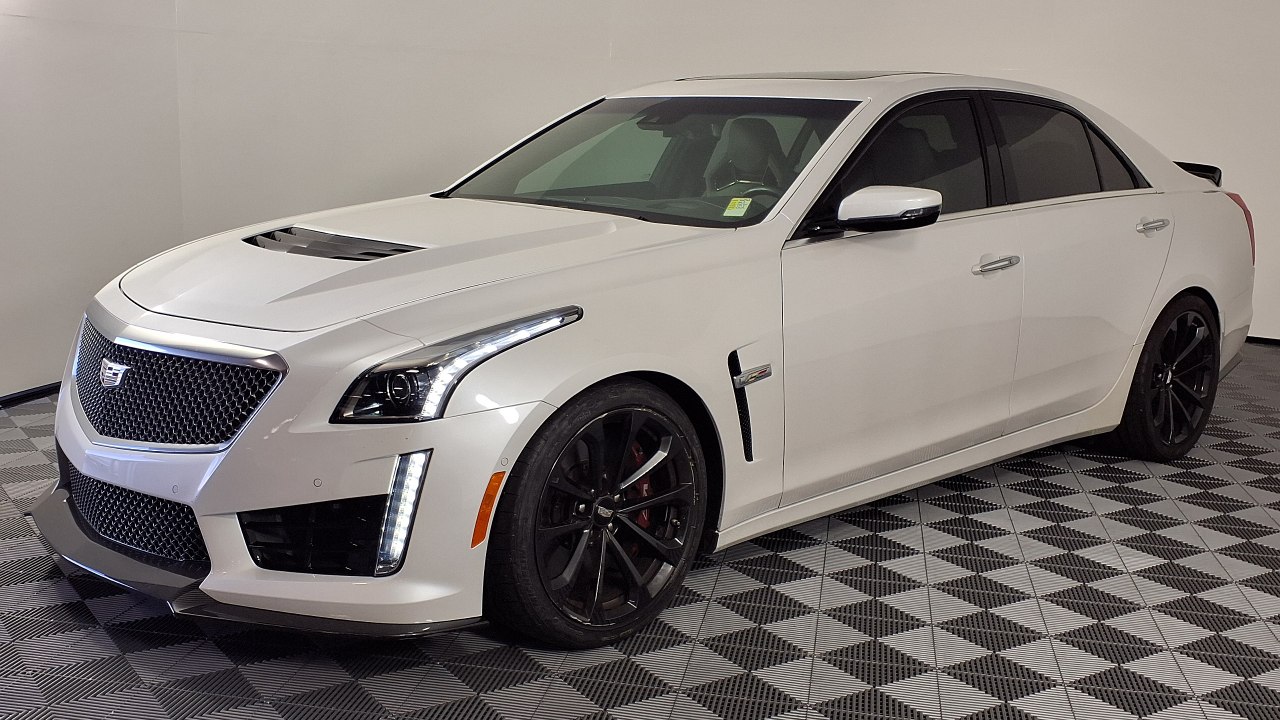
Among modern four-doors, few cars have the ingredients for future collectible status as clearly as the Cadillac CTS-V. It arrived as a high performance evolution of the Cadillac CTS, pairing a muscular V8 with a chassis that finally put the brand in the same conversation as established European sports sedans. Early on, some buyers did not take The Cadillac CTS seriously as a driver’s car, which kept volumes modest and created exactly the kind of underappreciated halo model that tends to age well in the collector market. As interest in traditional American V8 sedans fades in the face of crossovers and electrified flagships, the CTS-V’s blend of power, practicality and relative scarcity looks increasingly compelling for long term enthusiasts, a view echoed in analysis of future collectible muscle cars that highlights the Cadillac CTS-V as a standout.
What strengthens the CTS-V’s case is how clearly it represents a moment in time. It arrived shortly after the first generation of the Cadillac CTS, just as the brand was trying to reinvent itself with sharper styling and more athletic dynamics. The car’s supercharged V8, rear wheel drive layout and relatively analog driving experience now sit in stark contrast to the hybridized, software heavy performance sedans that are replacing it. I expect collectors to gravitate toward well kept, low mileage examples with original specification, especially cars that showcase the model’s more extroverted colors and trims, because they capture the full personality of this American V8 experiment that briefly put Cadillac back in the performance spotlight.
Mid engine sports cars that redefine the V8
On the sports car side, the shift of the Corvette to a mid engine layout has already created a dividing line in the model’s history, and that alone gives the current V8 powered C8 a strong claim to future classic status. The 2020 Chevrolet Corvette introduced a configuration that many enthusiasts had long demanded, delivering supercar style performance while still being described as something worth driving every day and guaranteed to bring smiles to the two occupants it can hold. That usability, combined with the drama of a naturally aspirated V8 mounted behind the driver, makes the C8 Corvette feel like a bridge between old school American muscle and the more exotic mid engine world, a balance highlighted in detailed impressions of the Corvette.
Design also plays a major role in why I see the C8 as a future collectible. Its sharp, angular bodywork borrows some cues from established European exotics, yet still looks different from others in the segment, which helps it stand out in a crowded performance market. As electrified variants and higher output derivatives arrive, the early V8 cars that defined the new layout are likely to gain a special aura as the purest expression of the concept. Collectors typically favor the first iteration of a major generational shift, and the combination of accessible pricing, everyday usability and unmistakable mid engine stance gives the original V8 C8 a strong foundation for long term desirability.
Luxury V8s at the end of an era
At the upper end of the market, some of the most promising future collectibles are not track focused specials but refined luxury cars that quietly mark the end of traditional V8 power. The Bentley Edition 8 is a clear example, positioned as a limited edition that preserves a V8 engine in its final unelectrified form. Buyers are being invited to reserve a Bentley Edition 8 in Westlake Village through a Southern California Bentley retailer, a process that underscores how tightly controlled supply is for this run of cars. When a manufacturer as closely associated with opulent grand touring as Bentley explicitly frames a model as the last of its kind before electrification, it effectively writes the first chapter of that car’s collector story, a narrative reinforced by the way the Bentley Edition 8 is being marketed.
What sets this type of luxury V8 apart is not just scarcity, but the sense of finality around the powertrain. Collectors have long gravitated to “last of the line” cars, whether they were the final air cooled engines or the closing chapter of a beloved chassis. In the case of the Bentley Edition 8, the combination of a traditional V8, handcrafted interior and limited availability in places like Westlake Village creates a package that is likely to be cherished by buyers who want a tangible link to the pre electrification era. As regulations and corporate strategies push luxury brands toward hybrid and battery electric drivetrains, I expect these final V8 flagships to be viewed as rolling milestones, with well documented, low mileage examples commanding particular attention in the years ahead.
Track bred specials with proven collector appeal
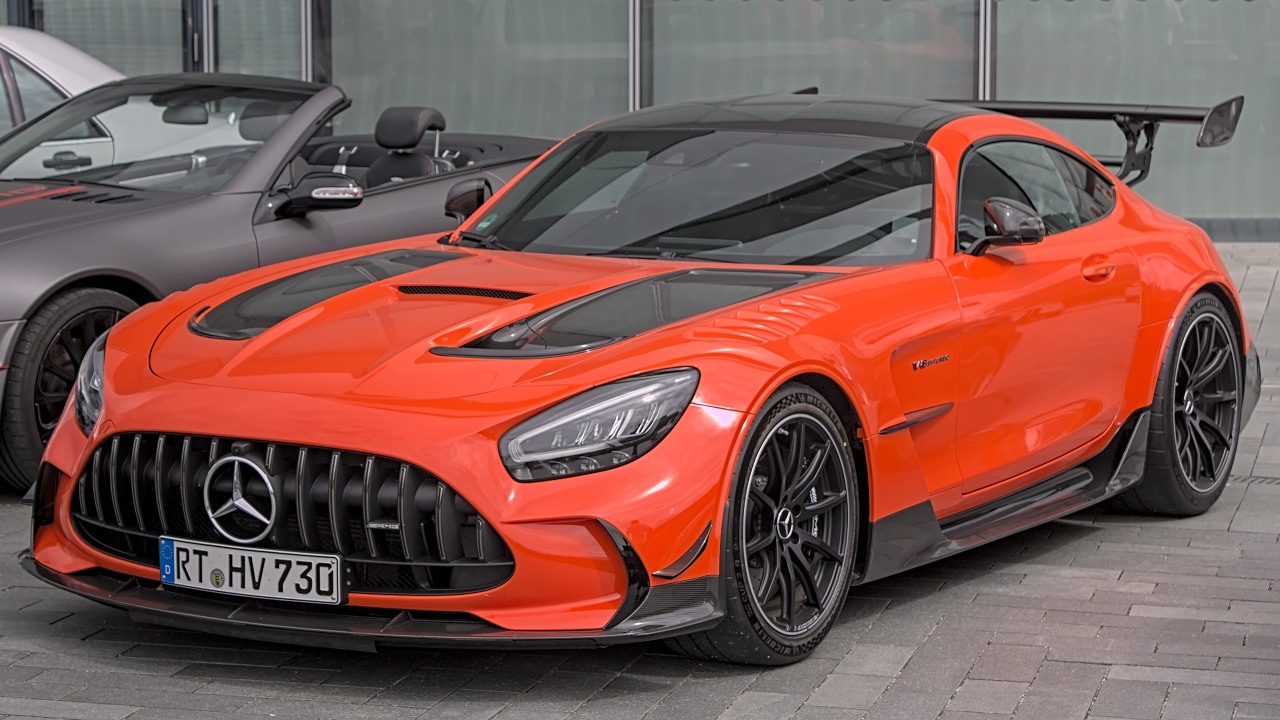
While some future collectibles earn their status through subtlety, others are born with it, and the Mercedes AMG GT Black sits firmly in the latter camp. This car is part of a lineage of hardcore Black Series models that have consistently attracted serious collectors, and the pattern is already clear. Few AMG models appreciate in value as rapidly as Black Series editions, a trend that has turned these cars into investment grade autos in the eyes of many enthusiasts. The GT Black combines a highly tuned V8 with aggressive aerodynamics and track focused engineering, making it one of the most extreme interpretations of the Mercedes AMG formula, a point underscored in analysis of how Few AMG Black Series cars behave in the market.
From a collector’s perspective, the GT Black benefits from several reinforcing factors. It is produced in limited numbers, it carries the most aggressive interpretation of the brand’s V8 technology, and it has a clear motorsport connection that elevates it beyond regular performance models. The Black Series badge itself has become a shorthand for the most focused Mercedes AMG offerings, and that reputation feeds directly into long term demand. I expect future buyers to prioritize cars with complete documentation and minimal track wear, since the combination of rarity and proven appreciation for earlier Black Series models suggests that the GT Black will be viewed as a cornerstone of any serious modern performance collection.
Stylish V8 sports cars with global cachet
Not every future collectible V8 needs to chase lap times; some will earn their place through design, image and cultural reach. The Jaguar F-Type is a strong candidate in this category, particularly in its V8 configurations. Researchers looking at future classic cars have already singled out the Jaguar F-Type as a model likely to prove a worthwhile investment, noting that it was launched in China by Jaguar brand ambassador David Beckham. That kind of high profile introduction, especially in a key growth market like China, gave the car instant visibility and helped cement its status as a style icon as much as a performance machine, a dynamic highlighted in coverage of the Jaguar F-Type.
In V8 form, the F-Type combines a charismatic exhaust note with classic long bonnet, short rear deck proportions that echo some of Jaguar’s most celebrated sports cars. As the brand moves toward electrification and more restrained styling, the F-Type’s dramatic lines and unmistakable sound are likely to feel increasingly special. I see particular potential in well specified coupes and convertibles that showcase the full character of the V8, especially in markets where the association with figures like David Beckham and the car’s launch in China added an extra layer of desirability. For collectors who value aesthetics and brand heritage as much as outright performance, the F-Type offers a compelling way to own a modern interpretation of the traditional British V8 sports car.
Why scarcity and story matter more than cylinder count
Looking across these examples, a pattern emerges that goes beyond the simple presence of a V8 engine. The cars with the strongest prospects share a mix of limited production, clear narrative hooks and distinct personalities. The Cadillac CTS-V represents a moment when an American luxury brand tried to outgun European rivals with raw supercharged power. The C8 Corvette captures the pivot to a mid engine layout while retaining everyday usability. The Bentley Edition 8 stands as a deliberate farewell to unelectrified V8 luxury, while the Mercedes AMG GT Black and Jaguar F-Type show how track pedigree and global image can both underpin long term appeal.
Other models, even those without V8 engines, illustrate how this formula works. Lists of future classics already highlight cars like the Peugeot 106 Rallye, a small hot hatch that earns its place through lightweight engineering and motorsport flavor rather than cylinder count, with the specific 106 designation itself becoming a point of nostalgia. That comparison reinforces my view that what ultimately drives collectibility is not displacement alone, but the combination of story, scarcity and emotional connection. For modern V8s, the tightening window before full electrification gives those qualities extra urgency, and the cars that best capture this transitional era are already starting to separate themselves as the future standouts.